Author: Administrator

  • SIGA UNVEILS 2025 STATE OWNERSHIP REPORT, MARKING A DECADE OF TRACKING GHANA’S SPECIFIED ENTITIES

    SIGA UNVEILS 2025 STATE OWNERSHIP REPORT, MARKING A DECADE OF TRACKING GHANA’S SPECIFIED ENTITIES

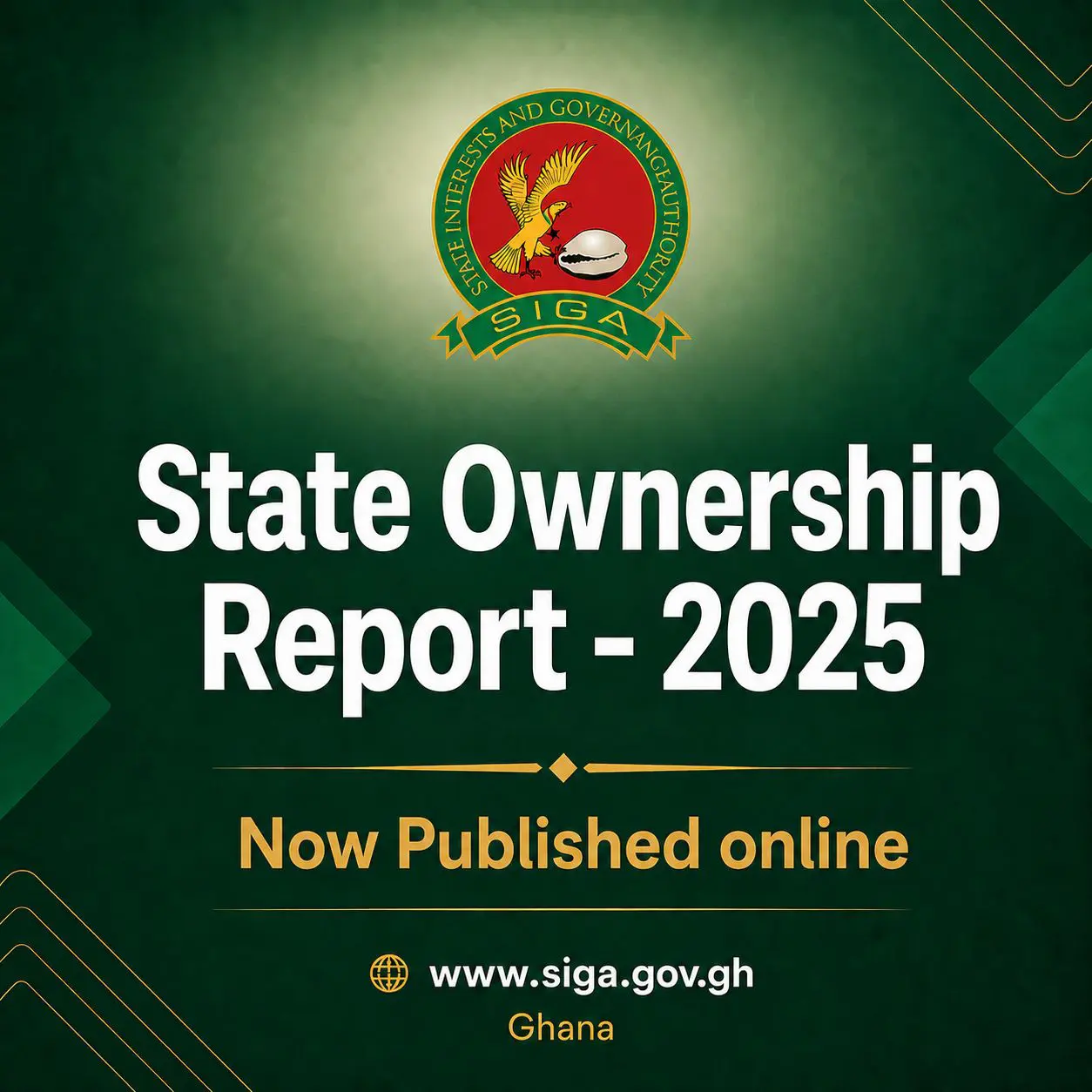
    Accra, Sunday 30th August 2026 — The State Interests and Governance Authority (SIGA) has released the 2025 State Ownership Report (SOR), the tenth edition of Ghana’s flagship account of the performance of its Specified Entities, and the fifth published by SIGA since the Authority’s establishment in 2019. Covering 162 of the 175 approved Specified Entities comprising 53 State-Owned Enterprises (SOEs), 36 Joint Venture Companies (JVCs) and 73 Other State Entities (OSEs), the report offers a comprehensive and nuanced analysis of the financial and operational performance of the state-owned sector, and serves as a vital resource for policymakers, stakeholders and the public in shaping the future of Ghana’s SOEs, JVCs and OSEs.

    “This edition is significant because it documents the performance of Specified Entities for the first year of President Mahama’s second administration,” said Prof. Michael Kpessa-Whyte, Director-General of SIGA. “It gives a full picture of how these Specified Entities are contributing to the broader economic reset agenda, and it will help drive meaningful dialogue around the future of our State-Owned Enterprises, Joint Venture Companies and Other State Entities, ensuring they fulfil their potential as catalysts for economic growth and development.”

    The complete 2025 State Ownership Report is available on SIGA’s official website. SIGA invites the Ghanaian public, the media, investors and all stakeholders to read the report and take an active interest in how their collective investments held in trust through the country’s Specified Entities are being managed and are performing on their behalf.

    Key highlights from the 2025 State Ownership Report:

    1. A Turnaround Four Years In The Making

    The State-Owned Enterprise sector delivered the standout result of the 2025 report. Total SOE revenue climbed 28.12% to GHS176.43 billion, from GHS137.64 billion in FY2024, propelled by the Agricultural (up 203.71%), Manufacturing (up 114.74%) and Infrastructure (up 92.24%) sub-sectors. That growth carried through to the bottom line: Profit Before Interest and Tax rose to GHS25.49 billion, continuing a four-year recovery from a loss of GHS502.00 million in FY2023 and a partial rebound of GHS5.80 billion in FY2024.

    Most significantly, the sector broke a four-year cycle of consolidated net losses, closing FY2025 with a Net Profit after Tax of GHS19.80 billion, against a Net Loss after Tax of GHS2.25 billion the year before. Ten SOEs, among them the Ghana Ports and Harbours Authority, Bui Power Authority, Ghana National Gas Company, BOST Energies Company, Minerals Income Investment Fund and TDC Company Ltd, sustained profitability throughout the five-year period. A stronger Cedi also reshaped the sector’s finances: SOEs recorded net foreign exchange earnings of GHS11.72 billion, reversing a GHS12.01 billion foreign exchange loss in FY2024, while finance costs fell by 42.49%.

    Balance sheets contracted modestly, with total assets down 5.86% to GHS407.84 billion led by the Electricity Company of Ghana (ECG), Volta River Authority and COCOBOD, and total liabilities down 4.31% to GHS281.99 billion, of which ECG alone accounted for GHS82.31 billion. The report cautions, however, that risks remain concentrated especially because five SOEs consisting of ECG, Ghana Cylinder Manufacturing Company Ltd, GNPA Ltd, Graphic Communications Group Company and Ghana Digital Centre recorded losses in every year from FY2021 to FY2025, while six entities, including AirtelTigo Ghana Ltd, GihocDistilleries and Tema Oil Refinery, have carried negative equity throughout the same period. Dividend payments to government also declined, with only two SOEs – Ghana Reinsurance Company Ltd and TDC Company Ltd – paying a combined GHS16.00 million, down 29.36% on FY2024.

    2. Joint Ventures Extend Their Gains

    Ghana’s Joint Venture Companies built on the momentum of the previous year. Net profit, excluding minority interest, rose 36.55% to GHS3.14 billion, from GHS2.29 billion in FY2024, while total JVC assets grew 25.99% to GHS96.69 billion. Minority-interest JVCs performed even more strongly, with net profit climbing to GHS61.32 billion in FY2025 from GHS21.06 billion in FY2024. These minority-interest companies were also the dominant source of dividends to government, contributing GHS1.19 billion, which represents 97.12% of all dividends received across the portfolio.

    3. Other State Entities Face Mounting Pressure

    The picture was less encouraging among Other State Entities, whose net deficit widened sharply to GHS10.48 billion in FY2025, from GHS2.18 billion in FY2024. While total assets grew 60.15% to GHS310.62 billion, liabilities rose faster still, up 41.83% to GHS323.17 billion, and the sub-sector’s accumulated fund swung to a negative GHS41.14 billion from a positive GHS15.47 billion. This is a shift driven substantially by the Bank of Ghana’s negative equity position of GHS93 billion.

    4. A More Supportive Macroeconomic Environment

    The Specified Entities’ performance unfolded against a markedly improved macroeconomic backdrop. Real GDP growth reached 6.0% in FY2025 which is the fastest pace of expansion since FY2019 and an improvement on the 5.8% recorded in FY2024. Monetary conditions eased considerably over the year: the Monetary Policy Rate fell from 27% to 18%, the Ghana Reference Rate from 29.31% to 15.9%, and the average lending rate from 30.25% to 20.4% by December 2025. Public debt rose in nominal terms to GHS640.99 billion but improved as a share of GDP, to 45.28%, on the back of currency appreciation, lower borrowing costs, a high primary surplus and effective debt management. The report nonetheless flags continuing fiscal exposure from outstanding loan guarantees of GHS3.03 billion, on-lent loans of GHS14.73 billion, and US$3.7 million in contingent liabilities that crystallised from public-private partnership agreements during the year.

    5. Reform Across Multiple Fronts

    FY2025 was also a year of significant institutional change, beginning with the political transition from the New Patriotic Party to the National Democratic Congress and the new administration’s early steps to align Specified Entities with its development agenda.

    On public financial management, the Ministry of Finance issued new PFM Implementation Guidelines in May 2025, requiring Specified Entities to submit quarterly internal audit and commitment control reports and subjecting centrally approved procurement to commitment authorisation by the Minister for Finance. The measures coincided with a sharp fall in public-sector procurement infractions, from GHS18.4 billion in FY2024 to GHS2.2 billion in FY2025, though the report notes that commitment-authorisation requirements also introduced delays to capital projects and procurement activity.

    SIGA itself deepened its oversight role during the year, assessing 70 Specified Entities that had executed FY2024 performance contracts through its Annual Governance and Institutional Performance Assessment Reports, intensifying engagement with entities showing persistent statutory reporting non-compliance, and welcoming a growing number of entities into the performance-contract framework ahead of FY2026 negotiations.

    Government’s 24-Hour Economy Policy took shape across several Specified Entities, from a round-the-clock customer call centre at TDC and three-shift operations at Ghana Publishing, to AESL’s work on 24-hour markets across 33 MMDAs, extended production at GIHOC Distilleries, expanded services at DVLA, and continuous online services and environmental monitoring at the EPA; SIGA intends to fold these initiatives into future performance contracts and monitoring frameworks. In transport, the GHS62.86 billion Big Push Programme advanced a corridor-based approach to modernising trunk roads, bridges, interchanges and highways under the Ghana Highway Authority, with most projects still in early implementation by year-end.

    The financial sector saw the recapitalisation of state-owned banks NIB and ADB, alongside continued government support for CBG, aimed at strengthening capital positions and restoring depositor and investor confidence. In the extractive sector, government established the Ghana Gold Board (GoldBod) to centraliseoversight of the gold sector, strengthen traceability and formalisation, curb illegal mining and smuggling, and capture greater value and foreign-exchange inflows from the gold value chain. And in rail, following prolonged financial, operational and labour difficulties that led to the suspension of the Ghana Railway Company Limited (GRCL), SIGA recommended its liquidation, the absorption of its employees into the Ghana Railway Development Authority (GRDA), and the transformation of GRDA into a combined commercial and regulatory institution; the 97-kilometre Tema–Mpakadan line began commercial operations under GRDA in October 2025, and government has since introduced a phased support package covering salary arrears and critical infrastructure refurbishment.

    6. Advancing Climate And Gender Commitments

    Climate reporting continued to gain ground, with 42 of the 162 reporting Specified Entities — 25.9% of the total — disclosing climate-related projects, programmes or initiatives in FY2025, up from 27 entities the year before. The workforce across Specified Entities also expanded, growing 5.45% to 98,724 employees, an increase of 5,104 jobs, with SOEs accounting for the largest share of employment (48.62%), followed by OSEs (39.92%) and JVCs (11.47%). Women’s representation rose to 30.02% of the workforce, from 29.30% in FY2024, as female employment grew at nearly double the rate of male employment 8.02% against 4.39%.

    7. From Recovery To Sustainable Value Creation

    SIGA frames FY2025 as a turning point for Ghana’s state-owned sector. Stronger revenues, a return to profitability, improved fiscal discipline, deeper oversight and major institutional reforms all point in the same direction, yet persistent losses, negative equity, fiscal risk, governance gaps and uneven progress on climate and gender integration are a reminder that recovery alone is not enough.

    The Authority’s call to action is direct: Specified Entities must move from recovery to resilience, from compliance to performance, and from state ownership to sustainable value creation. That will require stronger accountability, more disciplined capital allocation, decisive action on chronically underperforming entities, and the institutionalisation of performance-driven governance across the portfolio.

    “The gains of FY2025 must not become a temporary rebound,” the report concludes. “They must become the foundation for a more efficient, competitive, inclusive and sustainable State-owned sector that creates value for the Ghanaian taxpayer and contributes meaningfully to national development.”

  • Ghana Scholarship Students Stranded, Broke in Russia

    Ghana Scholarship Students Stranded, Broke in Russia

    About 200 Ghanaian students on government scholarships in Russia say they are starving, stranded and broke after going 14 months without stipends, while repeated appeals to authorities have fallen on deaf ears.
    In a bid to force action, the leadership of the National Union of Ghana Students (NUGS), Russia, engaged the Ghana Embassy in Moscow back in June, this year.

    Following that engagement, the leadership were told that the Embassy had received funds from the Ghana Scholarship Authority (GSA, but that each student, whether undergraduate or postgraduate, would receive a paltry flat sum of only $300, regardless of the massive backlog.

    That offer is a “cruel joke,” the students intimated, given that postgraduates are entitled to $500 monthly while undergraduates get $300.

    With the new academic year kicking off on Tuesday, September 1, 2026, desperation is now boiling over. Many face imminent eviction from dormitories. Others have not paid visa renewal fees, recently hiked across the Russian Federation, and now risk deportation.

    In a recent media interview, the NUGS Russia President, Jibril Kojo Nkum, made a public appeal for urgent government intervention, revealing that the students were drowning in debt as living costs and mandatory fees soar.

    Meanwhile students who have borrowed from friends were now being hounded to repay. And under Russian law, scholarship students are barred from taking up any work to earn income, trapping them in a spiral of hunger and helplessness with no way out.

    In the wake of their dire situation, the students reiterated the appeal made by their leaders to the government to facilitate the payment of their stipends, failure of which, they warned, would force them to sleep outside.

  • Government Launches Turnkey Electrification Project to Connect 206 Communities in Volta Region

    Government Launches Turnkey Electrification Project to Connect 206 Communities in Volta Region

    The Minister for Energy and Green Transition, Hon. John Abdulai Jinapor (MP), has launched a major turnkey electrification project aimed at extending electricity supply to 206 communities across 18 districts in the Volta Region.

    The project, being implemented under the Government’s Rural Electrification Acceleration and Urban Intensification Initiative (REIP), forms part of Government’s broader commitment to reducing poverty, creating jobs and promoting socio-economic development through improved access to electricity.

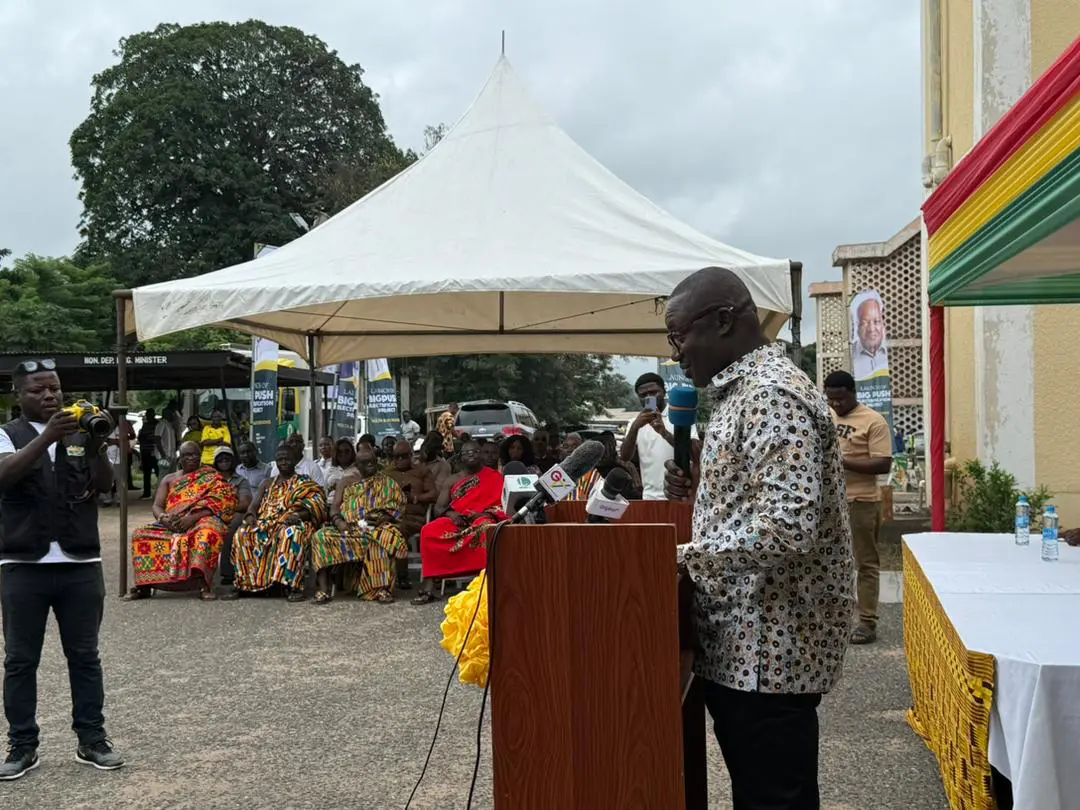
    Speaking at the launch held at the Volta Regional Coordinating Council (VRCC), Hon. Jinapor said the project would significantly improve electricity access for communities currently without reliable power supply, and communities that needed extension.

    The project is being undertaken by Byes and Ways Limited and is expected to be completed within six months.

    The Minister also announced significant investments to strengthen electricity transmission and improve power supply in Ho and other parts of the Volta Region.

    According to Hon. Jinapor, Government is undertaking the construction of a 161kV transmission line from Asiekpe to Ho, which is expected to improve voltage levels and enhance the reliability of electricity supply in the region.

    He further announced the construction of a new substation in Ho, which would provide the regional capital with a dedicated transformer and transmission line.

    The facility is expected to ease pressure on the existing transformer and transmission infrastructure and improve the reliability of power supply to Ho and surrounding communities.

    The transmission and substation project is being undertaken by Tilt Engineering Limited and is expected to be completed within 12 months.

    Speaking on behalf of Tilt Engineering Limited, the CEO Ing. Samuel Adjidjornu disclosed that preliminary activities had already commenced, with a technical team currently undertaking route surveys and engaging communities along the project corridor.

    The Minister also addressed concerns about complaints of overbilling by consumers.
    He said the Public Utilities Regulatory Commission (PURC) would independently investigate complaints to ensure that customers receive accurate bills based on their actual consumption.

    He explained that where investigations establish that faulty meters are responsible for billing discrepancies, the affected meters would be replaced.

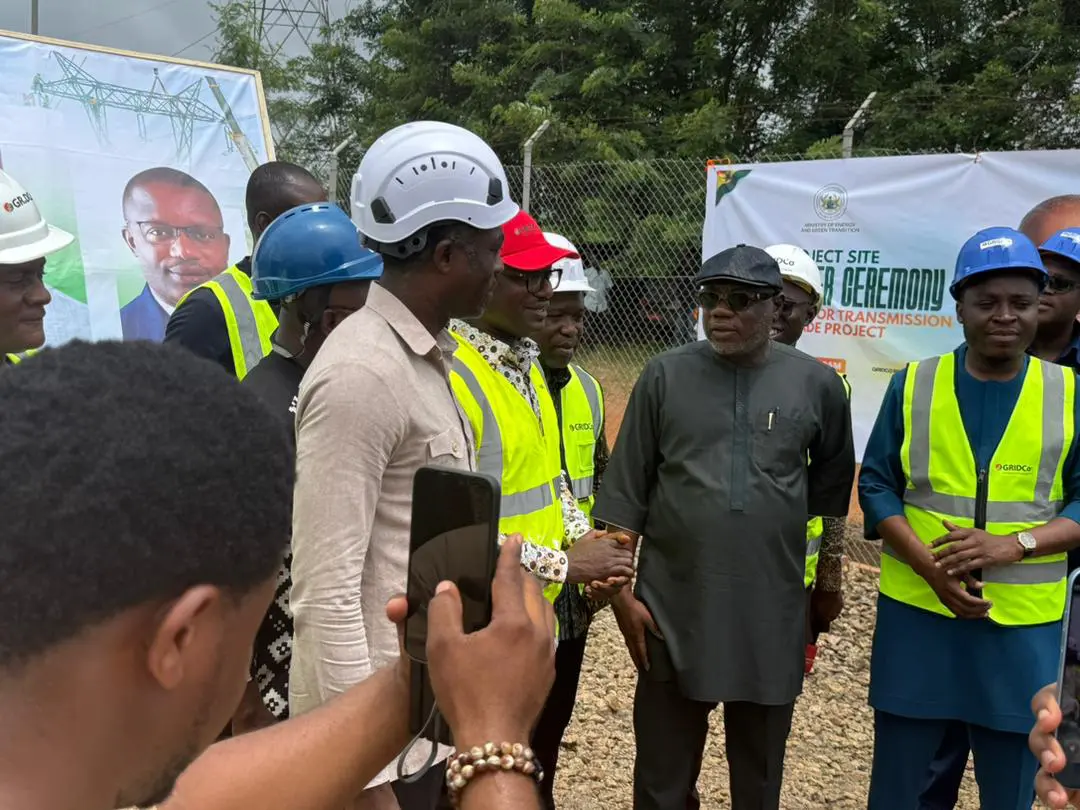
    Following the launch, a short handover ceremony was held at the GRIDCo Substation, where the project was formally handed over to Tilt Engineering Limited by Hon. Jinapor and the Chief Executive of the Ghana Grid Company Limited (GRIDCo), Ing. Frank Asirifi Otchere, and Mr. David Asamoah, Deputy Managing Director, Special Duties ECG.

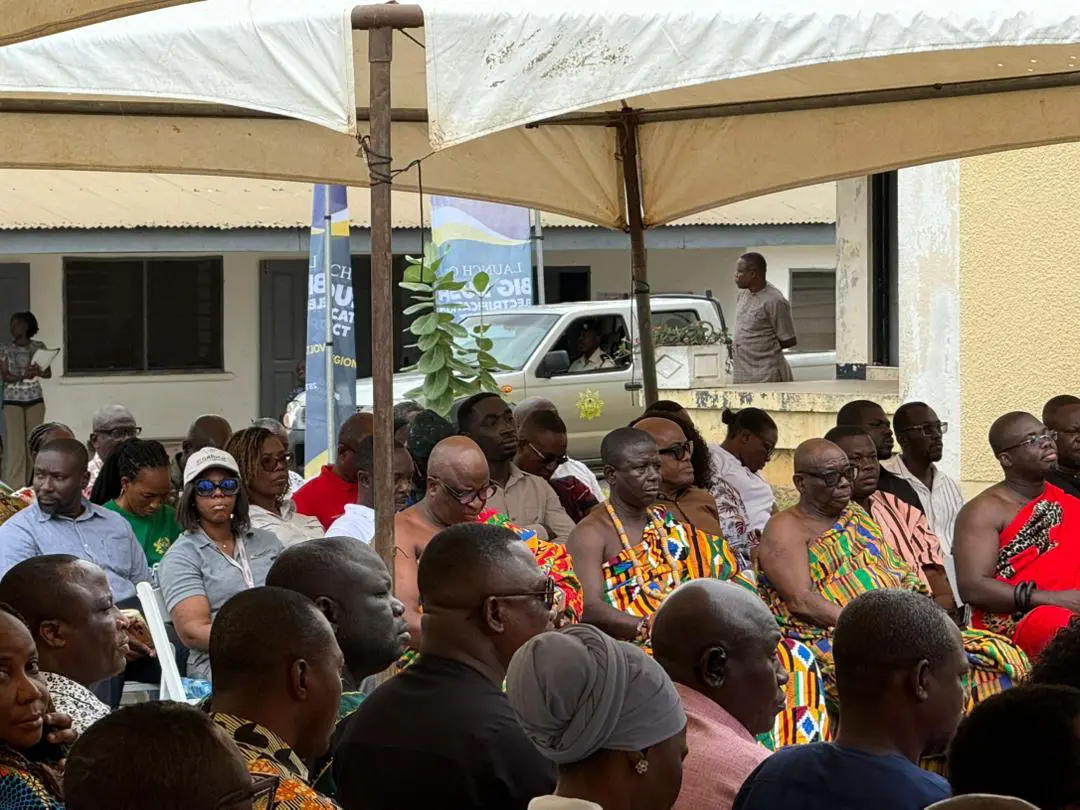
    The ceremony brought together key stakeholders from the energy sector and the Volta Region, including Chiefs from the Volta Regional House of Chiefs, the Deputy Managing Director, Special Duties, Mr. Asamoah; Director of Engineering, Ing. Jacqueline A. Ofori-Atta; Regional General Manager of the Electricity Company of Ghana (ECG), Volta Region, Ms. Christina Jatoe-Kaleo; Ho District Manager, Mr. Emmanuel Offei; Commercial Manager, Mr. Solomon Adjiku; other ECG regional staff; and officials of GRIDCo.

    The project is expected to contribute significantly to expanding electricity access, strengthening the transmission network and improving the quality and reliability of electricity supply across the Volta Region.

    The Government has urged beneficiary communities, traditional authorities, local authorities and other stakeholders to cooperate with the contractors to ensure the timely and successful completion of the projects.

  • MTN GHANA AND ACCA HOLDS SUSTAINABILITY WORKSHOP TO EQUIP SMES 

    MTN GHANA AND ACCA HOLDS SUSTAINABILITY WORKSHOP TO EQUIP SMES 

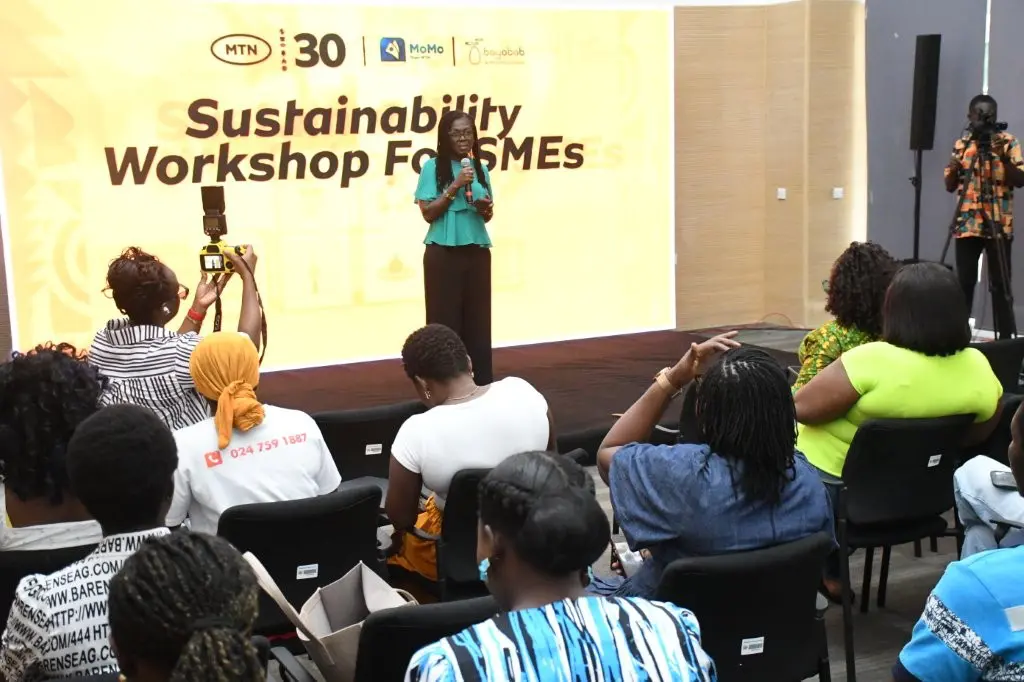
    Accra, 28 August 2026 – MTN Ghana has organized its maiden Sustainability Workshop for Small and Medium-sized Enterprises (SMEs), equipping entrepreneurs with practical tools and knowledge to integrate sustainable practices into their businesses.

    Held in partnership with the Association of Chartered Certified Accountants (ACCA) Global, the workshop brought together founders, entrepreneurs and business leaders to explore how sustainability can be incorporated into everyday business operations. At the workshop, the company also launched a Sustainability competition for SMEs to present ideas on how they are going to adopt Sustainability in their businesses. 

    Speaking at the workshop, MTN Ghana’s Chief Corporate Services and Sustainability Officer, Adwoa Afriyie Wiafe, said the initiative formed part of activities marking the company’s 30th anniversary and aligns with its Force for Good philosophy, which seeks to harness the power of technology, partnerships and responsible business practices to drive positive social, environmental and economic impact. 

    She explained that MTN’s sustainability efforts had moved beyond traditional corporate social investment to embedding responsible practices within its operations and broader contribution to national development.

    “We believe that we cannot grow if our communities around us are not growing,” she said, noting that the company has consistently invested in health, education and economic empowerment through its programs.

    She urged SMEs, which form a critical part of Ghana’s economic landscape, to view sustainability as an achievable business practice rather than an undertaking reserved for large corporations.

    According to her, businesses could begin with simple measures such as reducing waste, managing plastics, improving energy efficiency and building digital skills among their employees.

    “There are small things that we can all do, and collectively we will see the impact that that makes,” she said.

    She pointed to MTN Ghana’s efforts to reduce energy consumption, including the installation of solar panels at the MTN House, as an example of how businesses can identify opportunities within their own operations to adopt cleaner and more efficient practices.

    The Business Manager of ACCA, Gameli Datsomor, said the partnership was intended to make sustainability more accessible to SMEs, which are often left out of major sustainability conversations despite their significant contribution to economic activity and livelihoods.

    He said ACCA had developed resources targeted at SMEs and was pleased to work with MTN Ghana to help businesses understand and apply sustainability principles in practical ways.

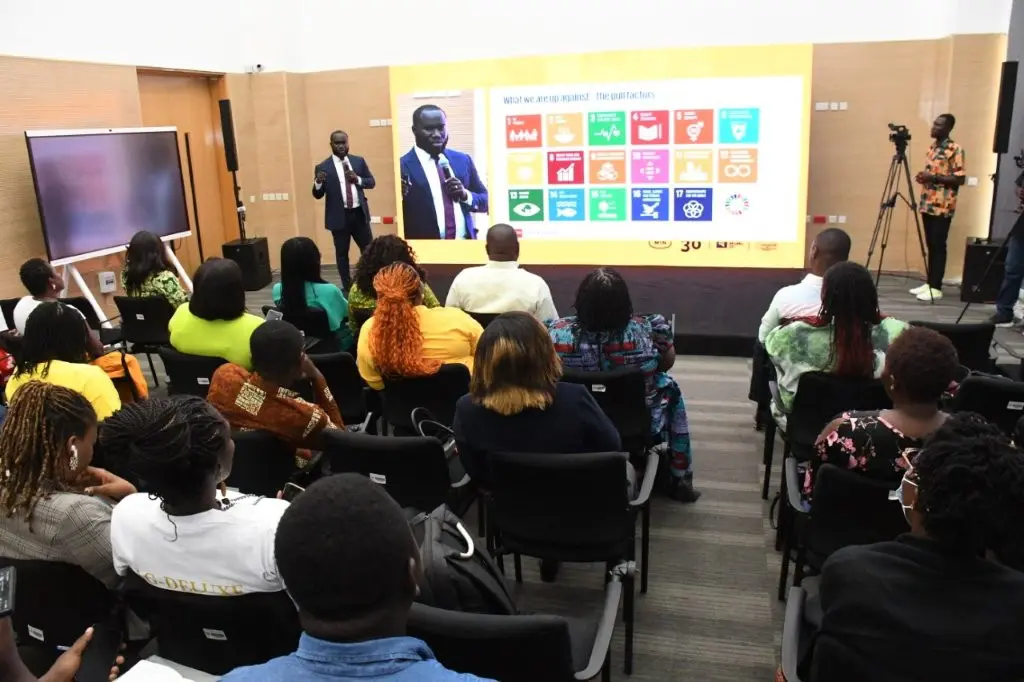
    Delivering a presentation on sustainability, ESG Specialist Dr Thelma Frimpong Mensah encouraged entrepreneurs to be deliberate about their carbon footprint and align their business decisions with the United Nations Sustainable Development Goals.

    She described sustainability as living and conducting business today without compromising the ability of future generations to meet their needs. She also cautioned businesses against greenwashing and urged SMEs to ensure that sustainability claims are backed by genuine action.

    The workshop further featured a presentation by KPMG’s Kofi Osei Asenso on “Creating the Sustainable World: The SME Way”, focusing on practical approaches SMEs can adopt to build more resilient and responsible businesses.

    The event was attended by members of the Sustainability Working Group of MTN and Momo, including the Ag GM of Sustainability, Georgina Asare Fiagbenu, and Charles Osei Owusu, Senior Manager for Fintech Business Development, MML Operations as well as other officials. 

    As sustainability becomes increasingly important to business success, MTN Ghana hopes this initiative will inspire more SMEs to embrace responsible business practices, unlock new growth opportunities and contribute meaningfully to Ghana’s sustainable development journey.

  • GPHA LAUNCHES 40TH ANNIVERSARY CELEBRATIONS, REAFFIRMS COMMITMENT TO MARITIME EXCELLENCE AND NATIONAL DEVELOPMENT

    GPHA LAUNCHES 40TH ANNIVERSARY CELEBRATIONS, REAFFIRMS COMMITMENT TO MARITIME EXCELLENCE AND NATIONAL DEVELOPMENT

    The Ghana Ports and Harbours Authority (GPHA) has officially launched activities to mark its 40th anniversary, celebrating four decades of growth, resilience, innovation and contribution to Ghana’s economic development while outlining an ambitious vision for the future of the country’s maritime sector. 

    Speaking at the launch ceremony, the leadership of GPHA reflected on the Authority’s remarkable journey since its establishment, highlighting its transformation into a modern institution that serves as a critical gateway for Ghana’s international trade and a key logistics hub for the West African sub-region. 

    In a welcome address, the Director-General of GPHA described the anniversary as more than a celebration of the Authority’s age, noting that it represents four decades of resilience, transformation, innovation and dedicated service by generations of employees whose efforts have shaped the institution’s success. He emphasized that GPHA has remained steadfast in its mandate to plan, build, manage and operate Ghana’s seaports efficiently and safely, facilitating trade and supporting national development. 

    The Director-General noted that over the years, GPHA has recorded significant achievements in port modernization, operational efficiency, infrastructure development, technology adoption, environmental sustainability, safety and customer service. He attributed these accomplishments to strong collaboration between government, shipping lines, terminal operators, freight forwarders, regulators, development partners and other stakeholders across the maritime value chain. 

    Addressing the gathering, Hon. Johnson Asiedu Nketiah, Board Chairman of the Ghana Ports and Harbours Authority, said the 40th anniversary marks a significant milestone in the Authority’s history since its establishment under PNDC Law 160 in 1986. He noted that GPHA was created to unify key port-related entities and improve the management and operational efficiency of Ghana’s ports to support trade and economic growth. 

    According to the Board Chairman, the ports of Tema and Takoradi have evolved into strategic national assets that facilitate international trade, support industrial activity and promote regional integration. He stated that the Authority has consistently pursued strategic initiatives aimed at enhancing competitiveness, operational efficiency and service delivery in an increasingly dynamic global maritime environment. 

    The Chairman highlighted several major developments that have strengthened Ghana’s maritime infrastructure, including the expansion of Tema Port and ongoing transformation projects at Takoradi Port. He observed that investments in port infrastructure, automation and advanced information technology systems have enabled Ghana’s ports to handle growing cargo volumes and accommodate diverse vessel types. 

    Among the achievements cited were the development of a 3.5 million Twenty-Foot Equivalent Unit (TEU) container terminal, the Dry Bulk Terminal, and the Takoradi Natural Gas Liquids Export Terminal, all of which have enhanced cargo-handling capacity and operational efficiency. The Chairman also pointed to the planned Takoradi Floating Dock Project, backed by £101 million in financing, as an initiative expected to strengthen Ghana’s ship repair capabilities and reinforce Takoradi’s position as a leading maritime hub in the region. 

    The Board Chairman further underscored GPHA’s role in regional trade facilitation, noting the establishment of a dedicated transit container terminal at Tema Port to serve neighbouring landlocked countries, including Burkina Faso, Mali and Niger. He added that the Kpone Unity Terminal was developed to ease congestion and improve transit operations. 

    Looking ahead, both the Board and Management expressed a shared commitment to building smarter, greener and more efficient ports capable of supporting Ghana’s industrialisation agenda and opportunities under the African Continental Free Trade Area (AfCFTA). The Authority also intends to deepen stakeholder engagement, promote environmental sustainability and inspire the next generation of maritime professionals through activities planned for the anniversary year. 

    The leadership of GPHA paid tribute to former leaders, retired staff and current employees for their contributions to the Authority’s success, while thanking government, customers, business partners, traditional authorities, regulators and the media for their continued support.