Category: Chicago News

  • Evelyn Adrah Celebrates Her Golden Birthday in Magnificent Style

    Evelyn Adrah Celebrates Her Golden Birthday in Magnificent Style

    Source: Sankofaonline

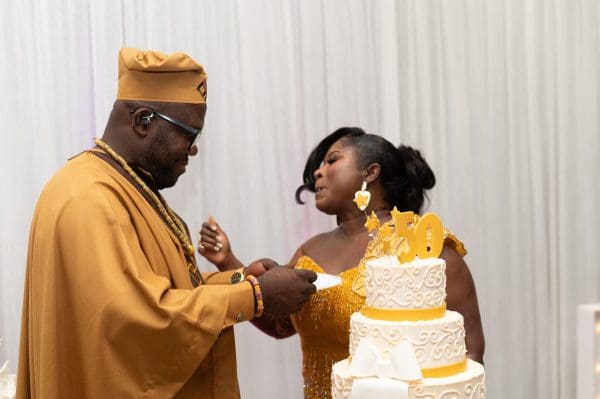
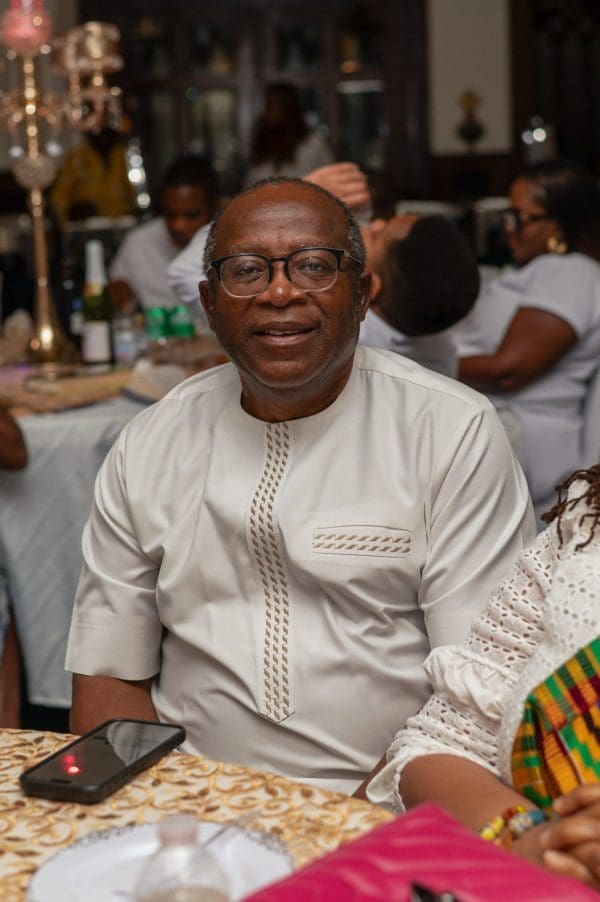
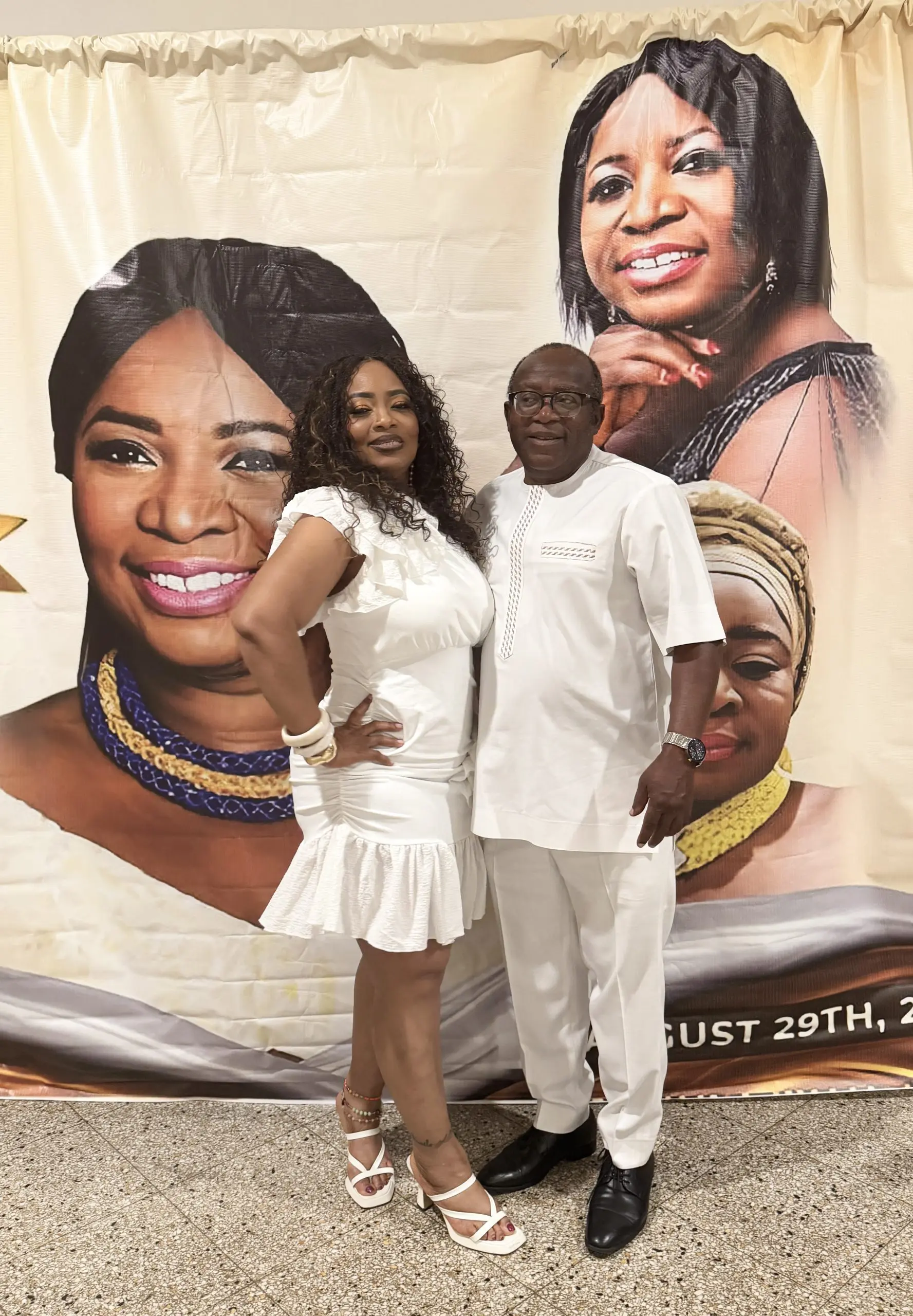
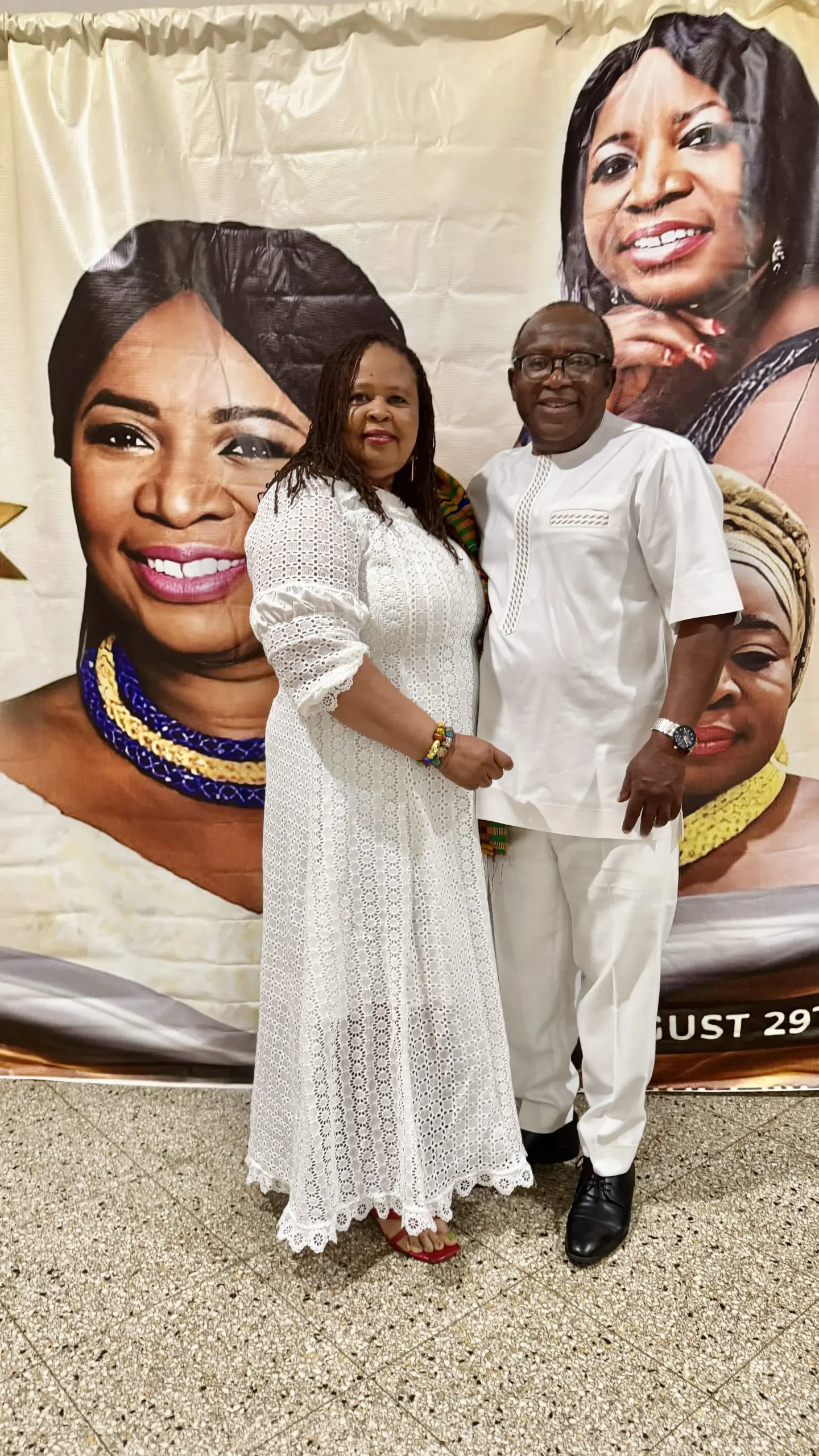
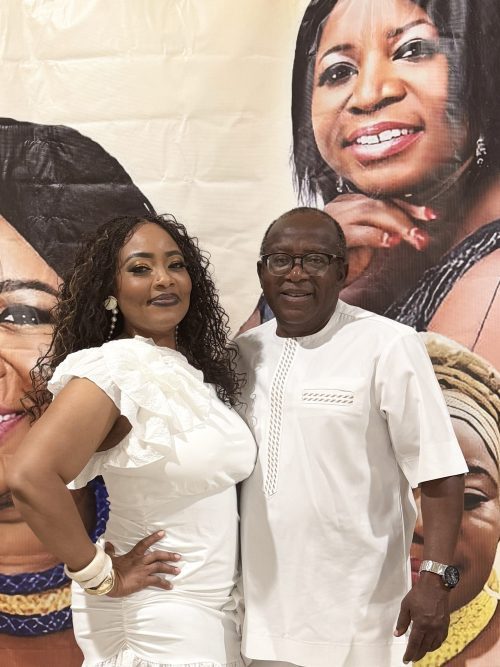
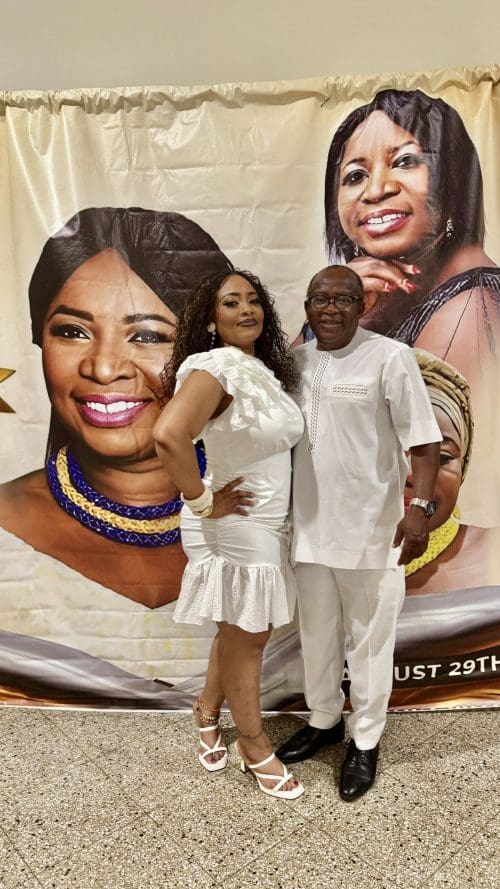
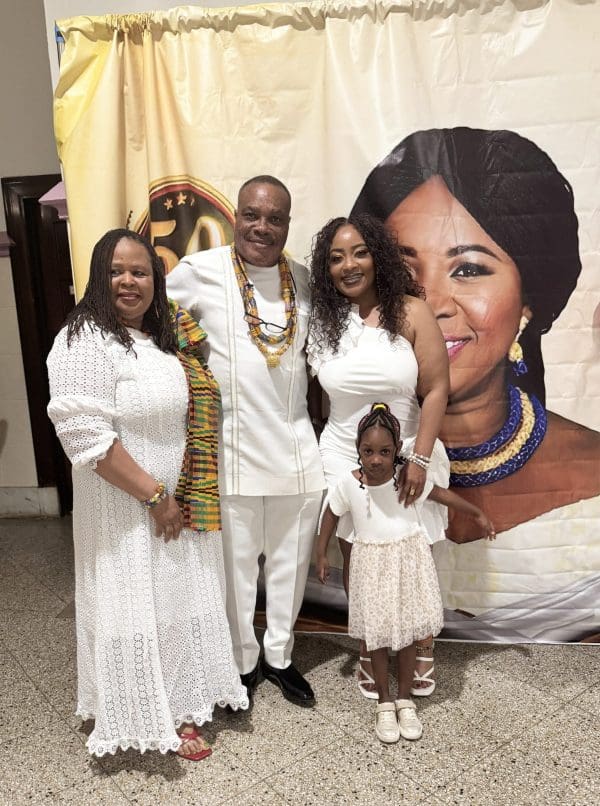
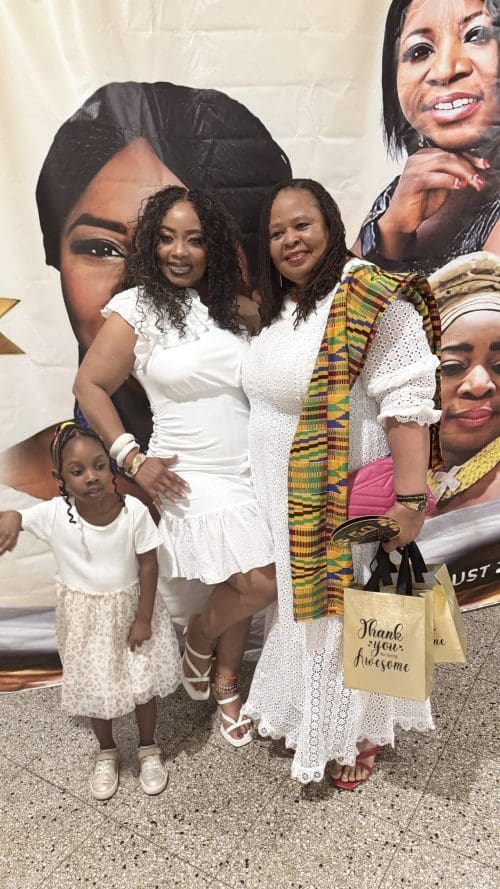
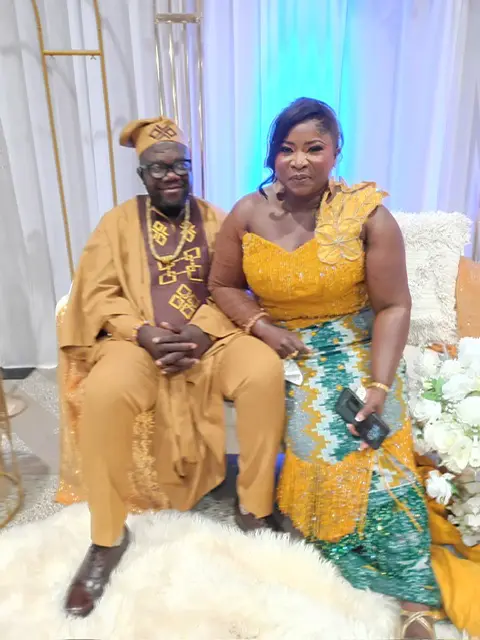
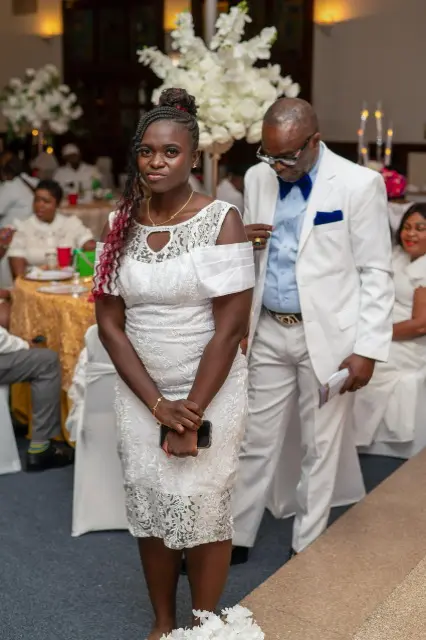
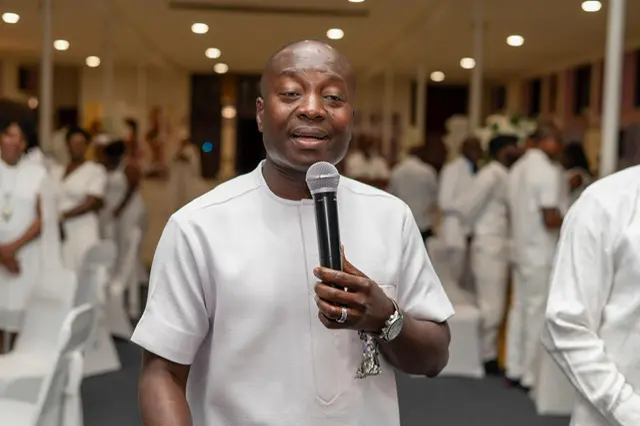
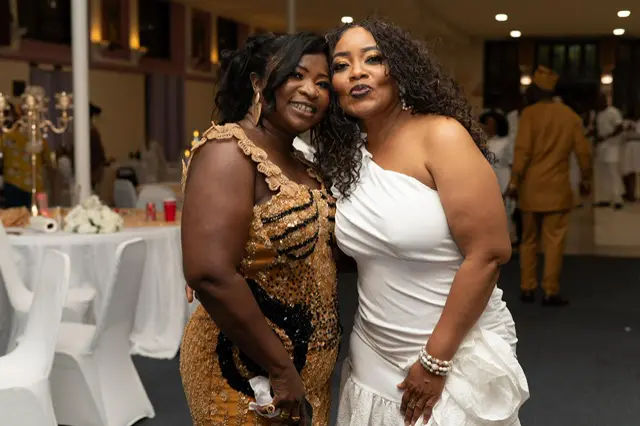
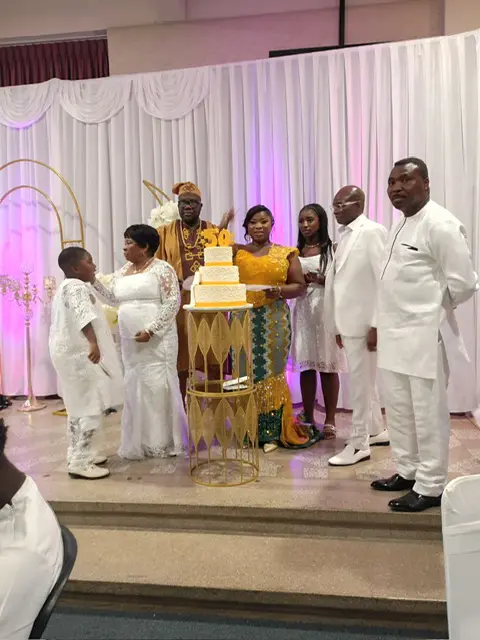
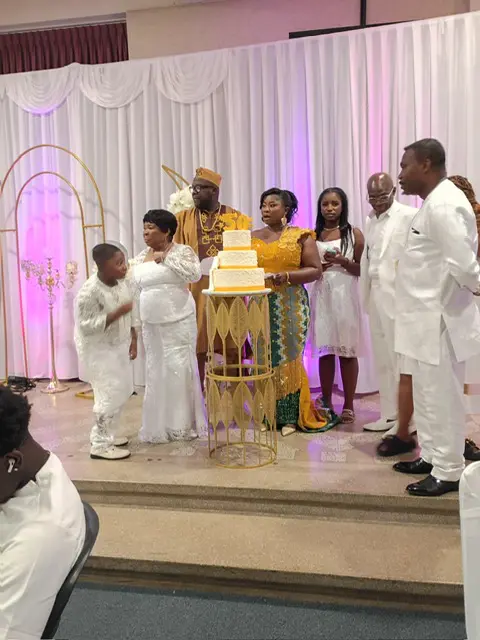
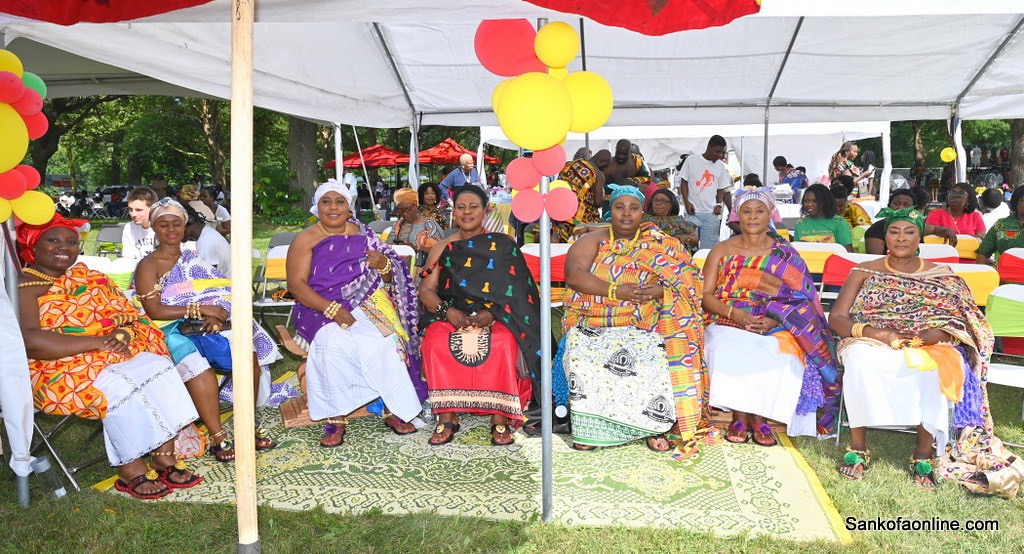
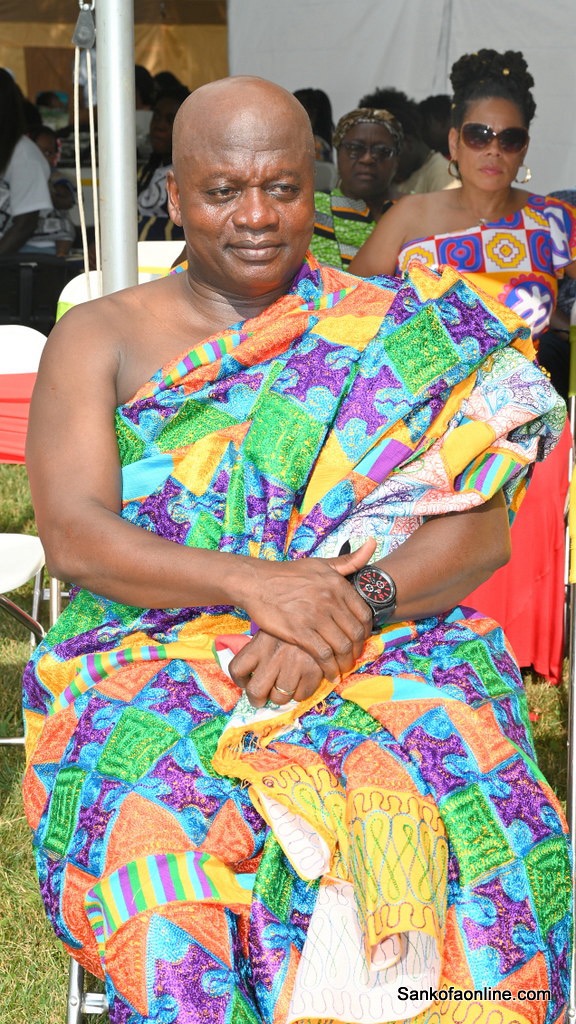
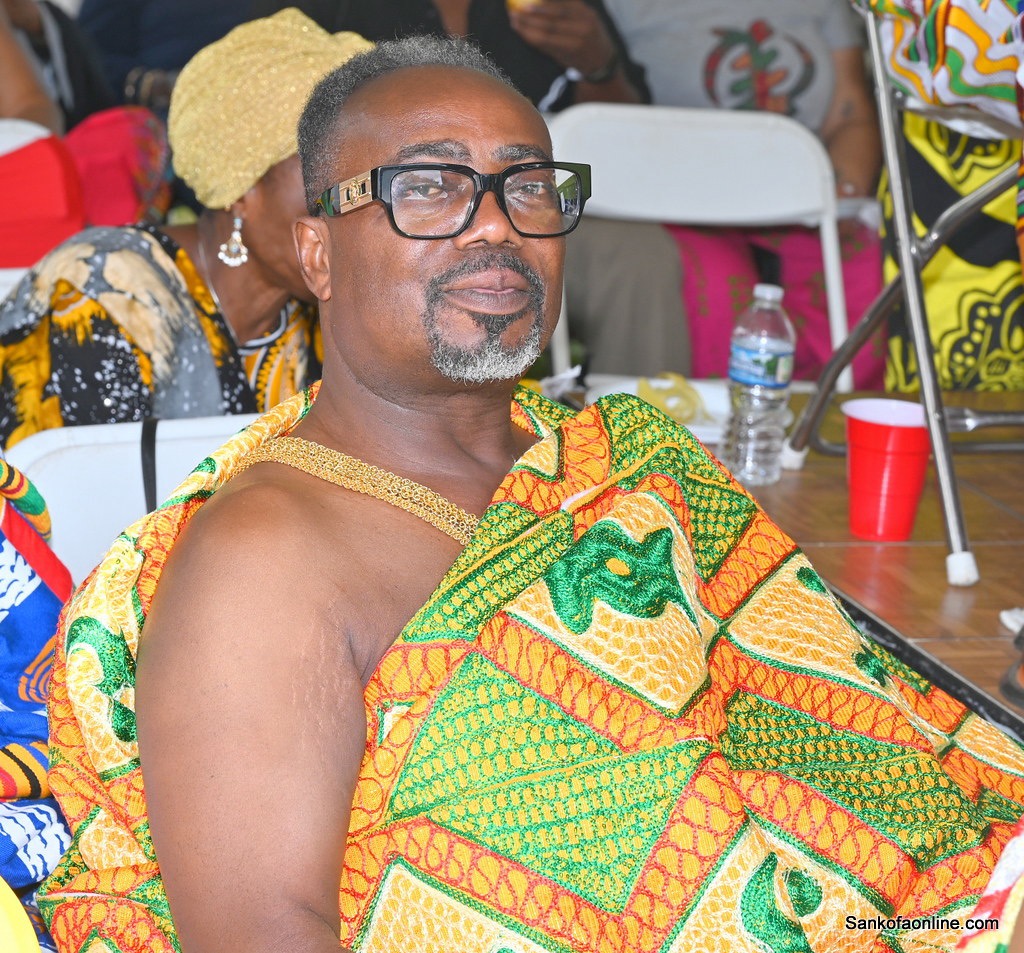
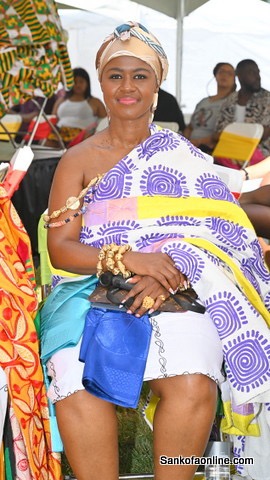
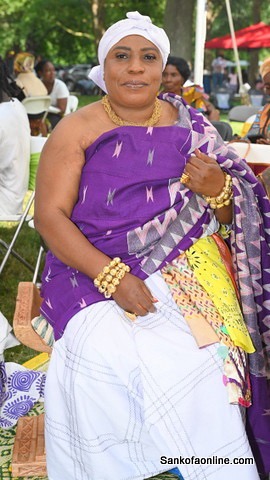
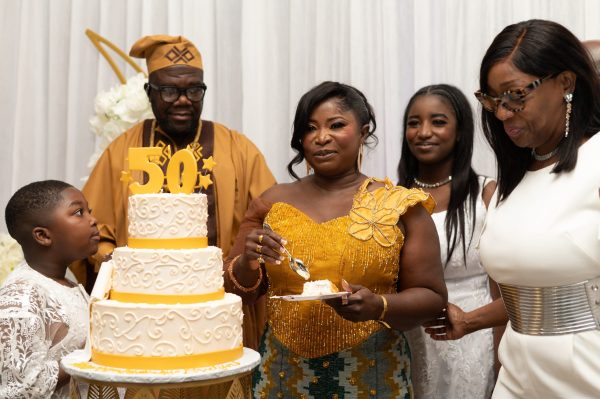
    Evelyn Adrah’s golden birthday was observed with the full dignity, reverence, and ceremonial splendor befitting a woman whose presence has long enriched Chicago’s Ghanaian community. The celebration, held at 450 East 78th Street, unfolded within a venue transformed into a stately tableau of white and gold. Soaring banners bearing her portraits framed the space with an air of regal solemnity.

    Guests traveled from New York, across the United States, and from Ghana itself, a testament to the breadth of her influence and the respect she commands across the diaspora.

    The event was anchored by three distinguished organizations, the Church of Pentecost, the Ewe Association of Chicago, and the Classic Ladies of Chicago; an all‑female association under the disciplined leadership of Founder and President, Jacqueline Adjeley.

    Their coordinated presence lent the evening a ceremonial gravitas, reflecting unity, decorum, and the enduring strength of Ghanaian womanhood in the diaspora.

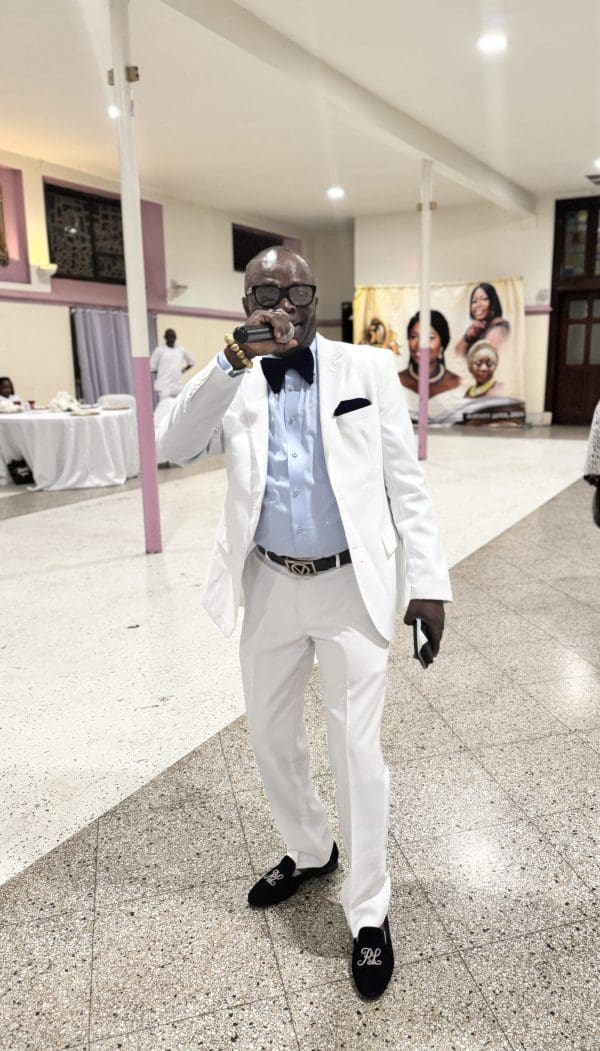
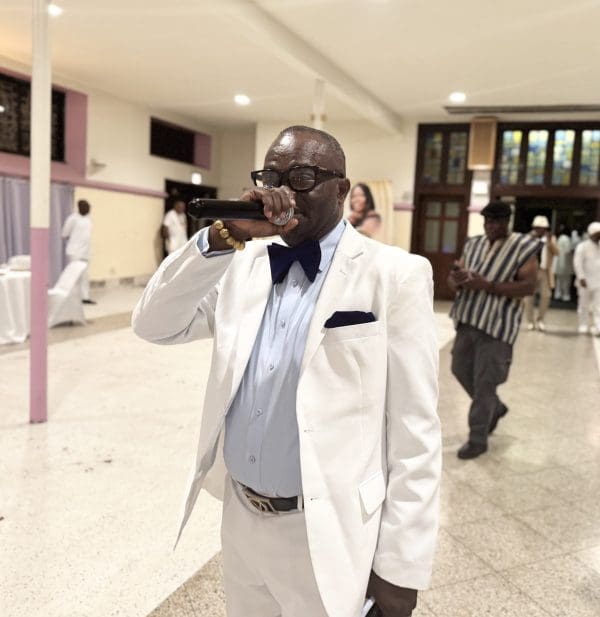
    A notable shift in atmosphere occurred when the legendary emcee, Nana Yaw Marfo, assumed the microphone. His prolonged absence from community engagements had been deeply felt, and his return was greeted with unmistakable admiration. With practiced authority and refined charisma, he guided nearly four hundred attendees through the evening’s proceedings, restoring a familiar sense of order and celebratory discipline.

    The ceremonial apex arrived with the grand entrance of the celebrant , who moved through the hall to the uplifting strains of “I Have a Very Big God,” accompanied by her family and flanked by the impeccably presented Classic Ladies. Her procession carried the solemnity of a cultural rite, prompting a collective moment of admiration and reflection.

    Tributes from her children and friends introduced a deeply emotional interlude, drawing visible sentiment from the audience.

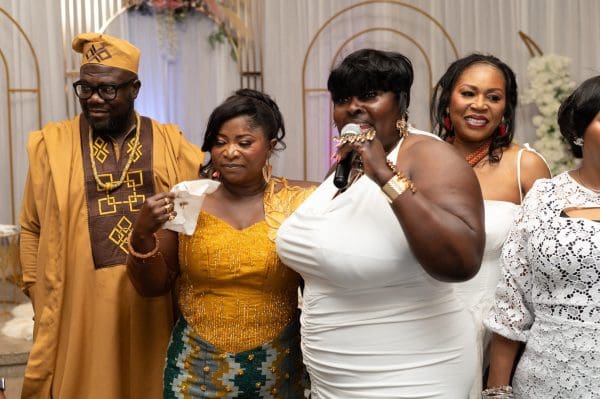
    The president of the Classic Ladies , Jacqueline Adjeley , later invited all present to rise and dance, restoring the celebratory rhythm while maintaining the evening’s dignified tone. Her group collectively honored the celebrant with gifts and generous financial offerings, upholding the longstanding tradition of communal support and ceremonial giving.

    Reverend Dzifanu Agbenya delivered a formal prayer over the birthday cake, invoking divine favor, health, and longevity as Evelyn enters her next chapter.

    The celebration continued into the night as DJ Teddy sustained the atmosphere with carefully curated selections, concluding an event marked by cultural dignity, ceremonial excellence, and unwavering community solidarity.

    Pictures : Credit Kevin Thywill Adjetey 
  • THE FOUR DOORS TO AMERICA: A COMPREHENSIVE EXPLANATION OF THE U.S. FAMILY‑BASED IMMIGRANT VISA SYSTEM

    THE FOUR DOORS TO AMERICA: A COMPREHENSIVE EXPLANATION OF THE U.S. FAMILY‑BASED IMMIGRANT VISA SYSTEM

    Sankofaonline News Desk

    For decades, America’s immigration system has rested on a foundational principle: family unity. The United States government recognizes that strong families build strong communities, and strong communities build a resilient nation. To uphold this principle, federal law provides two major categories of family‑based immigrant visas through which U.S. citizens and lawful permanent residents may bring relatives to live permanently in the country. These categories,Immediate Relative visas and Family Preference visas ,form the backbone of America’s family immigration programme.

    Immediate Relative Visas: The Uncapped Pathway

    Immediate Relative (IR) visas are the most straightforward and generous category. They are not subject to annual numerical limits, meaning visas are always available for eligible applicants. This category reflects the U.S. government’s highest priority: keeping nuclear families together.

    U.S. citizens may sponsor the following relatives under the Immediate Relative classification:
    IR‑1: Spouse of a U.S. citizen
    IR‑2: Unmarried child under 21 of a U.S. citizen

    IR‑3 / IR‑4: Orphan adopted abroad or to be adopted in the U.S.
    IR‑5: Parent of a U.S. citizen (the sponsoring citizen must be at least 21)

    Because these visas are uncapped, processing times depend largely on administrative workload rather than government‑imposed quotas.

    Family Preference Visas: Limited and Highly Competitive

    Family Preference visas are numerically capped each fiscal year. Demand far exceeds supply, creating long waiting periods,sometimes stretching into decades for certain countries and categories. These visas cover more extended family relationships and are divided into four tiers:

    F1: Unmarried sons and daughters (21 or older) of U.S. citizens
    F2A: Spouses and unmarried children (under 21) of lawful permanent residents

    F2B: Unmarried sons and daughters (21 or older) of lawful permanent residents

    F3: Married sons and daughters of U.S. citizens

    F4: Brothers and sisters of U.S. citizens (the sponsoring citizen must be at least 21)

    These categories are subject to strict annual caps and country‑specific limits, resulting in long queues for applicants from high‑demand countries.

    The Four Relatives U.S. Citizens Can Sponsor

    Under the federal family immigration programme, U.S. citizens can sponsor four broad categories of relatives for permanent residence:
    Spouses
    Children (minor or adult, married or unmarried depending on category)
    Parents
    Siblings

    These groups encompass both Immediate Relative and Family Preference classifications.

    Why the System Matters

    Family‑based immigration remains the largest and most stable pillar of U.S. immigration. It strengthens social cohesion, supports economic stability, encourages long‑term integration, and helps immigrant communities thrive across generations. For millions worldwide, these visa categories represent hope, opportunity, and the promise of rebuilding life with loved ones in America.

    Processing Realities

    While the legal categories are clear, the lived experience of applicants is shaped by lengthy backlogs, country‑specific demand, annual visa caps, administrative delays, and shifting policies across different administrations. Understanding the structure of the system helps families plan realistically and avoid misinformation.

    The Bottom Line

    The U.S. government’s reaffirmation of the four categories of relatives eligible for sponsorship underscores a long‑standing truth: family reunification remains a cornerstone of American immigration policy. Immediate Relative visas offer uncapped opportunities for the closest family members, while Family Preference visas—though limited—provide structured pathways for extended family.

  • Chicago Asantefuohene Leads Delegation as Ashanti Dynasty Marks First U.S. Akwasidae Celebration

    Chicago Asantefuohene Leads Delegation as Ashanti Dynasty Marks First U.S. Akwasidae Celebration

    Sankofaonline News Desk

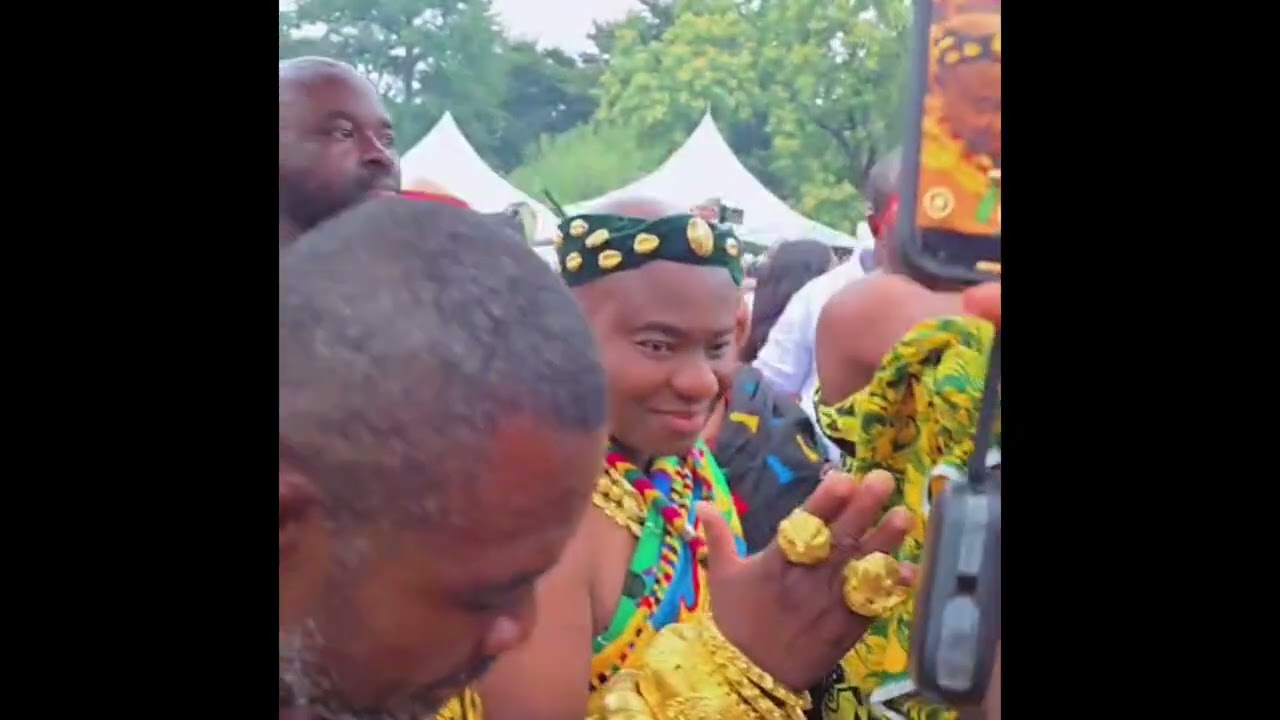
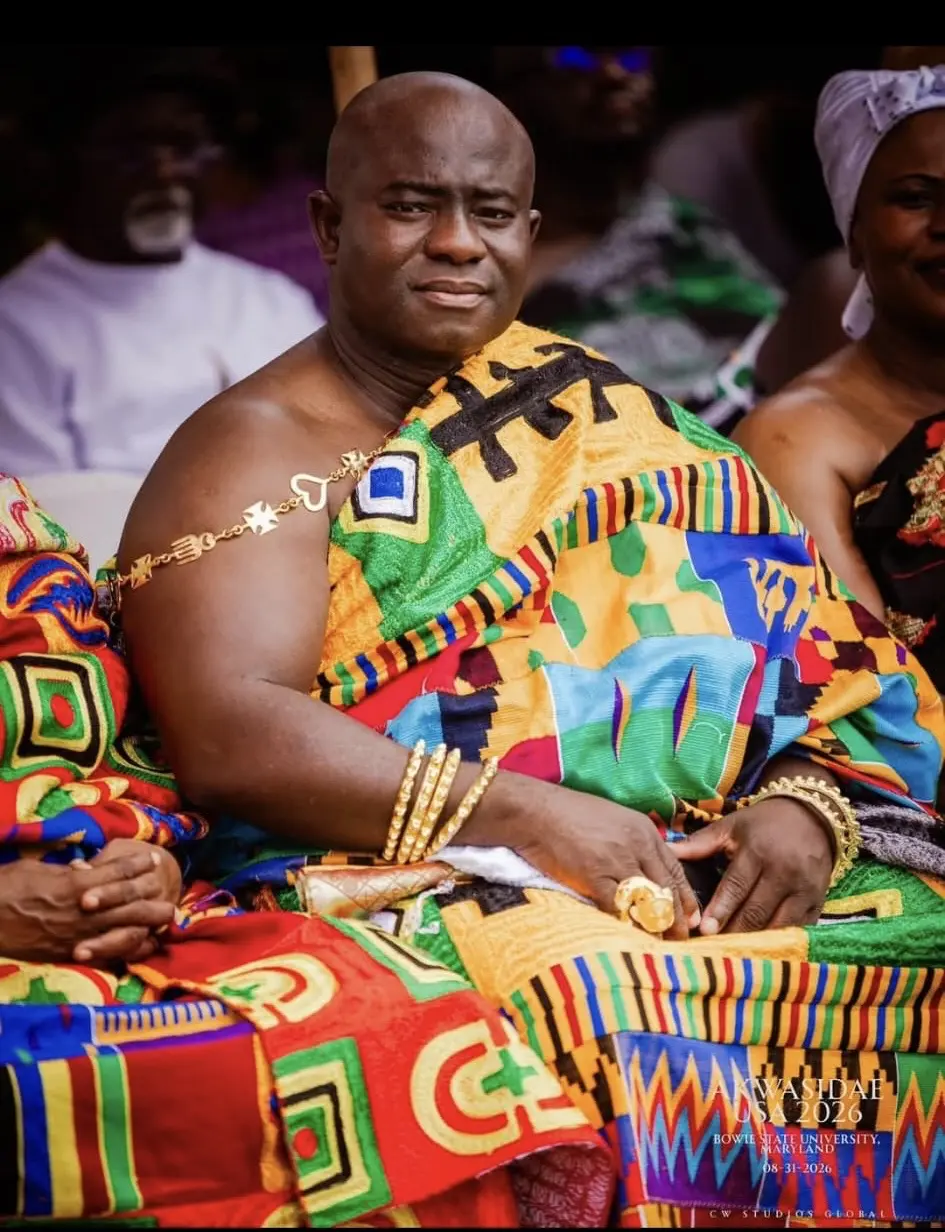
    Maryland, USA: History unfolded on American soil as the timeless majesty of the Ashanti Kingdom echoed across the grounds of Bowie State University, where His Royal Majesty, Otumfuo Osei Tutu II, presided over the first-ever Akwasidae festival celebrated in the United States. For the Ghanaian diaspora, it was more than an event , it was a cultural awakening, a royal proclamation, and a moment that stitched the heritage of Kumasi into the fabric of America.

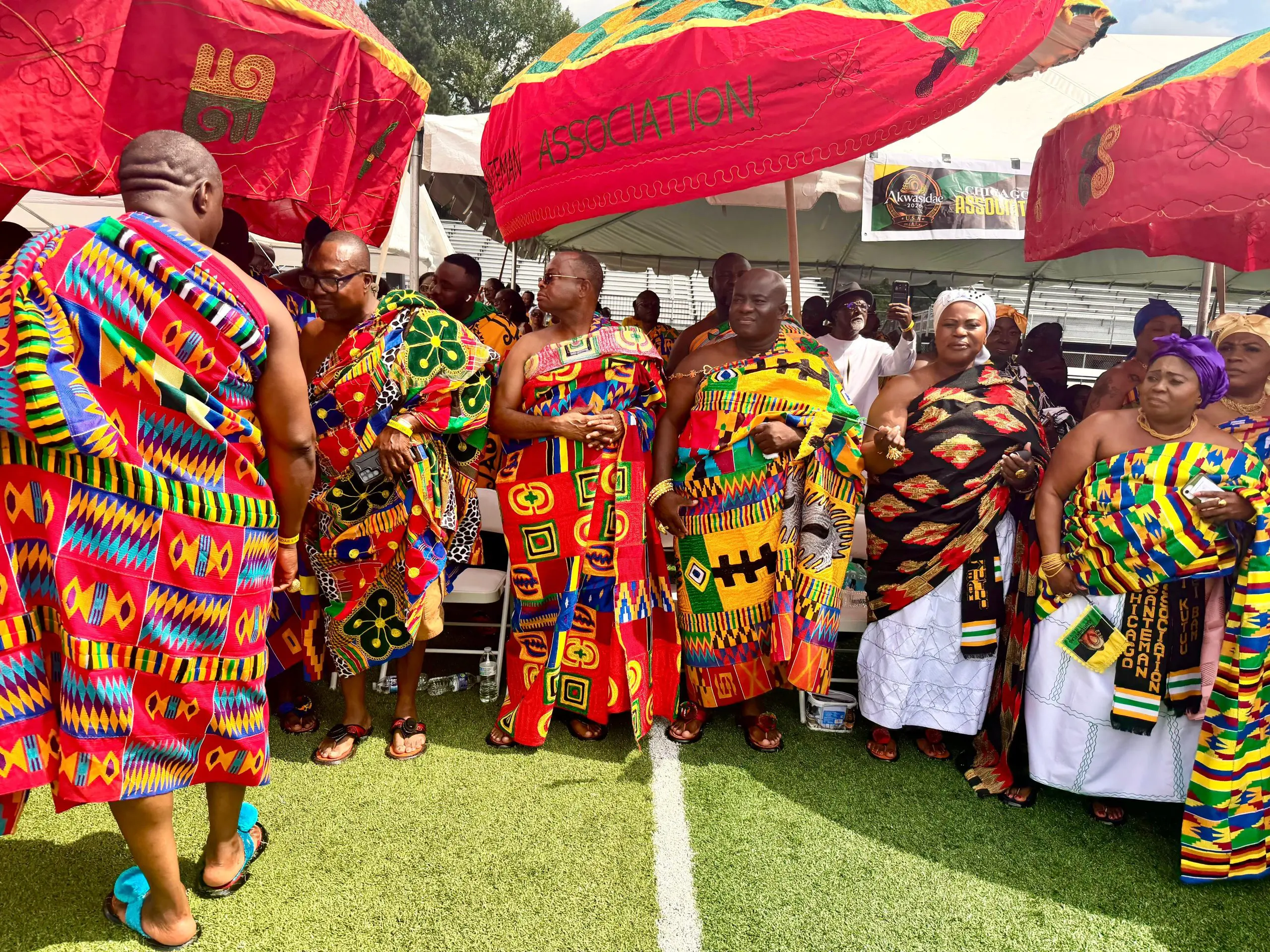
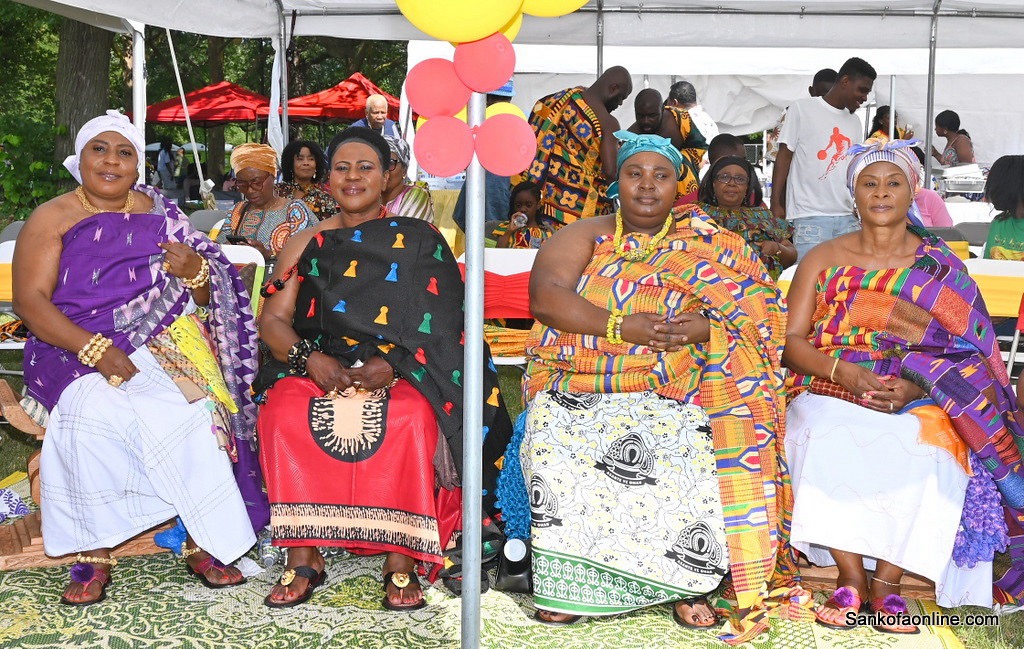
    At the heart of this historic celebration stood Nana Kwame Frimpong Abayie, the Chicago Asantefuohene, who led a distinguished delegation representing the Asante Association of Chicago. His entourage , composed of subchiefs, queen mothers, elders, and dedicated community members , arrived in Maryland draped in resplendent Kente and adorned with the gleaming gold regalia that symbolizes centuries of Asante sovereignty. Their presence added depth and dignity to a festival already rich with drumming, dancing, and the sacred rites that define Akwasidae.

    The Chicago delegation participated proudly among thousands of Asantes and well-wishers from across the world, all united by a shared reverence for the Golden Stool and the cultural legacy it embodies.

    The festival’s vibrant pageantry, performed far from its ancestral home, affirmed that the spirit of Asanteman remains unbroken , even across oceans.

    Beyond the public grandeur, the weekend carried moments of quiet royal diplomacy. Nana Kwame Frimpong Abayie was granted the honor of a private audience with Otumfuo Osei Tutu II at His Majesty’s majestic Maryland residence. In that solemn encounter, the Chicago chief paid homage to the King, reaffirmed the diaspora’s unwavering loyalty, and discussed the continued growth, unity, and welfare of Asantes across the United States.

    This landmark Akwasidae did more than celebrate tradition , it etched a new chapter in the history of the African diaspora, demonstrating that the authority, culture, and spiritual heartbeat of the Ashanti Kingdom transcend geography. Whether in Kumasi or Maryland, the legacy of the Golden Stool remains radiant, resilient, and revered.

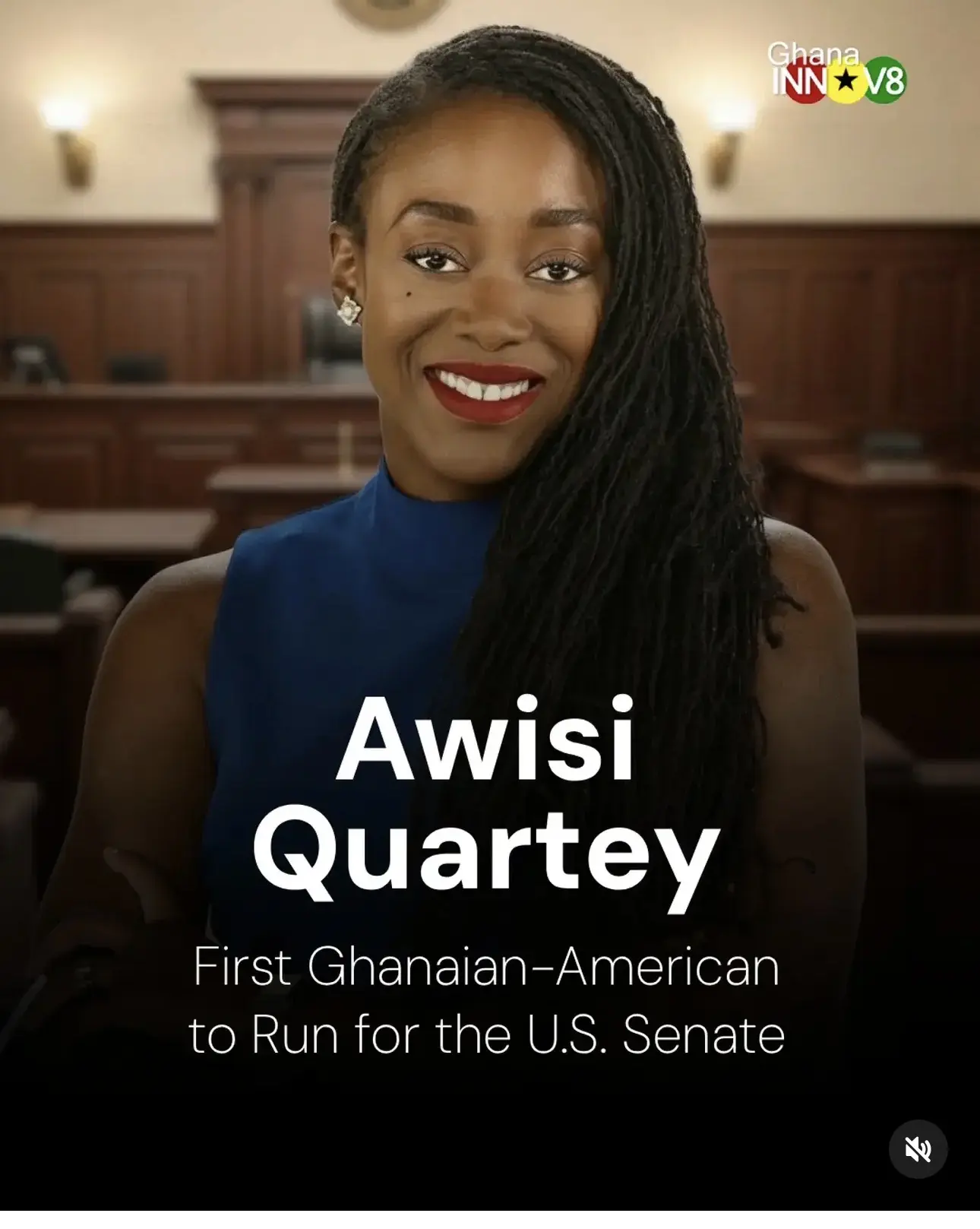
  • Awisi Quartey Bustos Represent the Bold Future Illinois Working Families Deserve
    Awisi Quartey Bustos Represent the Bold Future Illinois Working Families Deserve

    Sankofaonline Special Report | August 26, 2026

    In an era defined by rapid technological change, economic anxiety, and political cynicism, public service requires more than cautious incrementalism. It demands vision, lived experience, and what leader Awisi Quartey Bustos calls radical dreaming, the uncompromising belief that a state as rich in talent as Illinois should ensure every resident thrives, rather than merely survives.

    As a first generation Ghanaian American, legal scholar, and seasoned administrator, Awisi Quartey Bustos stepped into the federal political arena with a campaign grounded in real solutions for working families. Her bid for the United States Senate brought a transformative voice to the forefront, uniting executive discipline with a deep commitment to human dignity.

    Awisi’s journey is defined by cross cultural global perspective and public impact. The daughter of a Ghanaian diplomat whose work with the United Nations spanned multiple continents, she learned early in life how to listen, adapt, and build bridges across diverse communities.

    Her career spans over sixteen years of strategic leadership across state and federal government systems. She served as an aide and regional coordinator for United States Senator Dick Durbin, directly connecting federal policy with local community priorities across Northwest Illinois. She worked as Senior Policy Adviser at the Illinois Department of Human Services, co leading statewide initiatives focused on poverty elimination, violence prevention, and economic development. As Chief Executive Officer of the Illinois Alliance of Boys and Girls Clubs, she managed an eleven million dollar operational structure supporting sixty thousand youth across one hundred fifty nine sites, securing a historic four million dollar state appropriation in 2024 to expand youth programming.

    Awisi’s platform addressed the interconnected structural challenges facing urban, suburban, and rural Illinois communities alike.

    Her education plan sought to dismantle systemic inequities in Kindergarten through twelve grade funding while expanding post secondary access. She championed fair funding models that guarantee equitable resource distribution across every school district statewide. She advocated for expanded federal investment in community colleges, trade apprenticeships, and vocational training. She pushed for modernized classrooms equipped with up to date digital tools and dignified, competitive compensation for educators.

    To rebuild trust in public institutions, her governance agenda emphasized transparent and accountable leadership. She called for real time digital tracking of public spending to ensure strict fiscal transparency. She advanced structural federal ethics reforms designed to limit special interest influence and empower grassroots civic involvement.

    Recognizing the rapid shift toward automated and AI driven economies, Awisi introduced actionable policies to future proof Illinois workers. She proposed a National Workforce Innovation Fund to reskill workers in high growth fields such as cybersecurity, AI, and robotics. She prioritized closing the digital divide by expanding universal high speed broadband to rural and underserved communities. She supported worker retention incentives that encourage corporations to retrain incumbent workers rather than replace them.

    Awisi addressed the everyday cost of living pressures facing families across the state. She supported federal zoning incentives and targeted first time homebuyer grants to lower housing costs. She advanced comprehensive efforts to reduce prescription drug prices and protect high quality healthcare as a fundamental right. She championed policy protections for working parents, including paid family leave and accessible universal childcare.

    Her vision for safe and sustainable communities combined human centered investments with responsible regulatory guardrails. She advocated for strong gun laws alongside community led violence intervention networks. She supported humane immigration reforms that honor immigrant labor and strengthen Illinois’ agricultural and business sectors. She advanced ethical technology policies that protect individual privacy while anchoring foreign policy in international human rights.

    Awisi Quartey Bustos demonstrated what is possible when immigrant heritage, legal acumen, and proven administrative execution come together. Her campaign offered a powerful playbook for progressive, pragmatic leadership, proving that bold ideas and compassionate public service remain the truest path toward a better Illinois.

    For full campaign information, detailed policy documentation, and updates, visit the official candidate portal at Awisi Quartey Bustos Campaign Infrastructure.

  • THE GOLDEN ASCENT OF ASANTEMAN: A NEW ERA UNVEILED AT GHANAFEST 2026

    THE GOLDEN ASCENT OF ASANTEMAN: A NEW ERA UNVEILED AT GHANAFEST 2026

    A Special Sankofaonline Feature on the Rebirth of Royal Pageantry in Chicago’s Asantefuo Community

    The emergence of a new leadership in the Asanteman Association of Metropolitan Chicago and the Midwest is never a quiet transition. It is a cultural proclamation, a renewal of ancestral authority, and a vivid reminder that the soul of Asante civilization, its regal discipline, ceremonial splendor, and unmatched pageantry, remains unbroken across continents. This year, that proclamation echoed across Chicago with unmistakable force.

    Following their formal inauguration by Akyamfour Asafo Boakye Agyeman Bonsu, the Otumfuo Akwamuhene and Head of the Akwamu Division, the newly installed leadership of the Asanteman Association  made its first grand GhanaFest appearance at Washington Park on July 25, 2026. Their debut was more than a ceremonial participation: it was a powerful display of cultural authority, royal organization, and collective identity.

    A KING IN FULL STATE: THE FIRST SIGHTING OF NANA ABAYIE AT GHANAFEST GROUNDS

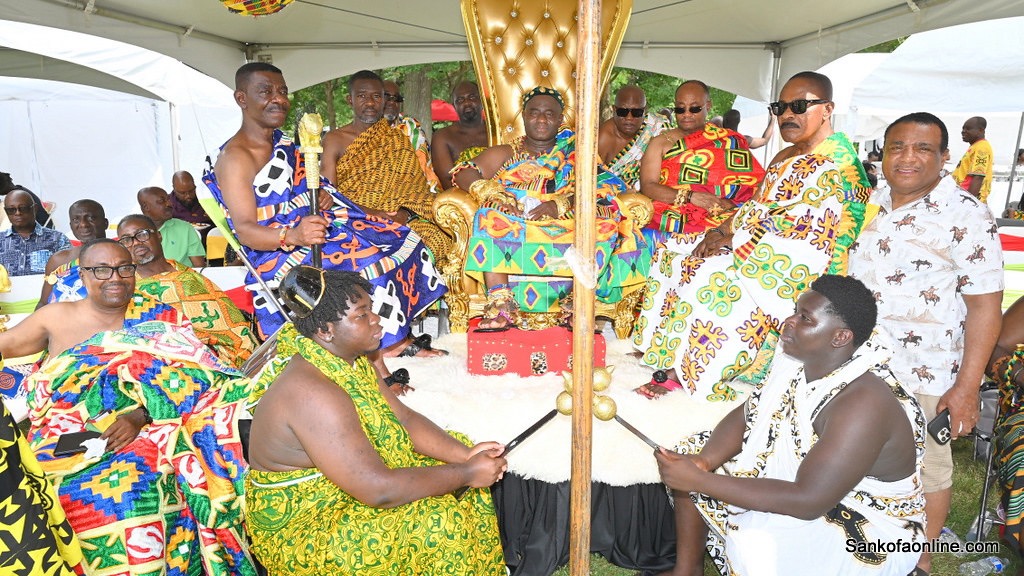
    The first wave of awe swept through the festival grounds when the new Asantefuohene of Chicago, Nana Abayie (Nana Kwame Frimpong), ascended and took his seat in state. In that instant, the stage on which he sat transformed into a miniature Manhyia, radiating an authority that was unmistakable. The throne, richly upholstered and emblazoned with gold motifs, stood as a powerful emblem of continuity, linking the historic Asante Kingdom to its vibrant diaspora.

    Nana Abayie sat draped in vibrant kente, woven in patterns reserved for leadership,bold greens, fiery reds, deep purples, and shimmering gold. His wrists, ankles, and fingers bore the weight of tradition: gold bracelets, rings, and anklets that spoke of lineage, responsibility, and divine sanction. His ceremonial sandals rested upon a royal footstool decorated with leopard-print patches, a symbol of courage and dominion.

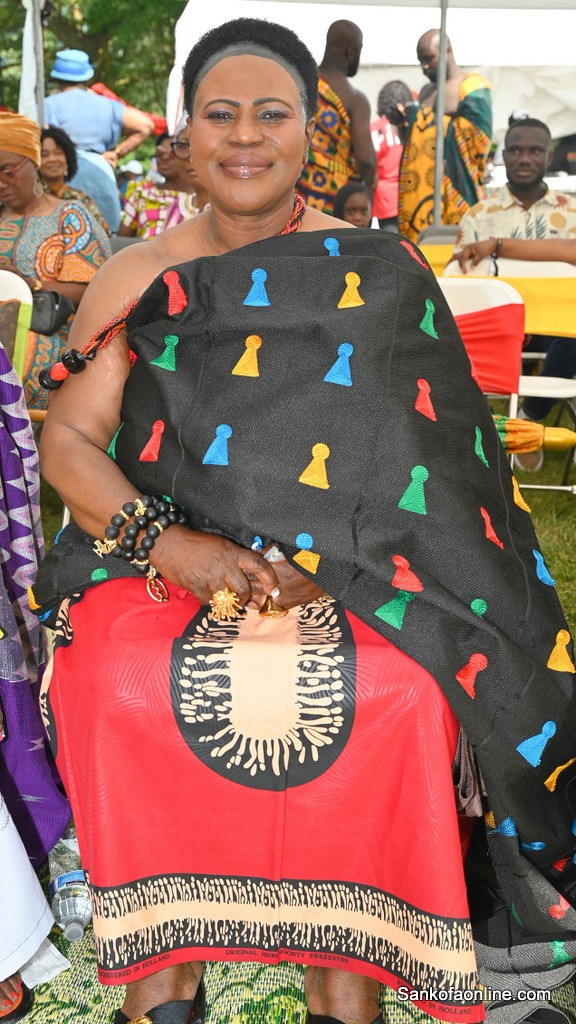
    Around him, his elders sat in disciplined formation. The subchiefs, wrapped in majestic kente, occupied their designated seats, forming a semi-circle of authority. The Queen and her sub-queens, resplendent in their own regalia, sat together in dignified elegance, completing the royal tableau. It was not just a seating arrangement, it was a living portrait of Asante governance.

    THE PROCESSION THAT STOPPED GHANAFEST

    Asanteman is globally recognized as one of the ethnic groups that showcase their culture with unmatched precision, and their procession at Ghanafest 2026 proved why.

    The DJ struck the fontomfromkete, and adowa rhythms with ancestral mastery. Chiefs rose, their umbrellas towering above them like floating crowns. The queen’s entourage moved with synchronized grace, each step echoing centuries of royal choreography.

    As they danced and performed around the festival grounds, the crowd joined instinctively, some out of reverence, others out of sheer admiration. As the group go round, other chiefs, queens, and their royal courts received the Asanteman delegation with warm greetings and ceremonial respect. Their gestures of welcome added another layer of dignity to the procession, turning the moment into a vivid exchange of culture, honor, and mutual recognition.

    YouTube player

    The Asanteman group did not merely walk; they glided, they commanded, they announced. Every gesture was deliberate. Every movement was a message. Every drumbeat was a reminder that Asante culture is not performed, it is lived.

    A CULTURAL MOMENT CAPTURED IN MEMORY

    The scenes from Ghanafest 2026 will remain etched in the minds of all who witnessed them:

    • A king seated in golden splendor, embodying the majesty of Kumasi thousands of miles away.

    • Elders in full regalia, their posture reflecting discipline and ancestral pride.

    • Subchiefs aligned like a council of sages, each representing a pillar of the community.

    • Queen and her sub-queens radiating grace, their adornments shimmering like the morning sun over Lake Bosomtwe.

    • A procession that moved like a river of color, kente flowing, gold gleaming, umbrellas swaying.

    These were not mere moments; they were cultural artifacts in motion.

    A NEW ERA FOR ASANTEMAN IN CHICAGO

    Ghanafest 2026 marked the beginning of a new chapter. The leadership installed by Akyamfour Asafo Boakye Agyeman Bonsu has already demonstrated that they understand the weight of their mandate. Their debut at Ghanafest was intentional, ceremonial, and deeply symbolic.

    They announced themselves not with speeches, but with culture. Not with noise, but with order. Not with presence alone, but with pageantry befitting Asanteman.

    Chicago has witnessed many Ghanafest celebrations, but this year’s Asanteman appearance will be remembered as one of the most organized, most regal, and most culturally electrifying.

    THE GOLDEN FUTURE AHEAD

    If Ghanafest 2026 is a sign of what is to come, then Asanteman in Chicago is entering a renaissance, a revival of disciplined leadership, a resurgence of cultural pride, and a restoration of royal pageantry that honors the Golden Stool and the legacy of Otumfuo Osei Tutu II.

    This is not just leadership. This is Asanteman reborn.