Category: General News

  • Bolgatanga : 8PM Events Ban Contradicts Mahama’s 24-Hour Economy Vision – Gabriel Agambila

    Bolgatanga : 8PM Events Ban Contradicts Mahama’s 24-Hour Economy Vision – Gabriel Agambila

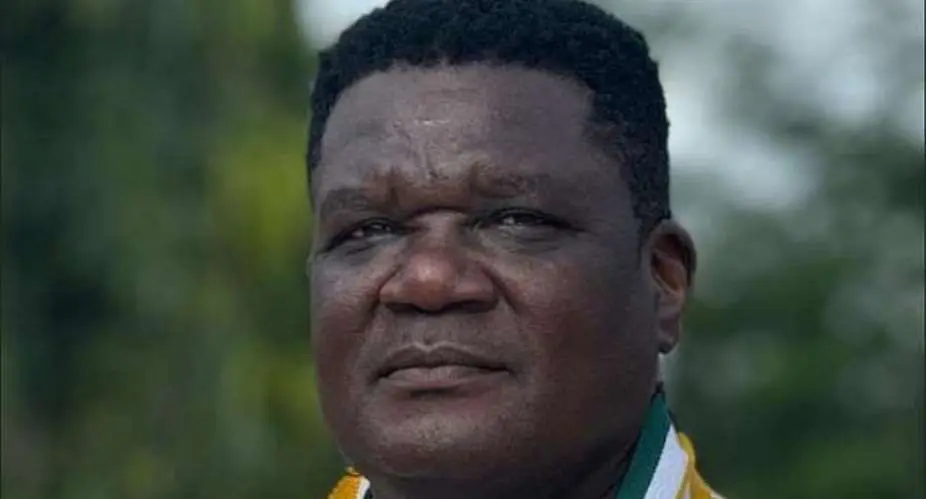
    Development advocate Gabriel Agambila has criticised the Bolgatanga Municipal Assembly’s decision to restrict certain social events from running beyond 8:00 p.m., arguing that the measure contradicts the broader objectives of the government’s 24-hour economy policy.

    Mr Agambila said the restriction, if strictly enforced, could undermine economic activities within the municipality and create public dissatisfaction with the government, particularly at a time when the administration is encouraging businesses and economic activities to operate beyond conventional daytime hours.

    His comments follow a decision by the Bolgatanga Municipal Assembly to impose an 8:00 p.m. deadline on passing-out ceremonies, graduation ceremonies and launching events held within the municipality.

    According to the Assembly’s Presiding Member, Lambert Akunzebe, the restriction forms part of revised municipal bylaws aimed at maintaining public order and addressing concerns associated with events that continue late into the night.

    The Assembly says organisers and venue owners who breach the regulation could face penalties, while repeat offenders could be prosecuted. The revised bylaws have reportedly been gazetted and are expected to be distributed to institutions, including the Ghana Police Service, the courts, the National Commission for Civic Education and traditional authorities, to facilitate enforcement.

    However, Mr Agambila believes the restriction sends the wrong signal at a time when the government is promoting an economy designed to function around the clock.

    He argued that events and entertainment-related activities are part of the local economy, providing income for event organisers, musicians, sound engineers, decorators, caterers, security personnel, transport operators, food vendors and other businesses.

    He therefore cautioned that restricting such activities to 8:00 p.m. could negatively affect people whose livelihoods depend on evening and night-time economic activities.

    “The government is talking about a 24-hour economy, but if people cannot organise legitimate events beyond 8:00 p.m., what message are we sending to the people?” Mr Agambila questioned.

    Ghana’s 24-hour economy policy is intended to create an enabling environment for businesses and public institutions to operate around the clock, with the policy framework envisaging three eight-hour shifts. It is aimed at boosting productivity, creating employment and expanding economic opportunities.

    The policy has since moved from a campaign proposal to an official government programme. President John Dramani Mahama assented to the 24-Hour Economy Authority Bill in February 2026, giving legal backing to the implementation of the initiative.

    The government has subsequently promoted 24-hour markets and other economic infrastructure as part of efforts to stimulate commercial activity beyond traditional working hours. President Mahama has said the initiative is intended to create jobs, increase productivity and ensure that economic activity continues around the clock.

    Mr Agambila said while maintaining public order and protecting residents from excessive noise and other disturbances were legitimate responsibilities of the Municipal Assembly, the solution should not necessarily be a blanket 8:00 p.m. deadline.

    He called for dialogue between the Assembly, event organisers, traditional authorities, security agencies, residents and other stakeholders to develop regulations that balance public safety with economic activity.

    According to him, mechanisms such as proper event permits, designated venues, noise-control measures, security arrangements and clear closing times could be considered instead of an outright restriction that could affect businesses and employment.

    He further warned that the policy could have political consequences for the government if residents perceive local government regulations as being inconsistent with the administration’s flagship economic agenda.

    Mr Agambila maintained that the government must ensure that policies implemented at the local level complement, rather than undermine, its national economic objectives.

    He urged the Bolgatanga Municipal Assembly to reconsider the restriction and engage stakeholders to find a more balanced approach that protects public order while allowing legitimate economic and social activities to thrive.
  • Ghana CID Boss Warns of Rising Cybercrime Driven by AI and Cryptocurrency

    Ghana CID Boss Warns of Rising Cybercrime Driven by AI and Cryptocurrency

    Sankofaonline Editorial Desk | September 2,2026

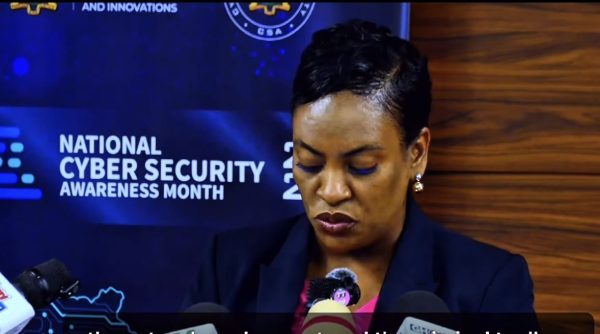
    ACCRA, Ghana — Ghana’s accelerating digital transformation, while unlocking major economic opportunities, is simultaneously fueling a surge in sophisticated cybercrime. This warning comes from COP Lydia Yaako Donkor, Director‑General of the Criminal Investigation Department of the Ghana Police Service, who addressed the media during the launch of the 2026 National Cyber Security Awareness Month.

    COP Donkor cautioned cybercriminals who believe digital platforms conceal their identities, stating, “Anonymity does not mean immunity.” Her remarks underscored a growing trend in which criminals exploit digital convenience to commit complex, borderless offenses.

    A Shift Toward Industrialized Digital Fraud

    Drawing from Interpol’s 2026 African Cyber Threat Assessment, COP Donkor revealed that artificial intelligence now drives approximately fifty‑five percent of reported cybercrimes across the continent. Financial losses linked to technology‑enabled crime have doubled to four hundred eighty‑four million dollars since 2024.

    Criminal networks, she noted, are systematically exploiting the speed and accessibility of modern digital services, including mobile money platforms, online banking, digital investment applications, and instant financial transfers.
    “Cybercrime is no longer merely isolated offending, it is increasingly an industrialized, borderless criminal ecosystem,” she stated.

    Tools once reserved for advanced threat actors, such as generative AI voice cloning, deepfake media, automated phishing schemes, and cryptocurrency movement, have become standard in organized fraud operations. Law enforcement agencies now confront expanding networks that rely on social engineering, stolen credentials, mule accounts, and malicious links to siphon and transfer illicit funds across borders before traditional systems can trace them.

    Expanding Law Enforcement Capabilities

    In response to the evolving nature of digital crime, the Ghana Police Service is restructuring its operational strategies. COP Donkor emphasized that digital artifacts are now treated as primary crime scenes.

    “A mobile phone can be a crime scene, a wallet transaction can become a lead, an IP log can connect events, and a social media account can expose a wider network,” she explained.

    To strengthen investigative capacity, the CID has decentralized specialized cybercrime investigators and digital forensic experts across police commands nationwide. The department has also integrated AI‑powered threat‑intelligence platforms to analyze complex digital evidence and identify criminal nodes more efficiently.

    Recent collaborative operations highlight this enhanced posture.


    Internationally, a joint crackdown with Interpol led to the arrest of sixty‑eight suspects, the seizure of eight hundred thirty‑five devices, and the recovery of a significant portion of more than four hundred fifty thousand dollars in stolen funds.

    Domestically, a joint raid with the Cyber Security Authority targeting a cyber fraud hub near Tema resulted in thirty‑nine arrests and the seizure of multiple digital devices.

    A Call for Collective Vigilance

    COP Donkor stressed that while law enforcement will continue strengthening digital forensics and international partnerships, technology alone cannot solve the problem. Protecting Ghana’s digital ecosystem requires a whole‑of‑society approach involving financial institutions, telecommunications firms, technology developers, and everyday citizens.

    She urged businesses and individuals using digital financial tools to pair convenience with heightened vigilance, reporting suspicious transactions immediately to curb the rapid spread of technology‑enabled fraud.

    For deeper context, you may explore AI‑driven cybercrime, cryptocurrency fraud trends, or Interpol cyber threat assessments.

  • NPA LEADS ENERGY GOVERNANCE DIALOGUE AS GOLD SPONSOR OF APSCA 2026

    NPA LEADS ENERGY GOVERNANCE DIALOGUE AS GOLD SPONSOR OF APSCA 2026

    National Petroleum Authority to lead Africa Energy Governance & Sustainable Development Forum at major Pan-African gathering in Accra

    ACCRA, GHANA — August 2026 — The National Petroleum Authority (NPA) has been named Gold Sponsor of the 7th Africa Public Sector Conference (APSCA 2026), taking a leading role in driving continental dialogue on energy governance, sustainability and effective regulation.

    APSCA 2026 will take place from 14–16 October 2026 at the Kempinski Hotel Accra, under the theme: “Governance 2030: Resilient Institutions for a Digital, Green & Secure Africa.”

    As Gold Sponsor, the NPA will lead the Africa Energy Governance & Sustainable Development Forum, bringing together policymakers, regulators, energy leaders and other stakeholders to examine how effective governance, regulation and investment can strengthen energy security and support Africa’s economic transformation.

    Discussions will focus on the intersection of energy security, infrastructure development, regulatory excellence, sustainability, digital transformation and citizen-centred governance.

    NPA CEO TO DELIVER OPENING KEYNOTE

    As part of the forum, the NPA Chief Executive, Mr. Godwin Kudzo Tameklo, Esq., will deliver an opening keynote address on:
    “Regulating for Growth: Strengthening Energy Governance and Building Citizen-Centred Public Institutions for Africa’s Future.”

    The session will explore how effective regulation, innovation, consumer protection, institutional collaboration and sustainability can strengthen public confidence and support economic growth.

    AFRICAN LEADERS SET TO CONVERGE IN ACCRA

    APSCA 2026 is expected to welcome more than 400 senior delegates from several African countries, including Ministers, Heads of Public Service, CEOs, Directors-General, policymakers, regulators, development partners and private-sector leaders.

    High-level participation has already been confirmed from Kenya, Nigeria, Botswana, Tanzania and Rwanda, with further delegations expected from across the continent.

    The Chief of Staff of the Republic of Kenya will lead the Kenyan delegation, while Prof. Nentawe Goshwe Yilwatda, National Chairman of Nigeria’s All Progressives Congress, will lead a delegation comprising Governors, Ministers, Directors-General, CEOs and senior government officials.

    ENERGY AT THE HEART OF AFRICA’S DEVELOPMENT

    The NPA’s leadership places energy governance at the centre of APSCA 2026’s broader conversation on building resilient institutions for a digital, green and secure Africa.

    Through the Forum, African policymakers, regulators and industry leaders will exchange experiences and explore practical approaches to strengthening energy systems, regulatory institutions and sustainable economic development.

    For the NPA, its role as Gold Sponsor provides an opportunity to demonstrate how effective regulation can support economic growth, institutional resilience and citizen-centred development, while positioning energy governance as a critical pillar of Africa’s next phase of transformation.

  • Ayariga Backs Polluter-Pays Principle as Accra Tour Exposes Waste Management System Gaps

    Ayariga Backs Polluter-Pays Principle as Accra Tour Exposes Waste Management System Gaps

    Newly appointed Minister for Local Government, Chieftaincy and Religious Affairs, Hon. Mahama Ayariga, has called for a major overhaul of Ghana’s waste management system to improve waste collection, transportation, treatment and final disposal across the country.

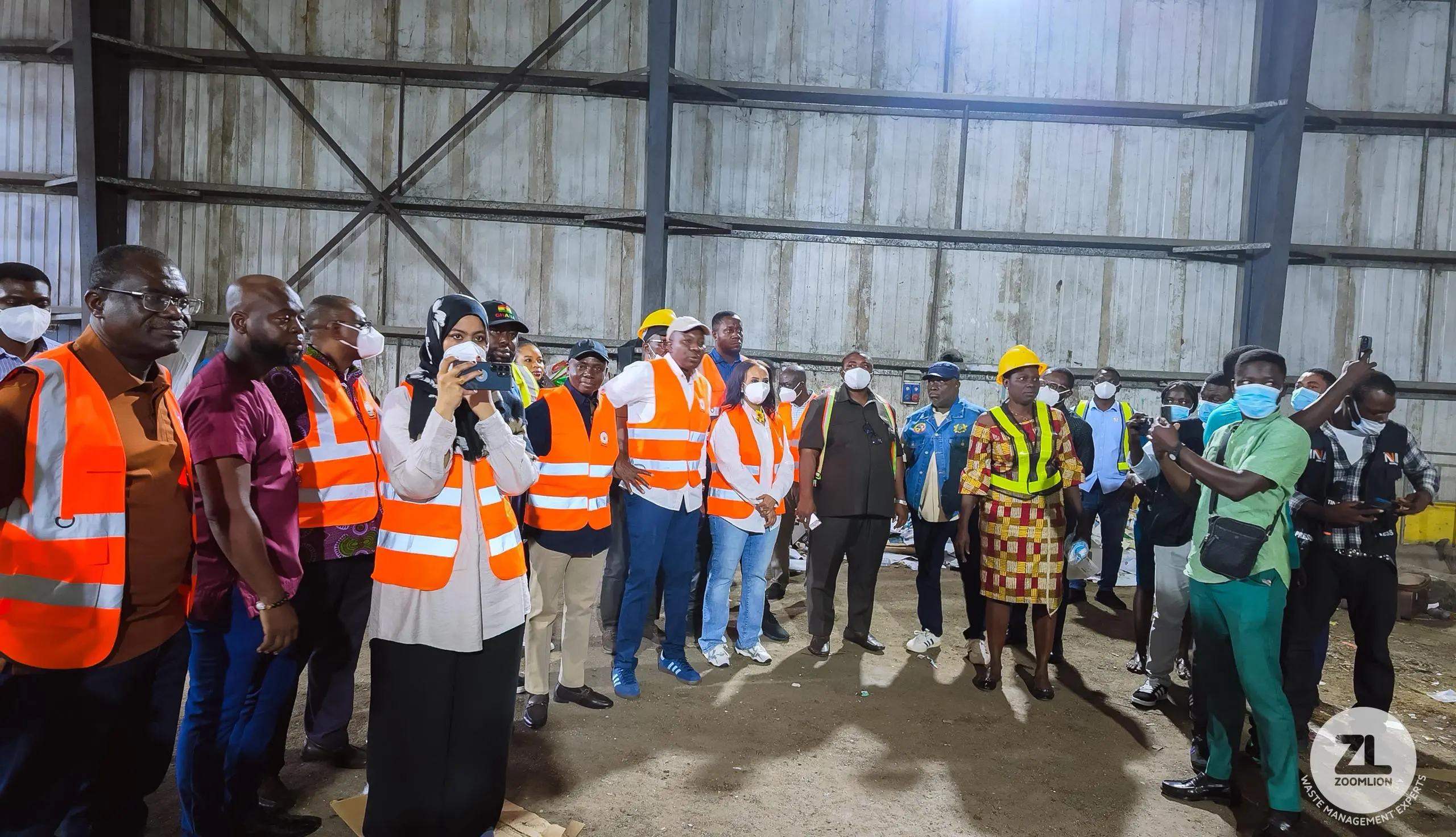
    Hon. Ayariga made the call on Tuesday, September 1, during a tour of key waste management facilities in the Greater Accra Region, including the Accra Compost and Recycling Plant (ACARP), Achimota Waste Transfer Station and Jamestown Waste Transfer Station, all subsidiaries of the Jospong Group of Companies (JGC), as well as the Kpone landfill site.

    The tour, which included officials of the Arab Bank for Economic Development in Africa (BADEA), formed part of the Minister’s early engagements to assess gaps within the waste management value chain and explore investment opportunities to strengthen Ghana’s sanitation infrastructure.

    He was accompanied by the Mayor of Accra, Michael Allotey, officials of the Ministry of Local Government, Chieftaincy and Religious Affairs, representatives of the Accra Metropolitan Assembly (AMA) and other dignitaries.

    Hon. Ayariga intimated that what he had seen during the tour showed the need for a comprehensive review of the entire waste management chain.

    “I decided to wake up early this morning with some of our prospective partners and my team from the Ministry of Local Government, Chieftaincy and Religious Affairs to go around the city and see how our waste is being managed,” he said.

    “There are clearly a lot of gaps in terms of the systems that we have for collecting and managing waste,” he averred.

    Waste separation
    According to the Minister, the problems begin from households, where waste is often mixed instead of being segregated at the source.
    He said the government would have to work towards introducing systems that would encourage households to separate waste and provide appropriate bins and receptacles.

    “From the homes where the waste is generated, we don’t separate them. We must put in place a system for separating it right from the homes,” Mr Ayariga said.
    “We must have receptacles and waste bins so that it is easier to convey the waste from there,” he added.

    He also called for improvements in the transportation of waste, saying transfer stations should be located closer to communities to reduce the distance trucks have to travel.

    “We must overhaul the system of transporting the waste to the transfer stations. We must bring the transfer stations closer to our communities. And then we must bring the treatment centres and the composting centres also closer to our cities,” he said.

    Mr. Ayariga said the technology and infrastructure needed to improve waste management were already available, adding that the major challenge was organising the system properly.
    “The infrastructure, the technology to do all this is available. A lot of it is organisational,” he said.

    Seeking investment
    He also noted that the tour would provide important information for the government as it plans to mobilise investment for the waste management sector.

    He disclosed that he was touring the facilities with the Vice President for Operations and Secretary General of the Arab Bank for Economic Development in Africa (BADEA), Dr. Fatima Elsheikh, as part of efforts to explore possible financing for waste management infrastructure.

    “This will serve as the basis for planning and seeking investment,” Mr Ayariga said.

    He said the government was interested in mobilising resources to invest in the entire waste management chain, from collection and transportation to treatment and recycling.

    According to him, the problems observed in Accra were likely to exist in other major cities across the country.
    “What we’ve seen here, I believe, is just a microcosm of the infrastructure across the country. It’s not any different if you go to Kumasi or you go to Takoradi or any other major city. It’s the same thing that you will see,” he said.

    Polluter-Pays Principle
    Against the backdrop of the above, Hon. Ayariga appealed to residents to take responsibility for the cost of managing the waste they generate.

    He said the government would apply the polluter-pays principle, under which individuals and properties that generate waste should contribute fairly towards its management.

    “I believe in the principle of the polluter pays. If you pollute, you pay for the management of the pollution,” he said.
    “Every property must pay its fair share of the cost of managing the waste,” he stressed.

    However, Hon. Ayariga assured residents that the government would work to make the system more efficient and reduce the cost of waste collection for households.

    He said inefficiencies in the current system, including the long distances waste trucks travel and the high operating costs faced by private waste collectors, contribute to the high fees paid by households.
    “If we organise it well, we could reduce the cost per household of waste management by even 50 percent,” he said.
    “The reason why it is so high…is because the system is not being efficiently managed,” he noted.

    He added that the government would ensure accountability and transparency in the use of funds mobilised for waste management.
    “We promise to be accountable. We promise to be efficient. We promise to be transparent, so that you see exactly how your resources are being used,” he said.

    BADEA Support
    The Vice President for Operations and Secretary General of BADEA, Dr. Fatima Elsheikh, said she was impressed by the government’s determination to improve waste management in Ghana.

    She said waste management should not be viewed only as an environmental challenge but also as an opportunity to create jobs, improve livelihoods and support economic development.
    “I think what I saw today is inspiring. Waste is not about actual waste. It’s actually about employment opportunities that it gives to people, livelihood,” she said.

    Dr. Elsheikh said a cleaner Accra would also improve the city’s attractiveness as an important African business and economic hub.
    “Accra is not the capital of Ghana only. It’s one of the hubs of Africa,” she said.

    She pledged her bank’s willingness to support Ghana’s efforts to improve the waste management sector.
    “We’ll be happy to contribute as a development bank,” she said, adding that BADEA would be ready to work with the government on the journey towards a more sustainable waste management system.

  • COCOBOD SETTLES GH¢2.3 BILLION, COMPLETES 2026 DDEP BOND OBLIGATIONS

    COCOBOD SETTLES GH¢2.3 BILLION, COMPLETES 2026 DDEP BOND OBLIGATIONS

    PRESS RELEASE

    GHANA COCOA BOARD
    Date: 1st September 2026
    FOR IMMEDIATE RELEASE

    The Ghana Cocoa Board (COCOBOD) wishes to inform bondholders, investors, cocoa industry stakeholders, and the general public that it has settled an amount of GHS2,306,202,372.09, completing its mandatory payment obligations to holders of bonds affected by the Domestic Debt Exchange Programme (DDEP) for the year 2026.

    Earlier in March 2026, a coupon amount of GH¢376,325,910.09 was paid, bringing the total amount paid by COCOBOD to DDEP bondholders in 2026 to GH¢2,682,582,282.18.

    This follows the full settlement of GH¢162 million in July 2026 to holders of Cocoa Bills who did not participate in the DDEP. The settlement brought COCOBOD’s outstanding obligations to the affected non-DDEP Cocoa Bill holders to a close.

    Taken together, these payments demonstrate the Board’s commitment to responsible financial management and the systematic settlement of its financial obligations as part of the broader effort to strengthen the financial sustainability of Ghana’s cocoa sector, under the guidance of the Ministry of Finance.

    ISSUED BY:
    PUBLIC AFFAIRS DEPARTMENT

    For more information, please contact the Public Affairs Department, Ghana Cocoa Board
    Office Direct Line: (0302) 66-17-66 | E-mail: public_affairs@cocobod.gh