Category: Diaspora News

  • Otumfuo’s U.S. Visit Erupts Into History With Pride: The First‑Ever Akwasidae on American Soil and a Diplomatic Tour That Shook the Diaspora

    Otumfuo’s U.S. Visit Erupts Into History With Pride: The First‑Ever Akwasidae on American Soil and a Diplomatic Tour That Shook the Diaspora


    Source: Sankofaonline Special News Coverage

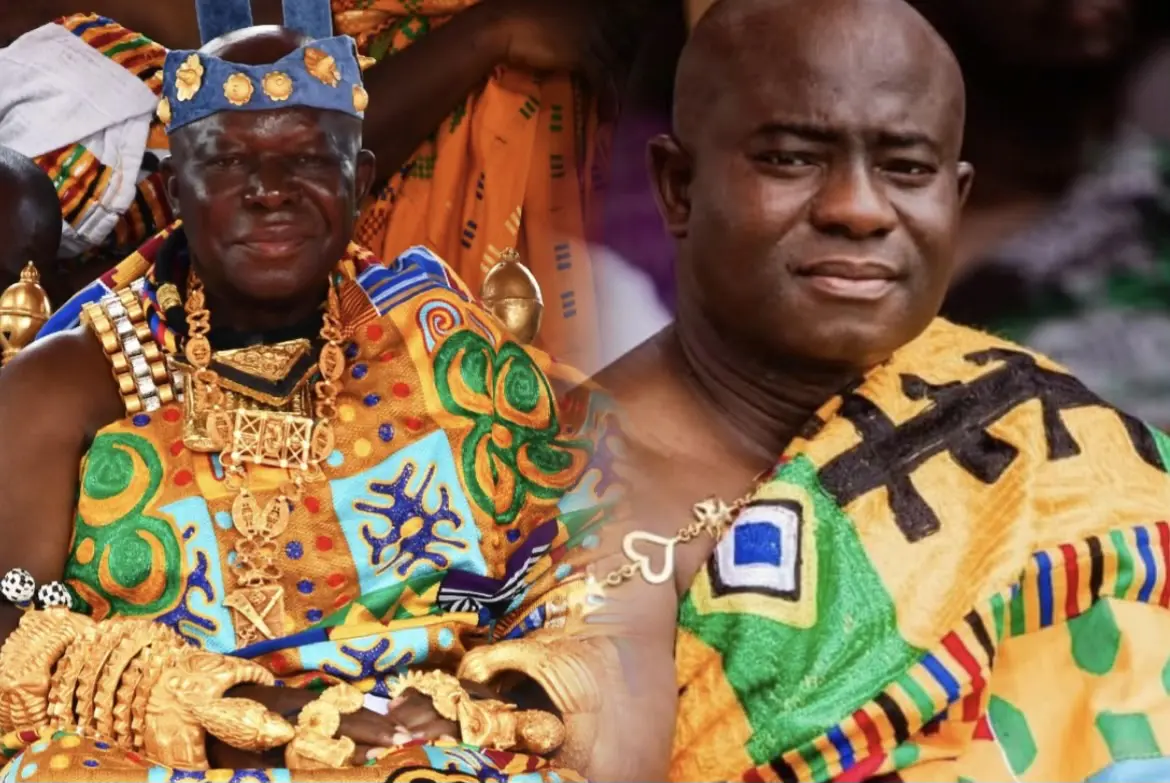
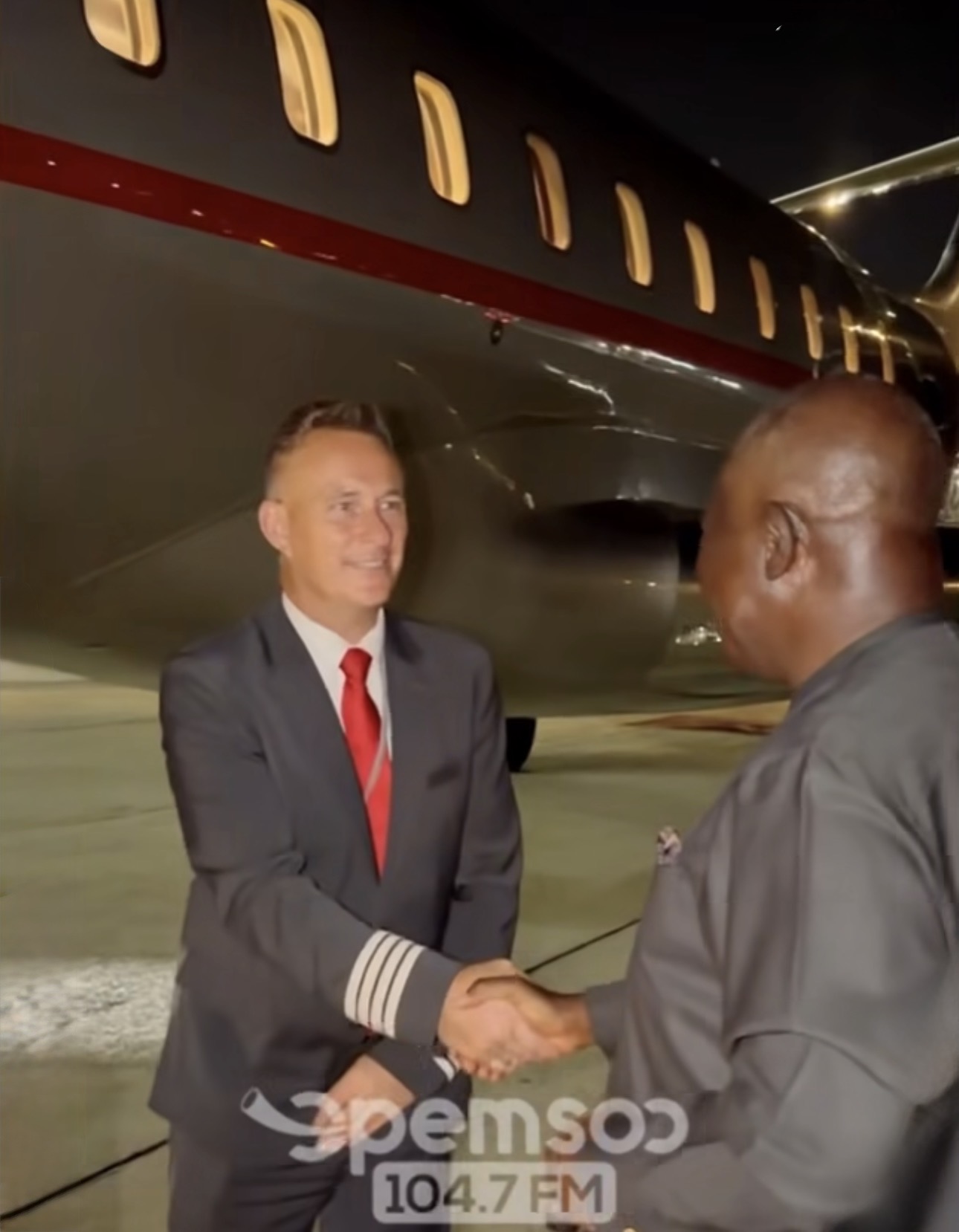
    His Majesty Otumfuo Osei Tutu II, Asantehene, has departed the United States after a week‑long official visit that will be remembered as one of the most consequential, electrifying, and culturally seismic moments in the history of the Ghanaian diaspora. Seen off by Ghana’s Ambassador to the United States, HE Victor Smith, the Asantehene’s exit marked the close of a mission that blended diplomacy, cultural power, and global influence in a way America has never witnessed from any African traditional leader.
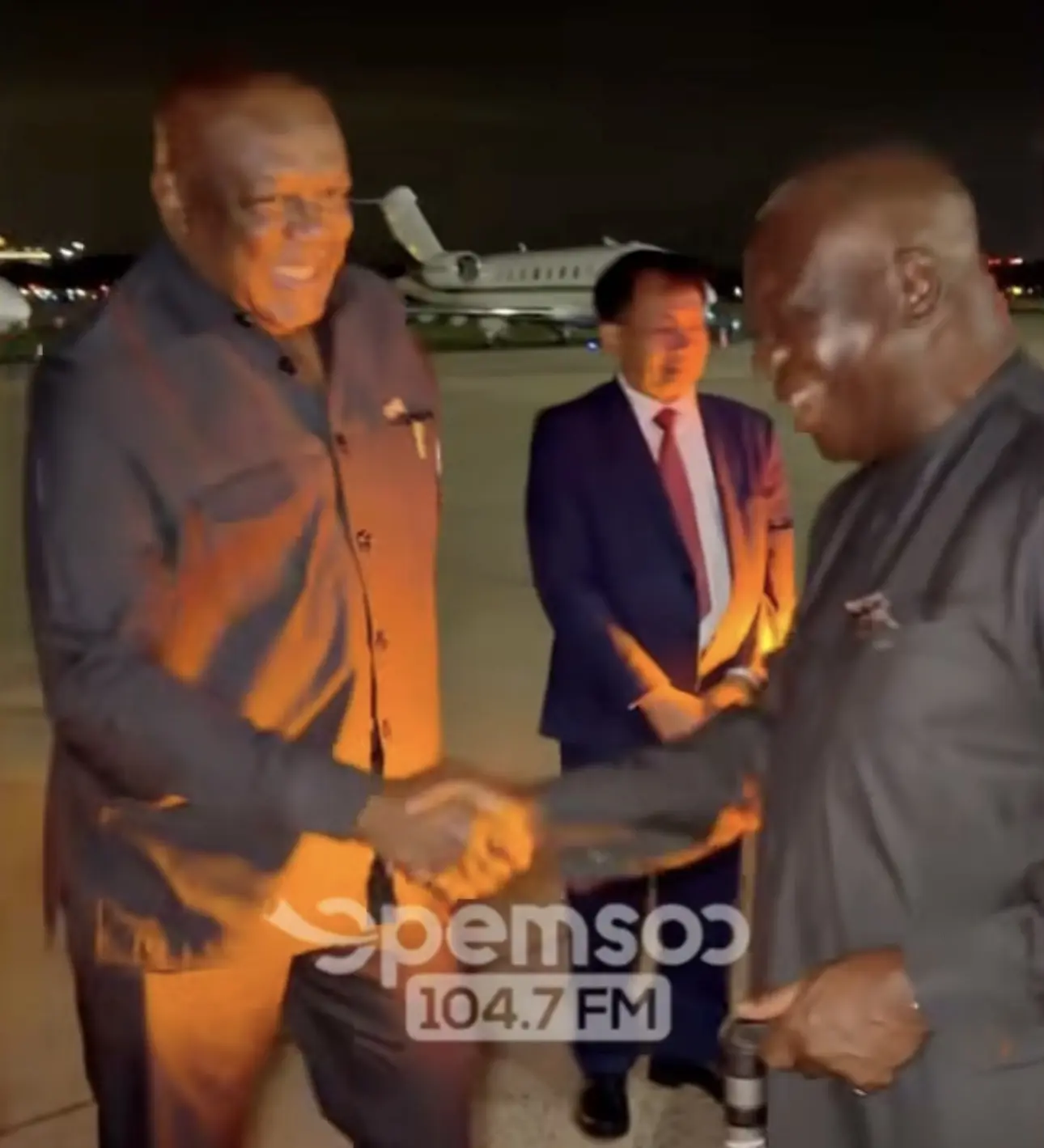
    For seven days, the United States did not merely host a King , it hosted the living embodiment of Asante sovereignty, history, and intellectual force. And at the center of this monumental visit was an achievement that will echo for generations: the first successful celebration of Akwasidae on American soil.

    The Akwasidae Kɛse at Bowie State University was not just an event; it was a cultural earthquake.

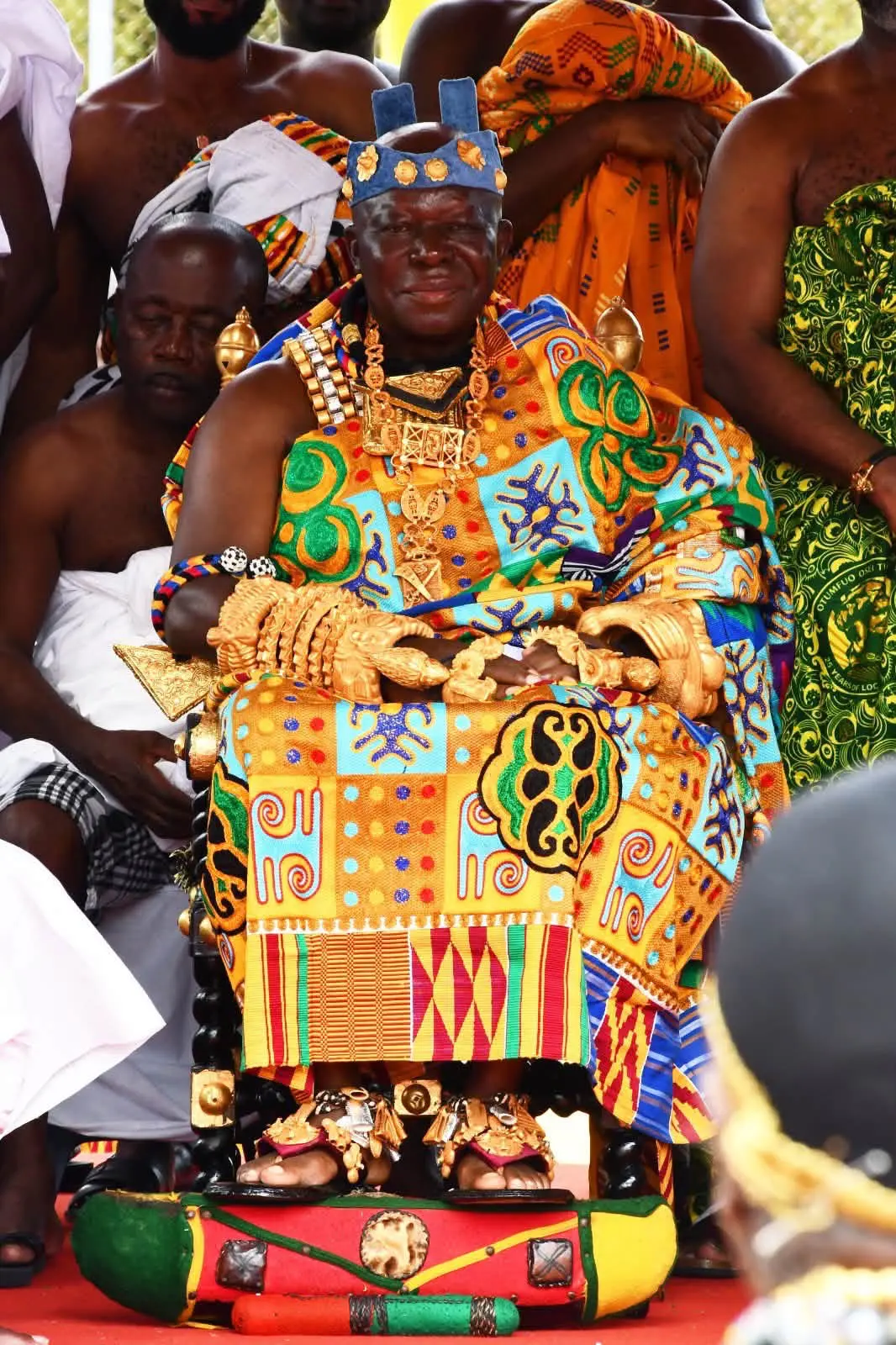
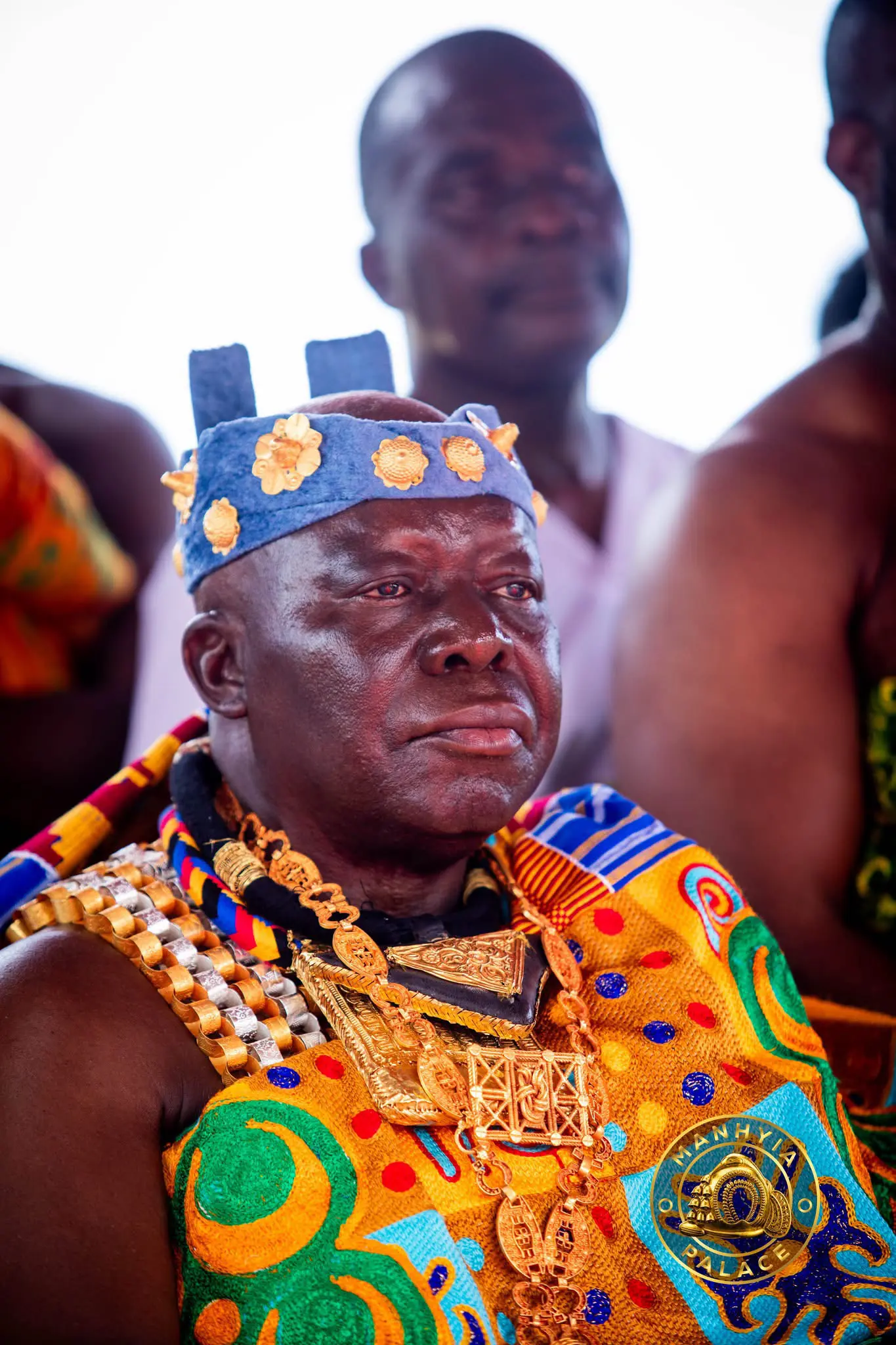
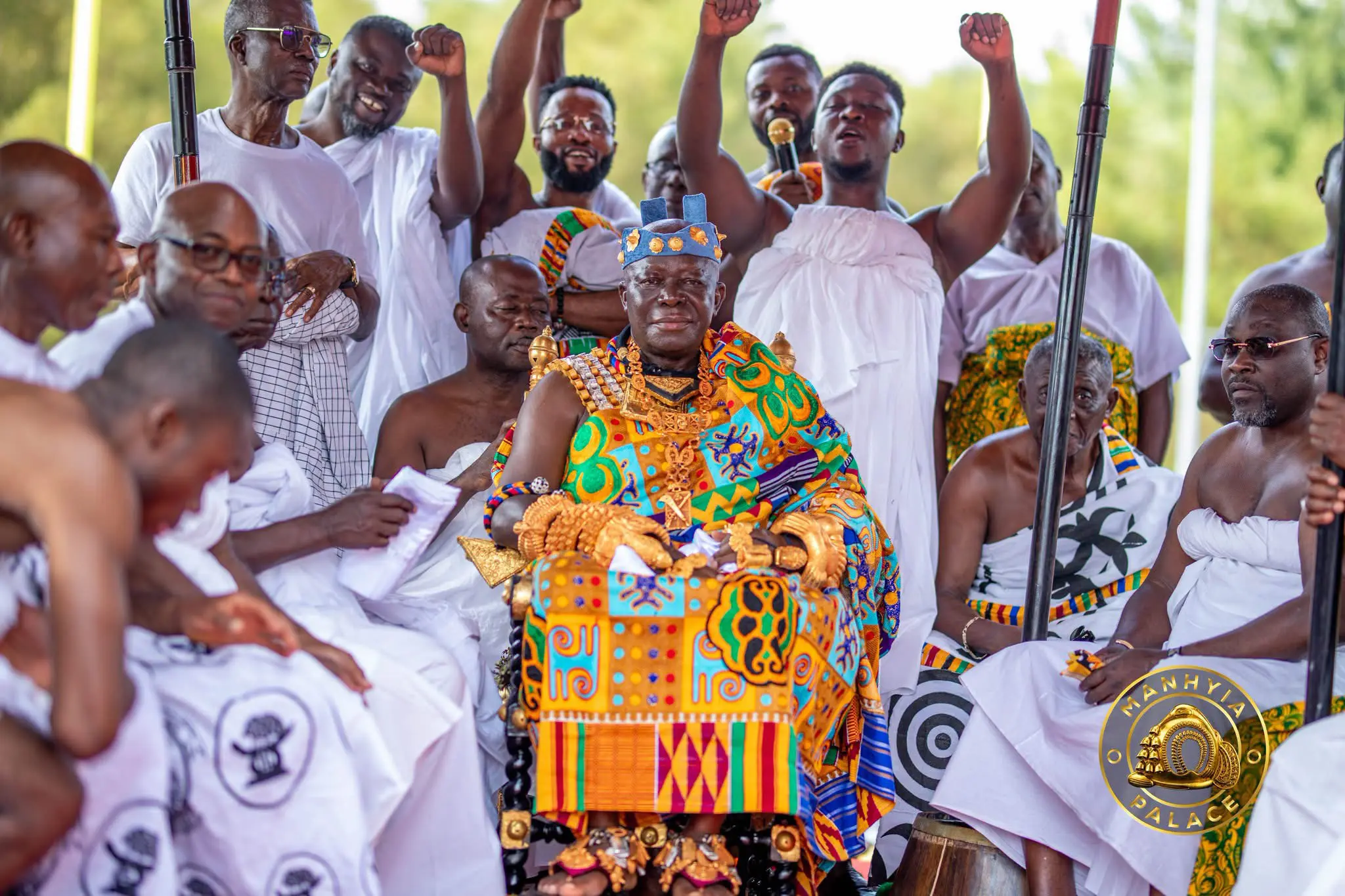
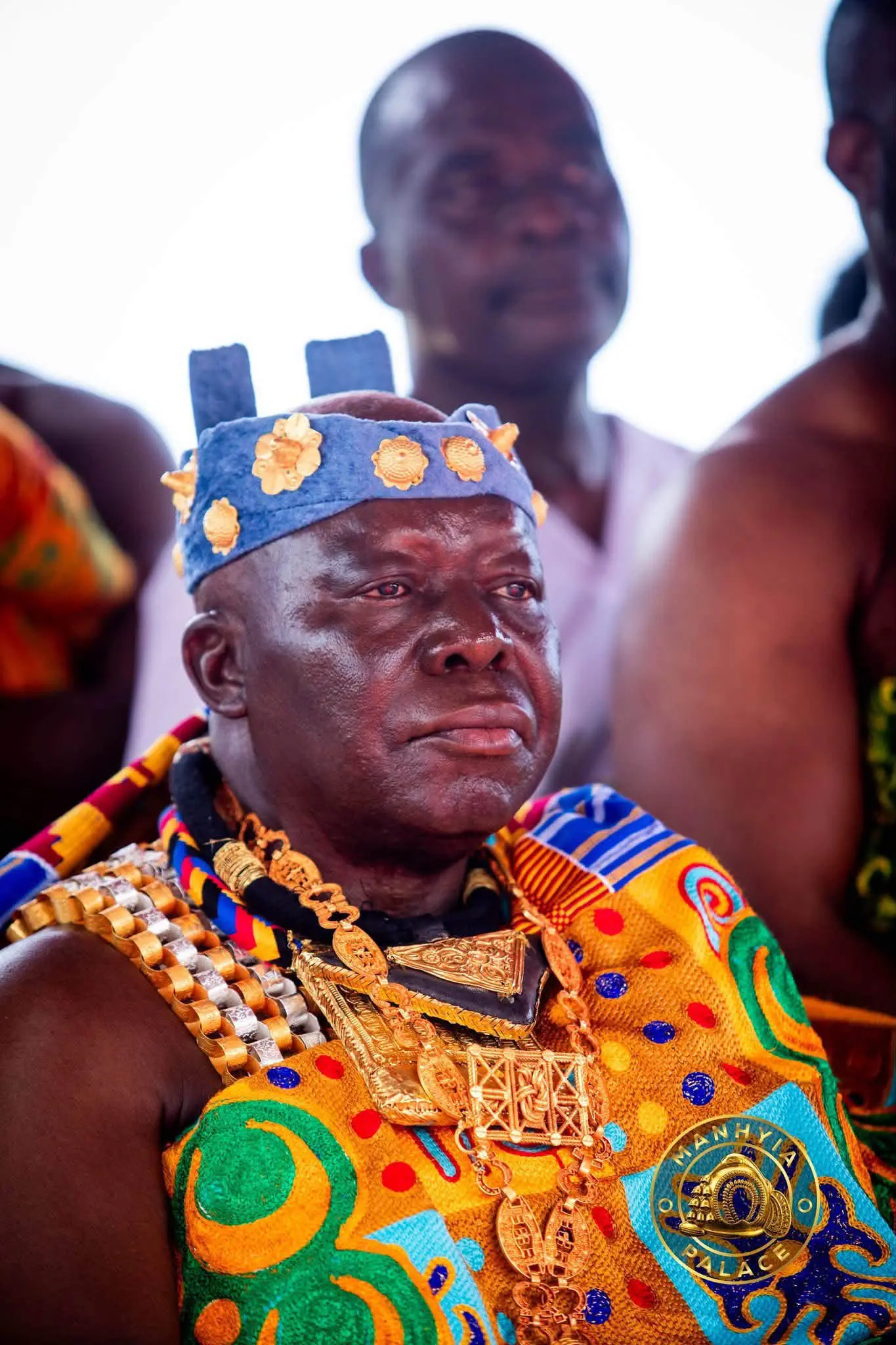
    Thousands of Asantes, Ghanaians, Africans, and curious Americans converged to witness the Golden Stool tradition come alive in a foreign land. Maryland transformed into Kumasi. The drumming shook the walls. The dancing carried centuries of memory. The gold regalia glistened under American skies. And at the heart of it all sat Otumfuo , calm, regal, unshaken , presiding over a sacred rite that has defined Asante identity for centuries.
    This was not a mere festival. It was a declaration: Asante culture travels with its people, and wherever Asantes gather, the Kingdom stands.

    Beyond the cultural spectacle, Otumfuo’s visit was a diplomatic masterclass. His engagements with the U.S. Chamber of Commerce placed Asanteman squarely in the global investment conversation. American executives, diplomats, and policy strategists sat across from the Asantehene not out of courtesy, but out of recognition , recognition of a leader whose influence extends beyond tradition into development, governance, and international partnership.
    The Asantehene’s message was sharp and unmistakable: traditional leadership is not ornamental. It is strategic. It is relevant. And it is ready to shape the future.

    At Howard University, Otumfuo delivered a governance‑centered address that challenged the diaspora to rethink its role in Ghana’s development. He spoke with the clarity of a statesman and the authority of a King, reminding listeners that heritage is not a relic , it is a tool for progress.

    And then, with the same quiet dignity that defines his reign, Otumfuo departed the United States. Ambassador Victor Smith led the official send‑off, symbolizing Ghana’s acknowledgment of the Asantehene’s unmatched ability to merge tradition with diplomacy, culture with strategy, and heritage with global relevance.

    Otumfuo’s visit was not just successful , it was historic. It strengthened Ghana–U.S. investment ties, electrified the diaspora, elevated Asante culture to unprecedented international prominence, and inscribed the first Akwasidae in America into the annals of global African history.

    As he returns home, Kumasi prepares to welcome a King who has once again carried Asanteman to the world stage with unmatched grace, authority, and cultural firepower.

  • Speaker Of Parliament Rt. Hon. Alban Bagbin Touches Down In Maryland As High‑Powered Ghanaian Delegation Storms The U.S. For CEANA 2026

    Speaker Of Parliament Rt. Hon. Alban Bagbin Touches Down In Maryland As High‑Powered Ghanaian Delegation Storms The U.S. For CEANA 2026

    Sankofaonline News Desk : Contributing-Steve Dei

    BETHESDA, MD — The stage is set, the atmosphere is charged, and the Ewe diaspora across North America is standing at full attention.  

    The Council of Ewe Associations of North America (CEANA) is hours away from opening what is already being hailed as the most consequential, most politically charged, and most culturally electrifying convention in its history. From September 3 to September 7, 2026, the prestigious Marriott Bethesda North Hotel becomes the epicenter of Ewe identity, diplomacy, and developmental ambition.

    And today, the stakes soared even higher.

    Ghana’s third most powerful public official, the Speaker of Parliament, Rt. Hon. Alban Sumana Kingsford Bagbin, has arrived in Maryland. His presence is not symbolic , it is seismic. Stepping off his flight from Accra, Bagbin’s arrival signals that CEANA 2026 is no ordinary convention. It is a diplomatic moment. A cultural summit. A national statement.

    He leads a formidable assembly of lawmakers, state officials, business titans, and traditional authorities , all converging on the Washington metropolitan area to strengthen the bridge between Ghana and its global community. And with 1,200 attendees already registered, CEANA 2026 is poised to become the largest and most ceremonially significant gathering in its storied history.

    A Towering Delegation Of Statesmen And Leaders

    Bagbin’s arrival ,his second appearance at CEANA , sets a historic tone. But he is far from alone.

    A high‑powered contingent has already landed, underscoring the unbreakable bond between Ghana’s governance structures and the diaspora.

    VIPs Already In Bethesda:

    • Speaker of Parliament — Rt. Hon. Alban Sumana Kingsford Bagbin
    • Volta Caucus Chair — Hon. Emmanuel Kwasi Bedzrah
    • MP, Keta — Hon. Dzudzorli Kwame Gakpey
    • MP, Kwahu Afram Plains North — Hon. Worlase Kpel
    • MP, Akuapem South — Hon. Lawrencia Dziwornu
    • Council of State Member — Hon. Gabriel Tanko Kwamiga Atokple
    • Volta Regional Minister — Hon. James Gunu
    • CEO, Glory Oil — Mr. Mawuko Dzikunu
    • Business Leader — Mr. Prosper Letsu

    More Heavyweights En Route

    As the clock ticks toward the grand opening, additional national figures, policymakers, and industry captains are airborne — heading straight for Maryland.

    They are:

    • Governor, Bank of Ghana — Dr. Johnson Pundit Asiama
    • Majority Chief Whip — Hon. Rockson‑Nelson Kwami Etse Dafeamekpor
    • MP, Central Tongu — Hon. Alexander Hotordze
    • MP, Hohoe — Hon. Worlanyo Tsekpo
    • MP, Guan — Hon. Fred Agbenyo
    • MP, Dome‑Kwabenya — Hon. Elikplim Akurugu
    • Business Philanthropist — Mr. Charles Goh

    This is not a delegation , it is a political and cultural convoy.

    More Than A Festival: A Mission For Eweland

    CEANA conventions are legendary for their cultural grandeur , the durbar, the majestic Kete Ball, the Sunday service, the picnic, the pageantry. But CEANA 2026 is not merely a celebration. It is a mandate.

    Under its unifying theme, this year’s convention is laser‑focused on:

    • Education development
    • Healthcare expansion
    • Rural transformation
    • Diaspora investment synergy

    With the Bank of Ghana Governor, regional ministers, MPs, and corporate leaders present, the conversations this weekend will shape real policy, real investment, and real transformation back home.

    CEANA is proving once again that it is not just a cultural umbrella — it is a socio‑economic engine.

    The Countdown Begins

    With Speaker Bagbin’s arrival and a parade of lawmakers, statesmen, and business moguls already in town, Bethesda, Maryland has become the capital of the Ewe world for the next five days.

    Delegates are streaming into the Marriott Bethesda North Hotel. The drums are warming. The Kete is ready. The leaders have landed. The diaspora is mobilized. And with 1,200 attendees already registered, CEANA 2026 stands ready to make history.

    Stay locked on Sankofaonline for exclusive coverage , live updates, photo galleries, red‑carpet interviews, and behind‑the‑scenes access throughout the week.

    CEANA 2013 Pictures below:

    DSC_5838

  • THE FOUR DOORS TO AMERICA: A COMPREHENSIVE EXPLANATION OF THE U.S. FAMILY‑BASED IMMIGRANT VISA SYSTEM

    THE FOUR DOORS TO AMERICA: A COMPREHENSIVE EXPLANATION OF THE U.S. FAMILY‑BASED IMMIGRANT VISA SYSTEM

    Sankofaonline News Desk

    For decades, America’s immigration system has rested on a foundational principle: family unity. The United States government recognizes that strong families build strong communities, and strong communities build a resilient nation. To uphold this principle, federal law provides two major categories of family‑based immigrant visas through which U.S. citizens and lawful permanent residents may bring relatives to live permanently in the country. These categories,Immediate Relative visas and Family Preference visas ,form the backbone of America’s family immigration programme.

    Immediate Relative Visas: The Uncapped Pathway

    Immediate Relative (IR) visas are the most straightforward and generous category. They are not subject to annual numerical limits, meaning visas are always available for eligible applicants. This category reflects the U.S. government’s highest priority: keeping nuclear families together.

    U.S. citizens may sponsor the following relatives under the Immediate Relative classification:
    IR‑1: Spouse of a U.S. citizen
    IR‑2: Unmarried child under 21 of a U.S. citizen

    IR‑3 / IR‑4: Orphan adopted abroad or to be adopted in the U.S.
    IR‑5: Parent of a U.S. citizen (the sponsoring citizen must be at least 21)

    Because these visas are uncapped, processing times depend largely on administrative workload rather than government‑imposed quotas.

    Family Preference Visas: Limited and Highly Competitive

    Family Preference visas are numerically capped each fiscal year. Demand far exceeds supply, creating long waiting periods,sometimes stretching into decades for certain countries and categories. These visas cover more extended family relationships and are divided into four tiers:

    F1: Unmarried sons and daughters (21 or older) of U.S. citizens
    F2A: Spouses and unmarried children (under 21) of lawful permanent residents

    F2B: Unmarried sons and daughters (21 or older) of lawful permanent residents

    F3: Married sons and daughters of U.S. citizens

    F4: Brothers and sisters of U.S. citizens (the sponsoring citizen must be at least 21)

    These categories are subject to strict annual caps and country‑specific limits, resulting in long queues for applicants from high‑demand countries.

    The Four Relatives U.S. Citizens Can Sponsor

    Under the federal family immigration programme, U.S. citizens can sponsor four broad categories of relatives for permanent residence:
    Spouses
    Children (minor or adult, married or unmarried depending on category)
    Parents
    Siblings

    These groups encompass both Immediate Relative and Family Preference classifications.

    Why the System Matters

    Family‑based immigration remains the largest and most stable pillar of U.S. immigration. It strengthens social cohesion, supports economic stability, encourages long‑term integration, and helps immigrant communities thrive across generations. For millions worldwide, these visa categories represent hope, opportunity, and the promise of rebuilding life with loved ones in America.

    Processing Realities

    While the legal categories are clear, the lived experience of applicants is shaped by lengthy backlogs, country‑specific demand, annual visa caps, administrative delays, and shifting policies across different administrations. Understanding the structure of the system helps families plan realistically and avoid misinformation.

    The Bottom Line

    The U.S. government’s reaffirmation of the four categories of relatives eligible for sponsorship underscores a long‑standing truth: family reunification remains a cornerstone of American immigration policy. Immediate Relative visas offer uncapped opportunities for the closest family members, while Family Preference visas—though limited—provide structured pathways for extended family.

  • Chicago Asantefuohene Leads Delegation as Ashanti Dynasty Marks First U.S. Akwasidae Celebration

    Chicago Asantefuohene Leads Delegation as Ashanti Dynasty Marks First U.S. Akwasidae Celebration

    Sankofaonline News Desk

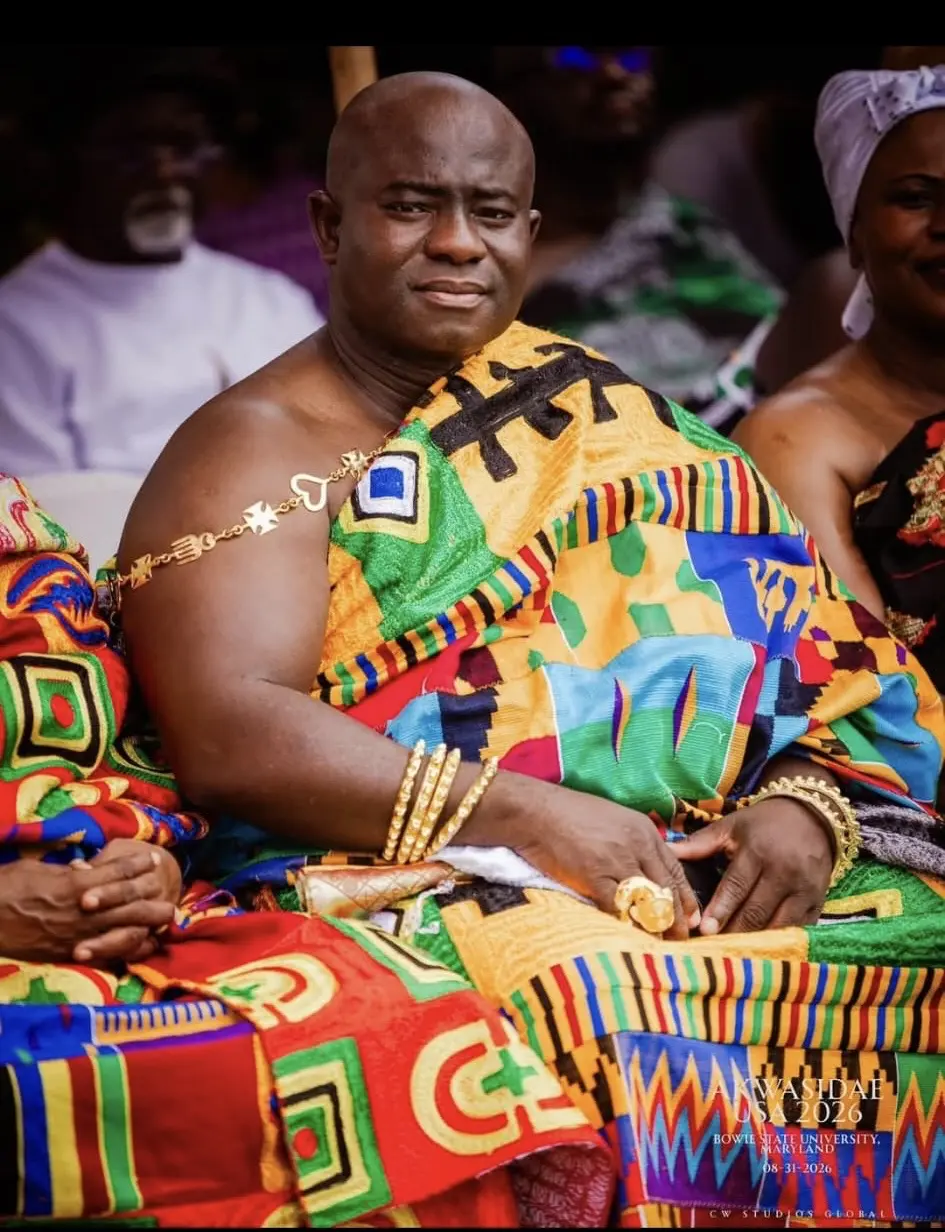
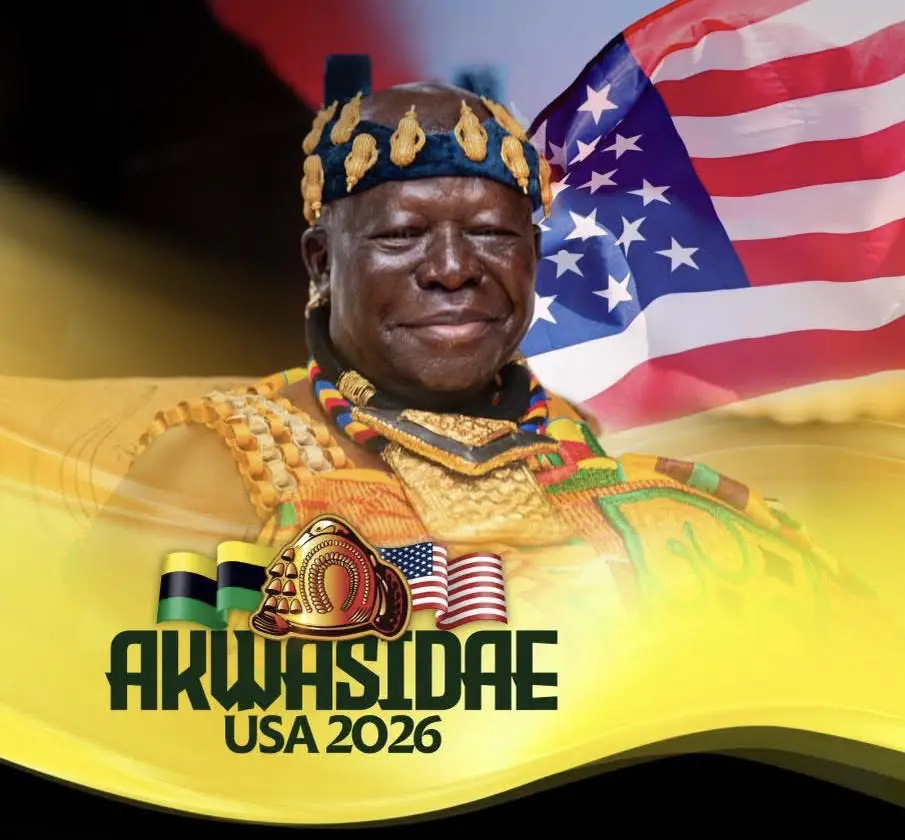
    Maryland, USA: History unfolded on American soil as the timeless majesty of the Ashanti Kingdom echoed across the grounds of Bowie State University, where His Royal Majesty, Otumfuo Osei Tutu II, presided over the first-ever Akwasidae festival celebrated in the United States. For the Ghanaian diaspora, it was more than an event , it was a cultural awakening, a royal proclamation, and a moment that stitched the heritage of Kumasi into the fabric of America.

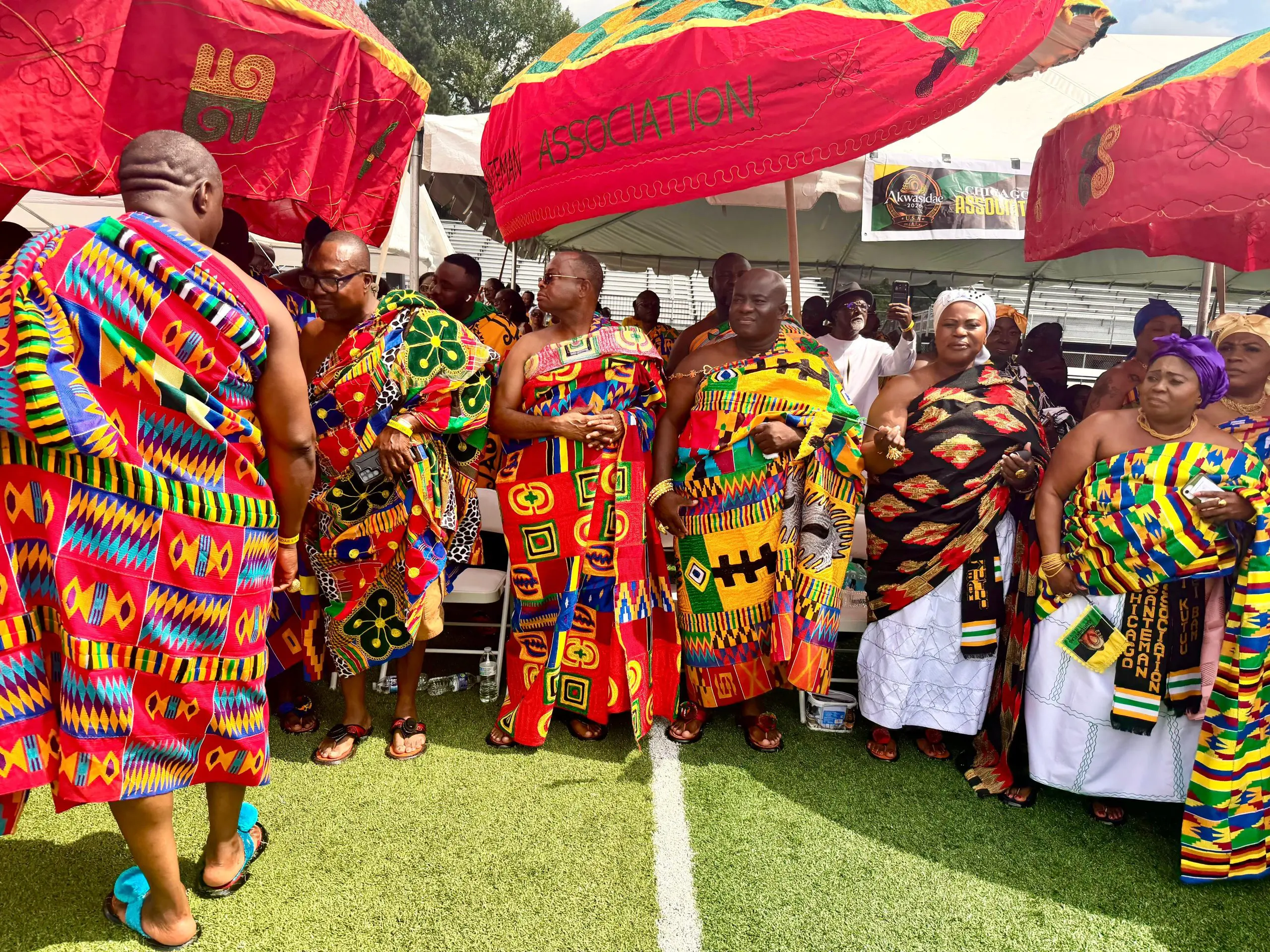
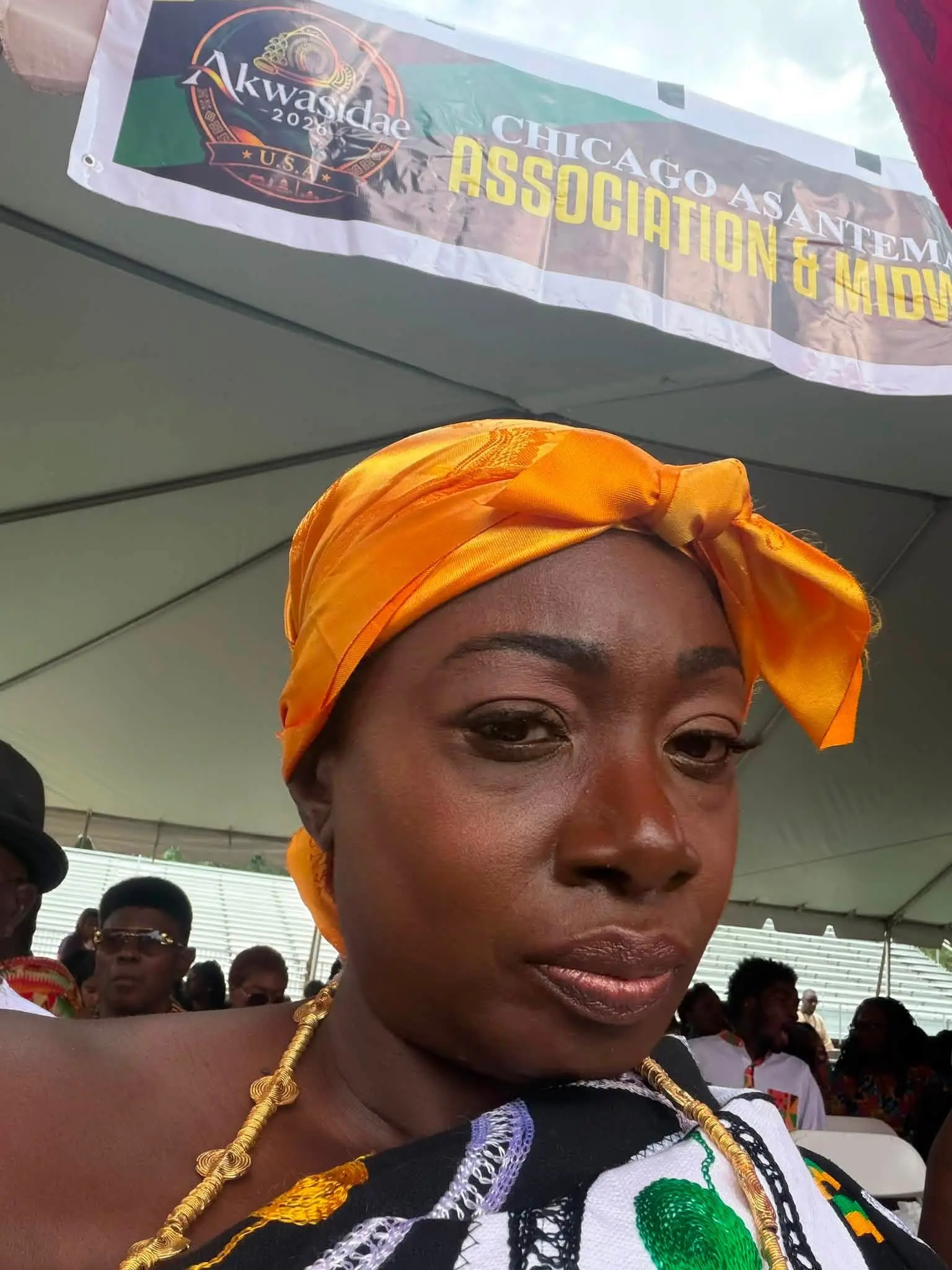
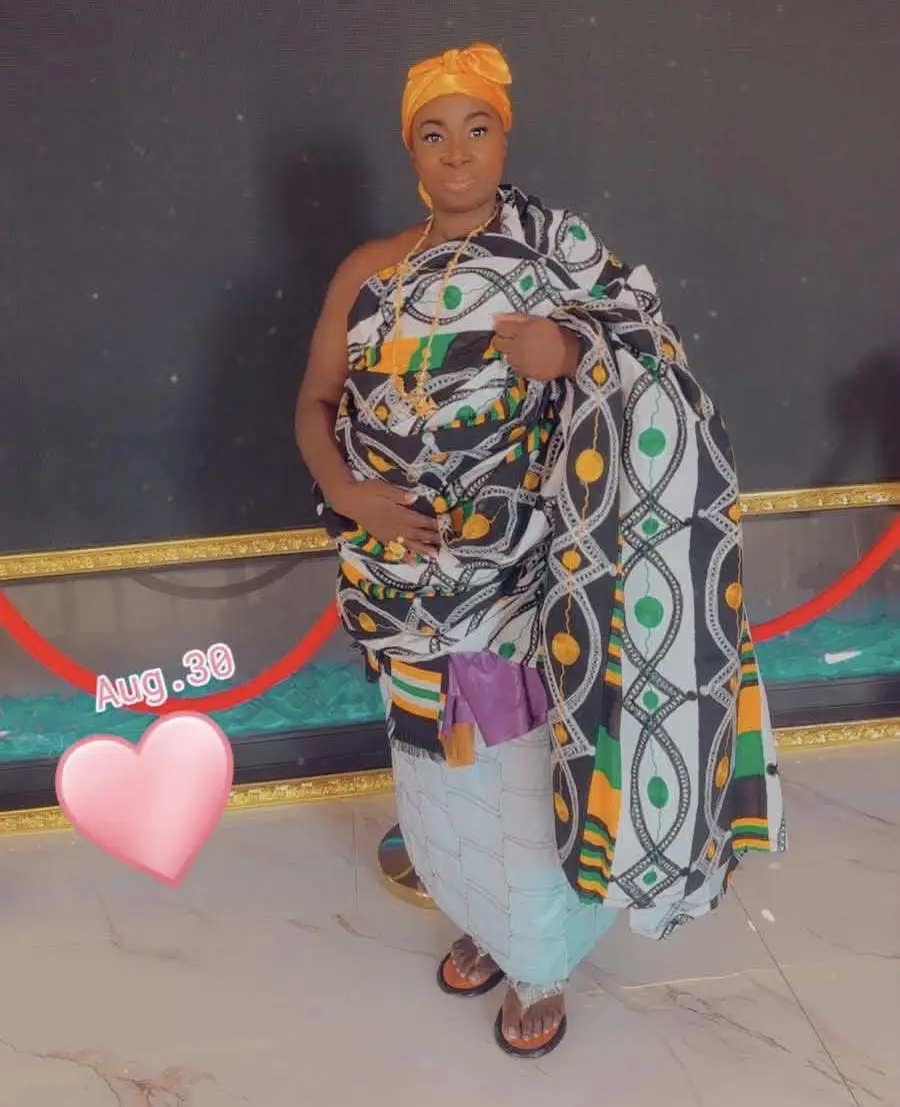
    At the heart of this historic celebration stood Nana Kwame Frimpong Abayie, the Chicago Asantefuohene, who led a distinguished delegation representing the Asante Association of Chicago. His entourage , composed of subchiefs, queen mothers, elders, and dedicated community members , arrived in Maryland draped in resplendent Kente and adorned with the gleaming gold regalia that symbolizes centuries of Asante sovereignty. Their presence added depth and dignity to a festival already rich with drumming, dancing, and the sacred rites that define Akwasidae.

    The Chicago delegation participated proudly among thousands of Asantes and well-wishers from across the world, all united by a shared reverence for the Golden Stool and the cultural legacy it embodies.

    The festival’s vibrant pageantry, performed far from its ancestral home, affirmed that the spirit of Asanteman remains unbroken , even across oceans.

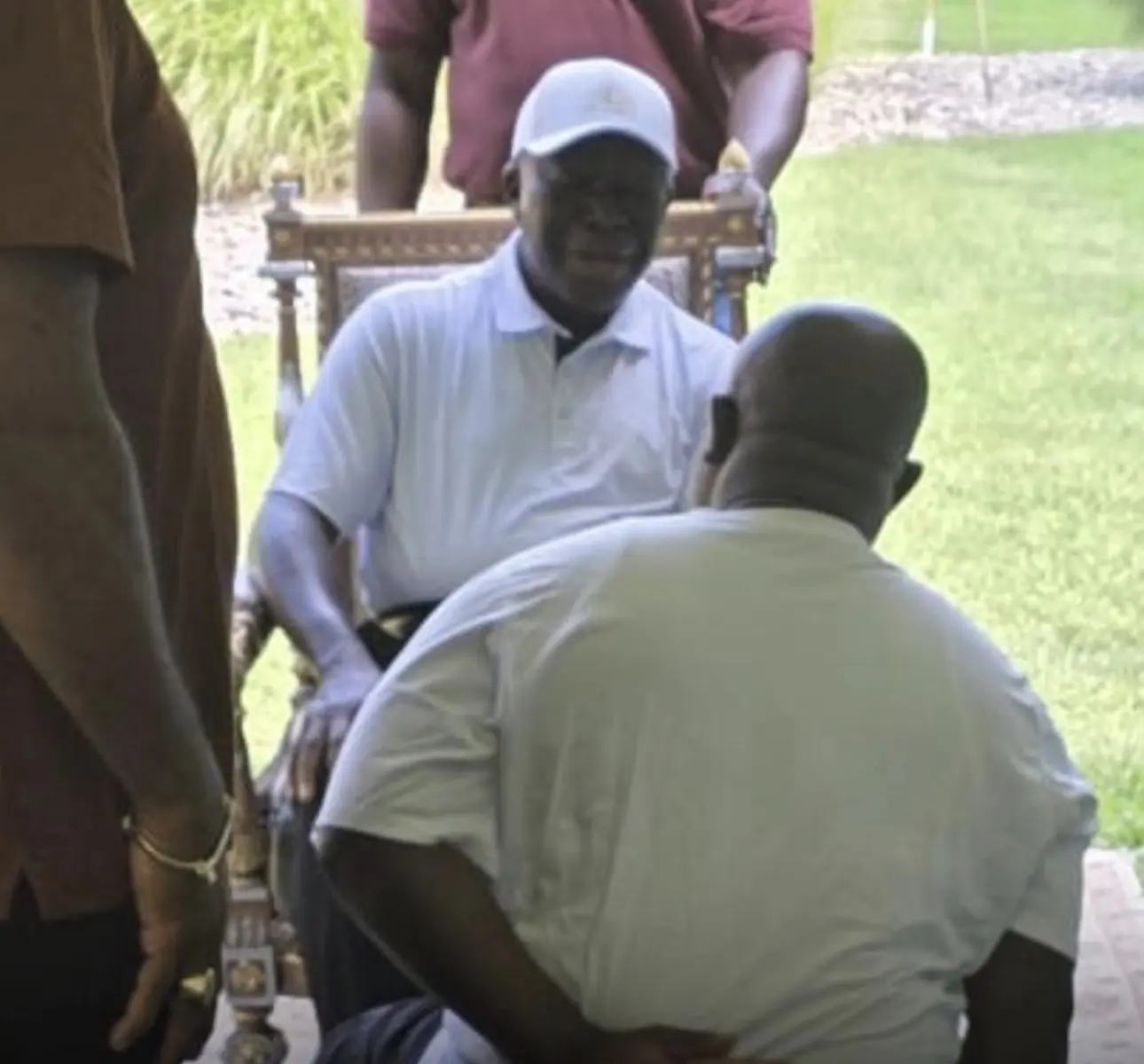
    Beyond the public grandeur, the weekend carried moments of quiet royal diplomacy. Nana Kwame Frimpong Abayie was granted the honor of a private audience with Otumfuo Osei Tutu II at His Majesty’s majestic Maryland residence. In that solemn encounter, the Chicago chief paid homage to the King, reaffirmed the diaspora’s unwavering loyalty, and discussed the continued growth, unity, and welfare of Asantes across the United States.

    This landmark Akwasidae did more than celebrate tradition , it etched a new chapter in the history of the African diaspora, demonstrating that the authority, culture, and spiritual heartbeat of the Ashanti Kingdom transcend geography. Whether in Kumasi or Maryland, the legacy of the Golden Stool remains radiant, resilient, and revered.

  • Majesty Across the Atlantic: Akwasidae USA 2026 Reawakens the Soul of Asanteman

    Majesty Across the Atlantic: Akwasidae USA 2026 Reawakens the Soul of Asanteman

    Source : Sankofaonline Editorial Desk | August 30, 2026

    Every sixth Sunday, Kumasi holds Akwasidae, a sacred Asanteman festival honoring the ancestors, the king, and the Golden Stool , the spiritual vessel believed to hold the soul of the Ashanti people. It is a ritual cycle that has endured for centuries, binding generations through reverence, memory, and the unbroken continuity of Asante identity.

    On Sunday, August 30, 2026, that ancestral rhythm crossed the Atlantic with unprecedented force.

    The heartbeat of Asanteman echoed across Maryland as Bowie State University became the sacred stage for an extraordinary manifestation of royal heritage. In a historic collaboration with Prince George’s County Executive , Aisha N. Braveboy, the diaspora hosted Akwasidae USA 2026, welcoming His Majesty Otumfuo Osei Tutu II, Asantehene and Custodian of the Golden Stool, to American soil in a manner steeped in dignity and tradition.

    The significance of the moment was not lost on Maryland’s leadership. Governor Wes Moore captured the spirit of the day in a public message, writing on his Facebook page: “I’m overjoyed to celebrate with His Majesty Otumfuo Osei Tutu II, the 16th king of the Asante Kingdom, to begin African Heritage Month.” His words reflected the profound respect and historic weight of hosting the Asantehene during a month dedicated to honoring African legacy.

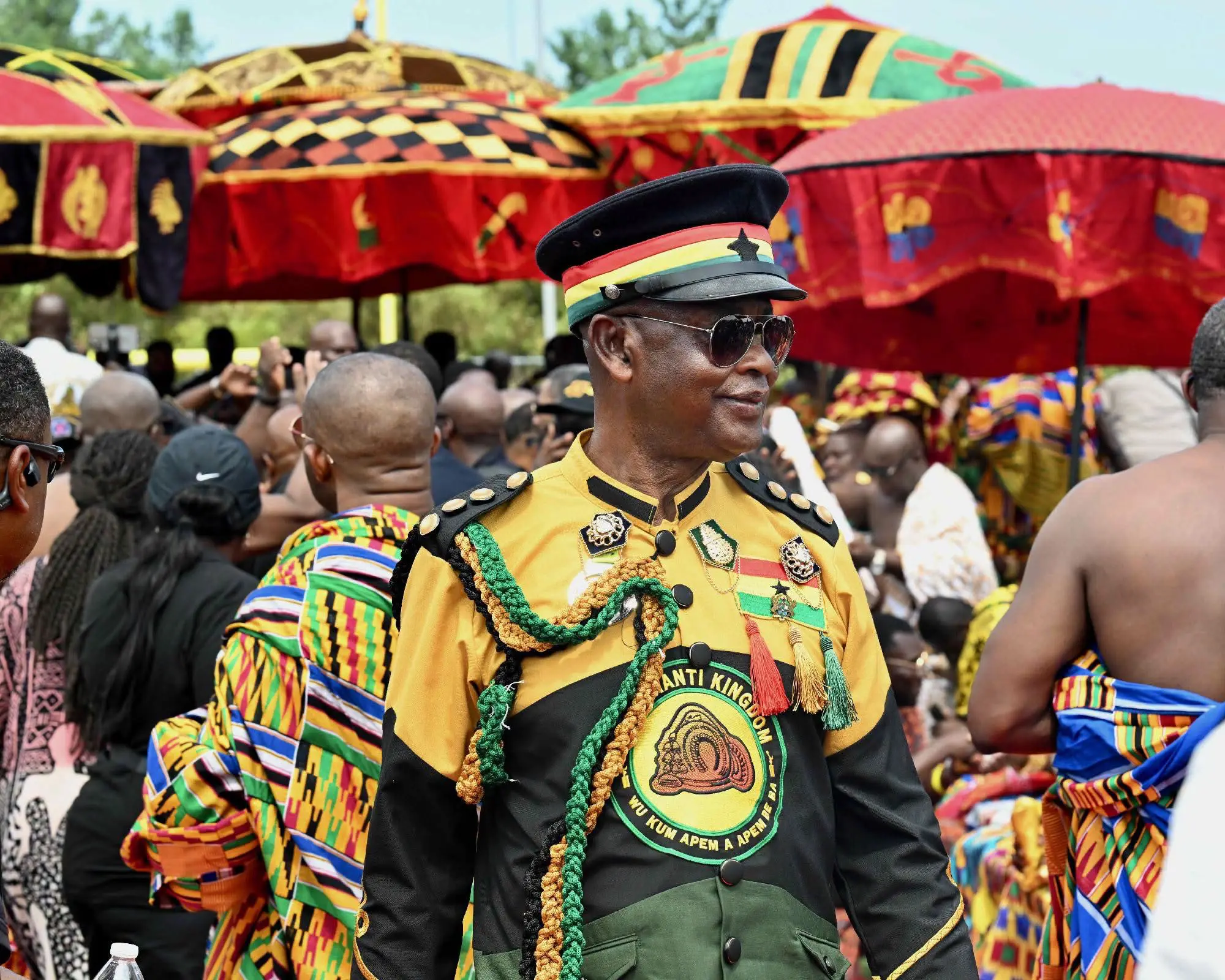
    For many living far from the motherland, the horizon on that bright morning carried a spiritual gravity. The grounds transformed into an ocean of richly woven Kente cloth , draped in traditional folds, tailored into regal modern silhouettes, and worn proudly by generations of Ghanaians. Elders who had not stepped on the red earth of Kumasi in decades wept openly beside children born in North America, all united in witnessing a living institution that has endured through time.

    The atmosphere shifted with ceremonial precision upon the sovereign’s arrival. Escorted by five motorcycle dispatch riders in the style of a presidential motorcade, the king’s convoy made its grand entry. The roar of police escorts dissolved into the thunderous pulse of Fontomfrom drums and the piercing notes of Ntahera horns. As the Asantehene emerged, surrounded by his traditional security detail, the air crackled with reverence.

    The public durbar assembled a vast global gathering. High-ranking chiefs and elders accompanied Otumfuo from Ghana, joining ceremonial chiefs and queen mothers representing diaspora communities across the United States and Canada. Delegations traveled from Europe, while stateside groups stood united, including the Chicago Asanteman delegation led by Asantefuohene, Nana Abayie ( Nana Kwame Frimpong).

    To grasp the full weight of the day, one must understand the sacred rituals of Akwasidae, especially when elevated to an Adae Kese. In Asante tradition, the festival recurs every 40 days, serving as a solemn moment to commune with the ancestors, nourish the soul of the nation, and honor the Golden Stool, Sika Dwa Kofi, conjured from the heavens by Okomfo Anokye in the late 17th century.

    The day’s sacred rites began quietly in the early hours before the public gathering. Royal attendants and court functionaries performed cleansing rituals in private chambers, offering Etor, a traditional mashed yam dish, along with libations of strong spirits to appease Nananom Nsamanfo. In Kumasi, this includes visiting the sacred mausoleum at Bantama to sprinkle sacrificial sheep’s blood over ancestral black stools, renewing the spiritual bond between the living, the dead, and the unborn.

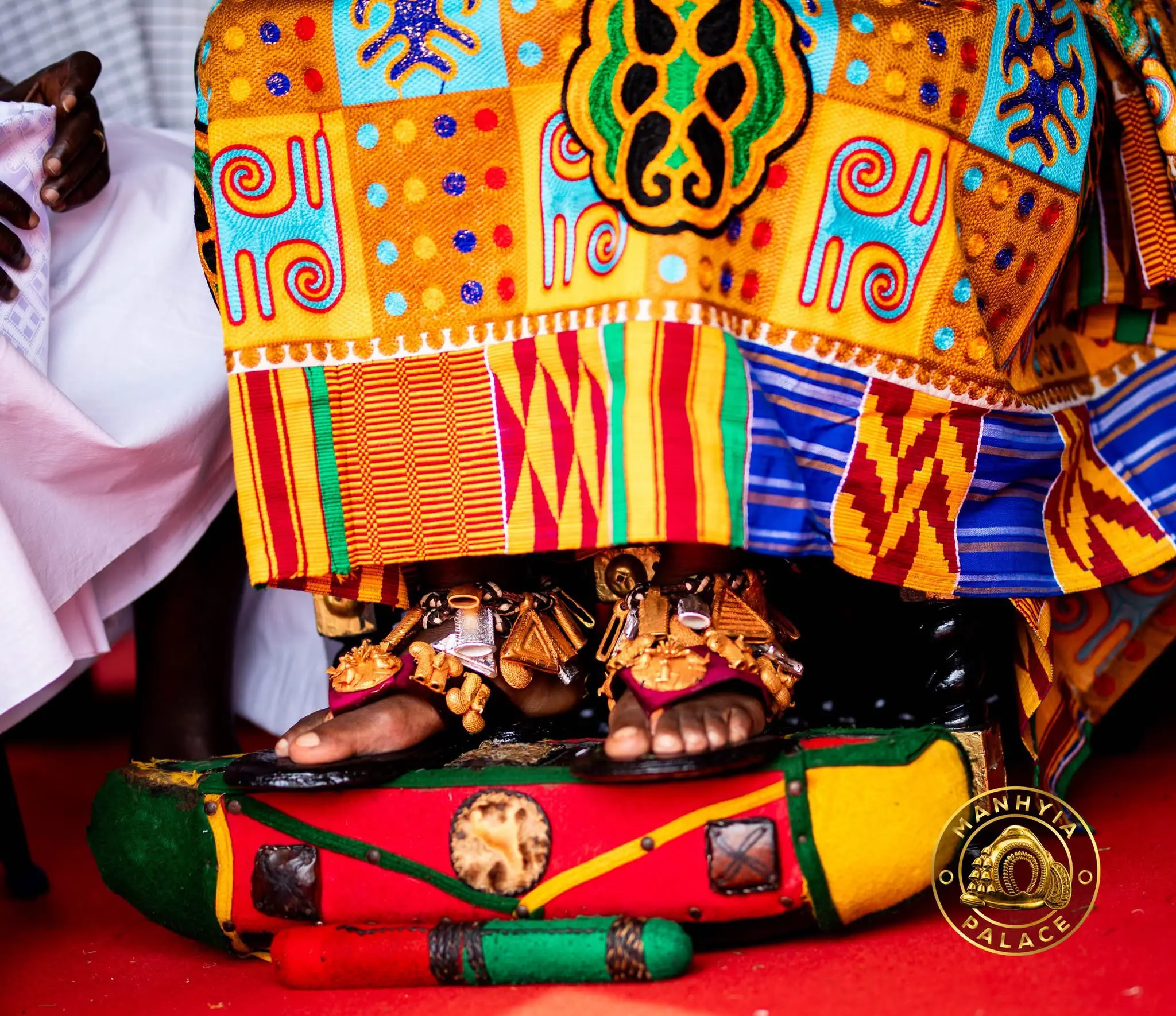
    During the grand public ceremony, court linguists bearing gold-topped Okyeame staffs translated the king’s proverb-laden wisdom. Chiefs approached the elevated dais in strict order of precedence, lower cloth draped from their shoulders, removing their sandals in humility as they pledged eternal loyalty to the occupant of the Golden Stool.

    Sword bearers lifted ceremonial blades, horse-tail whisks swayed to rhythmic Adowa steps, and massive royal umbrellas fluttered above the crowd.

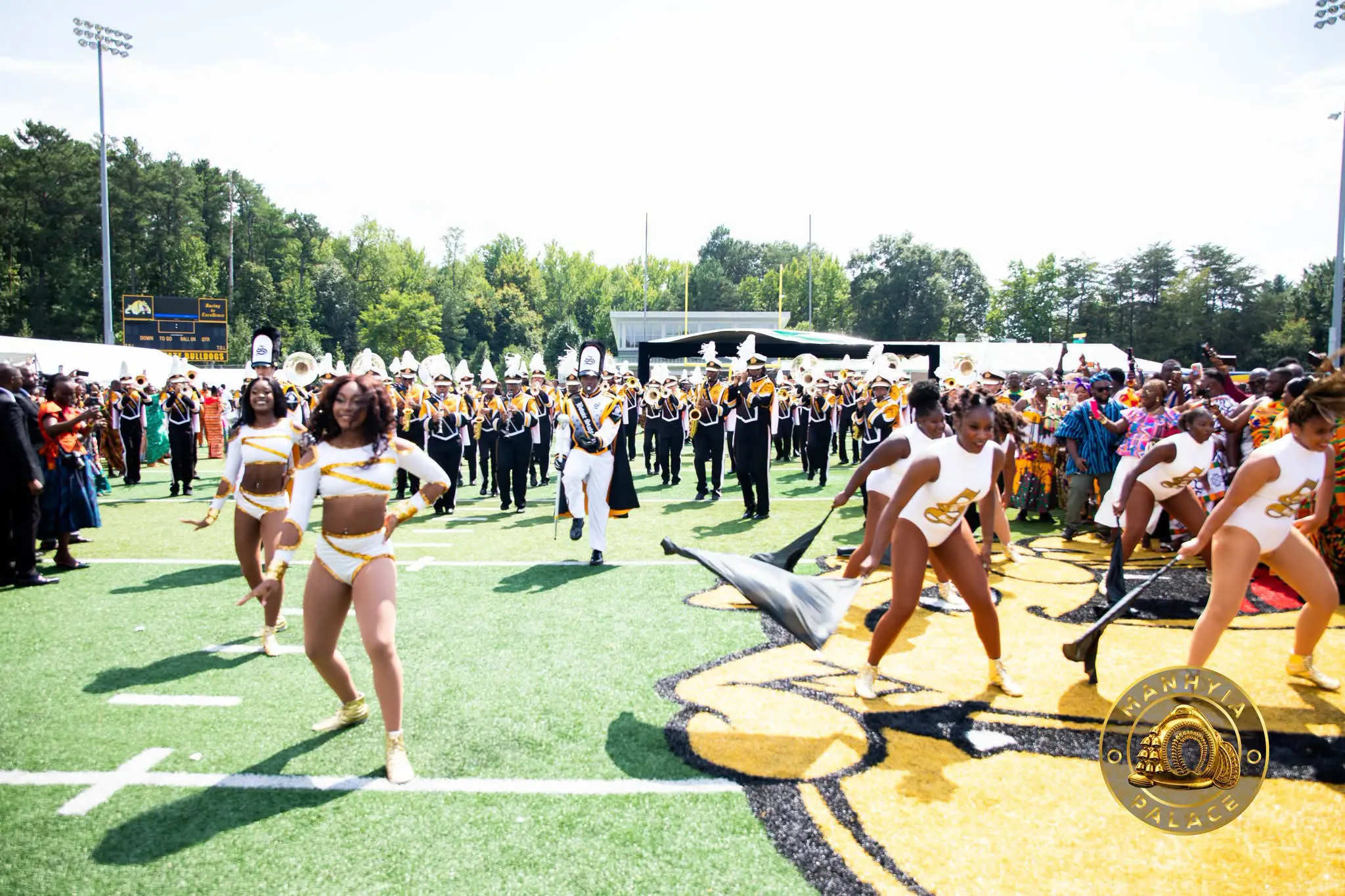
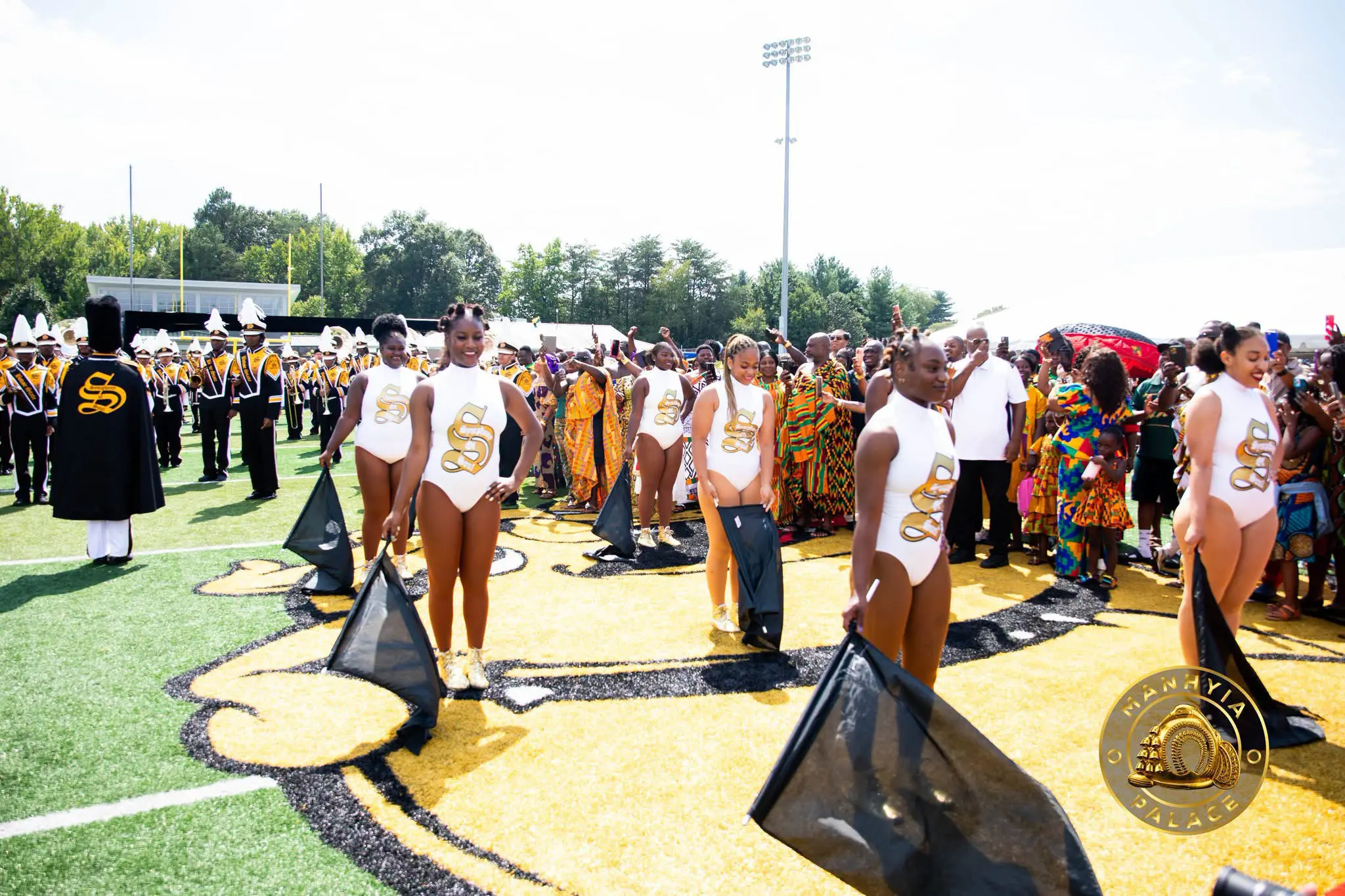
    The ceremony ascended to an even higher plane when Bowie State University’s Symphony of Soul Band delivered a special performance in tribute to Otumfuo Osei Tutu II, their powerful instrumentation swelling through the air as though the campus itself were bowing to the Asantehene.

    For every Ghanaian present in Maryland, this spectacle was not merely a reenactment of history, but a living affirmation that no matter how far we journey from home, our culture remains unbreakable, majestic, and eternally alive.