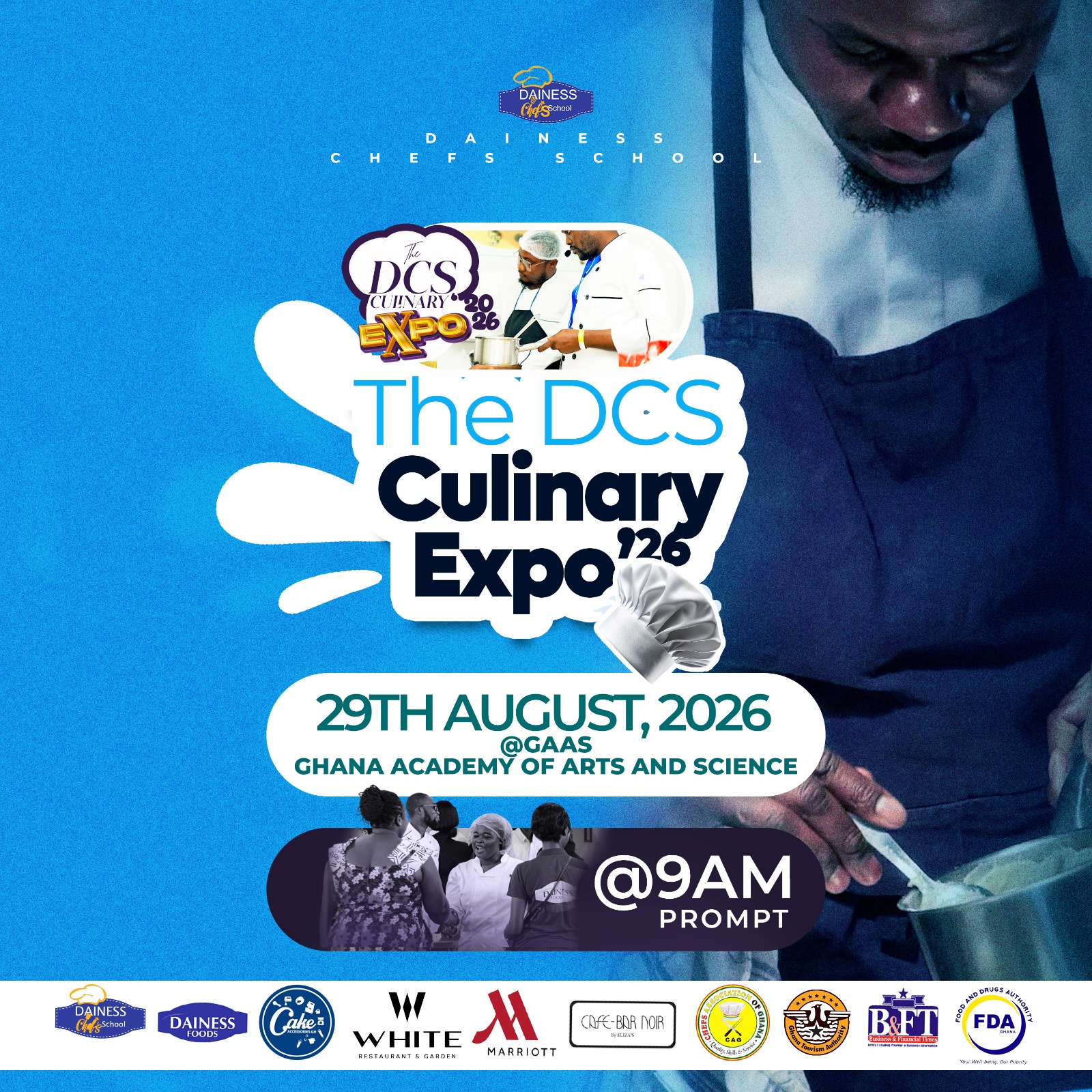
Ghana’s culinary landscape will take centre stage on August 29 as the third DCS Culinary Expo brings together chefs, hospitality professionals, students, food entrepreneurs and enthusiasts to explore innovative ways of presenting Ghanaian cuisine through modern culinary techniques.
Organised by Dainess Chef School (DCS), the Expo will take place on Saturday, August 29, 2026, at the Ghana Academy of Arts and Sciences (GAAS), Accra, from 9:00 a.m. to 5:00 p.m. It is free to enter the event grounds but to participate in the demo, it comes at a GH¢50 per demo or GH¢150 for all seven (7) demos.
Kindly register via this link https://www.dainesschefschool.com/ticket to be able to participate and learn from the best chefs when it comes to the latest culinary skills. Also, for more information you can call 0550670769 and or 0205470456 or email info@dainesschefschool.com. Participants shall receive a certificate of participation.
With the theme ‘Culinary Innovations: A Ghanaian Perspective’, the event seeks to promote Ghanaian cuisine through technical excellence, creativity and innovation while showcasing the versatility of indigenous ingredients through contemporary culinary techniques inspired by global standards.
Principal of Dainess Chef School, Pamela Sarkodee, described the Expo as a melting pot of industry professionals brought together to share knowledge, exchange ideas and develop advanced technical skills in cooking and pastry. Unlike previous editions, this year’s Expo will shift its focus from recipe demonstrations to practical culinary techniques that participants can apply across a wide range of dishes. “We are not teaching recipes. We are teaching skills. We realise that our patrons and partners are all industry professionals, so coming with recipes defeats the purpose of application. Teaching a skill allows for a wider application versus teaching a fixed recipe,” Ms Sarkodee explained.
Participants will be introduced to advanced culinary methods including spherification, gelification, edible glass-making and oil extraction, techniques commonly used in modern gastronomy and fine dining. Among the highlights will be demonstrations on creating caviar through spherification, producing edible glass for pastry applications, and harnessing the natural starch in plantain through gelification to create gel sheets for a refined presentation of gobɛ (beans and plantain). Elevating Ghanaian ingredients for global audiences The demonstrations will feature indigenous ingredients such as kontomire, plantain and beans, illustrating how traditional Ghanaian flavours can be elevated through Afrofusion and contemporary culinary techniques without losing their authenticity.
According to Ms Sarkodee, the objective is to challenge conventional perceptions of Ghanaian cuisine by demonstrating that local dishes can meet international culinary standards through technical innovation and creativity. “We want to portray our cuisine in a way that defies what we have known to be the stereotype when it comes to the expectation of what it looks like. We are looking at the food industry internationally, where technicality, advancement in skill and molecular gastronomy are important. Can we play at that table? By all means, we can,” she said.
She added that Ghana’s culinary story extends well beyond its internationally recognised jollof rice. Food tourism and hospitality dev’t focus Beyond the demonstrations, the Expo will also feature discussions on food tourism and sustainable food systems, highlighting the growing role of cuisine in promoting Ghana’s tourism and hospitality sectors. A keynote presentation on ‘Promoting Sustainable Food Systems in Ghana’ will headline the programme, alongside discussions on culinary innovation, food tourism and the future of Ghanaian cuisine. Also, celebrity chef and content creator, Chef Abby will give a talk on her origin story, from content creation to food tourism.
GTA endorsement The Expo has received the official endorsement of the Ghana Tourism Authority (GTA), which says the initiative aligns with its mandate to promote sustainable tourism development and position Ghana’s diverse culinary heritage as a key tourism product. In its endorsement, the Authority noted that culinary tourism plays an important role in showcasing Ghana’s rich cultural heritage, strengthening the tourism value chain, creating employment opportunities and positioning the country as a preferred tourism destination.
The Expo is being organised in partnership with the Chefs Association of Ghana, Food and Drugs Authority (FDA), Commission for Technical and Vocational Education and Training (CTVET), Ghana Tourism Authority (GTA), Ghana Food Movement, Marriott Hotel, Café Bar Noir and White Restaurant.
Representatives from these organisations and establishments will deliver demonstrations and presentations, providing participants with practical insights into contemporary culinary practice and hospitality excellence.
The DCS Culinary Expo is expected to provide a valuable platform for chefs, caterers, hospitality professionals, students and aspiring culinary entrepreneurs to sharpen their technical skills, exchange ideas and discover innovative ways of presenting Ghanaian cuisine for both local and international audiences.
Organised by Dainess Chef School (DCS), the Expo will take place on Saturday, August 29, 2026, at the Ghana Academy of Arts and Sciences (GAAS), Accra, from 9:00 a.m. to 5:00 p.m. It is free to enter the event grounds but to participate in the demo, it comes at a GH¢50 per demo or GH¢150 for all seven (7) demos. Kindly register via this link
https://www.dainesschefschool.com/ticket to be able to participate and learn from the best chefs when it comes to the latest culinary skills. Also, for more information you can call 0550670769 and or 0205470456 or email info@dainesschefschool.com. Participants shall receive a certificate of participation.
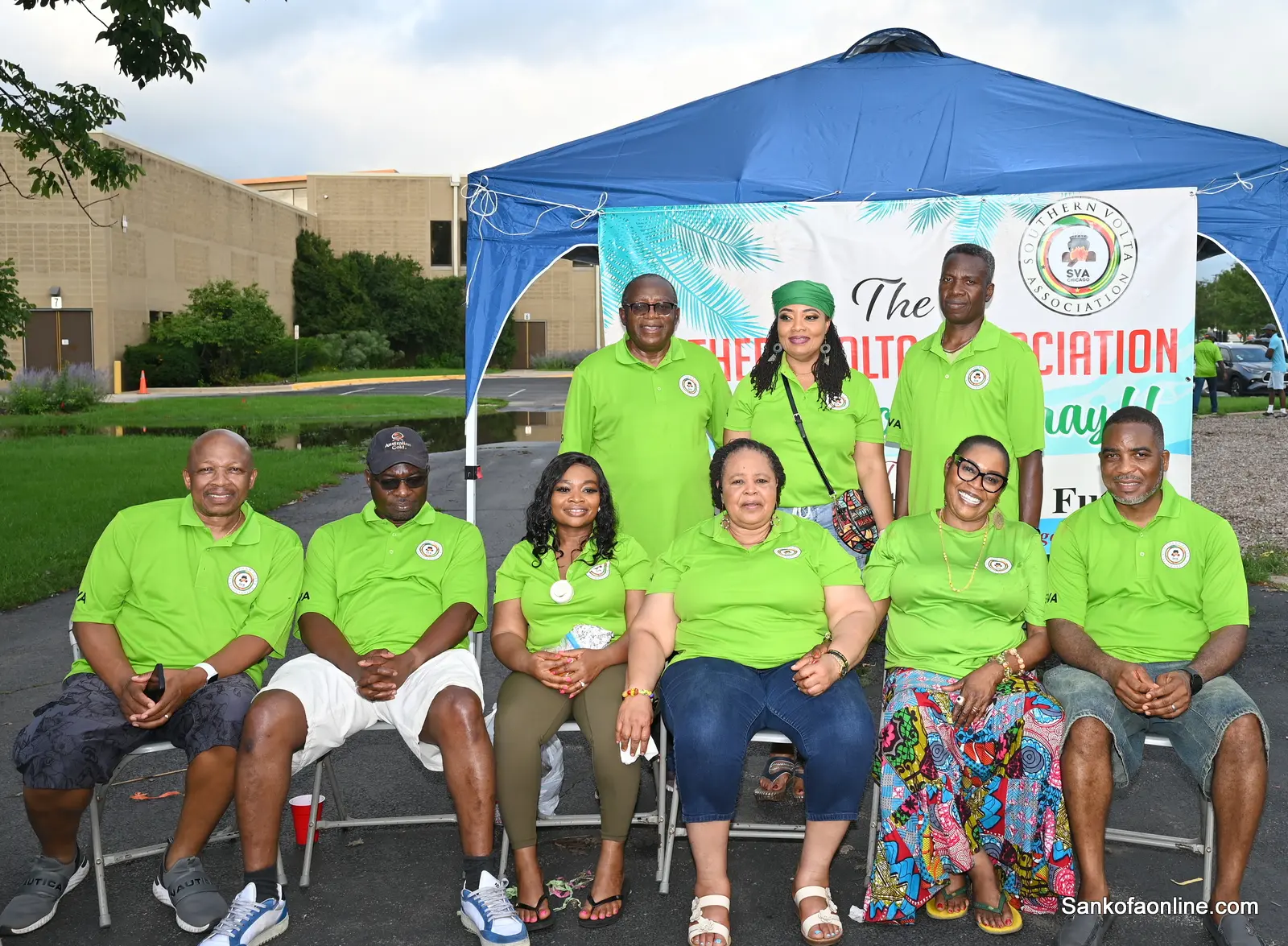
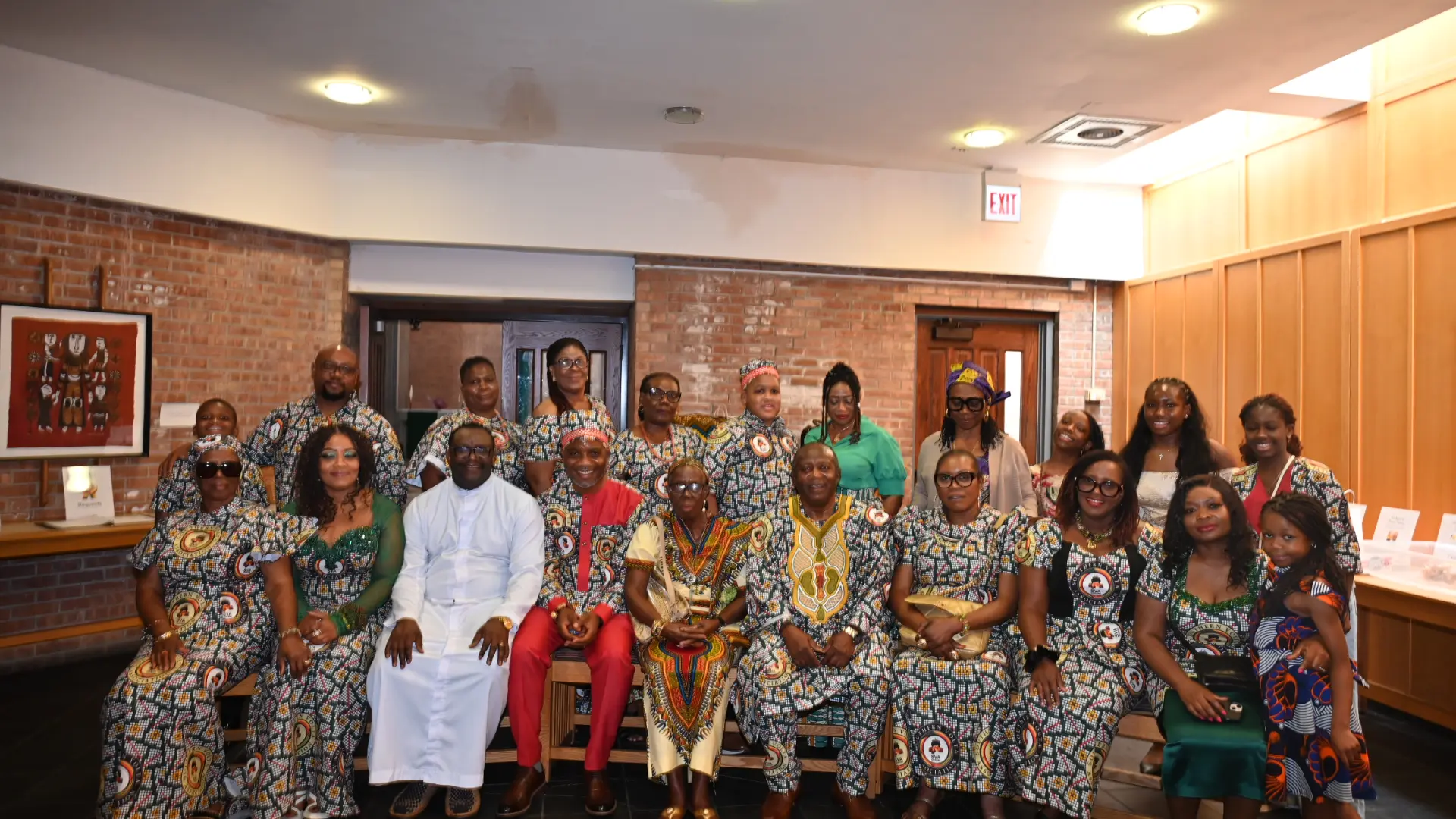
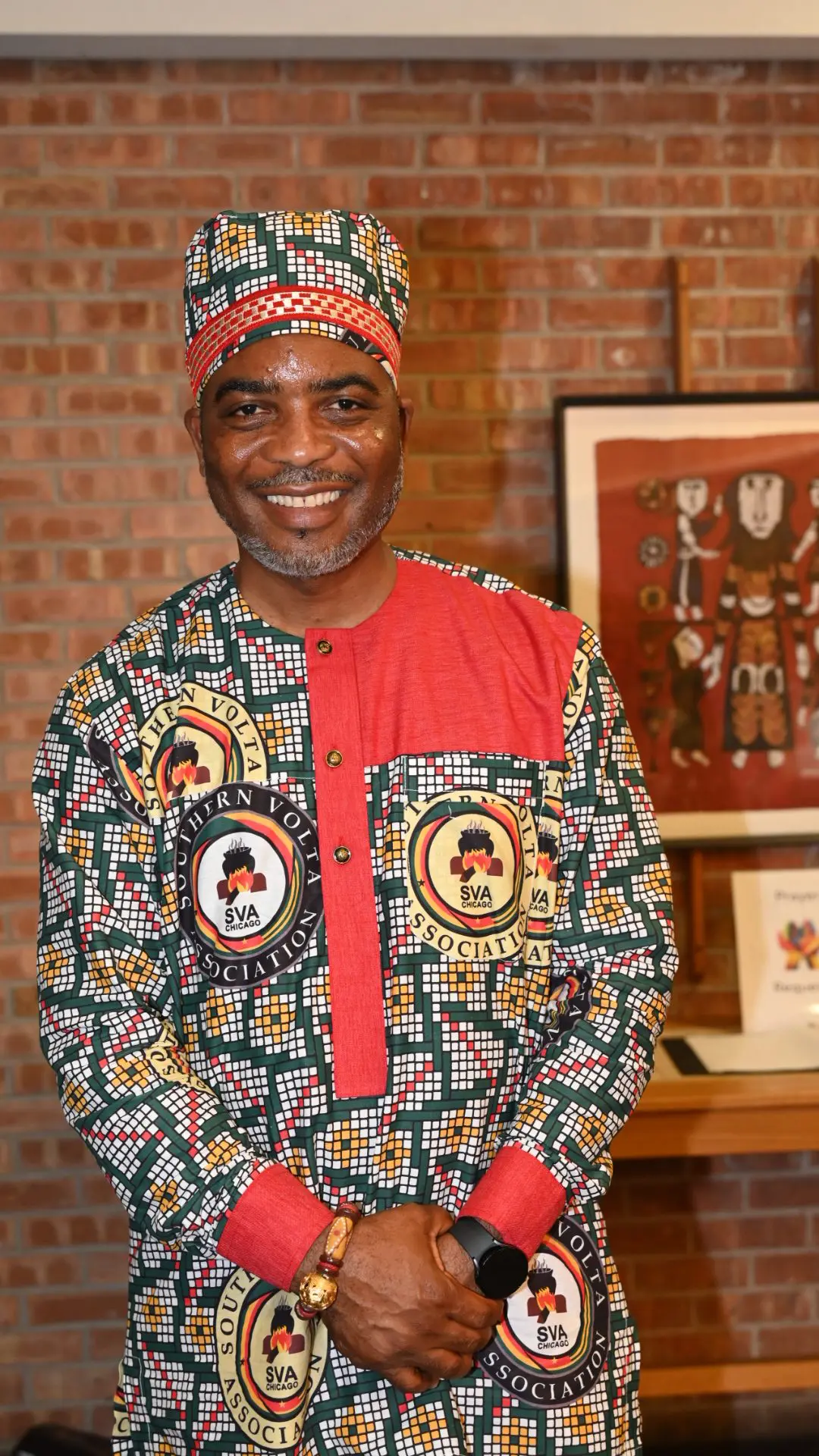
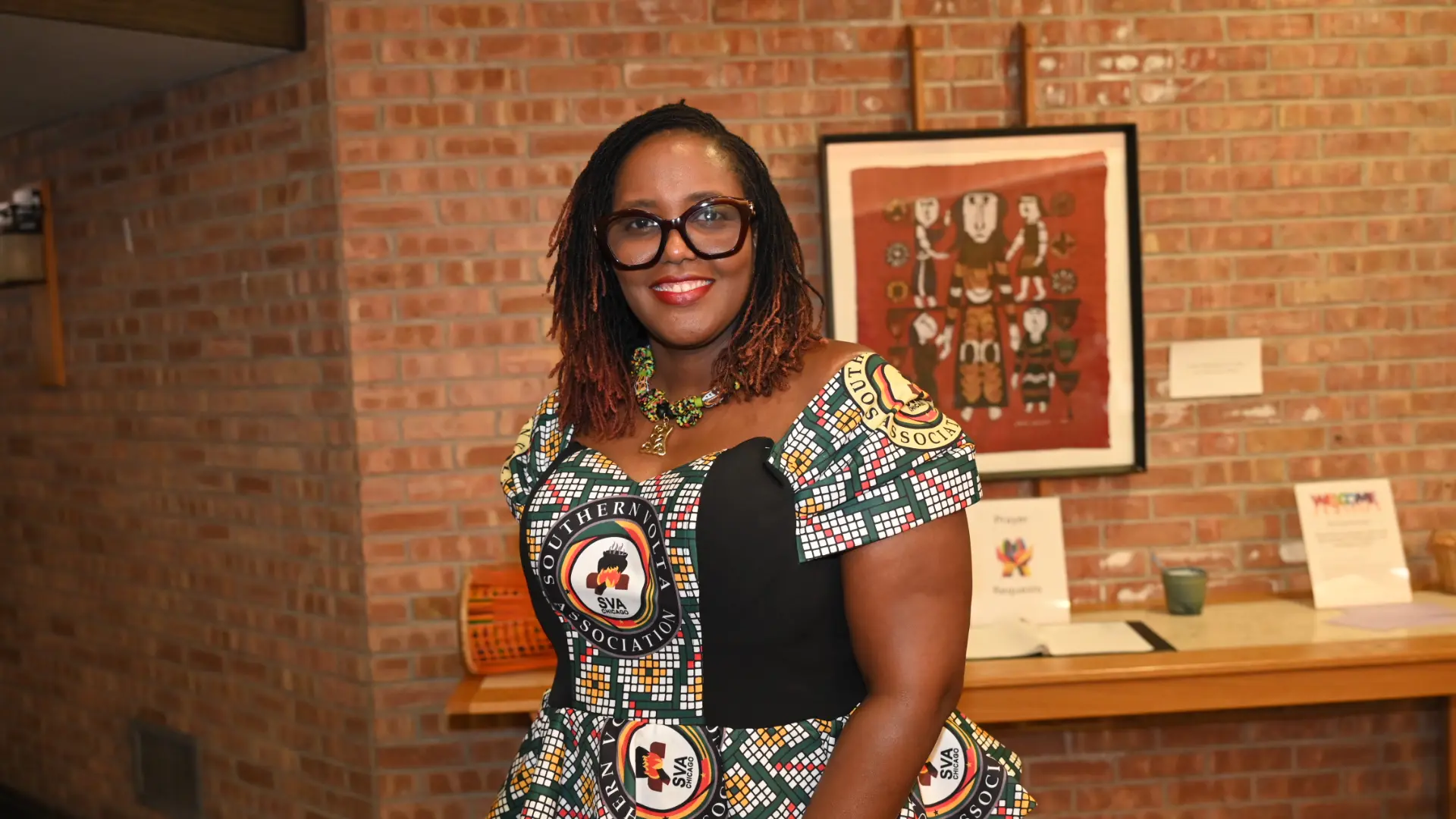
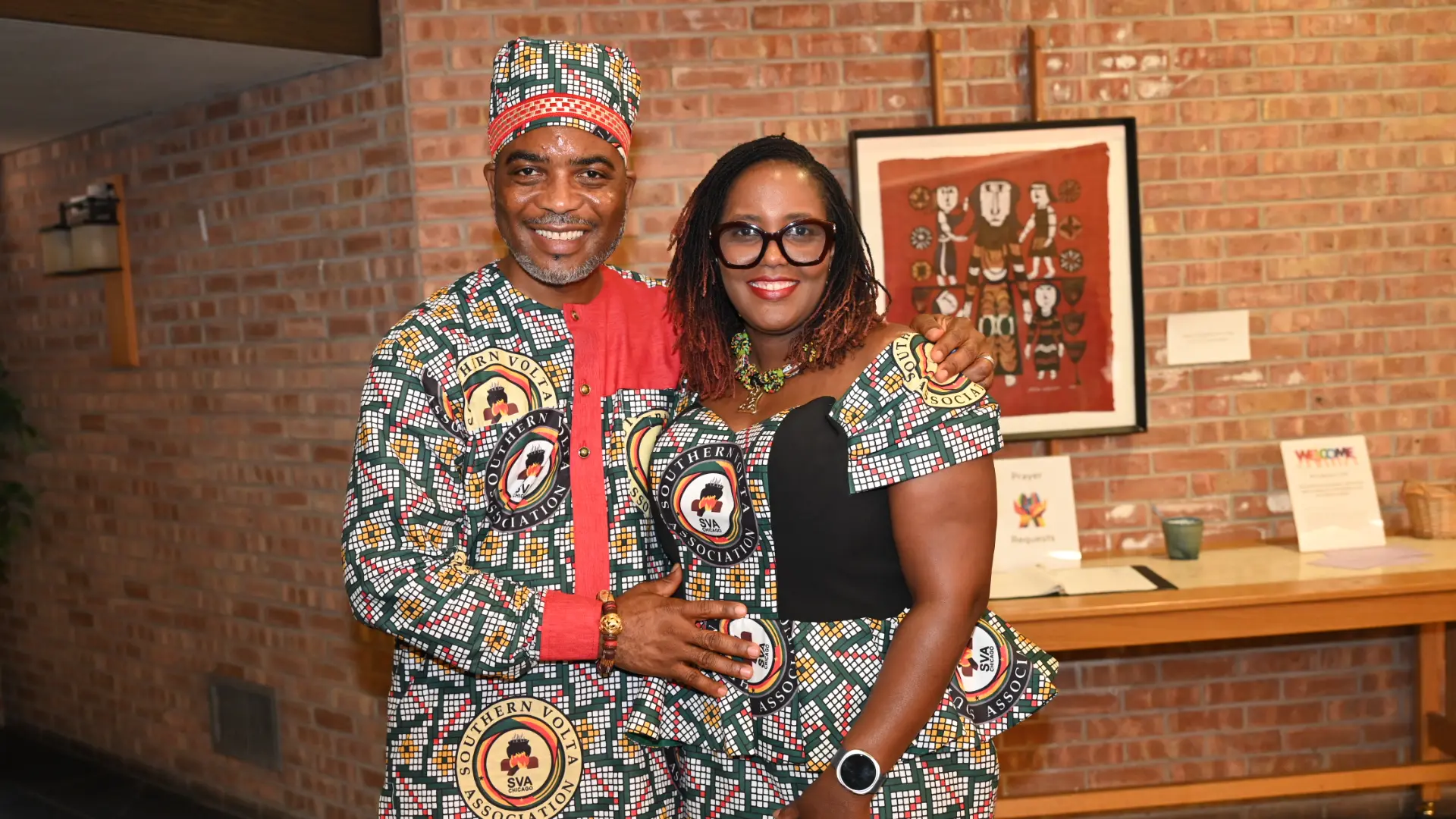
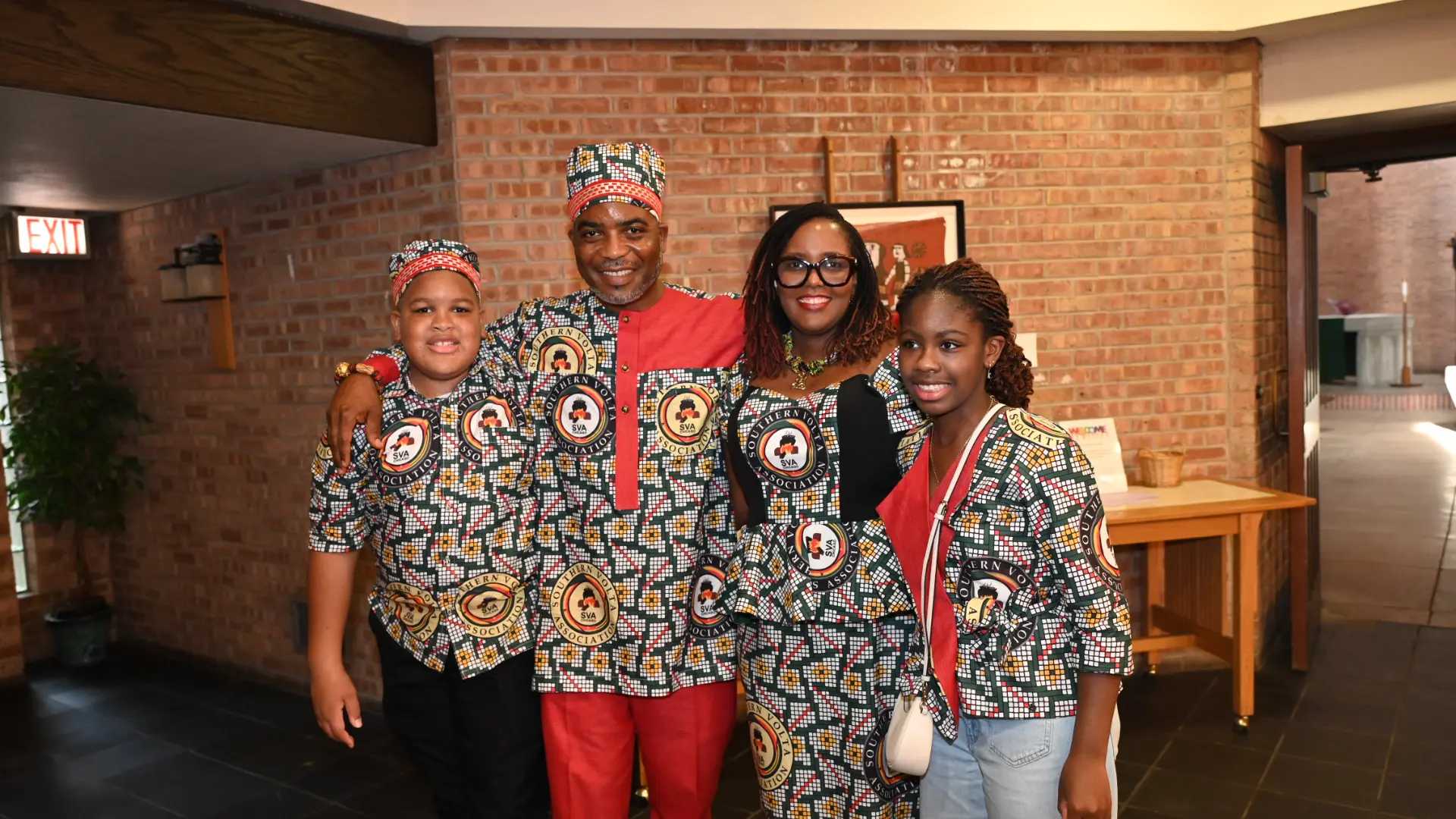
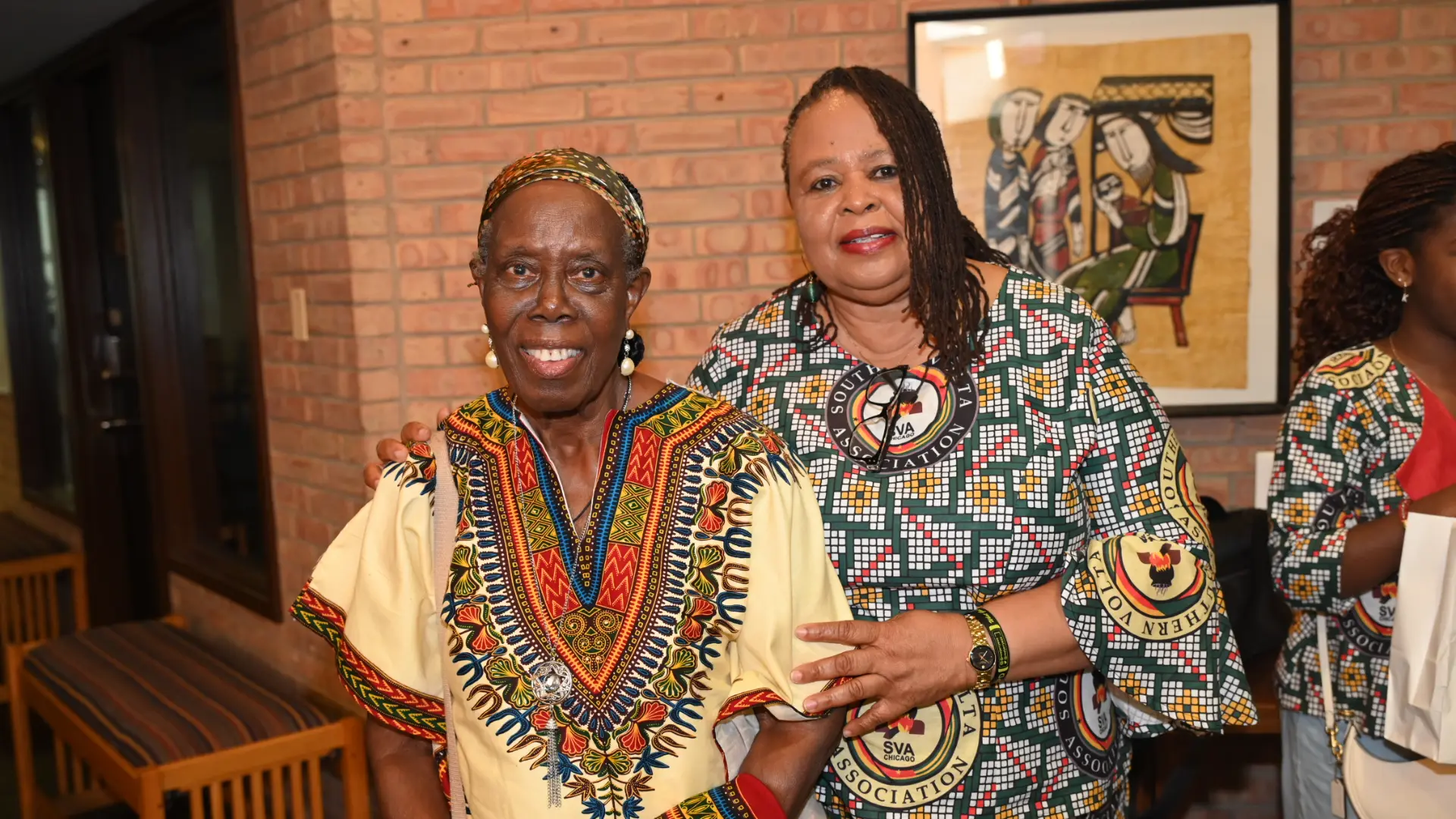
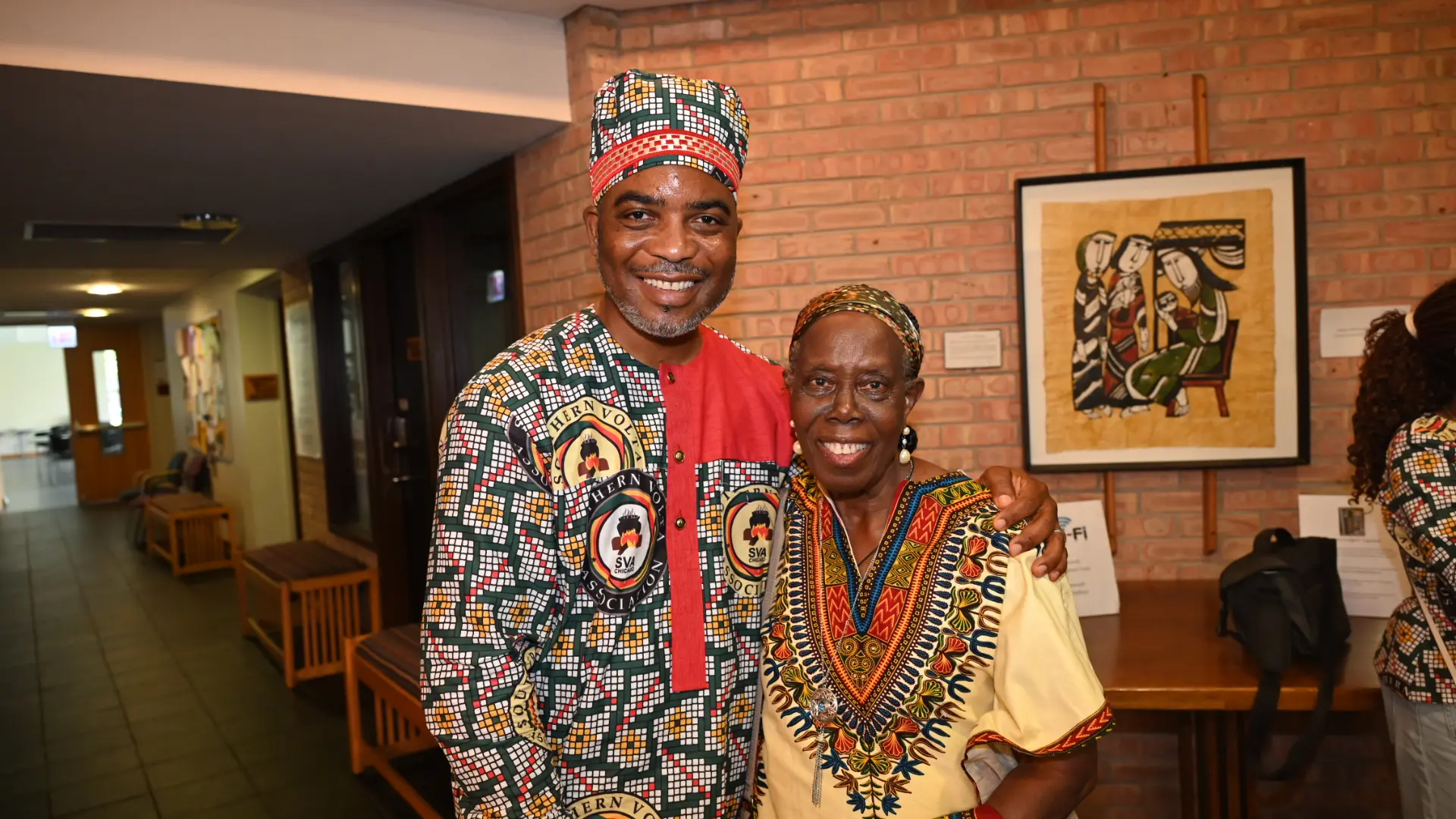
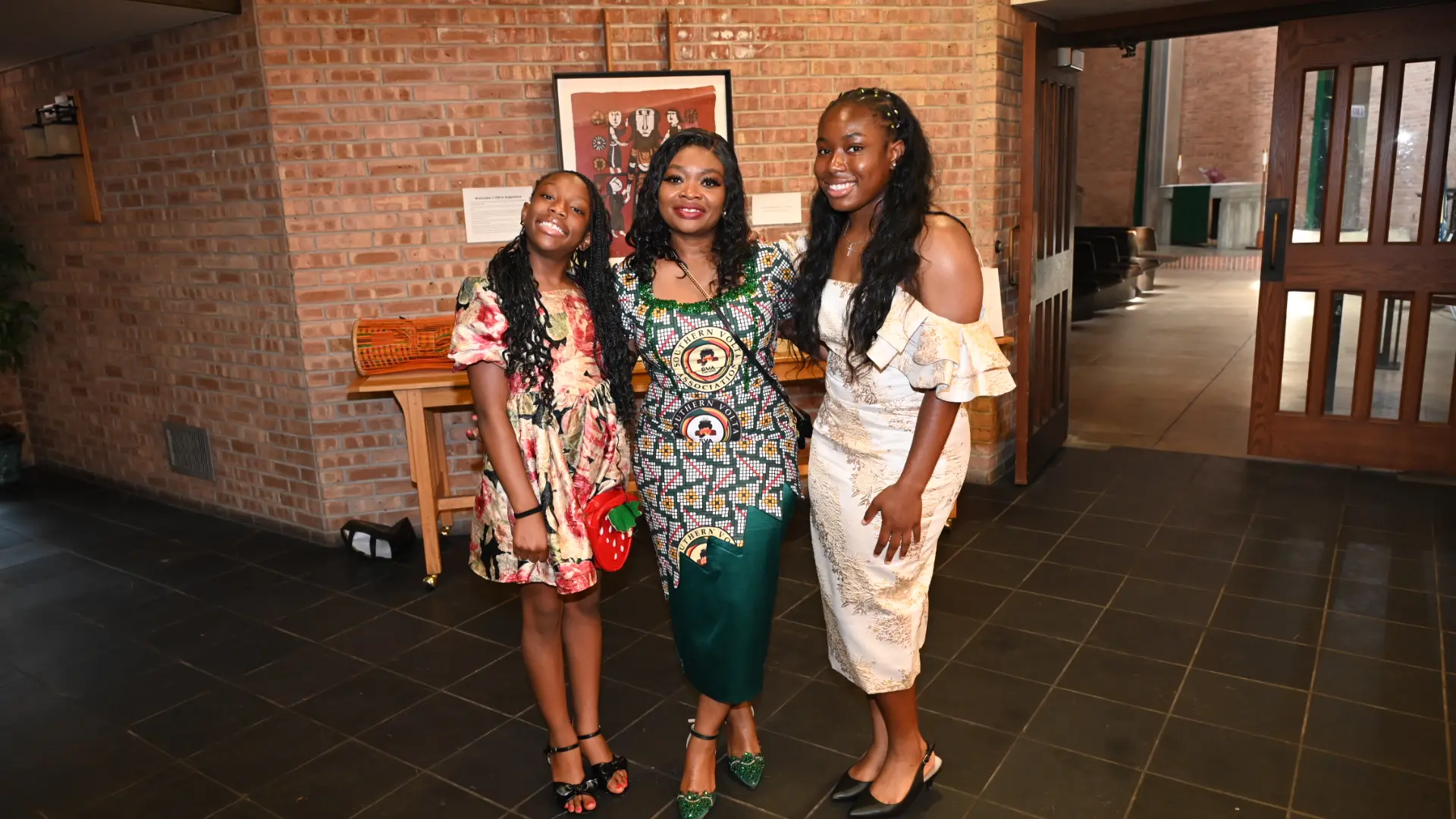
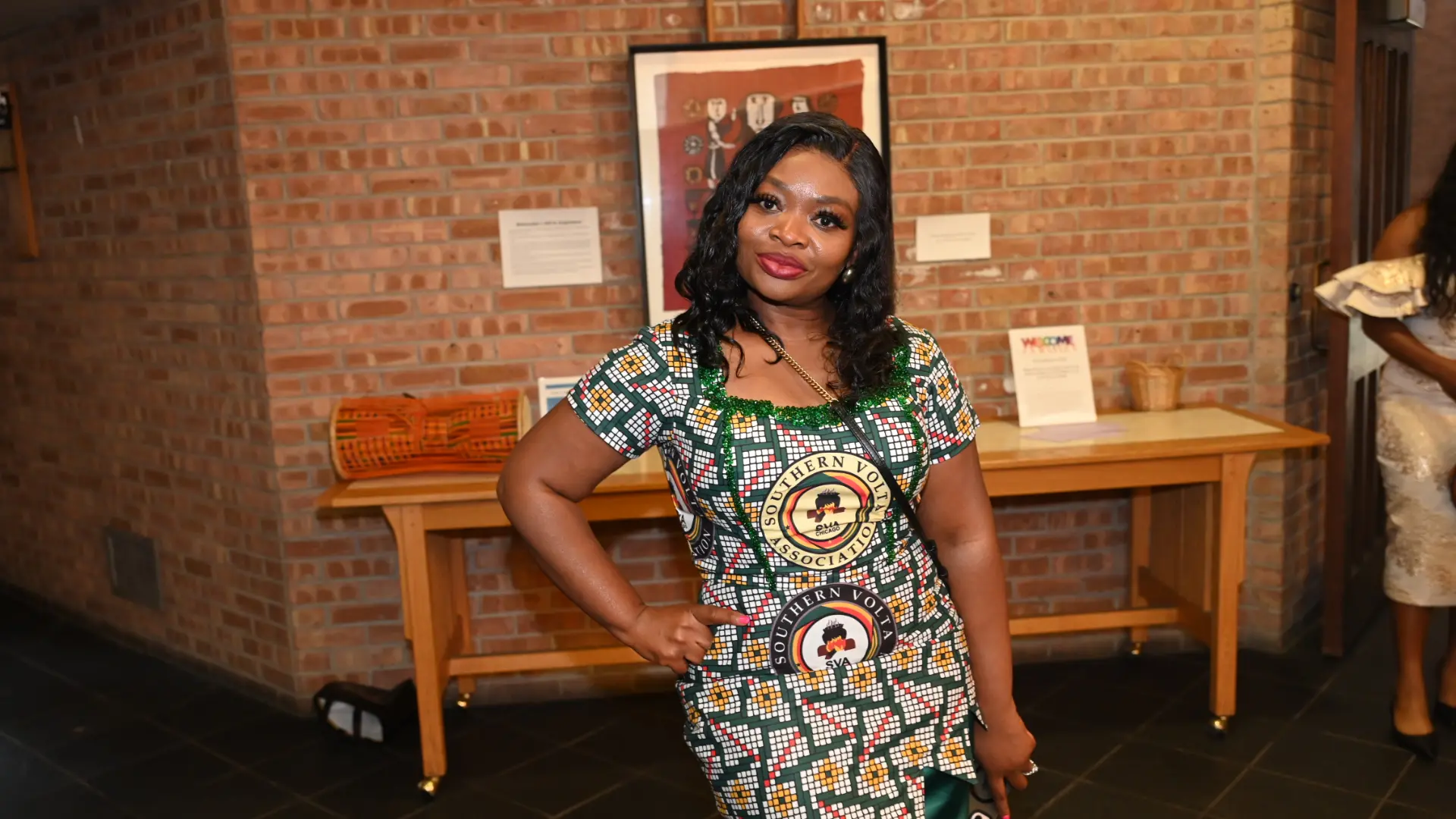
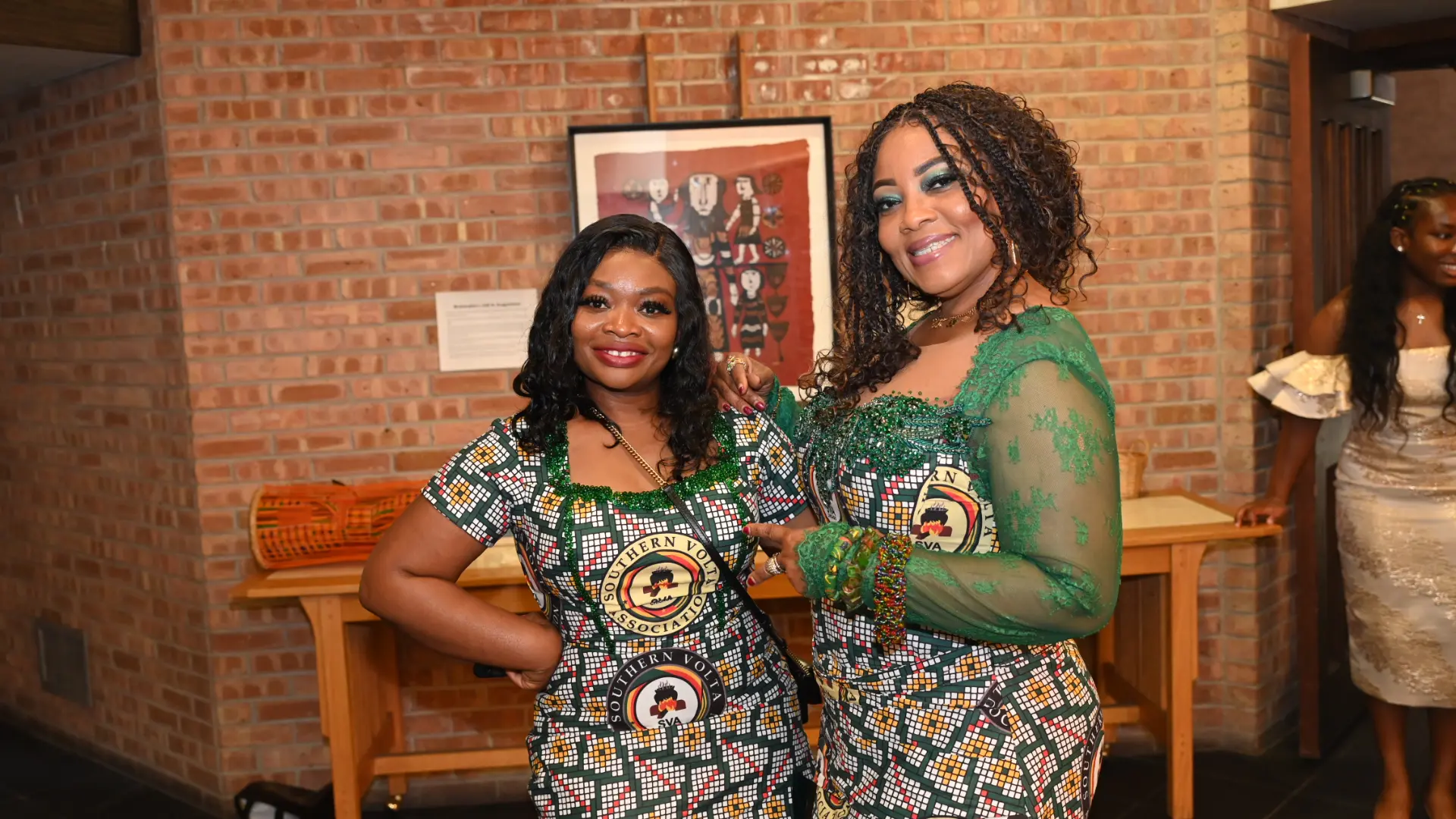
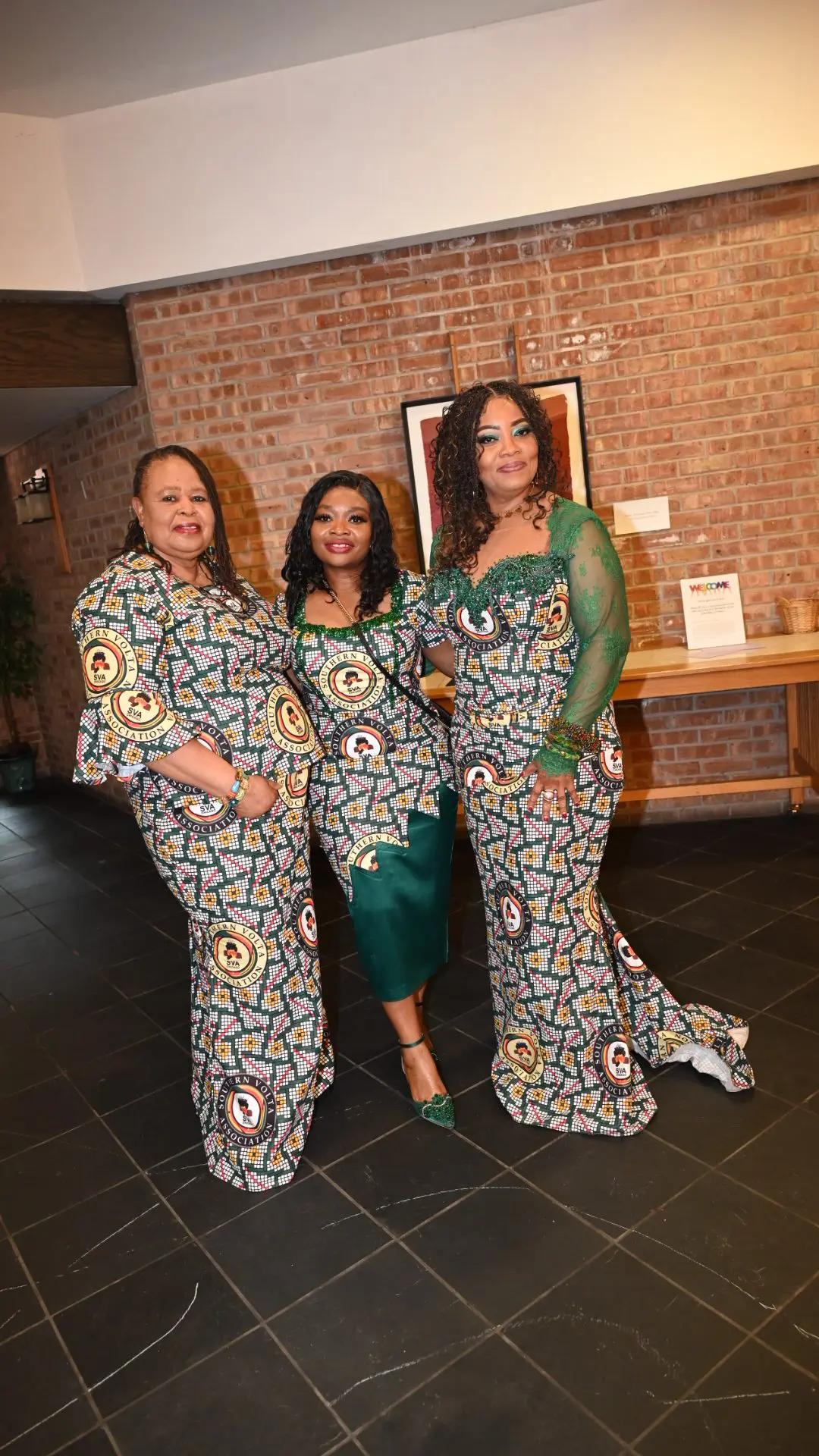
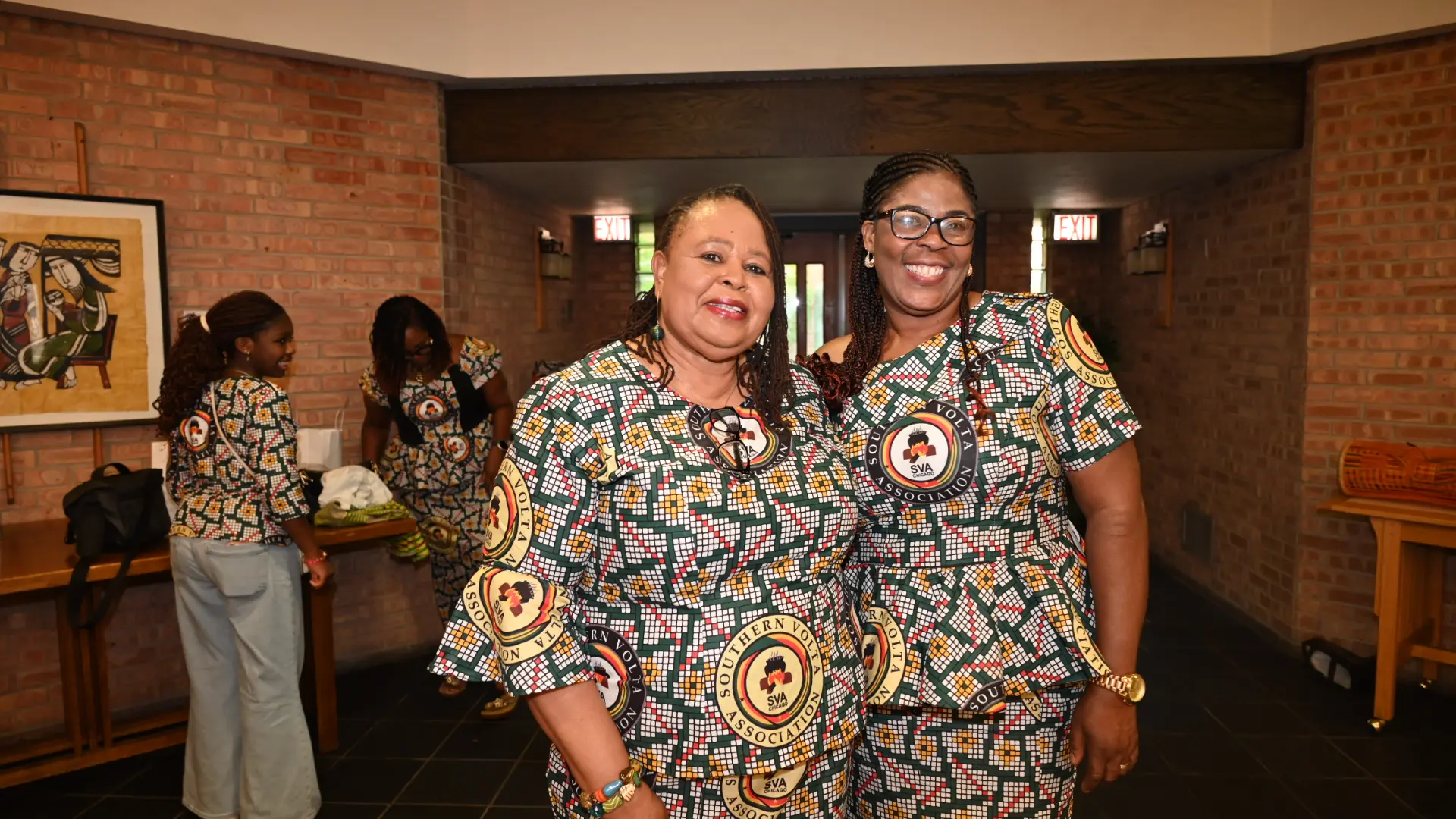
BOLINGBROOK, IL — On Saturday, August 15, 2026, meteorologists issued dire warnings across Chicagoland, predicting relentless downpours and severe thunderstorms that forced organizations and individuals to abandon their outdoor plans. The village of Bolingbrook sat directly in the storm’s crosshairs. Yet where modern science foresaw an unavoidable deluge, the resilient members of the Southern Volta Association (SVA) drew upon the formidable legacy of their ancestors.
Inside the association’s digital forums, a quiet resolve transformed into ancient action. Elders and guardians of tradition deployed time‑honored spiritual methods, invoking sacred powers passed down through generations to ward off the encroaching clouds , a living testament to ancestral faith and communal unity. What followed was nothing short of miraculous. As dark skies hovered threateningly over neighboring townships, a triumphant sanctuary of clear weather opened directly above Central Park, remaining untouched for the entire duration of the festivities despite the morning downpour.
A SACRED AWAKENING IN CENTRAL PARK
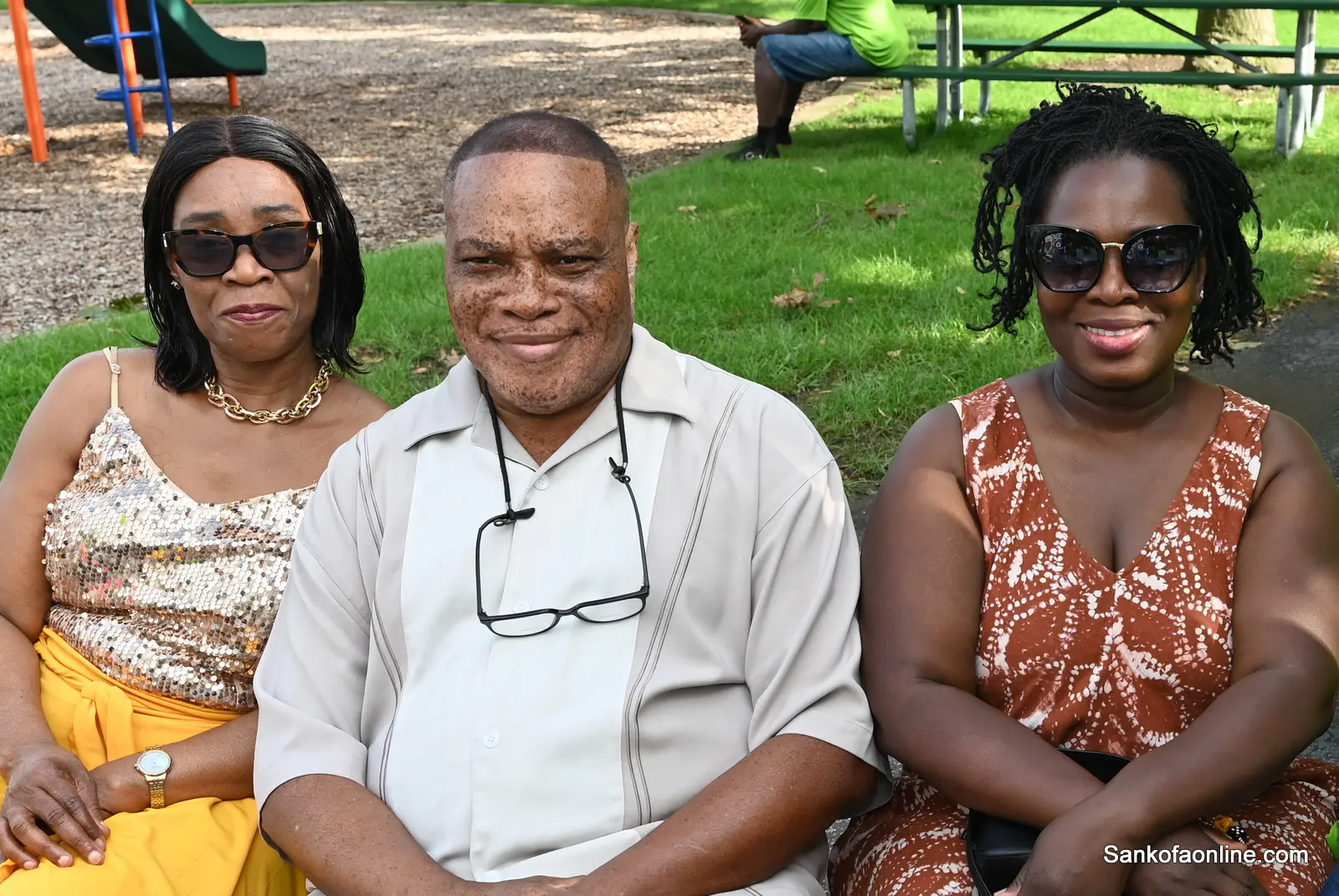
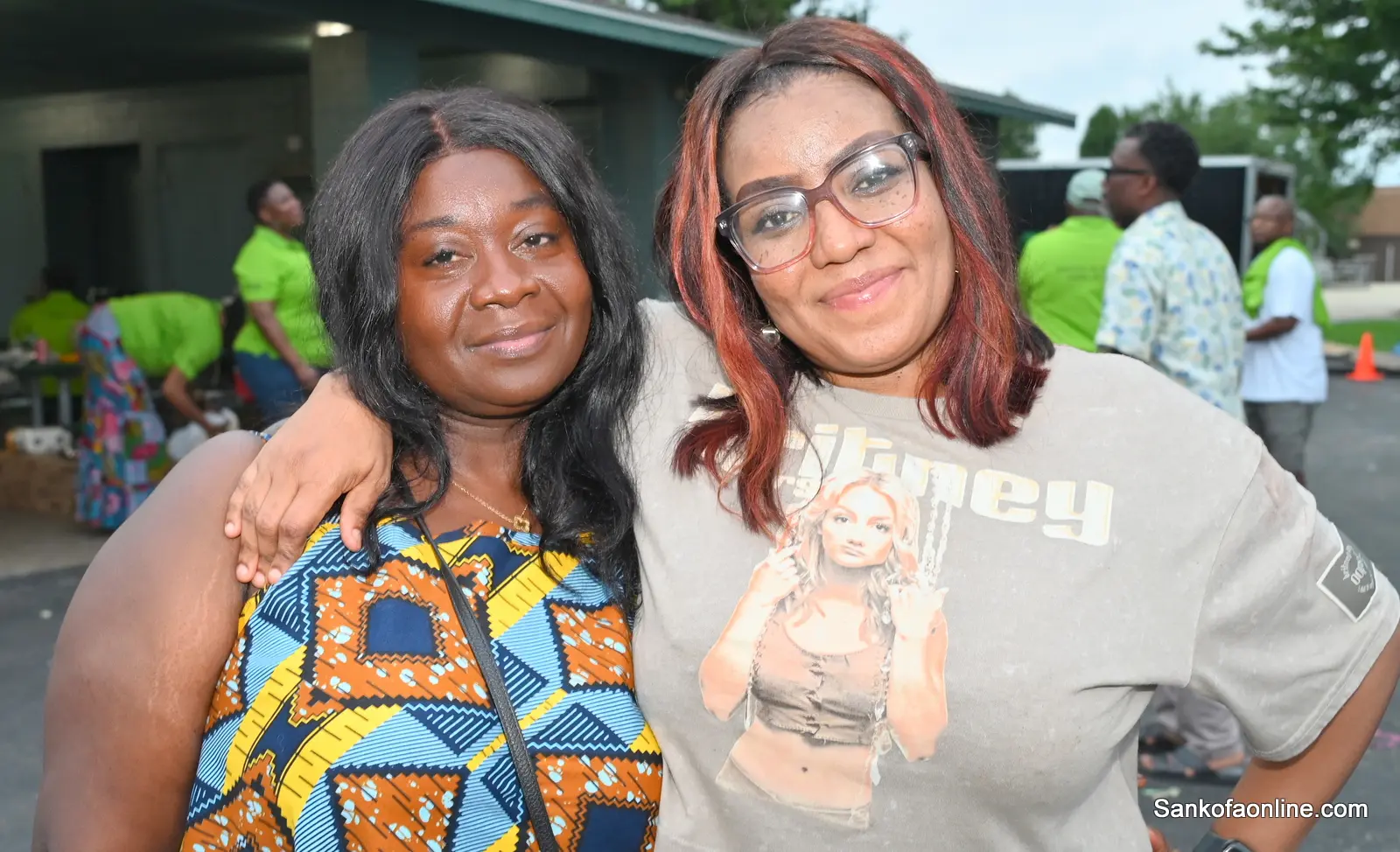
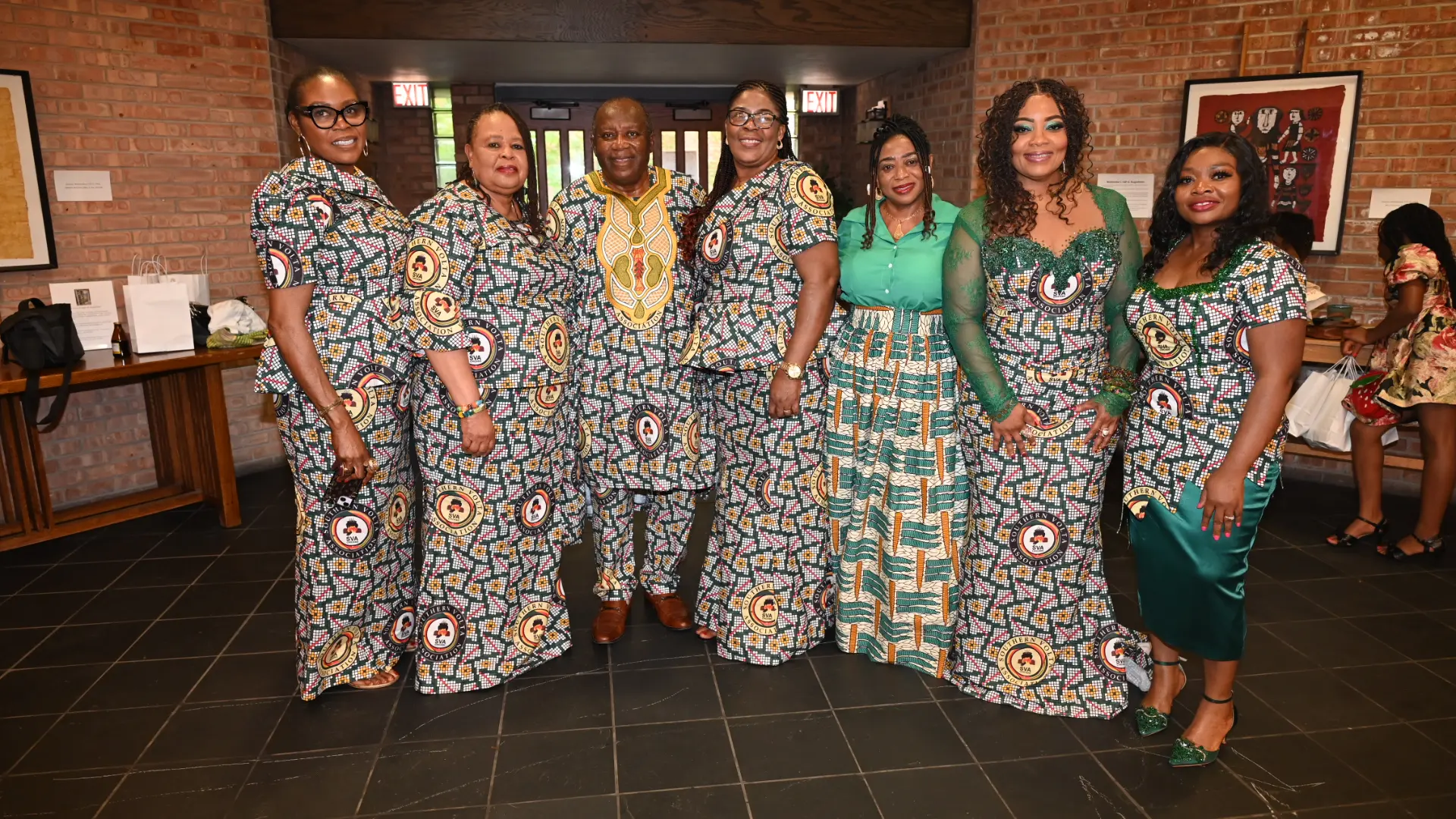
From 11:00 a.m., two towering SVA banners fluttered proudly in the gentle breeze, welcoming families to a transformed Central Park. The grounds were infused with the spirit of Ewe dukor, temporarily turning the heart of Bolingbrook into a vibrant enclave of Ghanaian heritage.
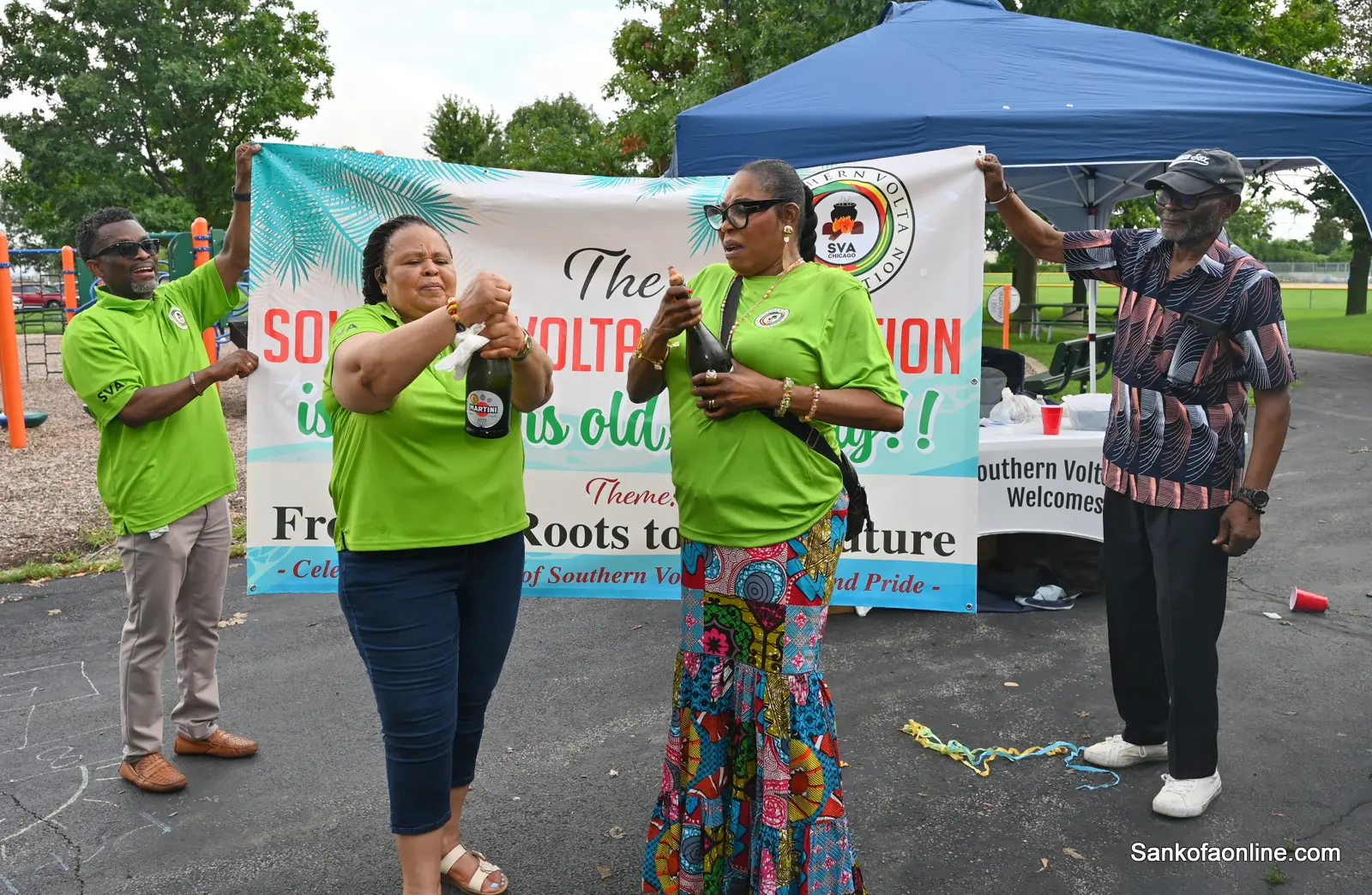
The atmosphere shifted from anticipation to profound reverence during the opening prayer delivered by Rosemary Amegashie. Her words rose like incense over the gathering , a fiery, spirit‑filled invocation that honored the Divine, thanked the heavens for holding back the storm, and called down blessings upon every soul present. It was a spiritual awakening that set a joyful tone for the afternoon, punctuated immediately afterward by the celebratory pop of champagne corks.
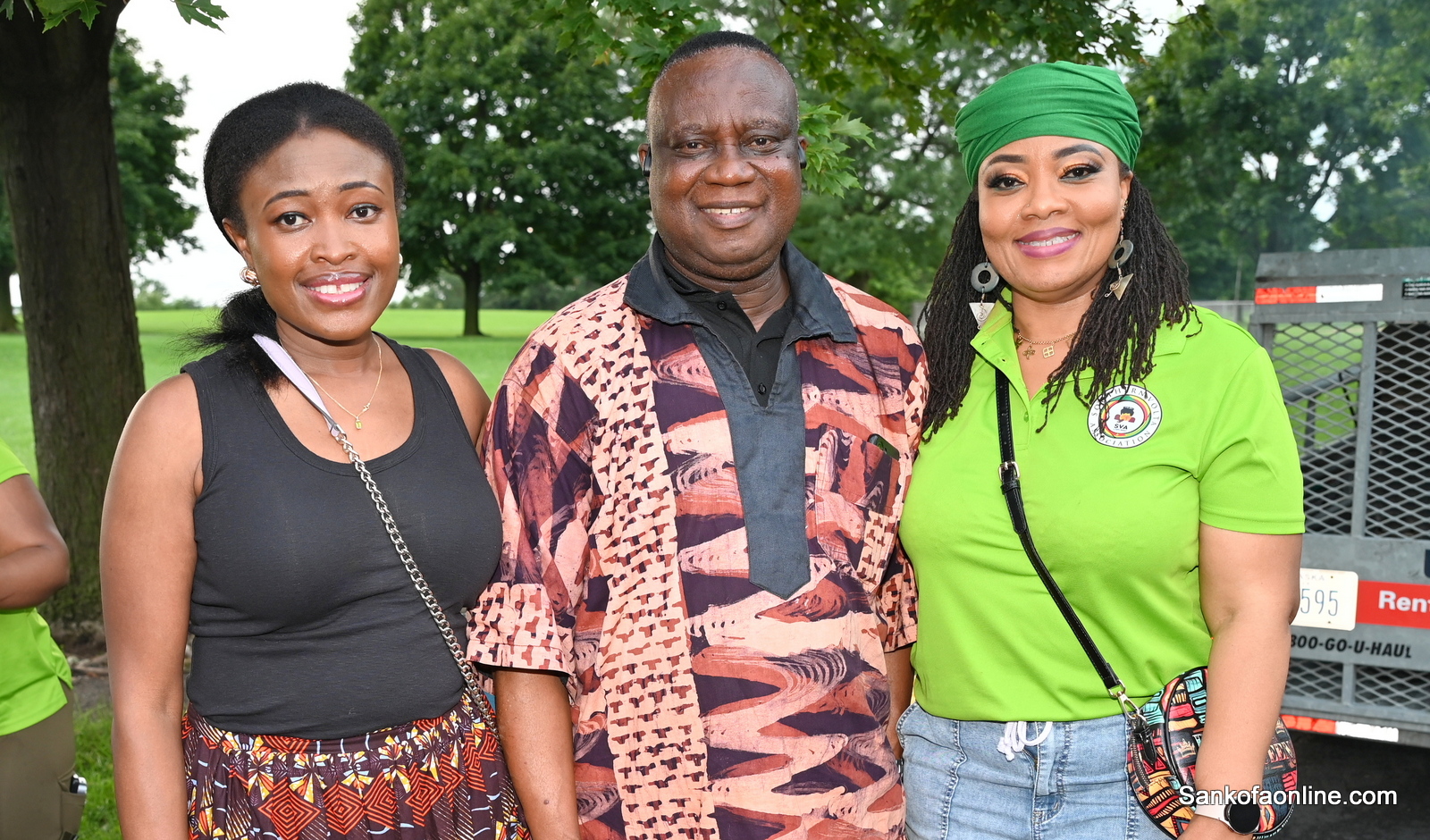
Master of Ceremonies Donatus Kotogbor, who also serves as President of the Southern Volta Association, commanded the floor with magnetic charisma, seamlessly guiding a distinguished assembly of community leaders. Honored guests included Mr. Effah Ameyaw, President of the Ghana National Council; Ms. Selali Ayeke , President , Ewe Association; Togbe Addo and Mama Nunyati Chief and Queen of the Ewe Association; and Mr. Albert Baddoo, Vice President of the GaDangme Community Organization.
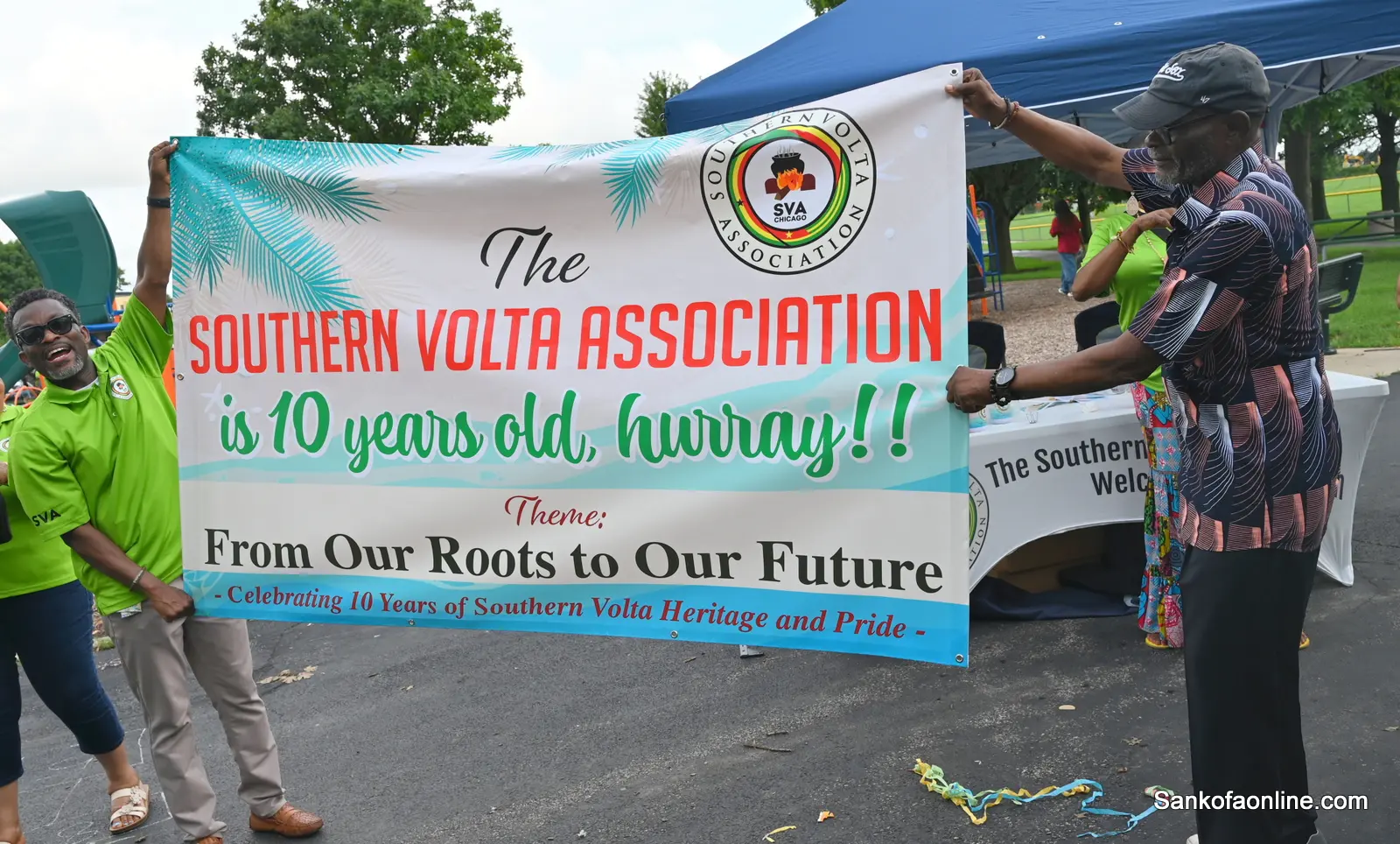
The anniversary banner was unveiled, boldly emblazoned with the emblem of their legacy:
“SOUTHERN VOLTA ASSOCIATION is 10 years old, hurray!! Theme: From Our Roots to Our Future — Celebrating 10 Years of Southern Volta Heritage and Pride.”
CULTURAL MAJESTY AND AN ELECTRIC SYMPHONY
The park erupted into a glorious tapestry of sights and sounds. Children filled the playgrounds with radiant laughter, while adults engaged in spirited matches of Oware, Ludu, and classic card games. The air was rich with the irresistible aromas of a grand feast ,perfectly seasoned fish, chicken, and turkey, meticulously prepared to nourish attendees.
Providing the heartbeat of the day, DJ Love delivered a transcendent musical performance. Reading the crowd with masterly precision, he blended the primal rhythms of Agbadza and Borborbor with high‑energy old‑school classics and deep reggae grooves. The irresistible symphony drew young and old alike into an unbroken circle of dance, creating an atmosphere of sheer euphoria that lasted well into the evening.
A PROFOUND DECLARATION OF IDENTITY
The pinnacle of the afternoon arrived with the official anniversary launch delivered by Togbi Dr. Reuben Hadzide. Stepping forward with immense dignity, he offered an oration that resonated deeply within every listener:
“My people of Southern Volta, today we gather not only to celebrate but to honor the footsteps of our ancestors — from the proud lineage of Togbi Sri to the wisdom of our chiefs and queens, our fathers, mothers, uncles, and aunties, whose guidance has kept us disciplined and united across generations. We stand firmly on the resilience of the thirty‑six towns that form our ancestral heritage, the historic Anlo State. Their enduring spirit has carried us through centuries of unity, courage, and communal strength.For ten years, the Southern Volta Association has served as the modern custodian of that legacy in the Chicago Metropolis, preserving our customs, uplifting our families, and keeping alive the values our forebears entrusted to us. A decade of service. A decade of identity. A decade of Southern Volta pride.And so, in the name of our ancestors, our chiefs, our queens, our elders, and the unbroken spirit of Southern Volta , and with the permission and honor granted to me by the President , I hereby declare the Southern Volta Association’s 10th Anniversary officially launched. May this celebration renew our unity and strengthen our bond. Let the celebrations begin.”
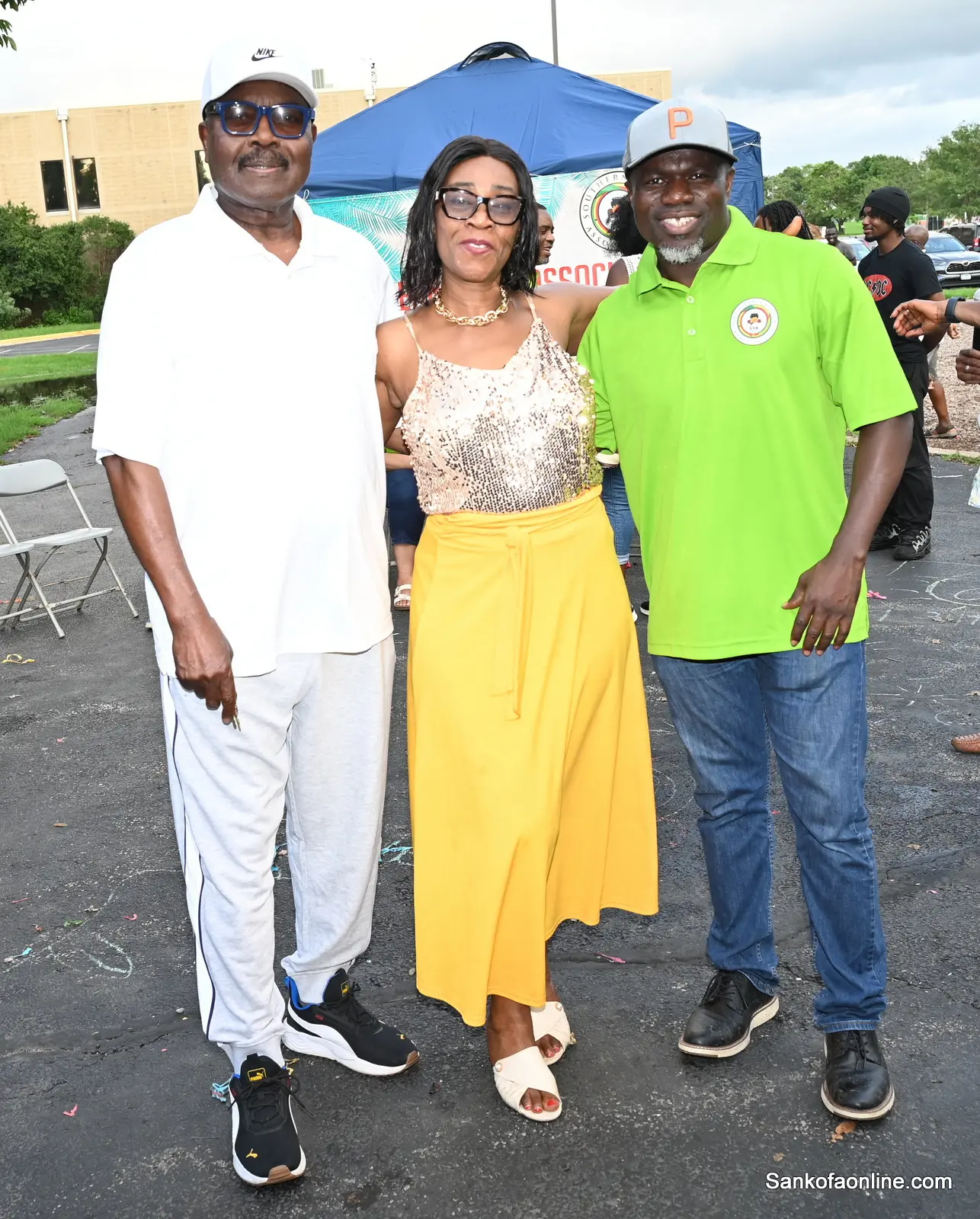
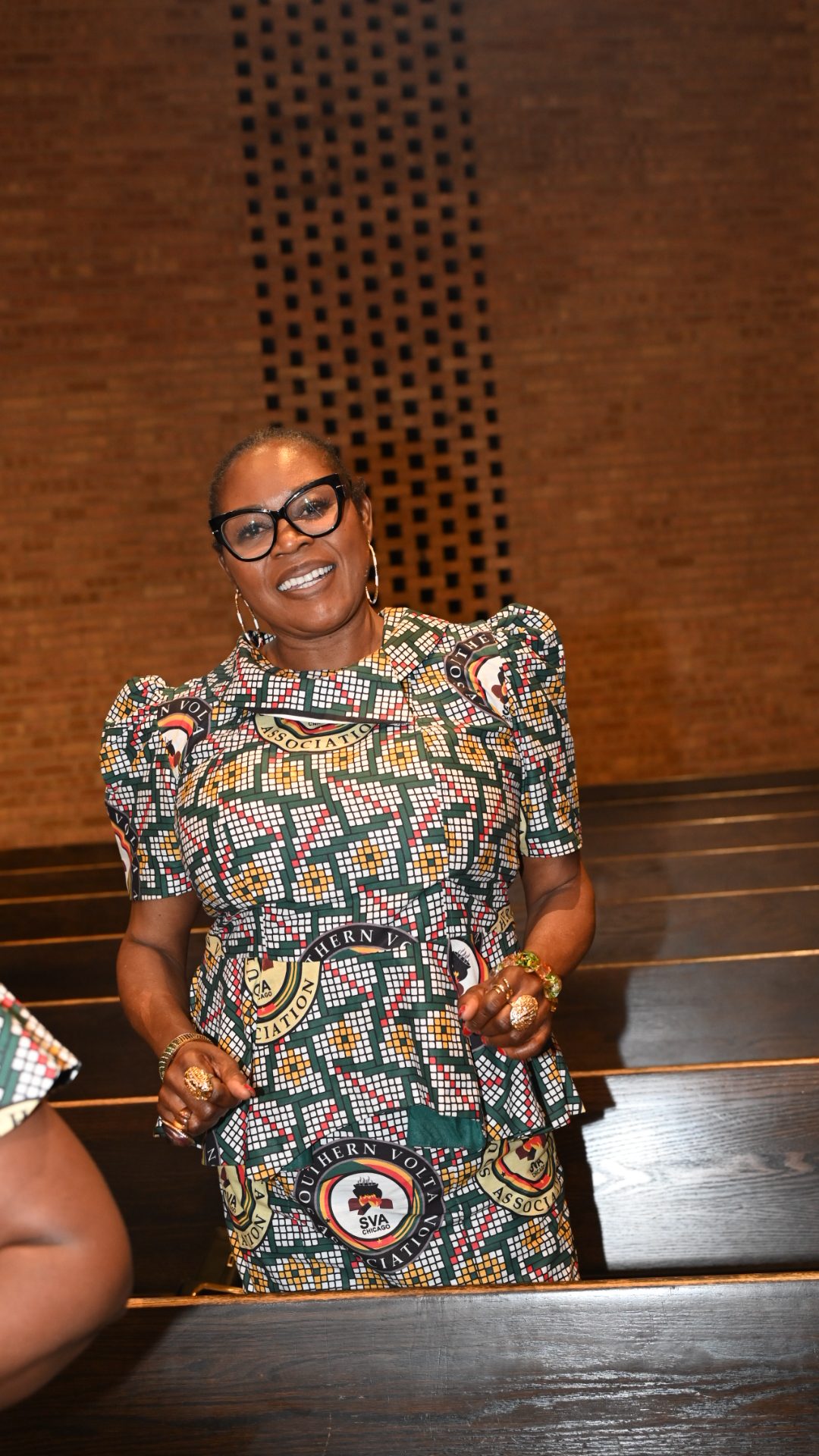
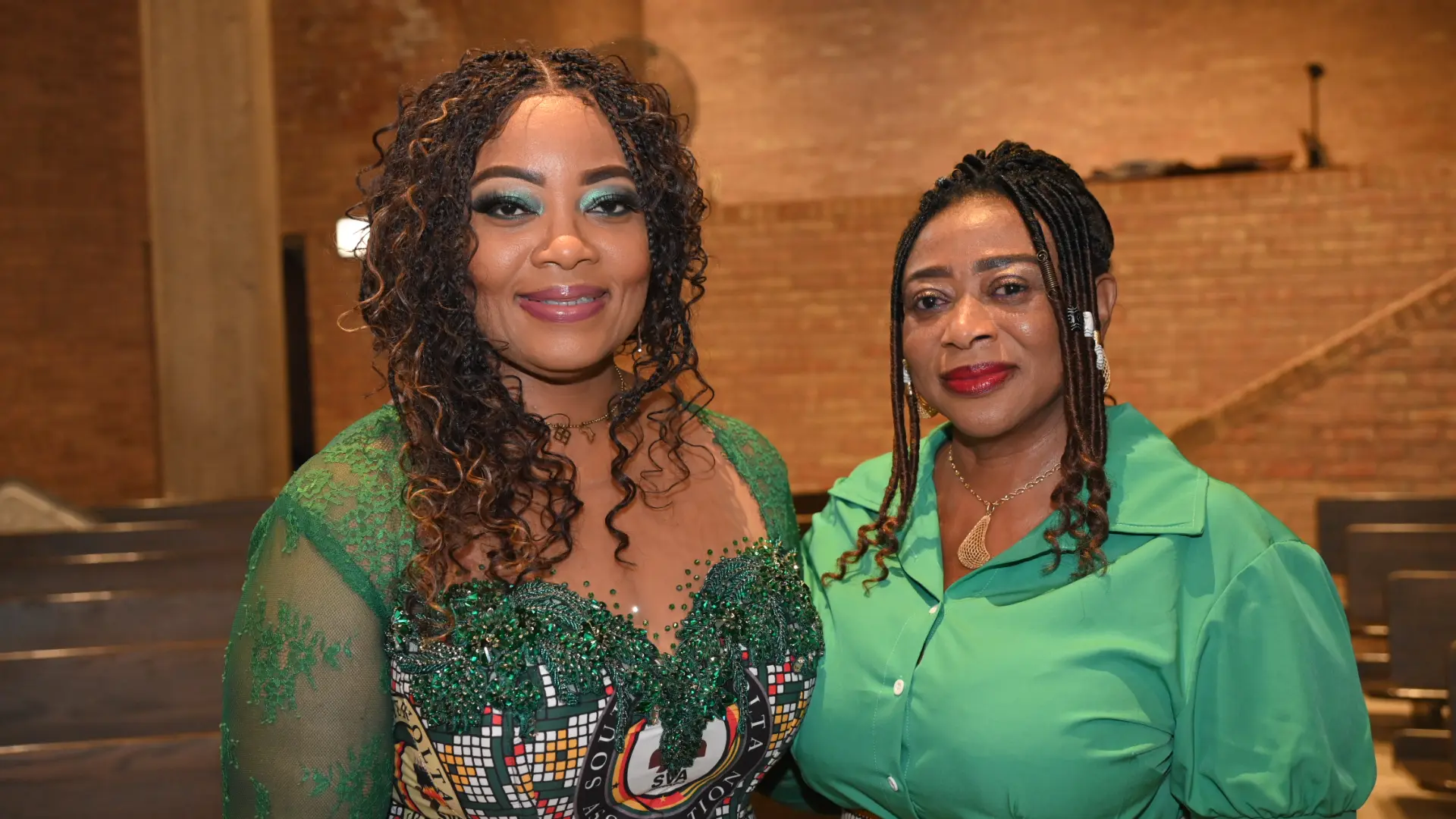
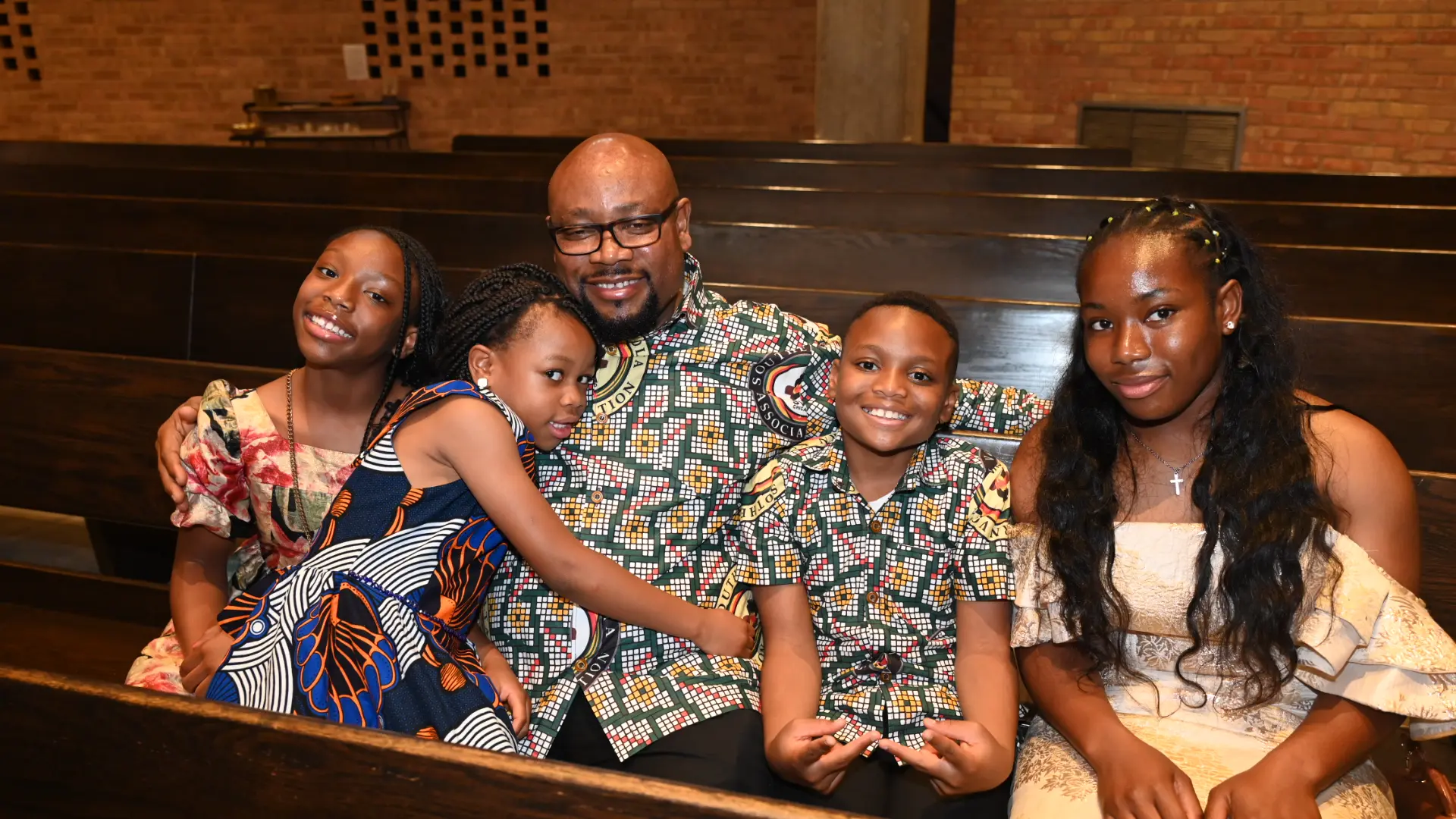
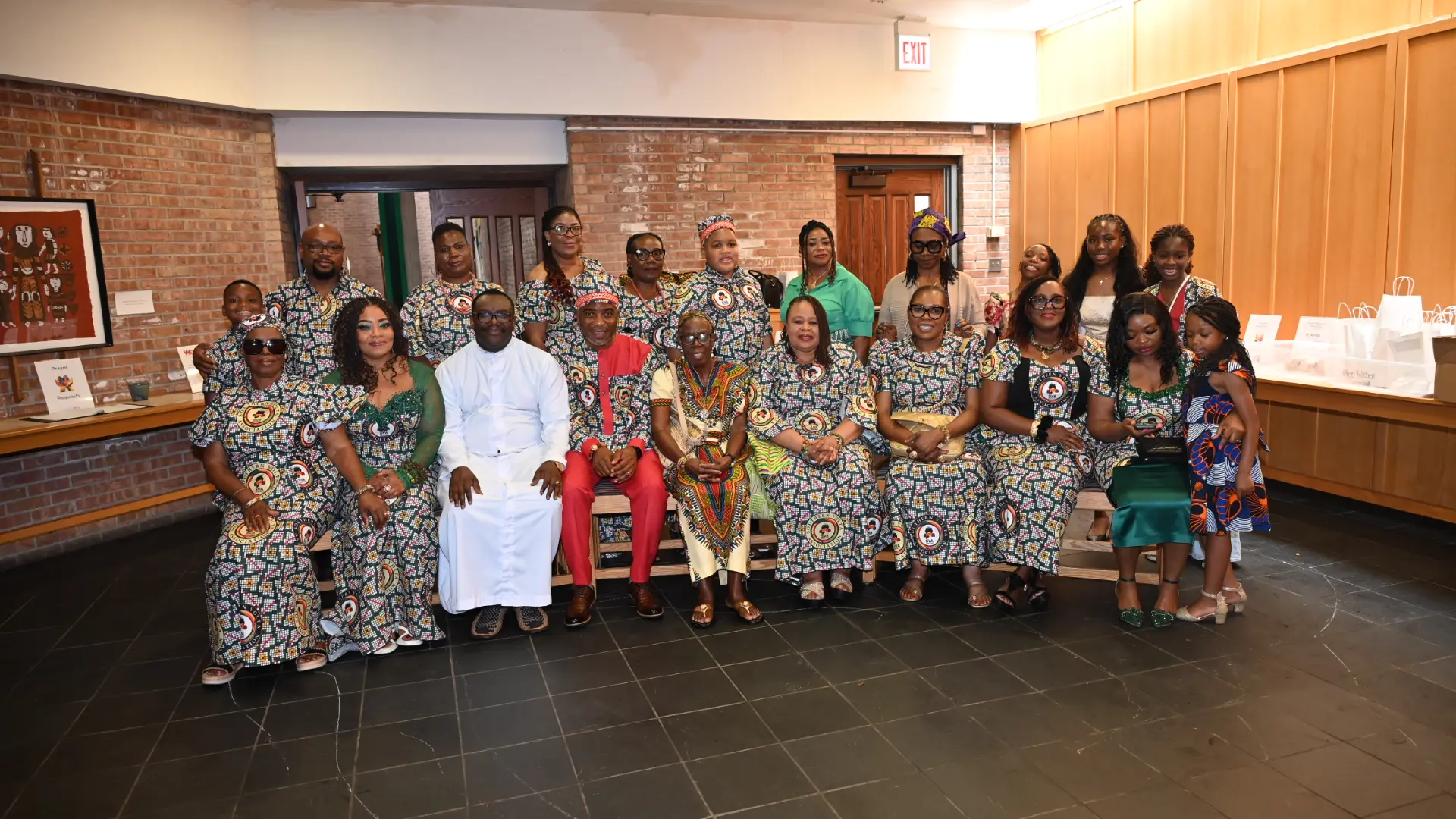
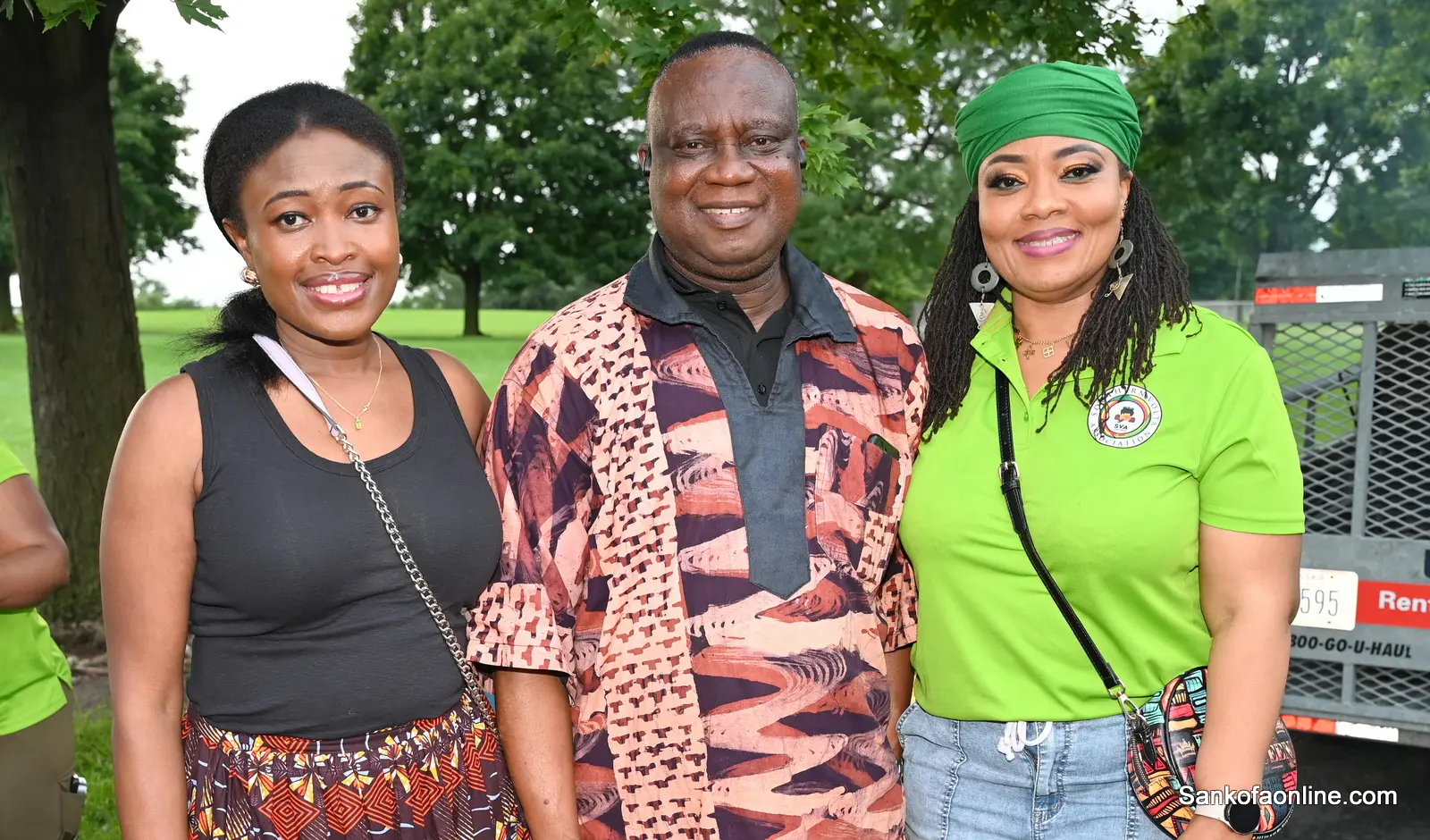
Prolonged cheers, warm embraces, and historic group photographs followed, capturing a milestone etched in time.
LEADERSHIP, SERVICE, AND AN UNBROKEN SPIRIT
The profound impact of the day resonated deeply throughout the park. Reflecting the collective sentiment of the membership, Mama Sedudzi later expressed heartfelt gratitude to the association, reserving high praise for their tireless President, Efo Donatus Kotogbor.
Highlighting his sacrificial leadership, she revealed how she witnessed Efo Donatus working late into Friday night, personally seasoning vast quantities of meat to ensure the festival’s success. She urged members to move away from passive observation or criticism, calling all to embrace the spirit of nɔviwɔwɔ — brotherhood and unity — by asking, “What can I do to help?” Her message served as a powerful reminder that SVA’s growth is rooted in shared responsibility and selfless dedication.
A PRESIDENT’S GRATITUDE AND A CALL TO ACTION
President Donatus Kotogbor later extended heartfelt appreciation to all members, supporters, and friends of the Southern Volta Association for their overwhelming participation during both the picnic and the Sunday church service. He praised their unity, enthusiasm, and unwavering commitment to the association’s mission. With the anniversary year still unfolding, he urged everyone to carry the same spirit of togetherness into the upcoming Gala Dinner Dance, reminding the community that their collective energy is the true engine of SVA’s success.
THE CELEBRATION CONTINUES
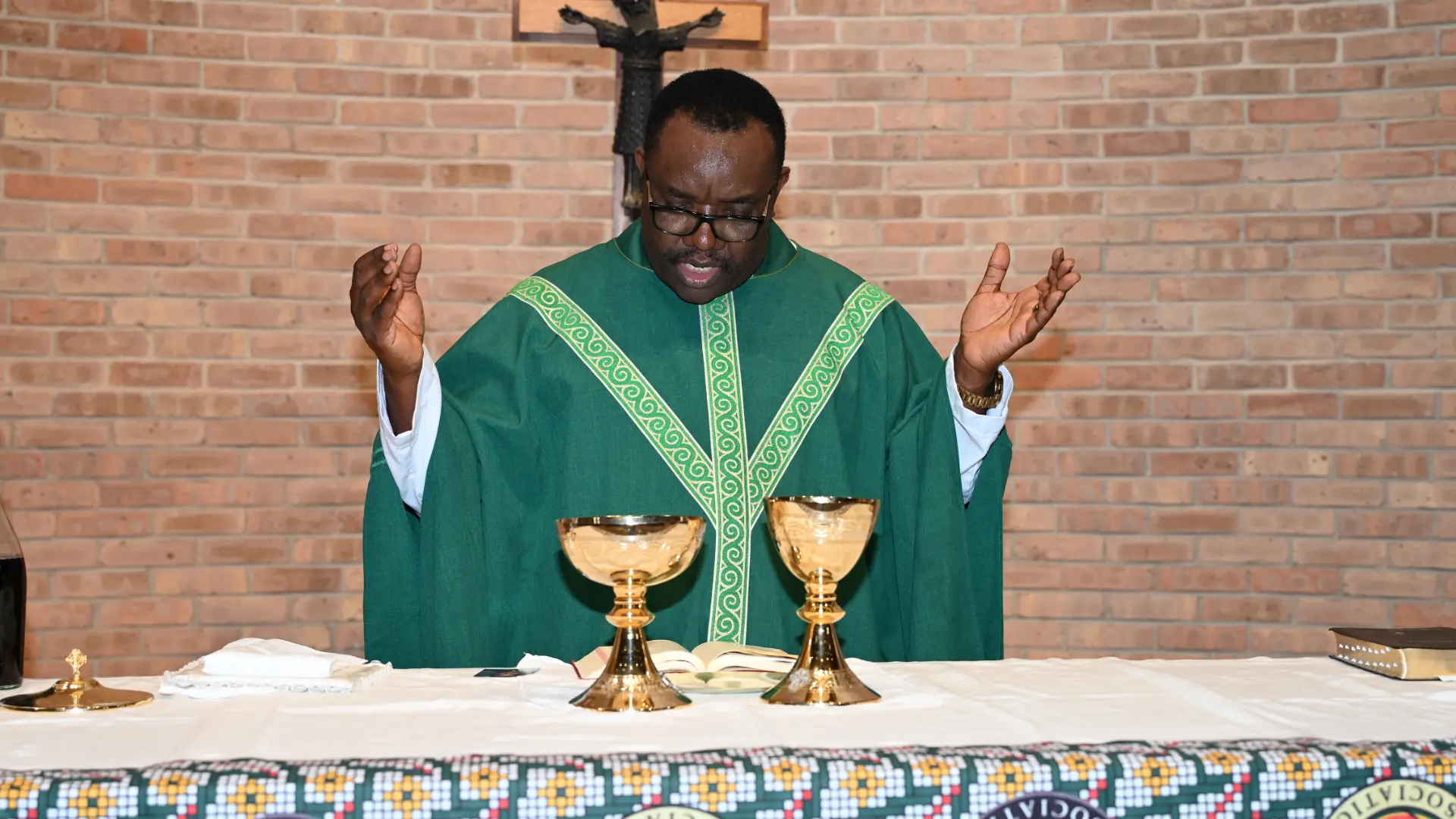
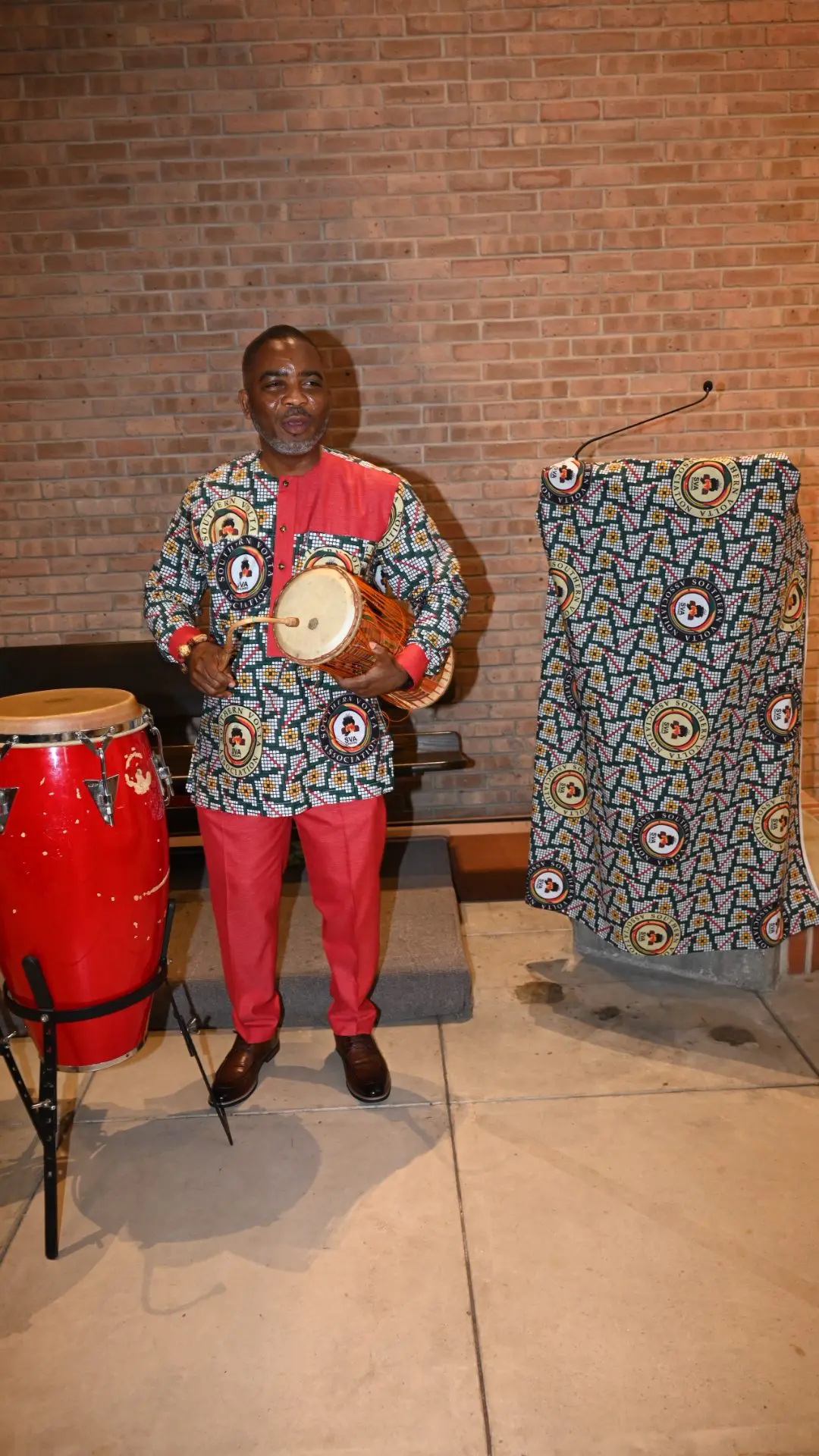
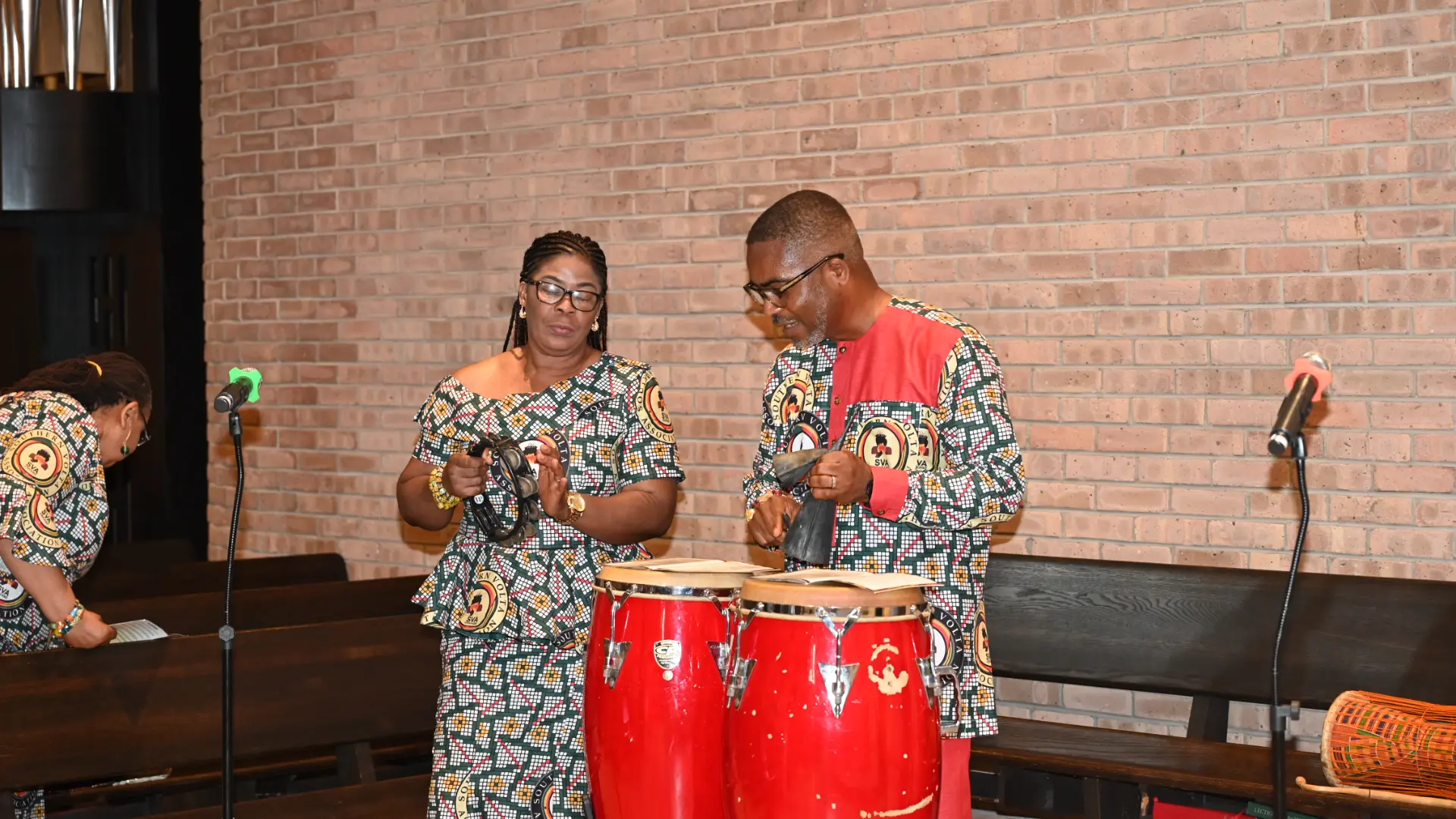
The historic weekend transitioned into sacred reverence on Sunday, August 16, as members gathered at the Lutheran Church on 5500 S. Woodlawn Avenue in Chicago for a dedicated 10th Anniversary Mass. Conducted entirely in the Ewe language by Father Pius Kokose, the service offered solemn thanks for a decade of grace, resilience, and fellowship.
Though the park has cleared and the sacred mass has concluded, the milestone anniversary year is far from over. The Southern Volta Association will bring its 10‑year celebration to a grand conclusion on December 26, 2026, with an elegant Gala Dinner Dance in Chicago , a final tribute to their unbroken motto:
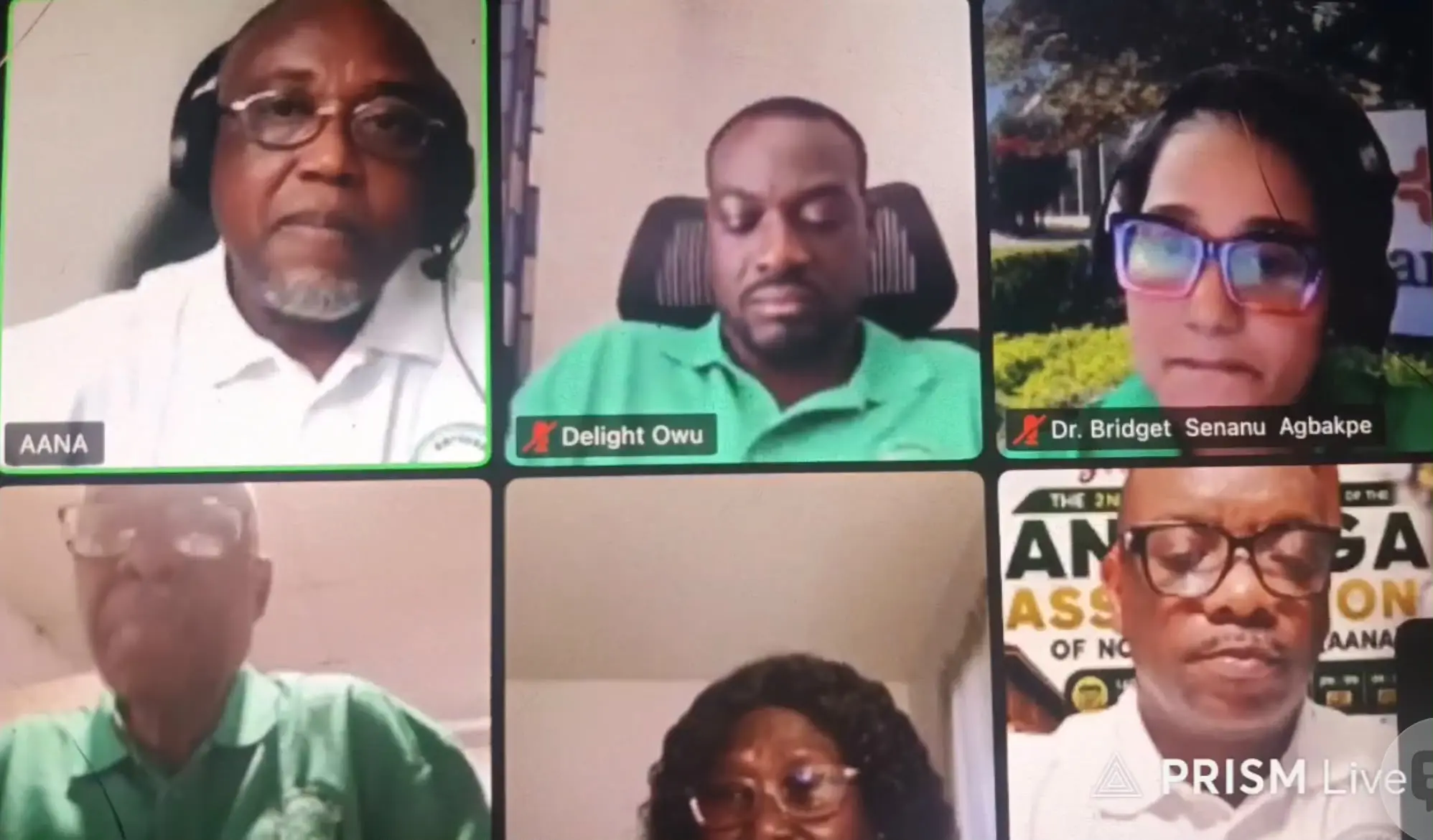
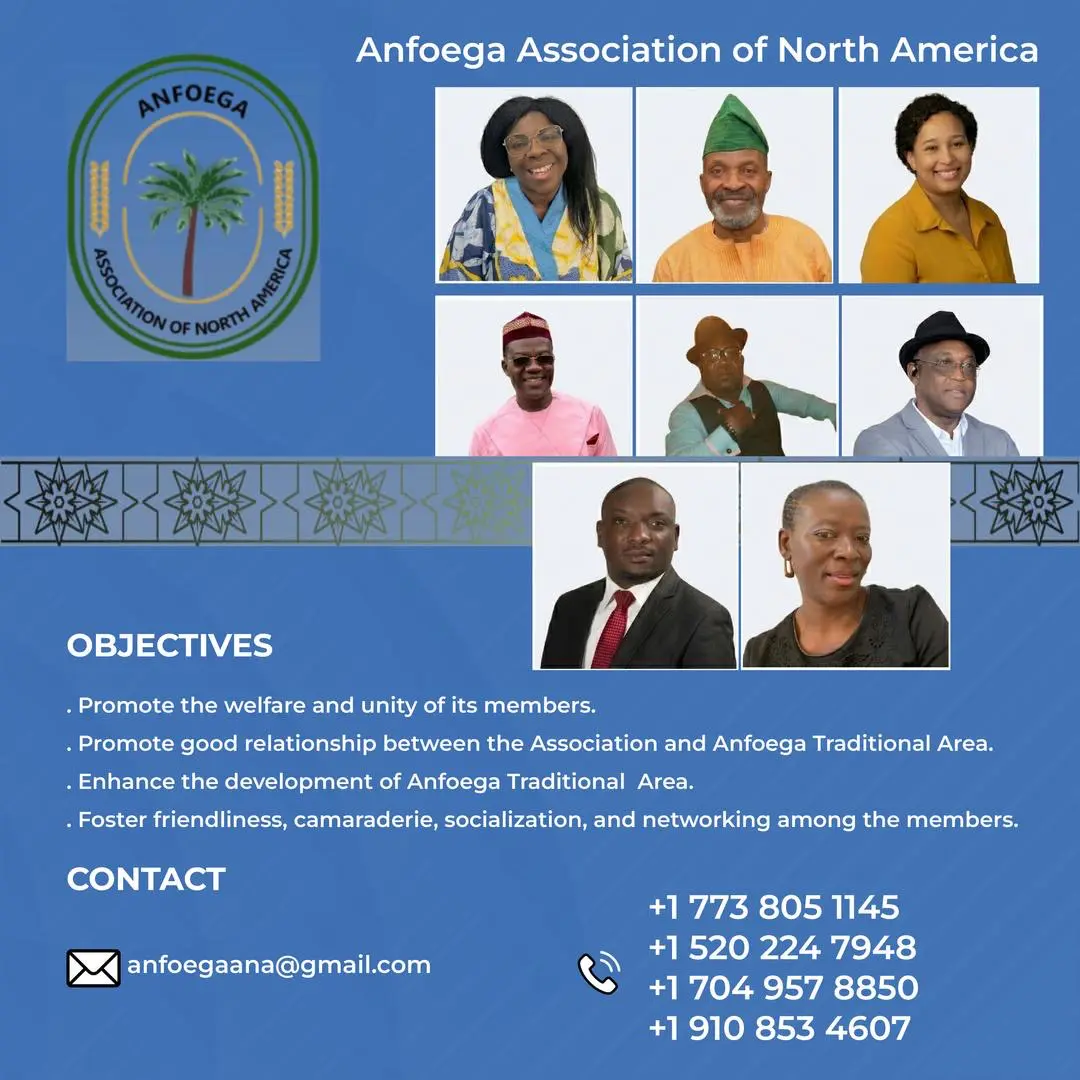
The Anfoega Association of North America (AANA) marked a significant milestone on Saturday, August 15, 2026, as members, friends, and well-wishers from across the North America and Canada gathered online for its 2nd Virtual Convention. The event was a vibrant blend of cultural pride, community spirit, and forward-looking initiatives, reaffirming the Association’s mission to unite and uplift the Anfoega diaspora and bring development to the Anfoega Traditional Area.
Born out of compassion and solidarity just five years ago, AANA has grown from a small WhatsApp group into a dynamic network dedicated to supporting members in times of need, preserving cultural heritage, and fostering development in the Anfoega area. This year’s convention carried the theme “Tackling the Urgent Needs of Our Community”, reflecting the Association’s commitment to development, unity,and progress.
In his Welcome Address, the President of the Association, Dr. Mark Kutame, spoke about the convention as another milestone to celebrate the history of the association, the resilience and dedication that defines the association, our family ties, the shared heritage, common values, and collective aspirations. He reflected on the achievements of the association since its formation and challenges that confront us. He called on all members to remain focused on strengthening the bonds that bind the members, preserving the cultural heritage, empowering each other, and investing in the initiatives of the associationthat will leave a lasting legacy for future generations.
Highlights of the Convention
• Inspiring Keynote Address – The keynote speaker, Hon. Ernest Adevor, the District Chief Executive of the North Dayi District, emphasized the power of collective action, urging participants to channel their shared values into sustainable community projects. Some community projects in advanced stages of development, he noted, included: (i) housing for teachers in the basic schools, (ii) construction of new schools in all the villages, (iii) liaising with Colleges of Education to become conduits for teachers in the district, (iv) completion of the administration block at the Anfoega Senior High School, (v) completion of a girls’dormitory under construction, (vi) installation of a solar-powered mechanized borehole, (vii) construction of a new hospital at Denui and Akloba with nurses quarters, (viii) laying of pipes to bring water from the Kpando area to all villages in the area including Vakpo, and (ix) acquisition of land for a 24-hour economy market at Gblenkor and Vakpo which would include a police station, shops, a fire-station, creche, and rest rooms.
He also spoke to the urgent need for qualified teachers in the basic schools among other needs that include: (i) an ICT center for students, (ii) an anesthesia machine for the Catholic Hospital, (iii) value-added clay industry, and (iv) establishment of an FM station.
His address was followed by a Q & A session. Questions spanned several topics including security, barriers to educational achievement from pupils, employing and keeping qualified teachers, the poor road network connecting villages to the district capital, infrastructure network including the Catholic Hospital, resource allocation within the district, and poor communicationchannels.
• Panel Discussions: Moderated by Dr. Bright Fleku, an academic and researcher in psychology and treasurer of the association, panel discussions were held on three main topics: (a) Financial Planning and Entrepreneurship for the African in the Diaspora, (b) Health and Wellness for the African in the Diaspora, and (c) the Role of Parents in Children’s Education in America.
Mrs. Grace Yanum-Kenney, a nurse, and Dr. Joy Kwakuyi, a mental health expert, led discussions on stroke and mental health. Mrs. Yanum-Kenney, explaining the warning signs of stroke, used the acronym, BEFAST (B= balance and sudden dizziness, E=Eyes, blurred vision, F=Sudden drooping of the mouth and numbness of the face, A=sudden numbness of one side of the body such as the arms or feet, S=Slurring of speech or inability to speak, T=Time, the need to immediately call 911). Dr. Kwakuyi spoke to the need to check-in with others and emphasized that actions such as taking vacations, getting sleep, developing trusting relationships etc. were important to sound mental health.
Dr. Nana Ama Abro-Adibo, a financial professional and insurance agent expert, led a discussion on finance and developing wealth. She advised members to consider saving in index funds, building wealth, and investing for the future and to avoid an over-reliance on Go Fund Me or other fundraising from communities when there is a crisis.
Dr. Wisdom Agorde, Professor of English, and Mama Agudze II (Ms. Rejoice Addae), Social Work Professor, led discussions on the role of parents in the diaspora. They emphasized the need to form bonds with children, take an interest in children’s education, and create a relationship with children so that they could be comfortable in bringing their issues to them.
• Cultural Showcases – Attendees enjoyed traditional Ewe music, dance, and storytelling, bringing the warmth of home to screens worldwide.
• Fundraising Success – Fundraising efforts were led by Ms. Laura Attipoe, Social Worker, and financial secretary of the association, and Mama Agudze II. The convention raised significant funds to expand the Association’s developmentinitiatives. Funds raised were targeted at installing two large poly-tanks on the premises of the Anfoega Senior High School to store water from the school’s borehole and the laying of pipes to distribute water from the borehole to various sectors of the school.
A Spirit of Gratitude and Hope
In his final closing remarks, Dr. Kutame offered heartfelt thanks to the technical team, volunteers, donors, and participants whose dedication made the convention a success. With renewed energy and a clear vision, the Anfoega Association of North America looks ahead to an even brighter future—one where tradition and progress walk hand in hand, and where every member feels the embrace of a truly global family.
Ghana’s macroeconomic recovery is real and, in places, remarkable. That arithmetic is still the most important number in the economy, and 2027 is when it will be tested.
By Dr. Sam Ankrah
A seat in Ghana’s Parliament pays a gross salary of about GH¢28,000 a month. Winning one now costs about GH¢10 million.
The second figure comes from the Centre for Democratic Development, presented to the Constitutional Review Committee in April 2025 by its Director of Programmes, Dr Kojo Asante, who put the cost of a parliamentary seat at roughly 650,000 US dollars and the presidency at between 100 and 150 million dollars.
Round it generously and it still takes close to thirty years of gross parliamentary salary to buy a four year job.
So either our politicians are the most self sacrificing philanthropists in West Africa, or the seat is an asset whose expected return clears GH¢10 million. Capital does not flow toward negative net present value. Markets do not lie about this.
Ghana has just posted its strongest macroeconomic figures in a decade. Inflation fell to 4.6 per cent in July 2026, having touched a seven year low of 3.2 per cent in March. Real GDP grew 6 per cent in 2025 and 6.4 per cent in the first quarter of 2026. Public debt fell from 61.8 per cent of GDP at the end of 2024 to 44.7 per cent at the end of 2025. Debt service, which consumed 55.7 per cent of domestic revenue in 2022, took 28.6 per cent in 2025. Government cleared GH¢5.3 billion in legacy arrears without accumulating new ones. Per capita income rose from 2,527 dollars in 2024 to 3,385 dollars in 2025, the highest ever recorded. In July the IMF completed the sixth review of the Extended Credit Facility.
I say all of that as someone who sat through 2022, and I will not diminish it.
But underneath the recovery sits an incentive that no budget statement has ever addressed. In Ghana today, the risk adjusted return on political entrepreneurship still exceeds the risk adjusted return on productive entrepreneurship. Stabilisation is not transformation. What broke us in 2022 was never primarily a debt management error. It was an incentive, and the incentive has not been touched.
THE PRICE OF A SEAT
The trend matters more than the level, and the trend is vertical.
The Westminster Foundation for Democracy and CDD found that the cost of contesting a parliamentary seat rose 59 per cent between 2012 and 2016, reaching an average of about GH¢389,803. Professor Kwasi Prempeh, CDD’s Executive Director, has traced the path since: roughly GH¢124,000 in 2012, about GH¢4 million by 2020, an increase he calculated at 3,125 per cent in eight years. The 2025 estimate is GH¢10 million.
The presidential figures are harder to dispute because they are published by the parties themselves. Average nomination and filing fees alone across the NPP and NDC rose from GH¢72,500 in 2016 to GH¢440,000 in 2024. That is 507 per cent in under a decade, and it is only the entry ticket.
No other asset class in Ghana has repriced like that. Not land in Cantonments. Not treasury bills, which now pay 4.9 per cent on the 91 day tenor. Not gold.
No other asset class in Ghana has repriced like a parliamentary seat. Not land in Cantonments. Not treasury bills. Not gold.
WHAT THE SEAT ACTUALLY PAYS
The return is not the salary. It is the estate that surrounds the office.
Begin with Article 78 of the Constitution, which requires that the majority of ministers be appointed from among members of Parliament. That clause makes a parliamentary seat the gateway to executive power, and therefore to executive discretion. We did not intend to price a seat when we wrote it. We did anyway.
Add the appointment economy of boards, authorities and agencies. Add discretion over procurement. Add the power to decide who is licensed, zoned, cleared, waived or paid, and how quickly.
Then add Article 71. In January 2025 non members were cleared from the chamber so that emoluments for Article 71 officeholders could be considered behind closed doors. Parliament approved the recommendations. Members of the Eighth Parliament have since received ex gratia payments and salary top ups on that basis. The current administration has confirmed, as recently as June 2026, that it has not constituted its own committee and is implementing a structure it inherited.
That is accurate. It is also the point. The 2024 campaign pledge to scrap ex gratia for the executive, with constitutional steps to begin in 2025, remains unfulfilled in August 2026. The President announced in March 2026 that 2026 would be a transition year toward an Independent Emoluments Commission replacing the Fair Wages and Salaries Commission. That body was first recommended by the Constitution Review Commission in 2011 and endorsed in the government White Paper. Fifteen years and four administrations later it does not exist.
The scale of what flows through the discretion is not speculative either. The Auditor General’s report on the public accounts for the year ended December 2025, published this July, put total financial irregularities across ministries, departments and agencies at GH¢5.27 billion. That is the highest figure in five years and more than double the GH¢2.06 billion recorded in 2024, with tax related breaches accounting for more than 91 per cent of it.
The Operation Recover All Loot committee, which received 2,417 complaints, reported in February 2025 that 36 high value cases plus disputed land sales could yield as much as 21.19 billion dollars in recoveries. That figure is a committee estimate rather than an adjudicated sum, and it should be read as such. But even discounted heavily, it describes the size of the prize.
The campaign is the entry fee. The contract is the dividend. The taxpayer is the counterparty on both sides of the trade.
FOUR THINGS EVERYONE IN ACCRA CAN ALREADY SEE
The politician is richer than the manufacturer. A man who has run a metal fabrication shop in Tema for fifteen years and a man who served two terms as a deputy minister do not live in the same neighbourhood. Everyone can see this. Everyone has drawn the obvious conclusion.
The politician outranks the producer socially. At a funeral, the member of Parliament is seated ahead of the chief executive who employs four hundred people. We call the businessman for a donation. We call the politician for a decision. That ordering is not sentimental. It is a public signal about who holds real power over outcomes.
The politician is a celebrity. Each one now has a communications team and a blogger. We have built a media industry around covering the distribution of resources rather than the creation of them. When the news cycle rewards a press conference more than a production line, ambitious young people adjust.
The route to wealth has become legible. Youth unemployment among Ghanaians aged fifteen to thirty five averaged 21.9 per cent through the first three quarters of 2025, and 31.9 per cent in Greater Accra. Nearly two million young people are in no school, no job and no training. Ask any of them how to become wealthy here within a decade and the answer increasingly involves a constituency rather than a company. That is not cynicism. It is arithmetic, and we published it ourselves.
THIS IS ECONOMICS, NOT MORALITY
Colleagues sometimes treat all of the above as a governance concern rather than an economic one. That is a category error, and the literature has been clear about it for thirty five years.
William Baumol argued in 1990 that the supply of entrepreneurial energy in a society is roughly constant. What varies is its allocation between productive activity and unproductive activity such as rent seeking and office holding. The rules of the game decide which channel it flows into. The talent is the same. The destination is different.
Murphy, Shleifer and Vishny put numbers to it a year later in the Quarterly Journal of Economics. Where rent seeking rewards talent better than enterprise does, the ablest people choose redistribution over creation and growth slows. Their cross country finding was blunt: economies producing more engineers grew faster, those producing more lawyers grew slower.
Ghana has its own literature. Lindsay Whitfield and colleagues describe our system as competitive clientelism, in which ruling coalitions are so vulnerable to a strong opposition and so internally fragmented that elites can only pursue policies with short time horizons. Her conclusion, published by Cambridge University Press in 2015, is the phrase this article is really about: growth without economic transformation.
HOW THIS REACHES THE EXCHANGE RATE
Capital allocates toward proximity rather than productivity. When the highest return investment available is a relationship with a ministry, private capital rationally underweights plant and equipment. The result is our most stubborn statistic. Industry accounted for 31.3 per cent of GDP in 2025 against services at nearly 46 per cent, but manufacturing proper is only about a tenth of the economy, and mining rather than manufacturing has driven the industrial numbers. Seven industrial strategies and three republics have not moved it.
The political business cycle imports macroeconomic instability. Our fiscal blowouts have a rhythm with four beats: election adjacent spending, arrears accumulation, a currency shock, a stabilisation programme, then repeat. Holding a seat requires servicing a constituency. Servicing a constituency requires cash. The pressure to spend is not a moral failing of particular men. It is a structural feature of a system that has priced political survival at GH¢10 million.
The sovereign crowded out the entrepreneur, and has only just stopped. This is where I must report against my own argument, because the news is genuinely good. Real private sector credit contracted for most of 2024. It has since reversed sharply. Credit to the private sector grew 41.2 per cent in the year to June 2026, or 34.1 per cent in real terms, reaching GH¢119.6 billion. The policy rate came down from 28 per cent in mid 2025 to 14 per cent by March 2026, the 91 day bill fell from above 15 per cent to 4.9 per cent, and non performing loans dropped to 16.1 per cent. For the first time in a decade, lending to a Ghanaian business beats lending to the government. That is the single most important number in this article after the GH¢10 million, and my entire concern is whether it survives an election cycle.
Policy discontinuity destroys long horizon investment. Every transition brings a new flagship, a new acronym and a new set of beneficiaries, and dissolves the boards of the last set. If you are weighing whether to sink 20 million dollars into a plant with a twelve year payback, you are not really assessing the market. You are assessing whether the next administration will honour the arrangement. Most conclude, sensibly, that it will not.
The tax burden falls on those who cannot lobby. A narrow base means the compliant formal firm is taxed hard while the connected obtain relief, waivers and delay. The 2026 measures move the right way, removing the COVID levy and lifting the VAT registration threshold from GH¢200,000 to GH¢750,000. But the Auditor General’s finding that over 91 per cent of last year’s GH¢5.27 billion in irregularities was tax related tells you where the leakage still sits, and it is not with the small trader.
BUT CHINA GREW ANYWAY
This is the strongest objection to everything above, and it deserves a straight answer rather than a dismissal.
China grew at close to 10 per cent a year for three decades while corruption was enormous. Indonesia under Suharto averaged roughly 7 per cent while political connections were worth, by Raymond Fisman’s estimate, as much as a quarter of a well connected firm’s market value. South Korea and Taiwan industrialised faster than any societies in history while their states handed out cheap credit, licences and protection to favoured firms. Politics was extremely profitable in all four. All four transformed.
So the flat claim that profitable politics prevents progress is false, and anyone who makes it will be corrected in public.
The distinction that survives is about the type of rent, not its size. Yuen Yuen Ang argues in China’s Gilded Age that access money, the exchange of power for profit that is bundled with investment, behaves entirely differently from outright theft. Chinese local officials were promoted on local growth, so their enrichment ran through building things. Alice Amsden and Ha Joon Chang made the parallel point about Korea: the state deliberately created rents, then attached discipline to them. Support was conditional on export performance and withdrawn from firms that failed. Mushtaq Khan generalises it. Every developing capitalism runs on rents. The question is whether the ruling coalition is centralised and patient enough to make those rents conditional on production.
Politics can be profitable and a country can still progress, but only where politics profits from industry rather than instead of it.
That is the sentence Ghana fails. Our rents are conditional on nothing. A contract is not withdrawn because a factory underperformed. A licence is not revoked because nothing was exported.
One caveat I would rather concede than be caught by. Causation runs both ways. A weak industrial base also produces predatory politics, because where there is little private wealth to tax, the state itself becomes the largest prize. Ghana is caught in that loop, not merely at one end of it.
A WARNING, WITH DATES
Vague warnings are how we arrived here, so let me be specific. Three things converge on 2027.
The primaries arrive before the election. The general election falls in December 2028, but the money is raised and spent to secure a nomination, and that begins in 2027. Any reform to campaign finance, procurement or Article 71 not legislated by the end of 2026 will not be legislated at all this cycle, because from 2027 the beneficiaries of the present arrangement will be actively raising money under it.
The debt wall lands in the same year. About GH¢30 billion of restructured domestic debt falls due in February 2027. The Sinking Fund held GH¢15.6 billion at the mid year review with a target of GH¢30 billion by December. If that target is met, the wall is manageable. If it is missed in a year when spending pressure is rising, government returns to the domestic market as a large borrower, yields rise, and the 41 per cent credit growth reverses. Banks will go back to buying treasury bills, as they always have.
The external cushion is narrower than it looks. The 2025 current account surplus of over 8 per cent of GDP rested heavily on gold, with GoldBod generating some 15 billion dollars in foreign exchange earnings at historically high prices. This is a commodity bet wearing the clothes of a policy achievement. Two signals already flash amber: the cedi depreciated 7.9 per cent against the dollar over the first half of 2026, and the IMF has urged the Bank of Ghana to end quasi fiscal operations following losses of some GH¢22 billion on the domestic gold purchase programme.
Investors and analysts should watch five indicators, in this order.
Arrears and payables, not the headline deficit. The clearing of GH¢5.3 billion in legacy arrears without new accumulation is a real achievement. Watch whether it holds through 2027. A primary surplus achieved by not paying contractors is a transfer of the deficit onto the private sector’s balance sheet.
Real private sector credit growth. It stands at 34.1 per cent. If it decelerates sharply while treasury yields rise, crowding out has resumed and the productive economy is again financing the political one.
Energy sector quasi fiscal losses. ECG lost about GH¢32 for every GH¢100 spent procuring electricity in 2024, the worst ratio since 2000. Tariff decisions in an election run up are political decisions, and the collection ratio predicts next year’s fiscal outturn better than most macro variables.
Single source and restricted tender awards as a share of procurement value. The cleanest available proxy for the rent channel. If it rises through 2027, price it.
Manufacturing value added, not industry. Industry at 31.3 per cent of GDP flatters us because it carries gold. Manufacturing is the only number that tells you whether anything has actually changed.
WHAT WOULD ACTUALLY CHANGE IT
None of the remedies are complicated. All are politically expensive, which is why they remain undone. Note what is not on this list: eliminating rents altogether. That is neither achievable nor, in a fragile state, obviously desirable. The goal is to make them conditional.
Legislate campaign finance in this session. Disclosure thresholds, contribution caps, published audited party accounts, electronic and therefore traceable transactions, and criminal liability for false filing. CDD has recommended amending the Political Parties Act to prohibit illicit funding and to establish an office to enforce it. The Constitutional Review process now underway is the opening, and it closes in 2027.
Attach discipline to every cedi of state support. Publish the output, export or employment target attached to each incentive, tax holiday and concessional facility, and publish annually which recipients met it and which lost the support. This is the most important item on the list and the one Korea actually did.
Stand up the Independent Emoluments Commission and give it open sessions. It has been recommended since 2011 and promised again for 2026. Publish a fixed indexed schedule, replace end of term lump sums with a contributory pension on the same terms as the rest of the public service, and let it sit in public. The aim is not austerity. It is to make the office worth exactly what it says on the paper.
Shrink the appointment economy. A statutory cap on ministers and deputies. Consolidation of boards and agencies. Every board seat that exists as a reward rather than a function is a line item in the expected return on that GH¢10 million.
Open up procurement. Publish beneficial ownership of every government counterparty, cap single sourcing at a hard statutory percentage, and move to full electronic procurement with contract level disclosure.
Pay the private sector on time, in statute. A 60 day payment obligation carrying automatic interest would be worth more to Ghanaian small and medium firms than any stimulus we have announced. The arrears clearance shows it can be done. Legislating it means it survives the next transition.
Protect the competent agencies from the electoral cycle. Fixed terms for the technical leadership of the revenue authority, the central bank, the procurement authority and the statistical service, insulated from transition sweeps. Institutional memory is a productive asset. We destroy ours every eight years.
THE LAST WORD
I sit inside this system. I am not writing as an outsider throwing stones at a house I do not live in, and I do not exempt my own side of the aisle. The pattern described here is bipartisan, structural, and older than any government now serving.
We hold something we have not held in years: single digit inflation, debt below 45 per cent of GDP, credit finally flowing to businesses rather than to the Treasury, and, for a short while longer, no election. That is the whole window. It closes in 2027, when the primaries and the debt wall arrive together.
So return to the two numbers at the top. About GH¢28,000 a month. About GH¢10 million to get there.
Until that gap closes, every industrial policy we announce is being written against a price signal pointing the other way. A country becomes what it rewards, and we have been remarkably consistent about what we reward.
SOURCES
CDD Ghana presentation to the Constitutional Review Committee, April 2025 (Dr Kojo Asante). Westminster Foundation for Democracy and CDD Ghana, The Cost of Politics in Ghana (2018). Prof. H. K. Prempeh, Daily Graphic interview on rising election costs. Ghana 2026 Mid Year Budget Review, Ministry of Finance, 23 July 2026. IMF, Sixth Review of Ghana’s ECF Arrangement and 2026 Article IV Consultation, July 2026. Bank of Ghana Monetary Policy Committee releases and Governor’s address to bank CEOs, 12 August 2026. Ghana Statistical Service: annual and quarterly GDP, Quarterly Labour Force Survey 2025, World Population Day release, 28 July 2026. Auditor General’s Report on the Public Accounts of Ghana (MDAs) for the year ended 31 December 2025. Report of the Operation Recover All Loot preparatory committee, February 2025. JoyNews Research on ECG procurement losses. W. J. Baumol, Journal of Political Economy (1990). Murphy, Shleifer and Vishny, Quarterly Journal of Economics (1991). L. Whitfield et al., The Politics of African Industrial Policy (Cambridge, 2015). Y. Y. Ang, China’s Gilded Age (Cambridge, 2020). R. Fisman, American Economic Review (2001). M. Khan, Political Settlements and the Governance of Growth Enhancing Institutions (2010). A. Amsden, Asia’s Next Giant (1989); H. J. Chang (1994).
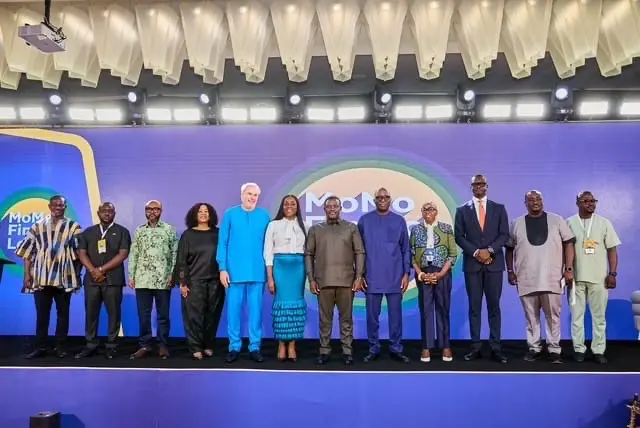
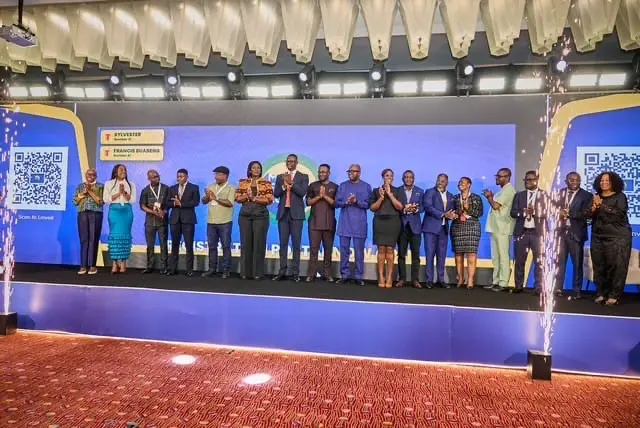
Accra, Ghana, August 17, 2026: MobileMoney Fintech LTD (MMFL) has opened applications for the MoMo Fintech Lab, a nationwide innovation programme in partnership with the Bank of Ghana and key fintech ecosystem partners to discover, develop and accelerate Ghana’s next generation of fintech innovators.
Launched on August 12, 2026, at the Accra Marriott Hotel, the programme is open to students, developers, entrepreneurs, startups and innovators across Ghana with fintech ideas that can address everyday challenges, expand financial access and support the growth of Ghana’s digital financial services ecosystem. Through the Lab, MoMo is bringing together regulators, financial institutions, fintechs, technology partners, academia, investors and innovation hubs to support responsible, practical and scalable solutions.
Anchored on the theme “Build with MoMo” and the tagline “Build the Next Wave of Fintech,” the Lab will give selected participants access to the tools, networks and industry guidance needed to refine their ideas into practical, commercially viable solutions.
How to Participate
Interested applicants can apply directly through the MoMo App:
· Download or open the MoMo App.
· Log in with your MoMo number and PIN or use biometrics.
· On the home page, click on the MoMo Fintech Lab banner.
· Complete the application form with your personal or team details.
· Describe your fintech idea or solution, indicate the innovation track it aligns with, attach any required supporting information and submit before the deadline.
The programme focuses on four innovation tracks: Everyday Payments and Financial Access; Business and Merchant Growth Tools; Trust, Security and Digital Identity; and Future Finance and Connected Ecosystems.
Applications are free and may be submitted by individuals or teams. The call for applications closes on September 30, 2026.
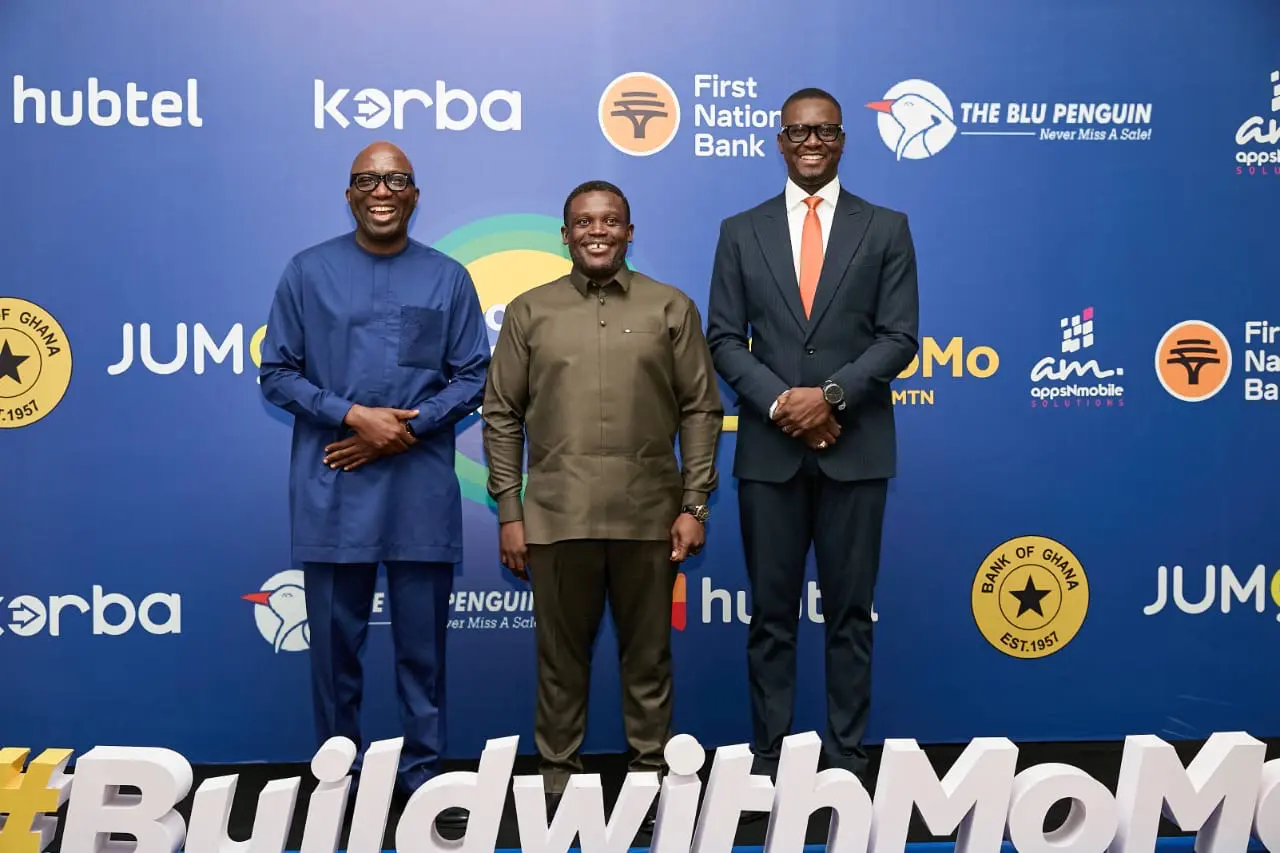
Speaking at the launch, the Chief Executive Officer of MobileMoney Fintech LTD, Shaibu Haruna, said the initiative is intended to strengthen Ghana’s fintech talent pipeline and create a platform where innovators can build solutions with real-world relevance.
Mr. Owureku Asare, Head of the FinTech and Innovation Office at the Bank of Ghana, also underscored the importance of collaboration, responsible innovation and regulatory partnership in shaping a trusted and inclusive digital financial ecosystem for Ghana.
Minister for Communications, Digital Technology and Innovations, Samuel Nartey George, challenged Ghanaian innovators to use the newly launched MoMo Fintech Lab to develop homegrown financial technology solutions capable of competing across Africa and the global digital economy. He said Ghana has the talent, ideas and creativity required to build its own digital future and should not continue to depend on solutions developed elsewhere.
The final 12 entries for the Fintech Lab will receive a prize and support package that includes cash awards of up to GH¢100,000, digital devices, bootcamp, hackathon, mentorship, incubation support, industry exposure and participation in a National Demo Day, where finalists will pitch their solutions to industry stakeholders.
MobileMoney Fintech LTD is encouraging innovators across Ghana to apply and take advantage of this opportunity to build practical fintech solutions that can improve lives, support businesses and strengthen Ghana’s digital economy. MMFL supported by ecosystem partners and sponsors including Hubtel, APPSN Mobile, Zenith Bank, Korba, Blue Penguin, Jumo and others contributing to this shared industry effort.
MobileMoney Fintech LTD is a private limited liability company responsible for mobile financial services. Launched in 2009, the company has more than 17 million registered subscribers. It offers a range of mobile financial services, including payment solutions, remittances, BankTech, InsurTech, savings and loans, aimed at driving financial inclusion and economic empowerment.