Author: Administrator

  • FINAL FOR PUBLICATION- HUMAN INTEREST FEATURE ARTICLE 

    FINAL FOR PUBLICATION- HUMAN INTEREST FEATURE ARTICLE 

    The Small Building That Built a School

    By Peter Martey Agbeko

    In a corner of Tema New Town, a modest two-storey building holds the memory of every child who ever learned their first letters there, and it now needs Ghana’s help to keep serving the next generation.

    There is a particular kind of building that outgrows its blueprint. It stops being brick and mortar and becomes something closer to memory, a place people point to and say, “that is where it began.” In Tema New Town, that building sits quietly beside the St Nicholas Orthodox Church. For generations of St Nicholas pupils, it is exactly that kind of place.

    It was not built to be a school. When it went up around 2008, its purpose was simpler: a home for church and Foundation activities and a welcome point for seafarers passing through Tema’s busy port. Over the years, though, it became something more: a gathering place for St Nicholas Day celebrations, visiting athletes and diplomats, members of the Greek community in Ghana, and families of Tema New Town who came to know it simply as part of the neighbourhood.

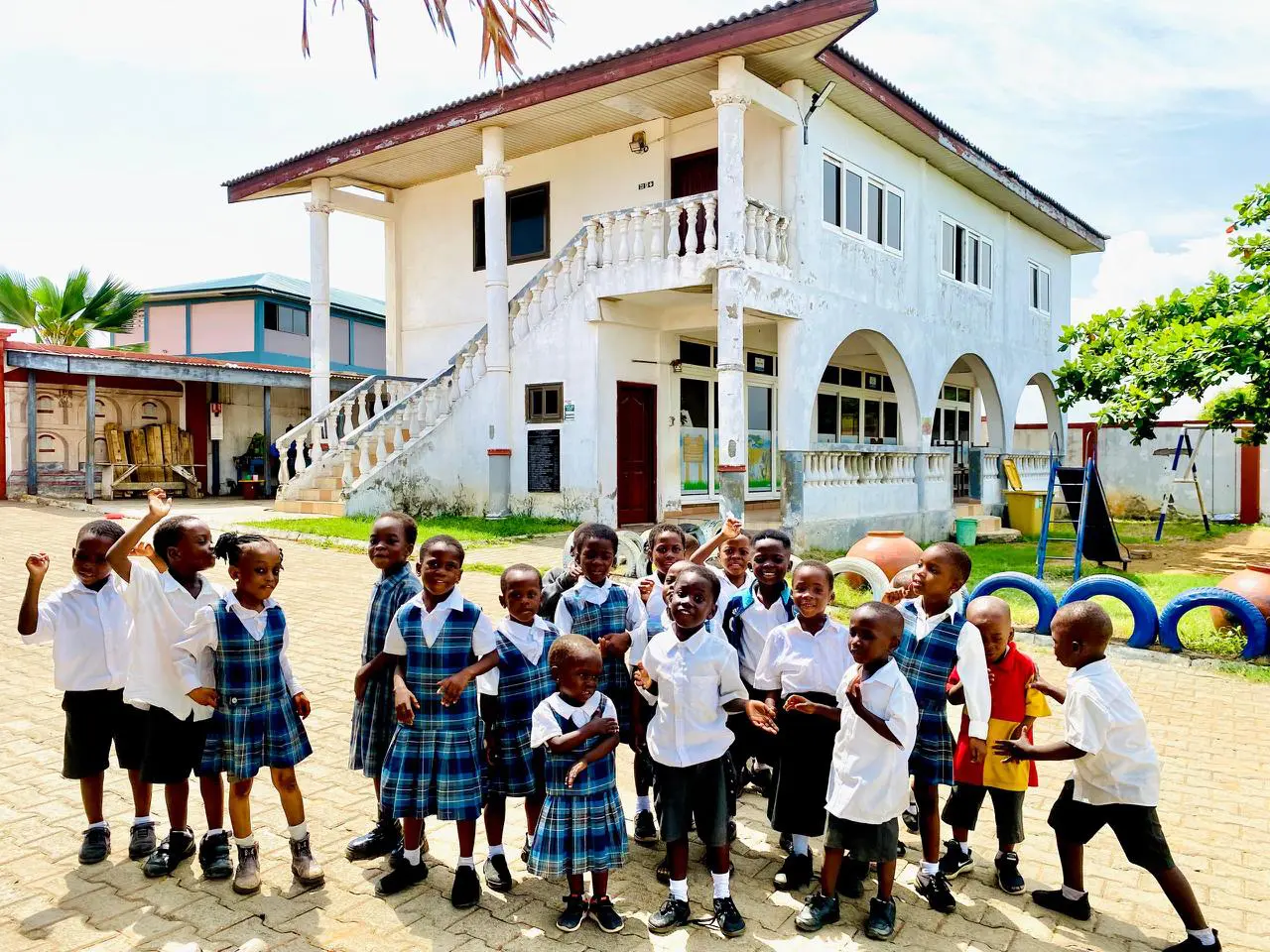
    Then, in 2012, it took on its most important role yet. It became the first classroom block of St Nicholas Preparatory School, the institution now affectionately known to many as “the Greek School in Ghana.” The school grew from the wider vision of the St Nicholas Charity Foundation and the people who built and sustained it, with deep roots in the Greek maritime community’s long relationship with Ghana. The late Captain Alkiviadis Kapas and Deborah Eleazar were among those instrumental in turning that vision into a working school for local children. Small children learned to write their names inside those walls. Some are now young adults, carrying their own memories of the building where their education began.

    A history rooted in the sea

    The story of the building cannot be told apart from the maritime community or from the St Nicholas Orthodox Church beside it. The wider vision was strongly shaped by Captain Panagiotis N. Tsakos and the Tsakos family’s longstanding relationship with Ghana, reinforced through Captain Tsakos’ service as Honorary Consul of Ghana in Greece. Work on the Orthodox church in Tema New Town began in 2006. It was completed two years later, consecrated in honour of St Nicholas, patron saint of seafarers, a fitting dedication in a port town built on maritime trade.

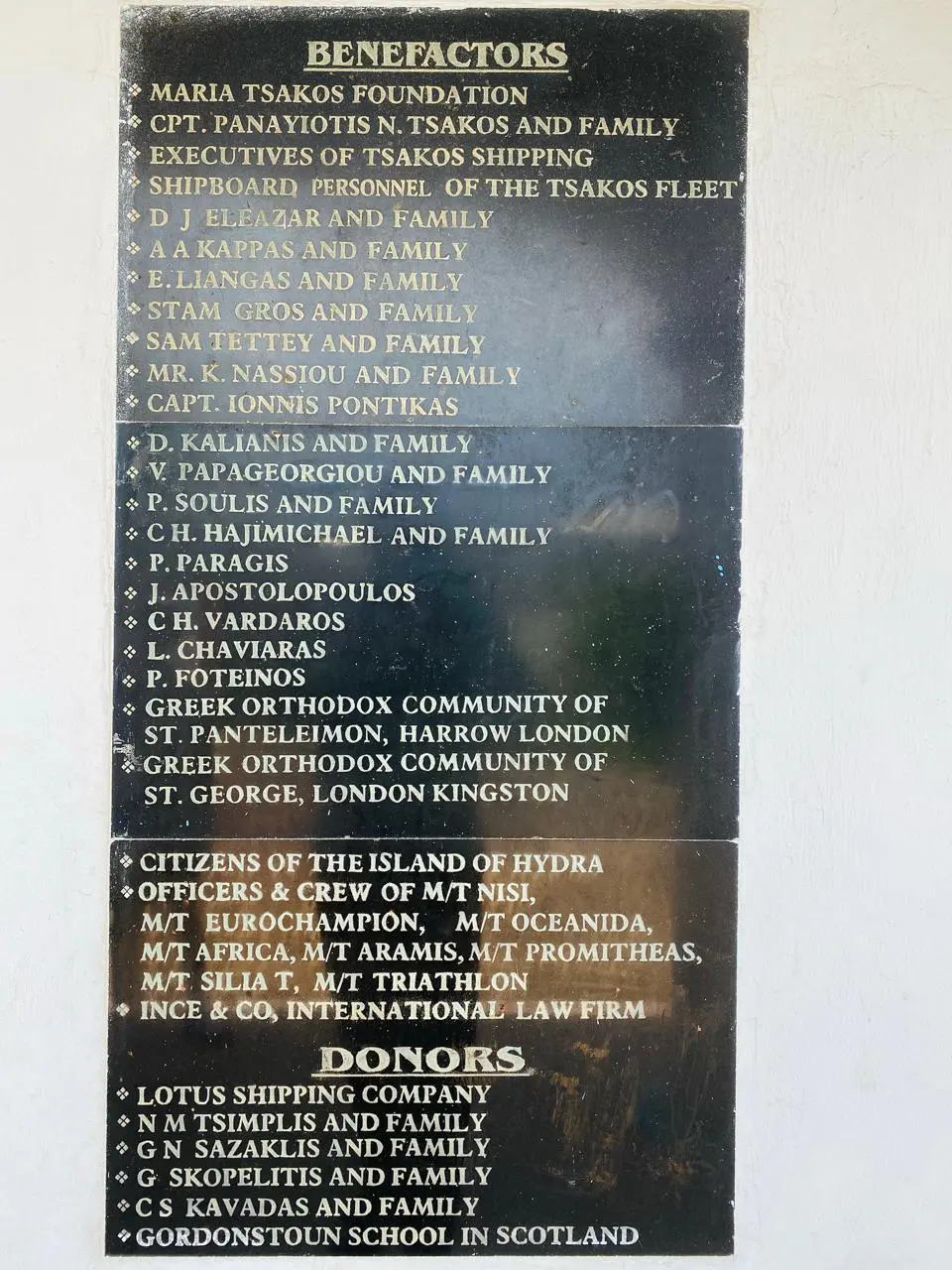
    From the beginning, the Foundation’s development was a collective undertaking. The Tsakos family and associated foundations have supported St Nicholas from its earliest days and continue to do so today. The Efthymiadis family has also been a longstanding benefactor, alongside many donors from Ghana, Greece, the United Kingdom and the international maritime community. Their combined support created not simply buildings but an institution capable of remaining part of children’s lives for many years.

    What began as a small nursery and kindergarten has grown into a community school with additional classrooms, a library and an ICT laboratory. Successive phases of development have been made possible by benefactors and organisations including the Tsakos Group and its charitable foundations, the Sailors’ Society of the United Kingdom, Greek and Ghanaian businesses, and major corporate supporters. In 2019, Mytilineos S.A., the parent company of Metka Ghana, funded a three-classroom block, which was completed in under six months. The school follows the Ghana Education Service curriculum, enriched with Greek and French language lessons, music, dance and a cadet corps trained by the Ghana Navy.

    More than a classroom

    What has always set St Nicholas apart is its treatment of education as inseparable from care. Since opening in 2012, the school has served 276 children, with 65 graduates to date. Pupils receive two meals a day, breakfast and lunch, together with basic healthcare and support through Ghana’s National Health Insurance Scheme. The Foundation also assists children with serious health conditions whose families cannot cover the costs alone, and its support continues beyond the school gates by assisting graduates progressing to secondary and tertiary education.

    One of those graduates is Jessica Amennyedor, who has spoken warmly about the part the school and her sponsors played in helping her pursue her ambition to become a journalist. Hers is one of many stories that illustrate what sustained, holistic support can achieve when a school remains interested in a child’s future long after the first lessons have been learned.

    Why the building matters now

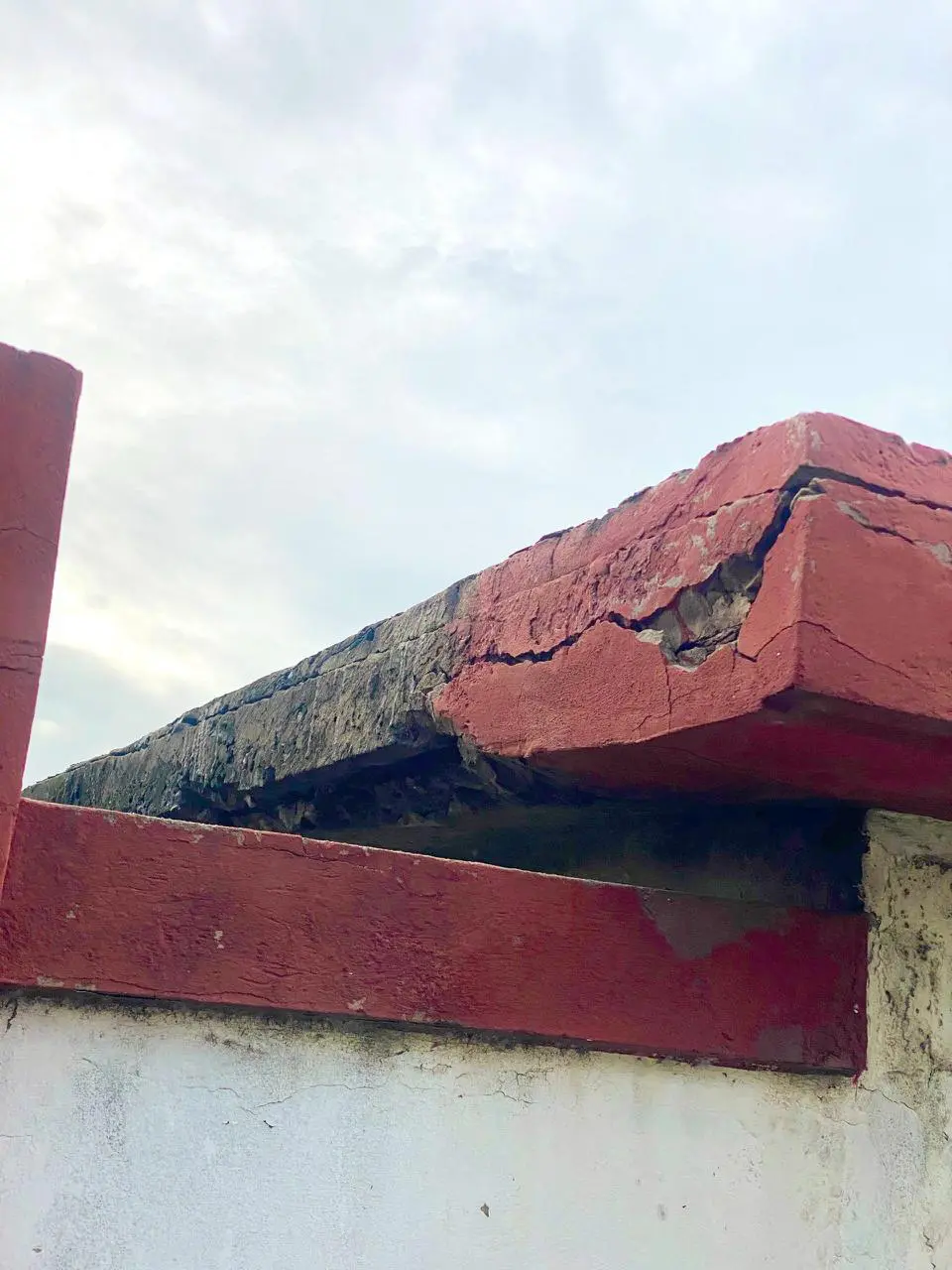
    But buildings by the sea carry the sea’s cost. Years of exposure to salt air and coastal humidity have worn into the structure in ways that are no longer cosmetic. An independent engineering assessment has confirmed what teachers and parents had already begun to notice: the building needs serious structural repair, including reinforcement of load-bearing walls, damp treatment, restoration of weakened masonry and a full refurbishment of the toilet and washroom block shared by the school and church community.

    For now, that has meant two kindergarten classrooms, serving around fifty of the school’s youngest children, standing empty. Not because the children have gone anywhere, but because safety demands it.

    “The Original Foundation Building represents the generosity of the maritime community and the belief that education can change lives,” says Deborah Eleazar, Trustee of the St Nicholas Foundation, who has been closely involved with the school throughout its development. “Restoring it is not simply a construction project. It is the continuation of a promise made many years ago.”

    The restoration itself is not an extravagant undertaking. The Foundation is seeking approximately GHS 1,000,000, equivalent to around £50,000, €58,000, or US$66,000, to complete the work, a fraction of the roughly £130,000 and near-year-long timeline required to construct a comparable new building. Engineers estimate the restoration can be completed within two to three months once funding is in place. The result will be more than repaired walls: it will allow the school’s youngest children to return to safe classrooms while preserving the place where St Nicholas Preparatory School began.

    A community already answering the call

    The Foundation is not asking Ghana’s business community to start from nothing. Its story has always been one of shared responsibility. Alongside the longstanding support of the Tsakos and Efthymiadis families and donors from the international maritime world, businesses and organisations have supported the school and its wider work over the years. These have included Atlas Copco, Venma SA, Farmhouse Productions Ghana, KATE Construction, Vodafone (now Telecel) Ghana, AirtelTigo and the Paddies Professional Group, among others. Their involvement reflects a tradition of Ghanaian, Greek and international partners investing in the school and the community it serves.

    There is something worth noticing in the arithmetic, too. For the cost of restoring rather than rebuilding, Ghana’s business community has an unusually direct and visible way to make an impact, not a distant or abstract cause, but a specific set of rooms in a specific school, for specific children, with a completion date measured in weeks rather than years. St Nicholas Charity Foundation is a UK registered charity, number 1164193, and its accounts and activities are open to scrutiny by anyone considering a partnership.

    The building has already done its work once. It turned a church and Foundation building into the beginning of hundreds of educations. It welcomed seafarers, celebrated St Nicholas Day, hosted visitors and dignitaries and, in its quietest and perhaps most important role, taught small children in Tema New Town to read.

    Restoring it now is both an act of preservation and an investment in what comes next. It protects a tangible part of the history created by the Foundation, the Ghanaian community, Greek families, maritime benefactors and corporate supporters, while returning safe classrooms to the children who need them today.

    Ghanaian businesses, philanthropists, churches, community groups and individuals who would like to support the restoration can reach the St Nicholas Charity Foundation directly or follow its work on Instagram, Facebook, X and YouTube as @StNicholasTema.

    To support the restoration:

    St Nicholas Charity Foundation, Tema New Town, Ghana

    Email: deleazar.stnicholas@gmail.com

    Web: www.stnicholasschoolghana.com

    Brochure: https://heyzine.com/flip-book/14eea4f4ae.html

    Donate: www.justgiving.com/charity/st-nicholas-foundation
  • Maison Yusif Fragrance Makes History at FragCon 2026, Wins Major Award and Sells Out in Houston

    Maison Yusif Fragrance Makes History at FragCon 2026, Wins Major Award and Sells Out in Houston

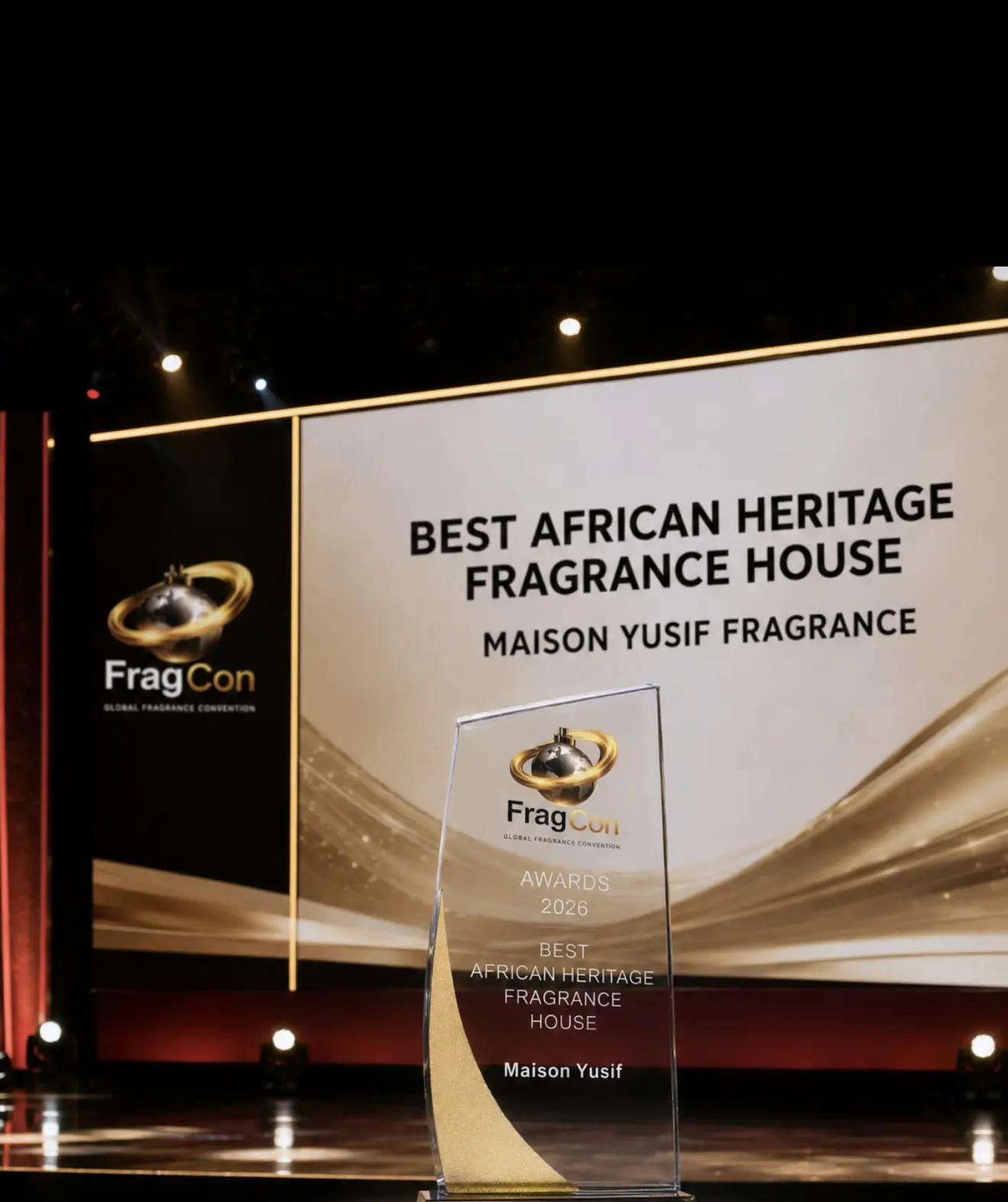
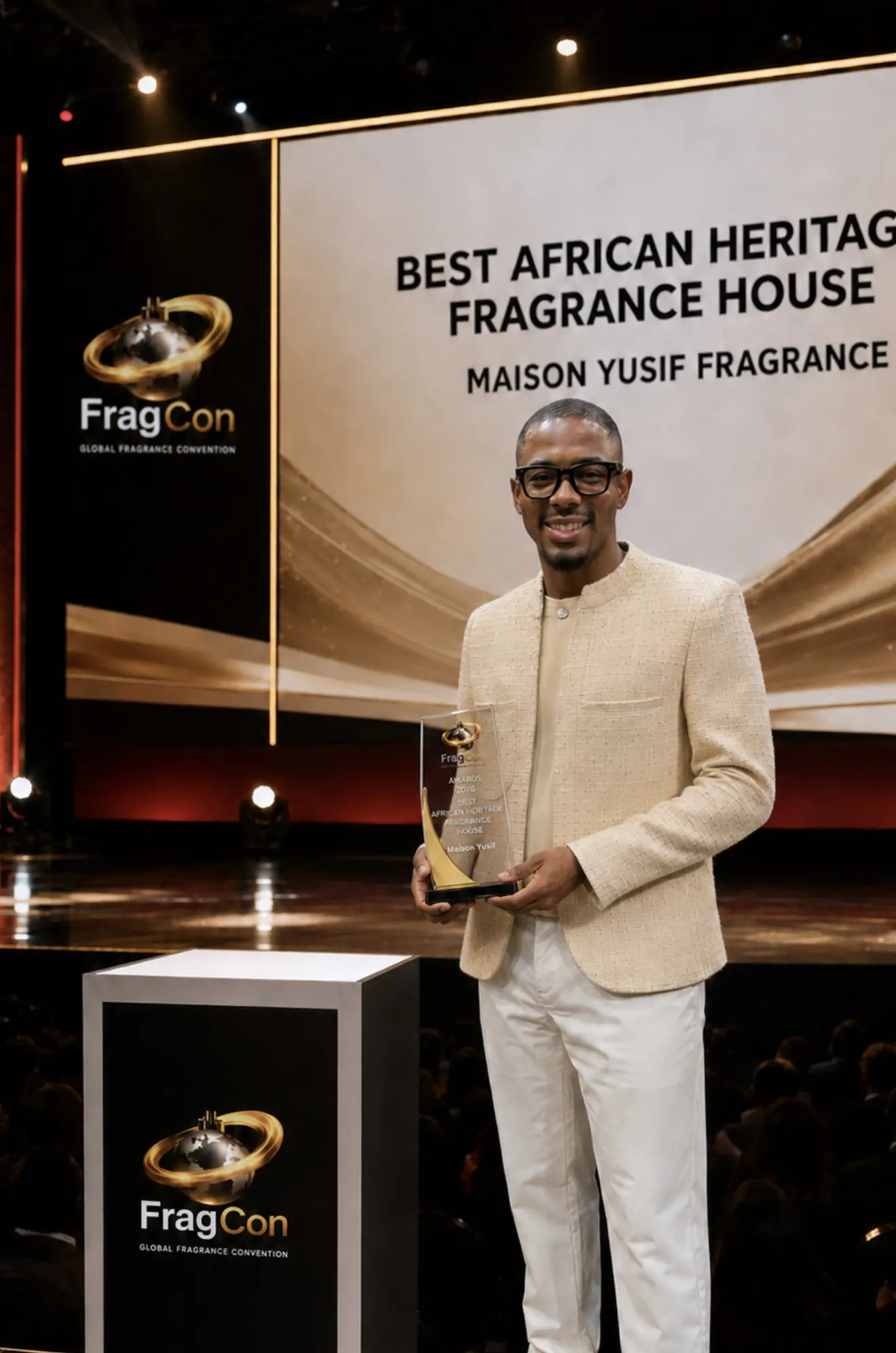
    Houston, Texas — Ghanaian luxury fragrance house Maison Yusif Fragrance has reached another significant international milestone after winning Best African Heritage Fragrance House at the FragCon Awards 2026 in Houston, Texas.

    The recognition marked a historic achievement for the brand, which became the first Ghanaian fragrance house to exhibit at FragCon and the first from Ghana to receive the prestigious award.

    Maison Yusif’s participation was equally successful commercially. The fragrance house completely sold out its collection before the convention’s second day, demonstrating the growing international demand for its Ghana-made fragrances.

    Founded in Accra by certified perfumer Yusif Jnr Meizongo, Maison Yusif Fragrance has built its identity around African heritage, artistic perfumery and world-class craftsmanship. The brand transforms African stories, ingredients and experiences into distinctive luxury fragrances capable of competing on the global stage.

    “This recognition belongs not only to Maison Yusif, but also to Ghana and every African creative working to show the world what our continent can produce,” said Meizongo. “We arrived at FragCon carrying Ghana’s name, our heritage and our vision. To sell out and receive this award made the experience even more meaningful.”

    The FragCon achievement adds to Maison Yusif’s growing record of international recognition. The company has expanded beyond Ghana, established retail presence in international markets and represented African perfumery at prominent fragrance events around the world.

    Through these achievements, Maison Yusif is helping to place Ghana firmly on the global fragrance map. In an industry historically dominated by European and Middle Eastern houses, the company is proving that an African fragrance brand can create original, luxurious and internationally celebrated perfumes while remaining deeply connected to its heritage.

    Maison Yusif has emerged as one of Ghana and Africa’s leading niche fragrance houses, earning recognition for its creativity, quality and contribution to the development of African perfumery. Its success at FragCon further strengthens its position as a standard-bearer for Ghanaian and African luxury fragrance.

    The brand’s historic appearance, complete sellout and award victory delivered a powerful message: African perfumery is no longer waiting to be discovered—it has arrived.

    For Maison Yusif Fragrance, this moment represents more than another trophy. It is evidence that a dream created in Ghana can travel across borders, command global attention and inspire a new generation of African perfumers.

    Maison Yusif Fragrance represented Ghana, sold out and made history—once again proving that the future of African luxury can be proudly created in Africa.

  • MTN GHANA DEEPENS EMPLOYEE COMMITMENT TO ENVIRONMENTAL STEWARDSHIP THROUGH RECYCLING FACILITY TOUR

    MTN GHANA DEEPENS EMPLOYEE COMMITMENT TO ENVIRONMENTAL STEWARDSHIP THROUGH RECYCLING FACILITY TOUR

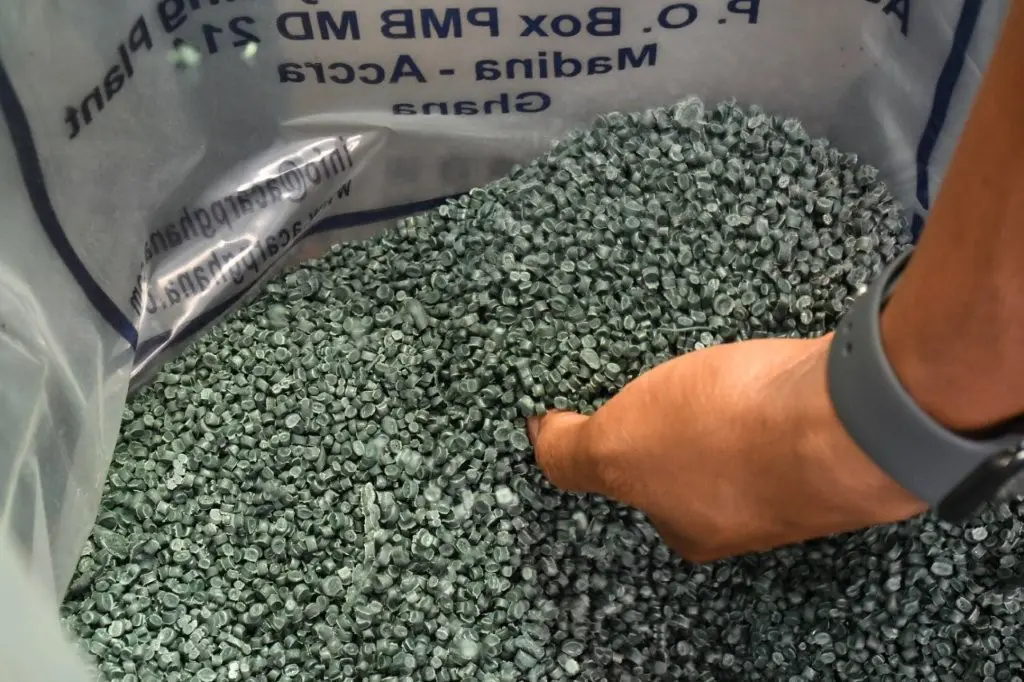
    Accra, August 21, 2026 – As part of its Sustainability Month celebrations, MTN Ghana has organised an educational tour for employees to the Accra Compost and Recycling Plant to provide firsthand insight into how waste is collected, processed, recycled and transformed into valuable, sustainable products.

    The tour forms part of MTN Ghana’s broader efforts to inspire environmentally responsible behaviours among employees and encourage greater awareness of the role individuals can play in protecting the planet.

    MTN Ghana launched the month-long Sustainability Month celebration under the theme, Building a Sustainable Future Together: Small Actions, Big Impact,” to encourage employees, customers and stakeholders to embrace practical actions that collectively contribute to environmental sustainability and social impact.

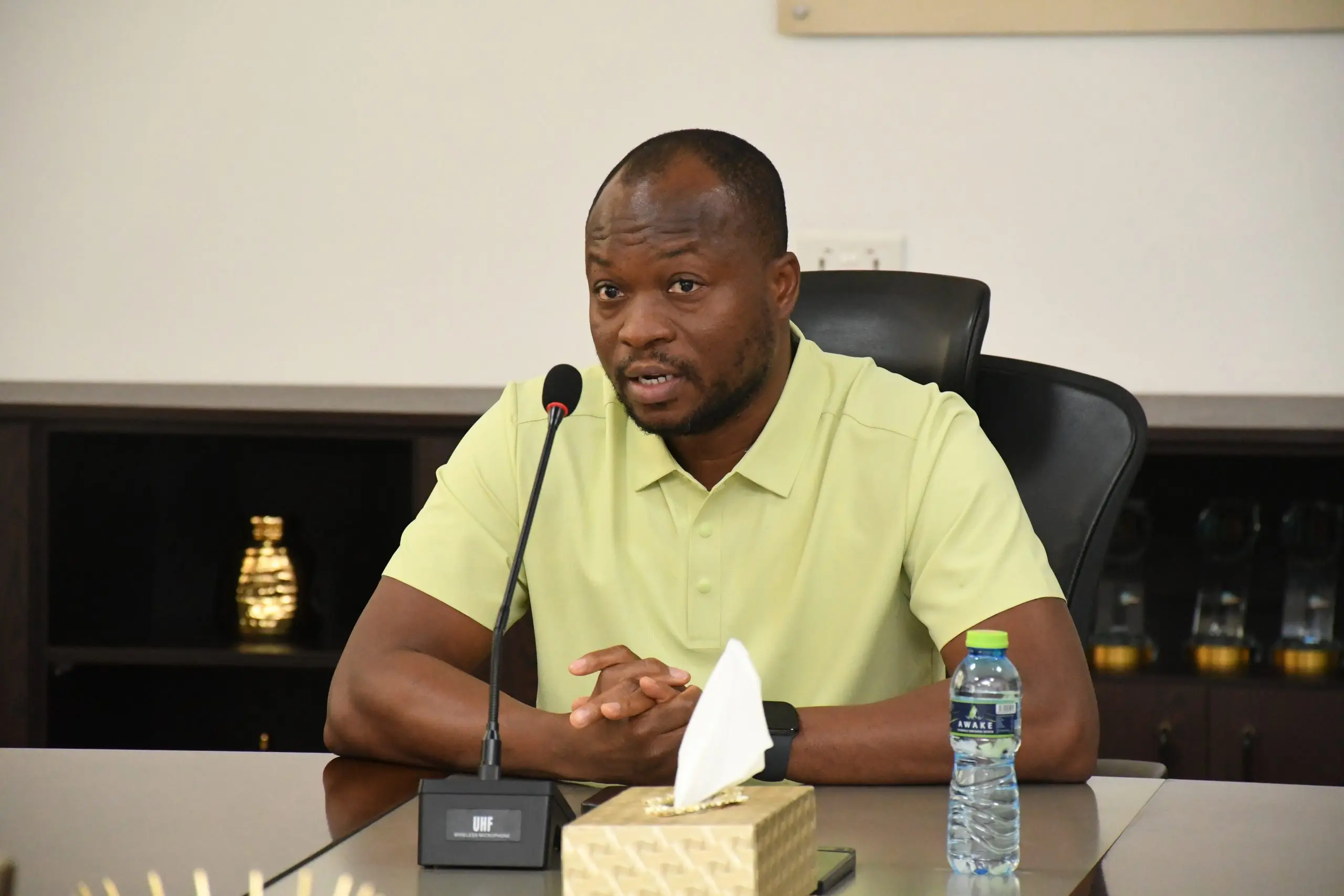
    Speaking during the visit, Ag. General Manager for Sustainability and Shared Value at MTN Ghana, Georgina Asare Fiagbenu, said the exercise reflects MTN Ghana’s belief that sustainability must be embedded in everyday actions and decision-making.

    “At MTN Ghana, we believe that creating a sustainable future requires intentional action from both organisations and individuals. While technology continues to connect people and enable progress, we must also take responsibility for protecting the environment that sustains us all. This visit provides our employees with practical exposure to how responsible waste management contributes to environmental preservation and sustainable development.”

    She noted that MTN Ghana has implemented several initiatives across its operations to reduce its environmental footprint, including waste segregation practices and the elimination of single-use plastics within its offices.

    We hope that the sustainable practices we promote within our workplaces will influence behaviours at home and within the communities where our employees live and work.”

    Welcoming the MTN Ghana team, the Plant Manager of the Accra Compost and Recycling Plant, Ing. Malik Kablah Ganyo, commended the company for investing in employee sustainability education and fostering environmental consciousness.

    “Environmental sustainability can only be achieved when organisations and individuals work together. Initiatives like this is critical in encouraging the behavioural change required to safeguard our environment.”

    For many employees, the tour provided a new perspective on the importance of waste management and the role each person plays in supporting recycling efforts.

    Sharing his experience, an employee, Believe Nutsuga said, “The visit has given me a deeper appreciation of what happens to waste after disposal and the effort involved in recycling it. It has demonstrated the importance of proper waste segregation and motivated me to be more intentional about the way I manage waste both at work and at home.”

    The visit aligns with MTN Ghana’s “Doing for Planet” pillar under its Sustainability Framework, through which the company is taking deliberate steps to address environmental challenges, promote responsible consumption and support climate action.

    The tour is one of several activities undertaken as part of MTN Ghana’s Sustainability Month celebrations. Other activities include a Lunch and Learn session as well as a Sustainability Workshop for Small and Medium-sized Enterprises (SMEs) aimed at equipping business owners with practical insights on integrating sustainability into their operations, improving resource efficiency and creating long-term business value.

    As part of the celebrations, employees will also participate in a tree-planting exercise, further demonstrating MTN Ghana’s commitment to environmental stewardship and contributing to efforts to preserve and restore Ghana’s natural ecosystem.

    The 2026 Sustainability Month activities also form part of MTN Ghana’s 30th anniversary celebrations under the theme, “30 Years of Progress, Powered by You.” As the company marks three decades of connecting communities and enabling digital inclusion, it remains committed to being a force for good by integrating sustainability into its operations, empowering employees to champion environmental stewardship, and creating shared value for customers, communities and the nation.

  • The Case for the Aged Talent: Why Experience Never Retires

    The Case for the Aged Talent: Why Experience Never Retires

    “I want someone agile, who can hit the ground running. I want energy!” You’ve heard it in hiring meetings, maybe said it yourself. In corporate translation, it usually means: send someone under 35, someone who treats deadlines as suggestions to beat and after-hours drinks as “team bonding.” The unspoken assumption is that older professionals, let’s say anyone who remembers that Tetteh Quarshie brought cocoa from Fernando Po to Ghana, simply can’t keep up anymore.

    But ignoring aged talent is like leaving a fully-charged backup generator in the storeroom because the new graduates brought torches. It might feel modern. It will not survive the first blackout.

    Youth has always been prized for speed, adaptability, and a certain fearlessness; the kind that lets someone jump into a project without reading the instructions and somehow land on their feet. In an era of 24-year-old AI founders reshaping industries and 35-year-old CEOs gracing magazine covers in jeans and hoodies, it’s tempting to treat youth as the shortcut to success. The magazines certainly sell it that way.

    Here is the workplace reality check: experience does not age out. Seasoned professionals carry institutional memory, crisis-handling instincts, and the rare ability to see a problem coming because they have already lived through its earlier version. They have survived recessions, office politics, and enough “revolutionary” software rollouts to know which innovations will stick and which will quietly join the graveyard of forgotten pilot projects.

    None of this means youth should be sidelined in favour of seniority. That would simply swap one bias for another, and lose the very energy that keeps an organisation moving. The point is narrower and more useful than that: age is a poor proxy for capability in either direction, and the smartest workplaces have stopped hiring for a number and started hiring for what a person actually brings to the table.

    Two Instincts, One Team

    Picture a 28-year-old data analyst, funky haircut and all, paired with a 53-year-old project manager. The analyst introduces a sharp new AI tool that could cut reporting time in half. The project manager, having watched three previous “game-changing” systems fail, asks the one question that saves the project: who has access to this, and what happens if it leaks? Neither instinct beats the other. Together, they are the difference between a team that moves fast and a team that moves fast without breaking anything important.

    This is what a multigenerational team actually looks like in practice — not two age groups tolerating each other, but two sets of instincts correcting each other’s blind spots in real time.

    What Bridging Generations Actually Requires

    The pairing above doesn’t happen by accident. It takes deliberate structure.

    Reverse mentoring is the clearest starting point: younger employees teach emerging tools, older colleagues teach negotiation, leadership, and how to read a client who is saying ‘yes’ but means ‘no’. Cross-generational project teams matter just as much – mixing ages tempers fresh ideas with practical experience, which cuts down on both stagnation and chaos. Knowledge-sharing sessions, whether a formal workshop or an informal lunch-and-learn, let a 24-year-old explain an AI tool in the same hour a 55-year-old explains why a client behaves a certain way during regulatory season. And none of it works without an open communication culture, where no idea gets dismissed for the age of the person who raised it.

    Skip any one of these, and the “bridge” becomes two teams sharing an office rather than one team sharing a mission.

    Why This Matters More Than It Looks

    It would be easy to file all this under soft, feel-good HR advice. It isn’t. Companies that quietly bench their most experienced staff are not just losing individuals – they are losing the organisation’s memory. The person who remembers why a policy exists, who negotiated the last major client crisis, who can tell in the first week that a shiny new vendor is selling the same idea that failed in 2016 under a different name. That knowledge doesn’t show up on a CV as a skill, but its absence shows up everywhere once it’s gone.

    Meanwhile, younger employees who never get real access to that memory end up relearning the same expensive lessons the hard way, on the company’s dime and the client’s patience. Every organisation eventually pays for the knowledge it lost – the only question is whether it pays in mentorship now or in mistakes later.

    The Workplace That Works

    A workplace thrives when it mirrors a healthy community: diverse, supportive, and genuinely collaborative rather than merely diverse on paper. Younger employees bring innovation and stamina. Older employees bring context, resilience, and the wisdom to avoid déjà vu failures. Neither is optional, and neither is a nice-to-have bolted onto the other.

    Together, they build something more durable than either could alone – a team that doesn’t just sprint but makes sure the finish line is in the right place before anyone starts running.

    The next time a hiring brief asks only for energy, it’s worth asking what’s being quietly filtered out along with it. The backup generator in the storeroom is still fully charged. It’s just waiting for someone to notice the lights have gone out.

  • Ghana’s New Wealth Window

    Ghana’s New Wealth Window

    Ghana’s 2026 Mid-Year Fiscal Policy Review, presented to Parliament on 23 July under the theme “Resetting for Growth, Jobs and Economic Transformation,” reads like routine housekeeping – no supplementary budget, spending held within the approved ceiling. Read properly, it is something bigger: a signal to every bank, insurer, pension fund, business and household that the rules of the game have changed.

    Government chose to redirect existing resources toward infrastructure, transport, flood control, energy security and debt management rather than ask for more. That choice ripples outward. Fiscal discipline shapes inflation, interest rates, the exchange rate, and market confidence – which determines whether banks can profit, businesses can borrow, investors can grow portfolios, and households can finally afford a home, a pension, or productive land. Capturing this moment demands a shift in habits: banks weaning off government paper toward real lending, investors chasing actual returns instead of headline rates, households converting income into assets rather than consumption.

    The Numbers Behind the Reset

    Government has reaffirmed its 2026 targets; growth of at least 4.8 percent, inflation at 8 percent, a primary surplus of 1.5 percent of GDP, and is already ahead of schedule. First-quarter GDP growth hit 6.4 percent, reserves covered five months of imports by June, and inflation fell from 13.7 percent a year earlier to roughly 5.3 percent. Public debt has dropped from 61.8 percent of GDP at the end of 2024 to about 45 percent by mid-2026, with Ghana’s debt distress rating upgraded from high to moderate. None of this is abstract: investment flourishes only where inflation is tamed, debt is sustainable, and the future value of money is something people can plan around.

    A Different Game for Financial Institutions

    The most immediate shock will hit interest rates. The Monetary Policy Rate has fallen from 27 percent in January 2025 to 14 percent, while the 91-day Treasury Bill rate has collapsed from 11.09 to 5.73 percent, and bonds that traded near 20 percent a year ago now sit between 11 and 12.6 percent.

    For banks, pension funds and insurers, this cut both ways. The comfortable years of earning strong, low-risk returns simply by parking money in government paper are narrowing, but cheaper yields should push institutions toward real lending — mortgages, business loans, equipment and vehicle finance, working capital — where the income potential is far greater. The winners will gather deposits cheaply, price loans sensibly, keep bad loans under control, and build products beyond the ordinary savings account. Government has already shored up the sector, recapitalizing five state and quasi-state banks and issuing a GH¢5 billion recapitalization bond to the Bank of Ghana, capital that should mean more lending capacity, provided governance keeps pace.

    That same rate shift should force product innovation. As Treasury Bill returns fade, savers will want mutual funds, bond and equity funds, mortgage and education savings plans, and managed portfolios  and these shouldn’t remain the preserve of the wealthy. A teacher, nurse or trader deserves the same access, backed by honest disclosure on charges and expected returns. Trust and education, not product design alone, will decide how far wealth management spreads.

    Business, Investment, and the Household Balance Sheet

    Businesses stand to gain from cheaper financing and a lighter tax load several levies including the Electronic Transfer Levy and COVID-19 Health Recovery Levy have been scrapped, effective VAT has dropped from 21.9 to 20 percent, and the VAT registration threshold has risen to GH¢750,000, freeing up working capital, particularly for SMEs, to restock, hire, modernize or digitize. With 87 infrastructure projects underway across all sixteen regions, banks, insurers, contractors and suppliers all stand in line for spillover benefit. The trade-off is tighter enforcement: Ghana loses an estimated 60 percent of potential VAT revenue to non-compliance, and electronic invoicing and digital customs monitoring will make it much harder to hide transactions.

    Investors, meanwhile, need to unlearn the habit of chasing headline yield. A 10 percent return against 5 percent inflation preserves wealth better than a 25 percent return against 30 percent inflation ever did. Diversification across cash, bonds, equities, pension products and property becomes essential, alongside real due diligence rather than blind faith in a promising sector. The Sinking Fund’s climb toward GH¢30 billion by year-end is itself a quiet vote of confidence in Ghana’s ability to meet its obligations.

    For households, falling inflation means income stretches further, while cheaper lending could widen access to mortgages, education finance and business credit. The task now is discipline: build an emergency reserve, clear expensive debt, insure against shocks, contribute to a pension, and invest through regulated institutions rather than unlicensed schemes. The real danger is treating cheap credit as spending money – aloan for a business or an education builds value; a loan for consumption becomes tomorrow’s burden.

    The Opportunity Won’t Convert Itself

    Every actor faces the same test. Institutions will see passive income from government paper shrink but can gain from credit demand if they lend responsibly. Businesses get room to expand if they invest productively rather than merely bank the tax relief. Investors need discipline over habit, and households need to turn improving conditions into savings rather than short-term comfort. None of it happens automatically, it requires government to hold the line, banks to pass on lower rates honestly, businesses to invest, investors to do their homework, and households to convert income into assets.