Author: Administrator

  • Mahama’s Import Duty Campaign Promise, Sankofaonline Investigative News Desk Report

    Mahama’s Import Duty Campaign Promise, Sankofaonline Investigative News Desk Report

    During his election campaign, President John Dramani Mahama made clear and repeated commitments to overhaul Ghana’s import tax structure, focusing specifically on commercial vehicles, industrial machinery, and port tariffs. These sectors carry enormous weight for diaspora investors, transport operators, manufacturing entrepreneurs, and small businesses that rely on affordable access to vehicles and equipment. His promises were not vague political gestures, but explicit policy positions delivered across rallies, media engagements, and the NDC 2024 Manifesto. They formed a central pillar of his economic transformation agenda, especially for Ghanaians abroad seeking to invest back home.

    Throughout the campaign trail, Mahama emphasized that Ghana’s import duty regime had become punitive, unpredictable, and economically counterproductive. He argued that excessive taxes on buses, sprinter vans, cargo trucks, and industrial machinery were suffocating business growth, discouraging diaspora investment, and inflating transportation costs nationwide. In late 2023 and throughout 2024, he pledged to reverse the ban on certain used vehicle imports and drastically reduce duties on commercial vehicles. He stated that returning Ghanaians often found it impossible to acquire vehicles due to steep taxes, and that transport operators were being forced to pass these costs onto passengers, worsening the cost of living crisis.

    In December 2024, shortly after his election victory, Mahama reaffirmed his commitment to eliminate burdensome port taxes within his first one hundred to one hundred twenty days in office. He promised to rationalize port clearance fees, remove duties on vehicles imported for industrial and agricultural use, and ease shipping costs for diaspora investors. He also pledged duty free and tax free importation of capital equipment and machinery for businesses registered under national initiatives such as the twenty four hour economy policy. This was intended to stimulate manufacturing, agro processing, and large scale production by removing one of the biggest barriers to industrial expansion.

    Investigative analysis shows that Mahama has begun honoring these promises through legislative action and executive approvals. One of the earliest steps was the approval of import duty waivers for returning foreign service officers and envoys. This policy relieved returning citizens in state service of heavy vehicle tariffs, signaling the administration’s intention to extend similar relief to broader categories of returning Ghanaians.

    The government also enacted significant tax amendments through the ten bills recently signed into law. These included changes to the Customs Act, Income Tax Act, VAT Act, and Excise Act. The amendments restructure import tariffs, close loopholes that previously enabled revenue losses, and reduce production costs for local industries and agro processors. Investigators note that these reforms are part of a larger fiscal strategy aimed at balancing revenue protection with economic stimulation.

    Under the twenty four hour economy initiative, Mahama officially granted duty free and tax free importation of capital equipment and industrial machinery. This policy directly benefits diaspora investors seeking to establish factories, processing plants, or agricultural ventures in Ghana. By removing heavy entry port duties, the administration has lowered the cost of setting up industrial operations, making Ghana more competitive in attracting foreign and diaspora investment.

    While full exemptions for all private personal vehicles imported by diaspora citizens remain tied to ongoing customs reforms, the government is strongly encouraged to accelerate this final phase of policy implementation. Diaspora investors and returning Ghanaians continue to face steep costs at the ports, and a timely completion of these reforms would deliver the full relief that was promised. Speeding up this process will not only honor the administration’s commitments, but also strengthen confidence, stimulate investment, and deepen national support for the broader economic transformation agenda.

    The investigative conclusion is clear. President Mahama’s administration has begun implementing the core components of his import duty reform agenda. Commercial vehicle duties have been reduced, industrial machinery has been exempted, port fees have been rationalized, and legislative amendments have reshaped the fiscal landscape. The broader customs overhaul remains in progress, but the foundational promises made to diaspora investors, transport operators, and industrial entrepreneurs have been honored through concrete policy actions.

  • A Legislative Watershed: How President Mahama’s Ten New Laws Will Transform Ghana

    A Legislative Watershed: How President Mahama’s Ten New Laws Will Transform Ghana

    Sankofaonline Investigative News Desk

    Ghana has entered a defining moment in its democratic and developmental journey. In one of the most consequential legislative actions of the Fourth Republic, President John Dramani Mahama has signed ten major bills into law, each carrying far‑reaching implications for justice delivery, economic restructuring, maritime security, education, and social protection. Passed during the second meeting of Parliament, these laws collectively signal a deliberate shift toward modern governance, institutional accountability, and inclusive national development.

    This investigative report examines each law, the political context surrounding its passage, and the structural impact it is expected to have on Ghana’s future.

    President Mahama’s legislative push arrives at a time when Ghana faces mounting pressure to strengthen revenue mobilization, protect vulnerable populations, and rebuild confidence in public institutions. The ten laws represent a coordinated strategy rather than isolated reforms. They touch every major sector of national life, from the courts to the ports, from cocoa farms to industrial plants, and from the tax system to the prison system.

    The Customs Act
    The Customs Act consolidates decades of scattered amendments into one unified legal framework. For years, importers and customs officials have navigated a maze of overlapping directives, loopholes, and outdated provisions. By codifying all customs regulations into a single statute, the government eliminates procedural ambiguity and strengthens revenue collection at Ghana’s borders. Investigators note that customs leakages have historically cost the nation millions of dollars annually. This act is expected to tighten enforcement, reduce administrative delays, and improve transparency at entry points.

    The Community Service Act
    Ghana’s prisons have long been overcrowded, underfunded, and burdened by inmates serving sentences for minor offences. The Community Service Act introduces non custodial sentencing for misdemeanors, allowing judges to assign offenders to supervised public service rather than incarceration. This reform is both humanitarian and economic. It reduces the cost of inmate upkeep, frees prison space for serious offenders, and reintegrates minor offenders into productive community work. Analysts say this law marks a major shift toward restorative justice.

    The Tribunals Act
    For decades, the Constitution has permitted the establishment of regional tribunals, but the absence of enabling legislation stalled implementation. The Tribunals Act finally operationalizes this constitutional mandate, empowering the Chief Justice to set up tribunals across all regions. These tribunals will handle specialized cases, reduce pressure on mainstream courts, and expand access to justice for underserved communities. Legal experts describe it as one of the most overdue judicial reforms in Ghana’s history.

    The Maritime and Related Offences Act
    Ghana’s offshore oil fields, fishing zones, and maritime corridors have become increasingly vulnerable to piracy, illegal fishing, and transnational crime. This act provides the domestic enforcement framework for the United Nations Convention on the Law of the Sea. It gives Ghana the legal tools to prosecute maritime offences, protect territorial waters, and safeguard national economic assets. Security analysts say the law is critical as maritime crime continues to rise across the Gulf of Guinea.

    The National Defence University, Ghana Act
    This act formally establishes and accredits the National Defence University as a statutory institution. For years, Ghana’s military education system operated without a unified legal foundation. The new law elevates the university to international standards, enabling advanced research in security studies, defence strategy, and leadership training. Investigators note that this move strengthens Ghana’s regional security posture and aligns military education with global best practices.

    The Income Tax Amendment Act
    One of the most socially impactful laws, this amendment exempts low income earners at or below the national minimum wage from paying income tax. In a period of rising living costs, this reform offers immediate relief to Ghana’s lowest paid workers. Economists say the exemption will increase disposable income, stimulate local commerce, and reduce the financial burden on vulnerable households.

    The Energy Sector Levies Amendment Act
    Industrial fuel oil used by factories and maritime vessels has long been a loophole in Ghana’s tax system. This amendment closes that gap, ensuring that large scale industrial consumers pay their fair share. The law protects state revenue while preventing systemic abuse by corporate entities. Investigators highlight that this reform strengthens energy sector accountability and reduces revenue losses.

    The Ghana Cocoa Board Act
    Perhaps the most transformative economic law in the package, the Ghana Cocoa Board Act mandates that at least fifty percent of raw cocoa beans be processed locally. It also guarantees farmers seventy percent of the world market price. For decades, Ghana exported raw cocoa while foreign companies captured the value of processing. This law shifts the economic balance, promoting domestic industrialization and ensuring fair compensation for farmers. Analysts say it could reshape Ghana’s cocoa economy for generations.

    The Value Added Tax Amendment Act
    Mining companies that surrender thirty percent of their gold to the Bank of Ghana will now be exempt from paying VAT on that portion. This incentive is designed to boost national gold reserves, strengthen the cedi, and encourage compliance from mining firms. Investigators note that gold reserve accumulation is a strategic monetary policy tool used by many emerging economies.

    The Excise Act
    The Excise Act consolidates all excise tax rules into one statute and exempts local fruit juice manufacturers from excise duty. This exemption lowers production costs for agro processors, encourages local manufacturing, and supports rural employment. Analysts say the law aligns with Ghana’s broader industrialization agenda.

    The Economic and Social Takeaway
    Taken together, these ten laws represent a coordinated legislative strategy aimed at balancing fiscal discipline with social equity. The reforms protect vulnerable workers, strengthen national security, modernize judicial processes, and promote domestic production. They also close long standing loopholes that have drained public revenue.

    Our Investigators conclude that President Mahama’s legislative package marks a watershed moment in Ghana’s governance trajectory. It modernizes the legal framework, strengthens institutional accountability, and positions the nation for sustainable development.

  • Awisi Quartey Bustos Represent the Bold Future Illinois Working Families Deserve

    Awisi Quartey Bustos Represent the Bold Future Illinois Working Families Deserve

    Sankofaonline Special Report | August 26, 2026

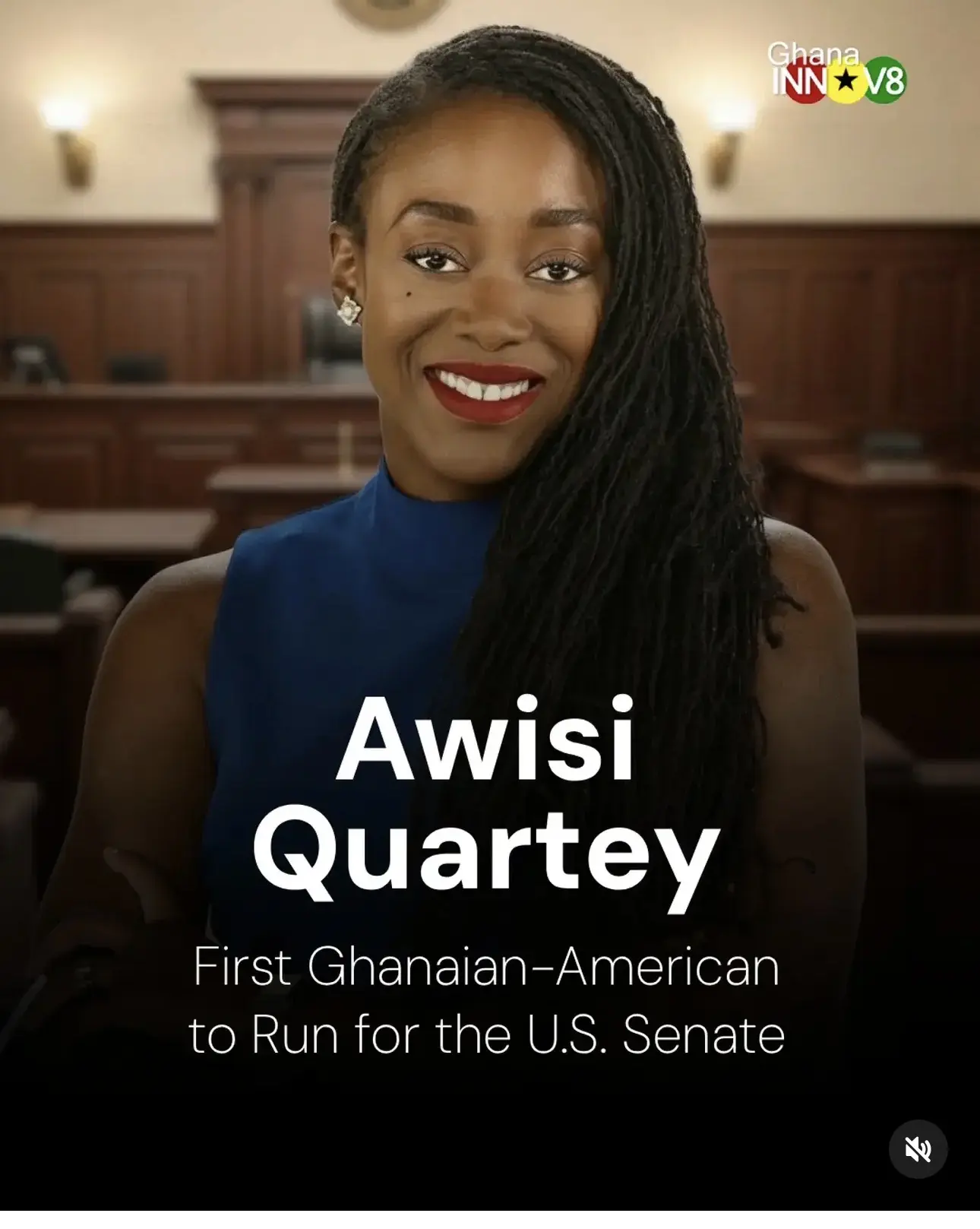
    In an era defined by rapid technological change, economic anxiety, and political cynicism, public service requires more than cautious incrementalism. It demands vision, lived experience, and what leader Awisi Quartey Bustos calls radical dreaming, the uncompromising belief that a state as rich in talent as Illinois should ensure every resident thrives, rather than merely survives.

    As a first generation Ghanaian American, legal scholar, and seasoned administrator, Awisi Quartey Bustos stepped into the federal political arena with a campaign grounded in real solutions for working families. Her bid for the United States Senate brought a transformative voice to the forefront, uniting executive discipline with a deep commitment to human dignity.

    Awisi’s journey is defined by cross cultural global perspective and public impact. The daughter of a Ghanaian diplomat whose work with the United Nations spanned multiple continents, she learned early in life how to listen, adapt, and build bridges across diverse communities.

    Her career spans over sixteen years of strategic leadership across state and federal government systems. She served as an aide and regional coordinator for United States Senator Dick Durbin, directly connecting federal policy with local community priorities across Northwest Illinois. She worked as Senior Policy Adviser at the Illinois Department of Human Services, co leading statewide initiatives focused on poverty elimination, violence prevention, and economic development. As Chief Executive Officer of the Illinois Alliance of Boys and Girls Clubs, she managed an eleven million dollar operational structure supporting sixty thousand youth across one hundred fifty nine sites, securing a historic four million dollar state appropriation in 2024 to expand youth programming.

    Awisi’s platform addressed the interconnected structural challenges facing urban, suburban, and rural Illinois communities alike.

    Her education plan sought to dismantle systemic inequities in Kindergarten through twelve grade funding while expanding post secondary access. She championed fair funding models that guarantee equitable resource distribution across every school district statewide. She advocated for expanded federal investment in community colleges, trade apprenticeships, and vocational training. She pushed for modernized classrooms equipped with up to date digital tools and dignified, competitive compensation for educators.

    To rebuild trust in public institutions, her governance agenda emphasized transparent and accountable leadership. She called for real time digital tracking of public spending to ensure strict fiscal transparency. She advanced structural federal ethics reforms designed to limit special interest influence and empower grassroots civic involvement.

    Recognizing the rapid shift toward automated and AI driven economies, Awisi introduced actionable policies to future proof Illinois workers. She proposed a National Workforce Innovation Fund to reskill workers in high growth fields such as cybersecurity, AI, and robotics. She prioritized closing the digital divide by expanding universal high speed broadband to rural and underserved communities. She supported worker retention incentives that encourage corporations to retrain incumbent workers rather than replace them.

    Awisi addressed the everyday cost of living pressures facing families across the state. She supported federal zoning incentives and targeted first time homebuyer grants to lower housing costs. She advanced comprehensive efforts to reduce prescription drug prices and protect high quality healthcare as a fundamental right. She championed policy protections for working parents, including paid family leave and accessible universal childcare.

    Her vision for safe and sustainable communities combined human centered investments with responsible regulatory guardrails. She advocated for strong gun laws alongside community led violence intervention networks. She supported humane immigration reforms that honor immigrant labor and strengthen Illinois’ agricultural and business sectors. She advanced ethical technology policies that protect individual privacy while anchoring foreign policy in international human rights.

    Awisi Quartey Bustos demonstrated what is possible when immigrant heritage, legal acumen, and proven administrative execution come together. Her campaign offered a powerful playbook for progressive, pragmatic leadership, proving that bold ideas and compassionate public service remain the truest path toward a better Illinois.

    For full campaign information, detailed policy documentation, and updates, visit the official candidate portal at Awisi Quartey Bustos Campaign Infrastructure.

  • President Mahama to Cut Sod for Landmark Multi‑Tiered Carpark and Airport Hotels Complex in Accra

    President Mahama to Cut Sod for Landmark Multi‑Tiered Carpark and Airport Hotels Complex in Accra


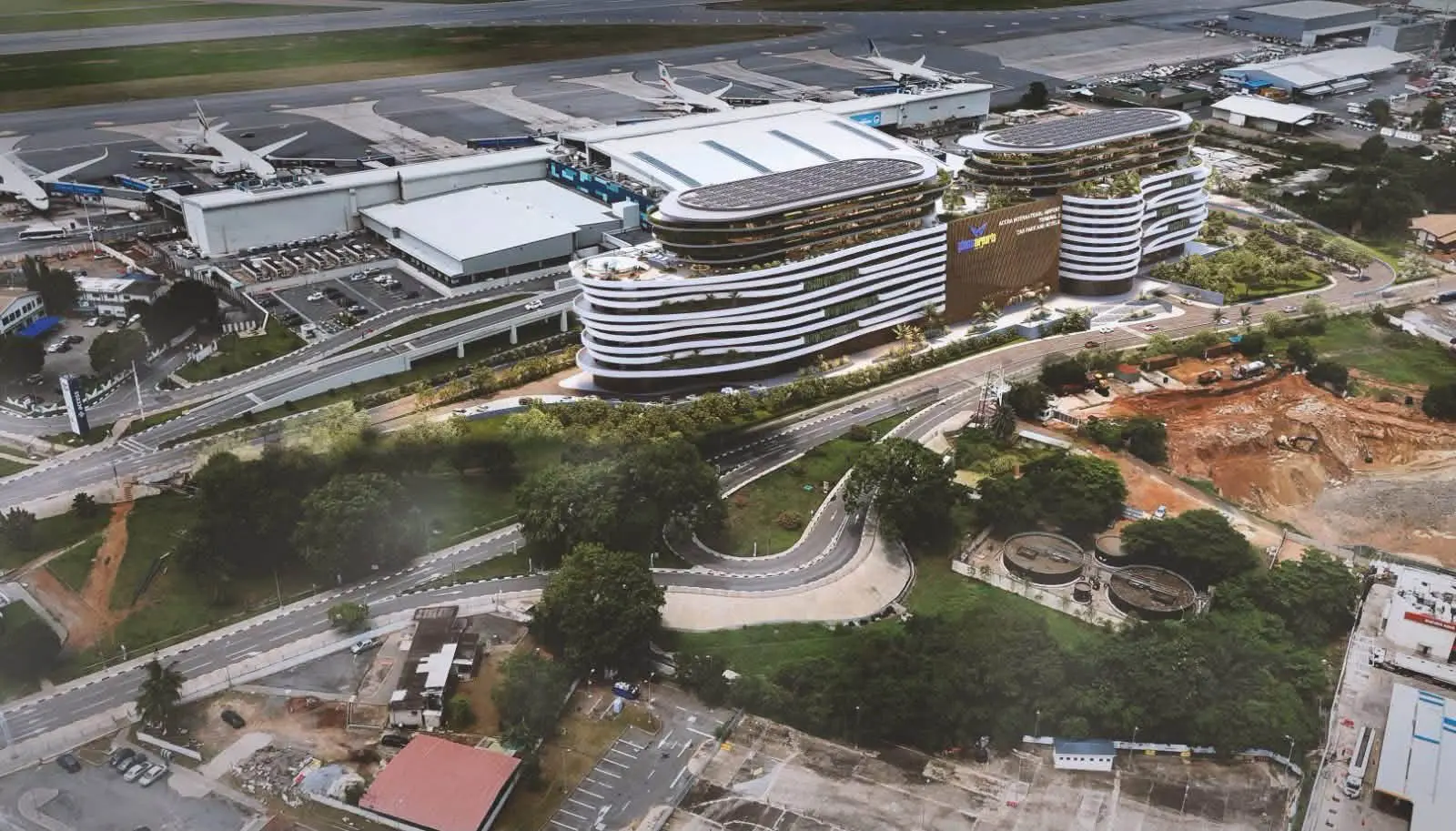
    Pictures below are artist’s renderings of the proposed Multi Tiered Carpark and Airport Hotels Complex.

    By Daniel Nii Okine

    ACCRA, Ghana — In a decisive stride toward reinforcing Ghana’s position as West Africa’s premier aviation hub, H.E. President John Dramani Mahama will officially break ground on Thursday, August 27, 2026, for a transformative Multi‑Tiered, Multi‑Purpose Carpark and Airport Hotels Complex at Kotoka International Airport in Accra. The ceremony marks the beginning of a major infrastructural expansion designed to elevate the nation’s capital gateway into a modern urban transit and commercial powerhouse.

    The project represents a bold reimagining of Accra’s aviation landscape, merging high‑capacity transit solutions with premium hospitality, retail, and entertainment facilities. It is expected to redefine the skyline of Ghana’s busiest international entry point and significantly enhance the passenger and visitor experience.

    President Mahama’s longstanding commitment to world‑class infrastructure was underscored by Presidential Spokesman and Minister of State for Government Communications, Felix Kwakye Ofosu, who noted that the President’s legacy already includes Terminal 3 at the Accra International Airport, the massive MPS Terminal at Tema Harbour, and the secured four hundred million dollars for the Tema to Mpakadan Rail Project. His return to the airport enclave signals the beginning of yet another era of national growth.

    The architectural blueprint outlines several major components designed to meet the needs of both domestic and international travelers:

    • Seven Storey Carpark, offering more than two thousand dedicated parking bays to ease congestion and expand vehicle capacity
    • Dual On Site Hotels, positioned along the airport perimeter to serve long haul travelers, transit passengers, and business executives
    • Direct Terminal Access through a covered, climate controlled pedestrian bridge linking the complex to passenger terminals
    • Commercial and Retail Hub, including a multi level mall, international food court, prime retail outlets, and corporate office spaces
    • Sky Lounge for premium relaxation and evening entertainment within the airport district
    • Sky Observatory offering panoramic views of aircraft takeoffs and landings

    The proposed glass and steel façade presents a futuristic architectural identity that blends aesthetic sophistication with functional urban design. Beyond its role in airport operations, the complex is envisioned as a standalone destination capable of attracting shoppers, corporate tenants, and tourists.

    Thursday’s sod‑cutting ceremony will officially launch civil works, setting in motion what analysts anticipate will be a significant boost to employment, tourism revenue, and broader economic activity across Greater Accra.

  • Otumfuo Osei Tutu II Ignites a Historic Convergence of Royal Power and Black Intellectual Greatness at Howard University

    Otumfuo Osei Tutu II Ignites a Historic Convergence of Royal Power and Black Intellectual Greatness at Howard University

    Sankofaonline News Desk

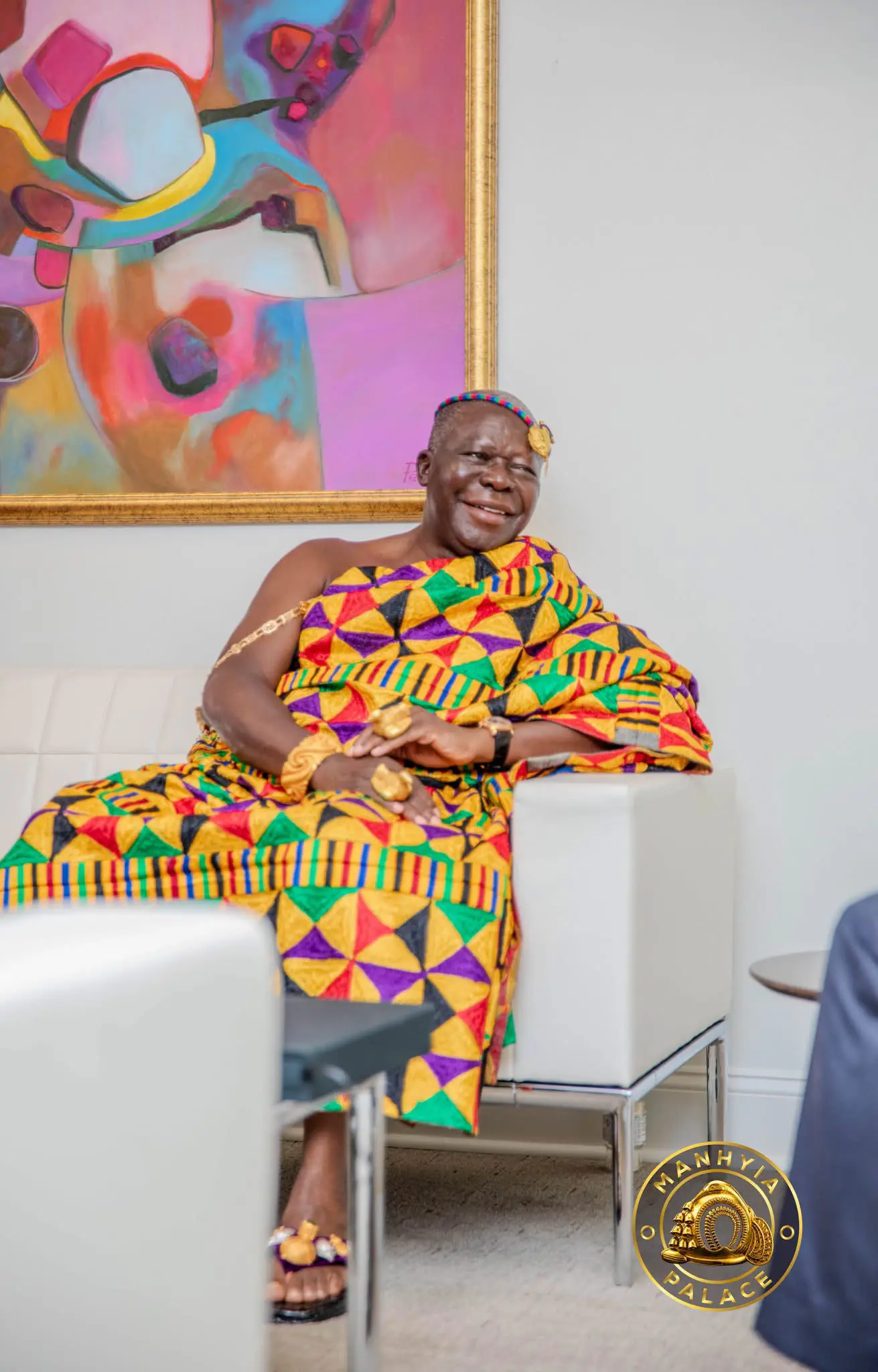
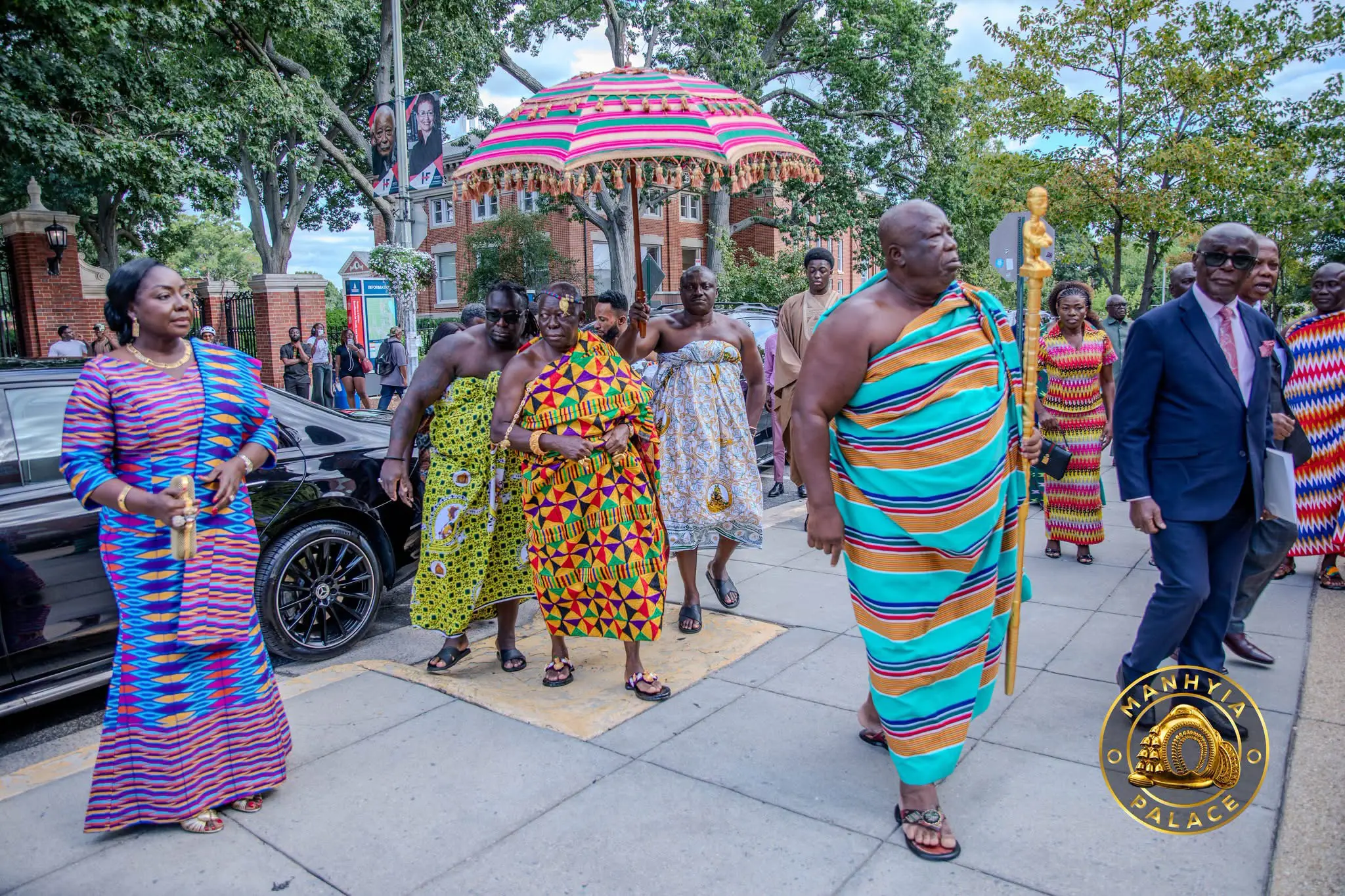
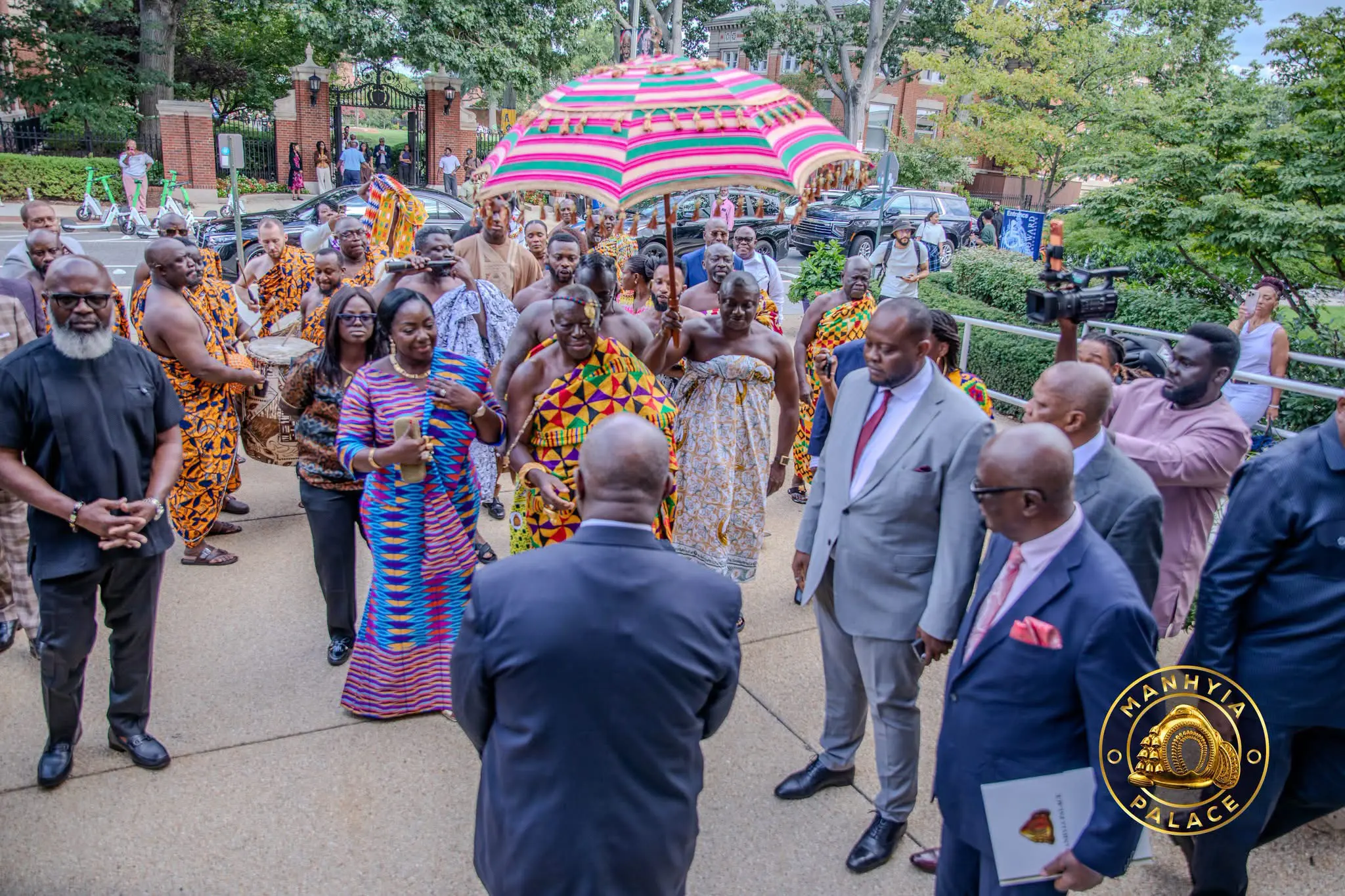
    WASHINGTON, D.C. — In a moment that blended the grandeur of African royalty with the scholarly prestige of Black intellectual tradition, His Majesty Otumfuo Osei Tutu II, the Asantehene, arrived at Howard University on Tuesday, August 25, transforming the revered campus into a diplomatic and cultural epicenter. The visit marked a defining chapter in the ongoing dialogue between traditional African governance and the global African diaspora.

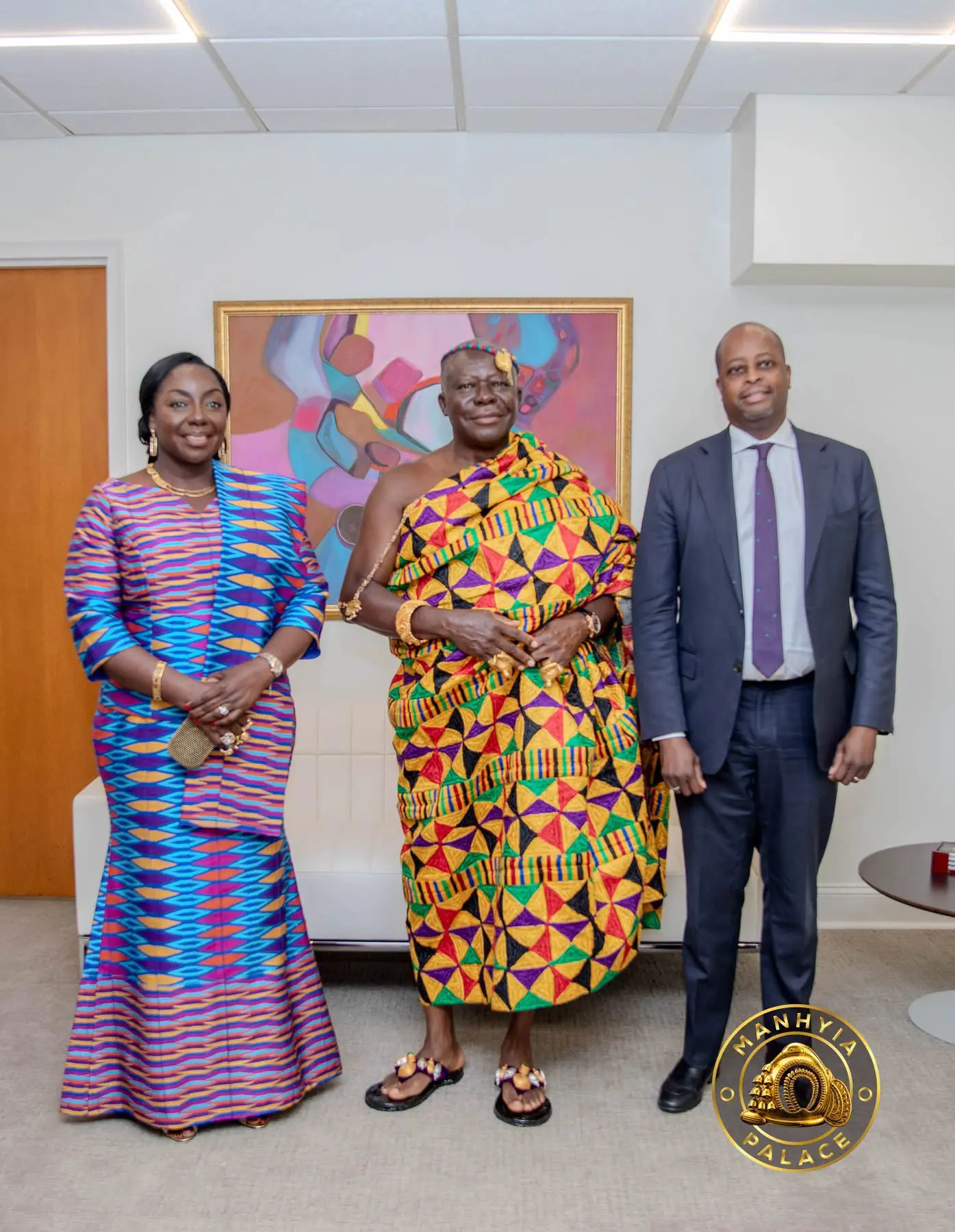
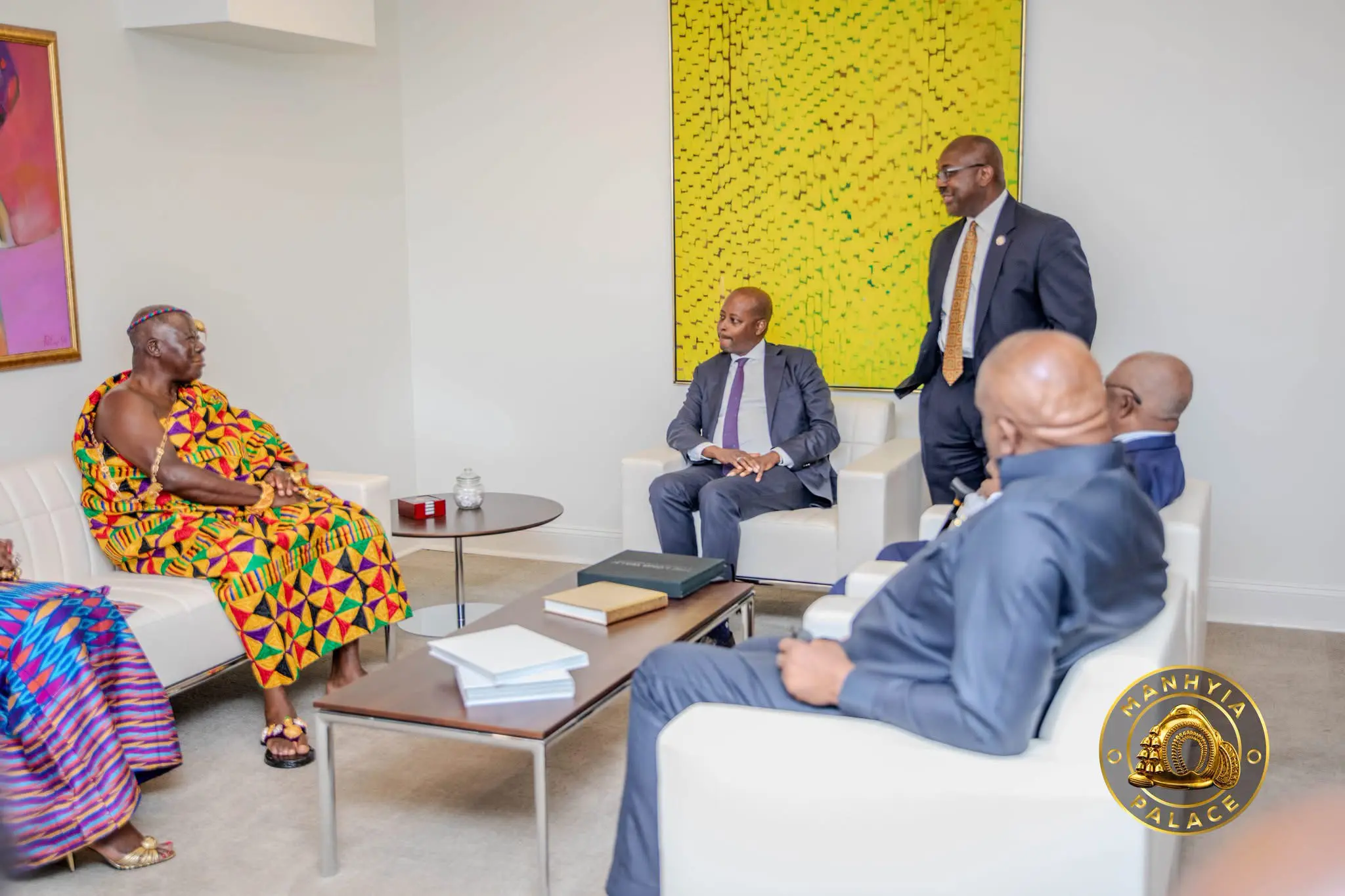
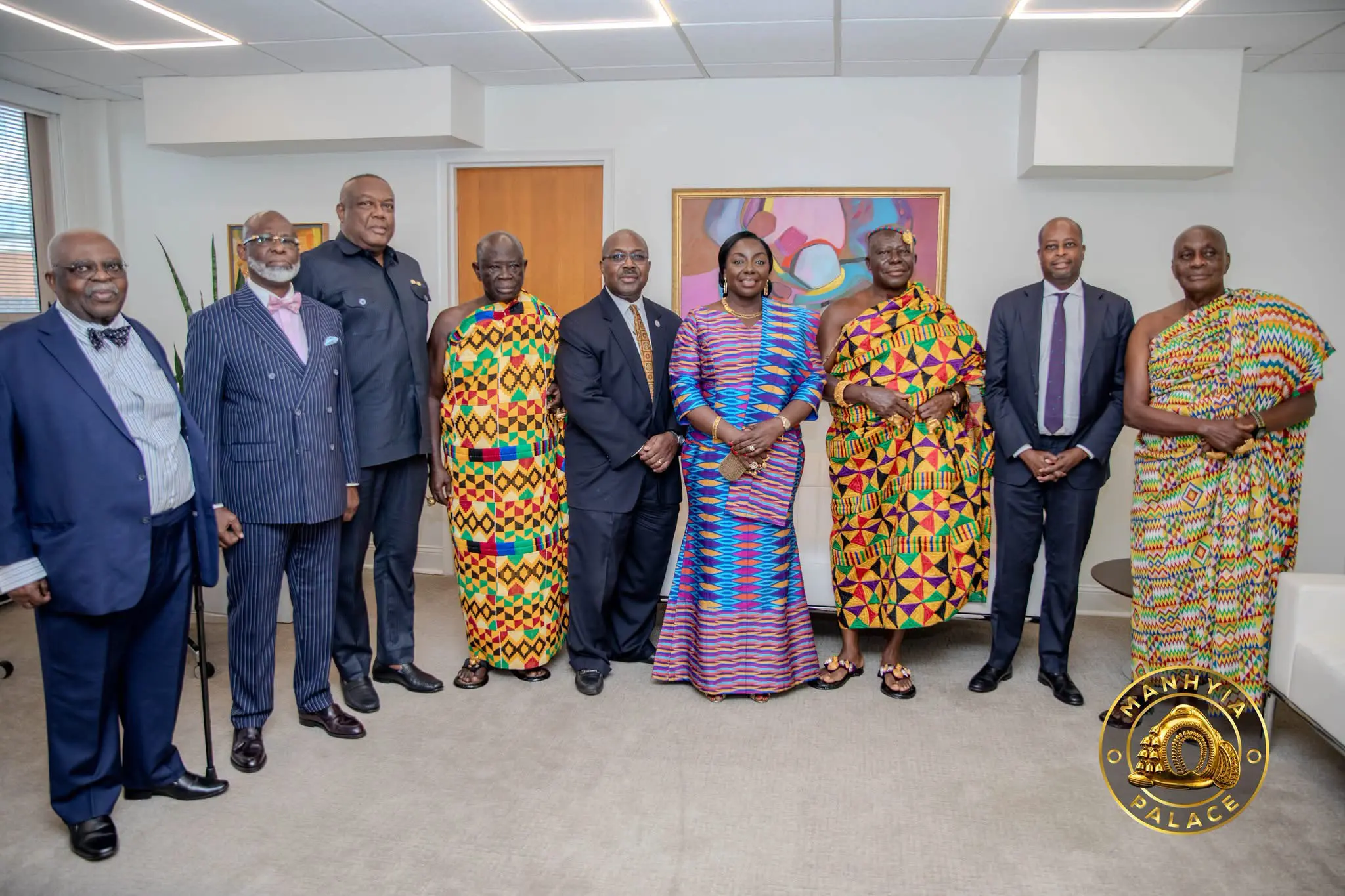
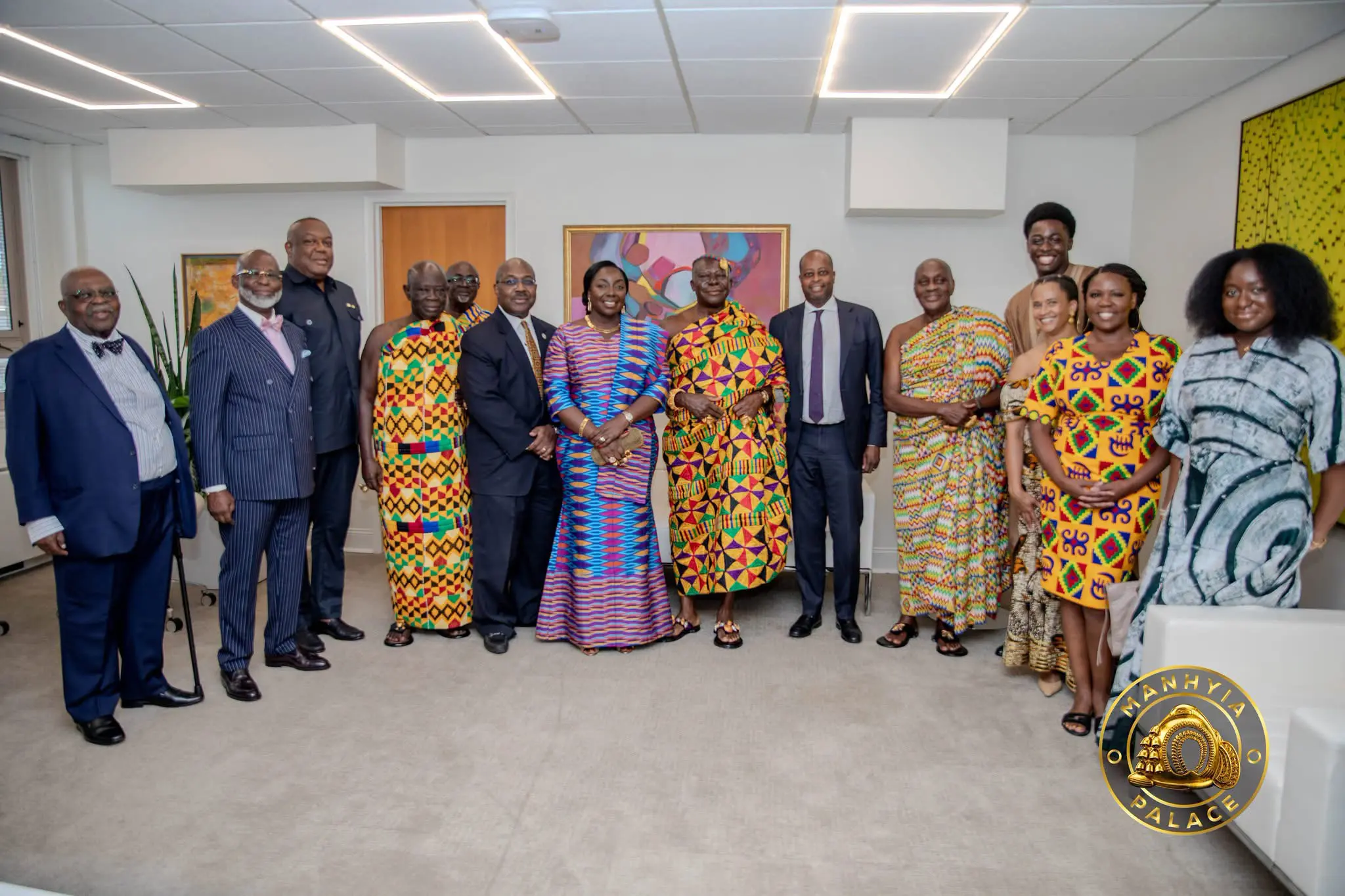
    The Asantehene was received with distinguished honor by Howard University’s Interim President, Dr. Wayne A. I. Frederick, Provost Dr. Anthony Wutoh, and Ghana’s Ambassador to the United States, H.E. Victor Smith. Their welcome underscored Howard’s historic role as The Mecca of Black scholarship and its enduring commitment to global African engagement.

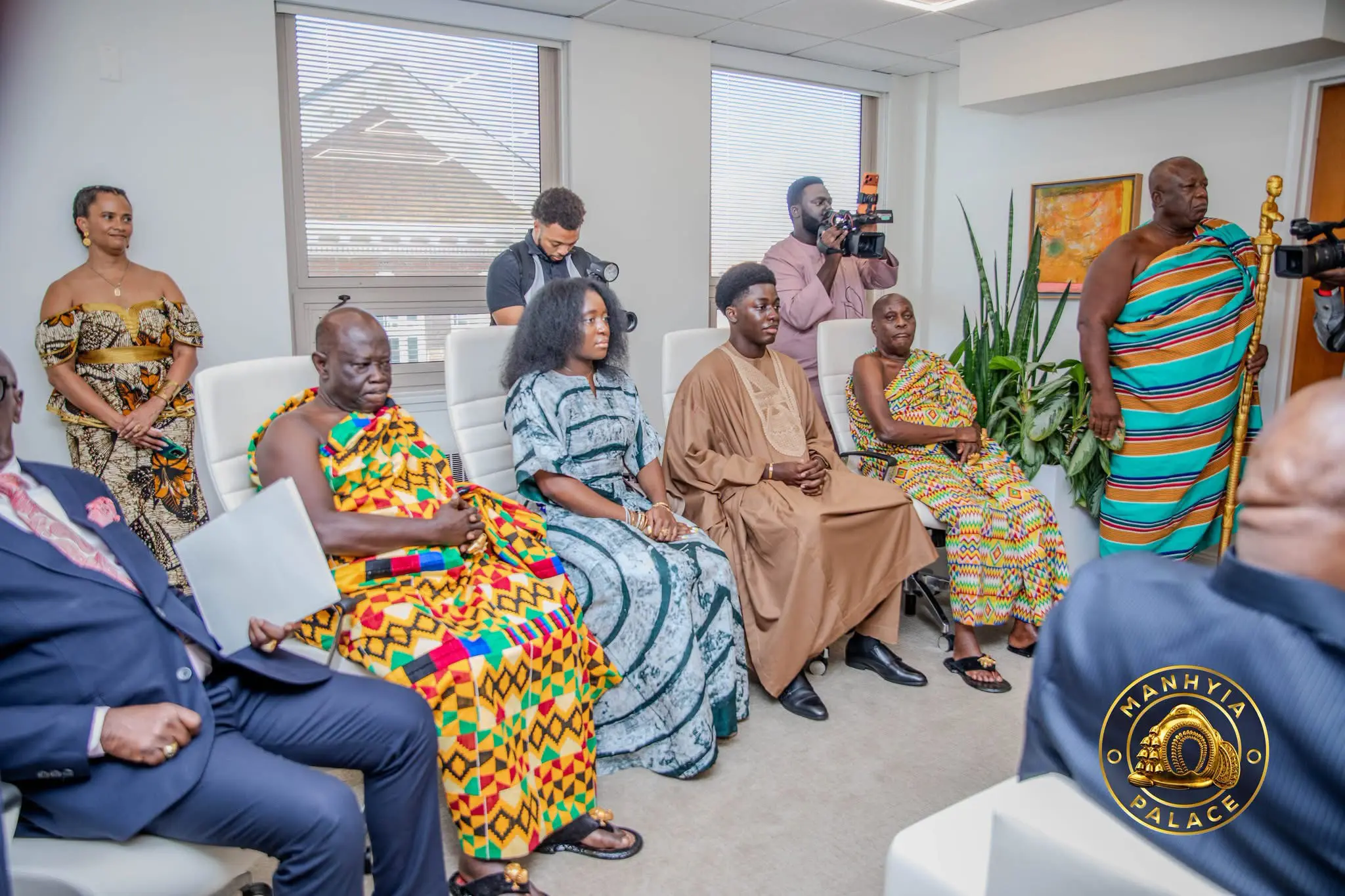
    Before delivering his anticipated Royal Guest Lecture, His Majesty convened a high-level private meeting with university leadership and Ambassador Smith. The discussions centered on academic partnerships, diaspora educational pathways, and the relevance of traditional leadership models in addressing modern global challenges. The tone was strategic, forward-looking, and deeply rooted in shared heritage.

    The Asantehene’s Washington engagement forms a major pillar of Millennium Excellence Awards Week 2026, a weeklong summit uniting business leaders, diplomats, and international investors across the D.C.–Maryland–Virginia corridor. The initiative, organized by the Millennium Excellence Foundation, aims to strengthen economic cooperation, leadership development, and cultural exchange between Africa and North America.

    His Majesty’s U.S. tour will climax on Sunday, August 30, when he presides over the sacred Akwasidae Kɛse at Bowie State University. Rooted in centuries of Asante tradition, the Akwasidae is observed every six weeks to honor royal ancestors, invoke blessings, and reaffirm unity within Asanteman. The Maryland Grand Durbar is expected to draw tens of thousands , from Ghanaian diaspora communities to global dignitaries , for a breathtaking display of ancestral rites, royal pageantry, traditional drumming, and the luminous splendor of Asante gold regalia.

    For Howard University, hosting the Custodian of the Golden Stool is more than ceremonial prestige. It reinforces the institution’s legacy as a global bridge between Africa and its diaspora, reminding the world that the ties binding African nations and their descendants remain anchored in shared heritage, mutual respect, and a collective vision for the future.