Author: Administrator

  • Zoomlion Launches Disinfection and Disinfestation Exercise Across Upper East Region

    Zoomlion Launches Disinfection and Disinfestation Exercise Across Upper East Region


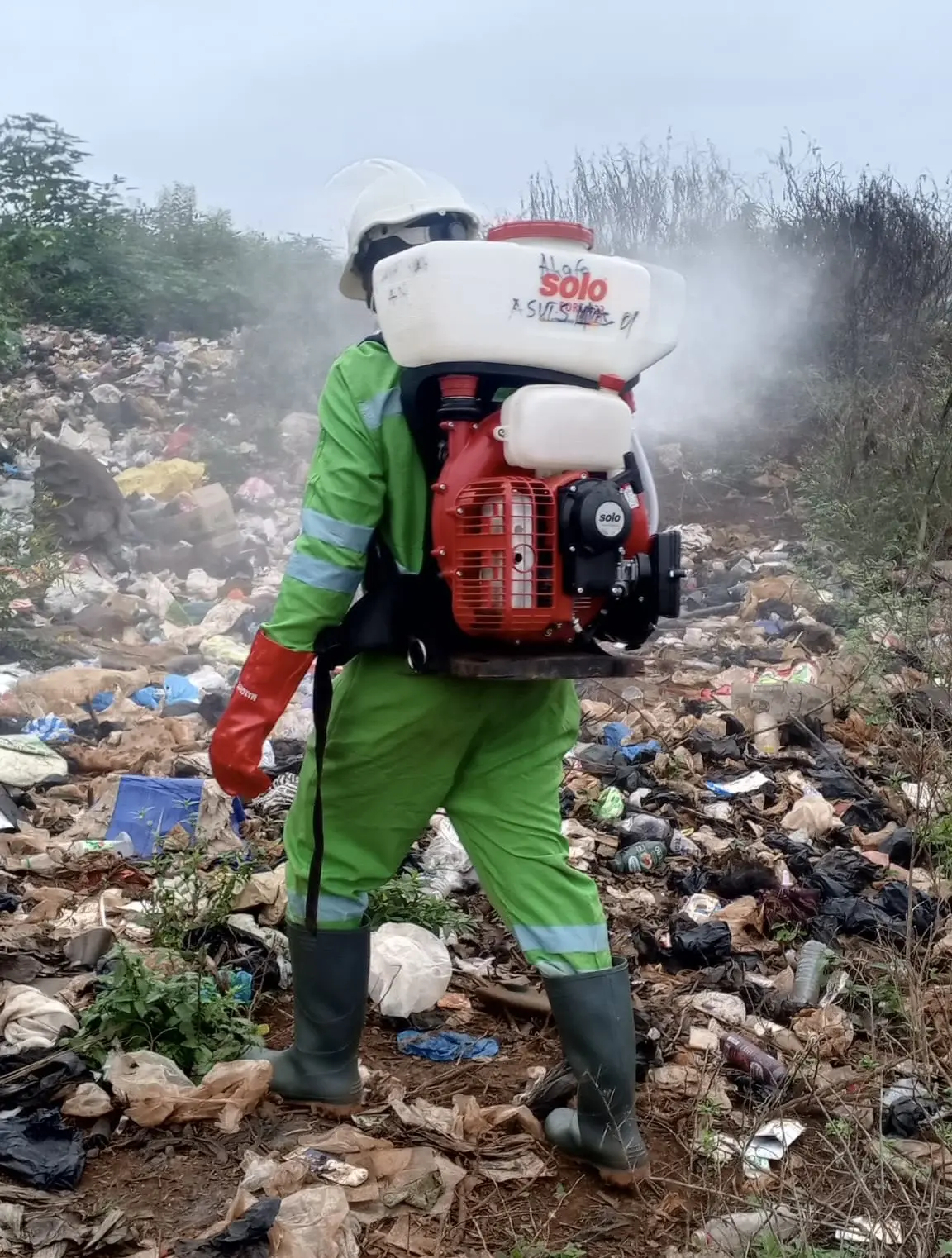
    Zoomlion Ghana Limited has commenced a week-long disinfection and disinfestation exercise across all 15 municipalities and districts in the Upper East Region as part of proactive measures to minimise the risk of disease outbreaks during the peak rainy season.

    The exercise targets public spaces and sanitation facilities considered potential breeding grounds for disease vectors and disease-causing pathogens. These include public toilets, markets, schools, health facilities, communal waste container sites, dumping grounds and drainage systems, where accumulated waste, stagnant or contaminated water, and poor sanitary conditions could pose risks to public health.

    The intervention forms part of a broader nationwide programme being implemented by Zoomlion in collaboration with Metropolitan, Municipal and District Assemblies (MMDAs). It follows recent flooding in parts of southern Ghana and is intended to strengthen environmental sanitation and disease-prevention measures during the rainy season.

    As part of its corporate social responsibility, Zoomlion is undertaking the disinfection and disinfestation exercise at no cost to beneficiary communities.

    Speaking during the exercise, the Upper East Regional Manager of Zoomlion, Mr Kojo Njabore Upon, explained that although the Upper East Region was not directly affected by the recent flooding in southern Ghana, prevailing rainy-season conditions made preventive intervention necessary.

    According to him, rainfall and runoff can carry contaminants from areas affected by open defecation, indiscriminate waste disposal and other unsanitary practices into drains, watercourses and public spaces. Such conditions, he explained, could increase the risk of disease transmission, including cholera, particularly in communities where environmental sanitation standards are poor.

    He said the intervention was therefore designed to treat high-risk locations where pathogens and disease vectors could thrive, thereby helping to reduce potential public health risks.

    Mr Upon clarified that the ongoing intervention was specifically focused on disinfection and disinfestation and did not constitute a general refuse-collection exercise. He noted, however, that waste evacuation and clearing could be undertaken in selected communities under separate sanitation programmes where necessary.

    He further called on residents to participate actively in the National Sanitation Day and assume greater responsibility for keeping their homes, businesses and communities clean.

    “Sanitation is not an event; it is continuous,” Mr Upon stressed, explaining that periodic disinfection and disinfestation alone cannot provide lasting solutions where waste, debris and other insanitary conditions are allowed to persist.

    He encouraged households, traders and businesses to store waste properly and engage authorised waste management service providers to ensure regular collection and disposal at designated sites. Residents, he added, should regard proper waste management as an investment in their own health, since preventable diseases can result in substantial medical expenses, loss of productive time and reduced household income.

    The Upper East Regional Environmental and Sanitation Officer, Mr Charles Yinbil Awuni, welcomed the exercise and described it as a timely intervention, particularly during the rainy season.

    He appealed to residents to complement the exercise by maintaining clean surroundings, avoiding indiscriminate waste disposal and adopting responsible sanitation practices.

    The week-long exercise is expected to improve environmental sanitation conditions and help reduce potential disease risks across the Upper East Region. Beyond the immediate intervention, Zoomlion is encouraging residents to embrace cleanliness and responsible waste management as continuous responsibilities essential to protecting public health and building cleaner, healthier and more resilient communities.
  • Proforest presents 22 motorbikes to boost forest protection in Ahafo Region

    Proforest presents 22 motorbikes to boost forest protection in Ahafo Region


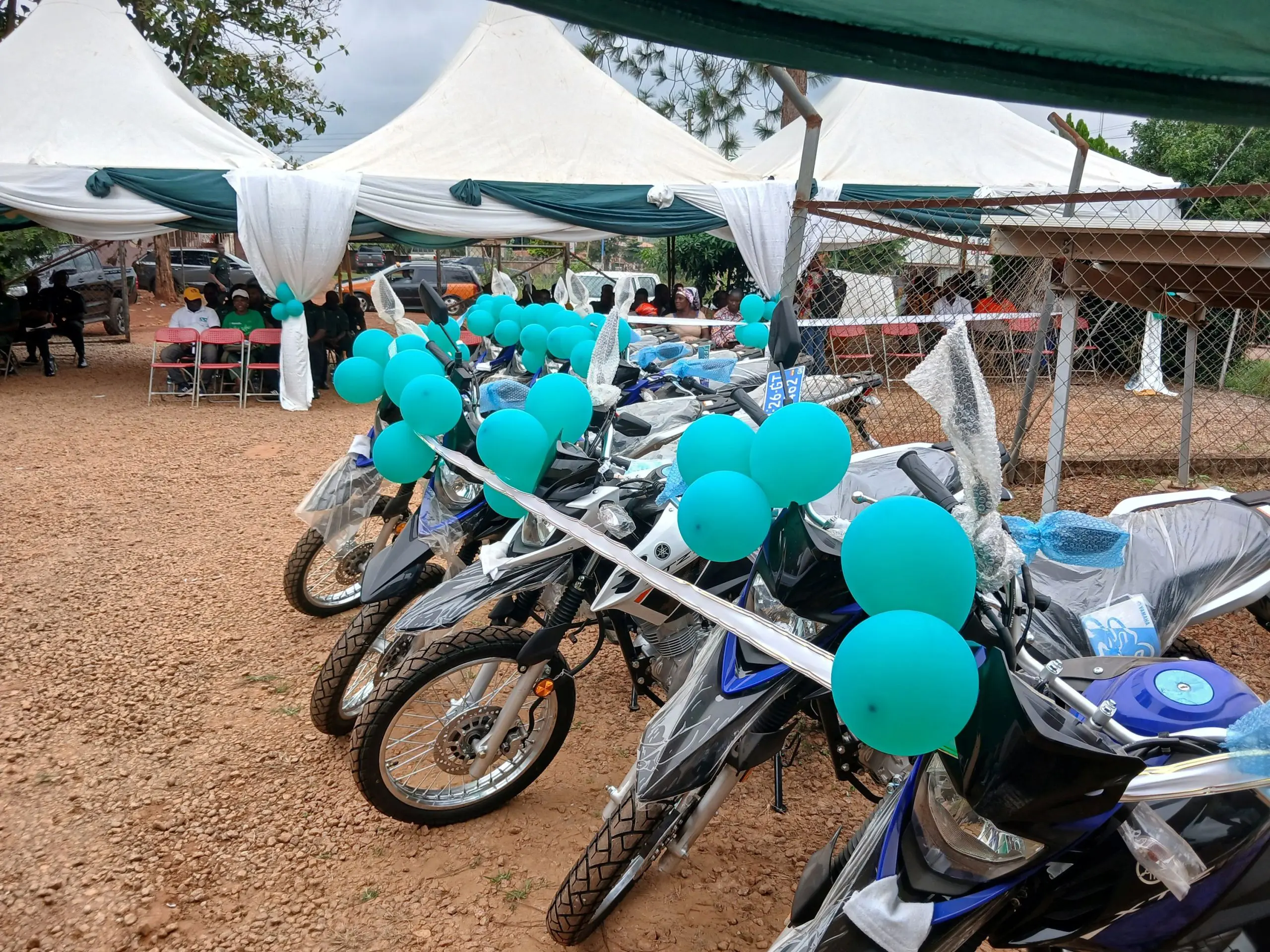
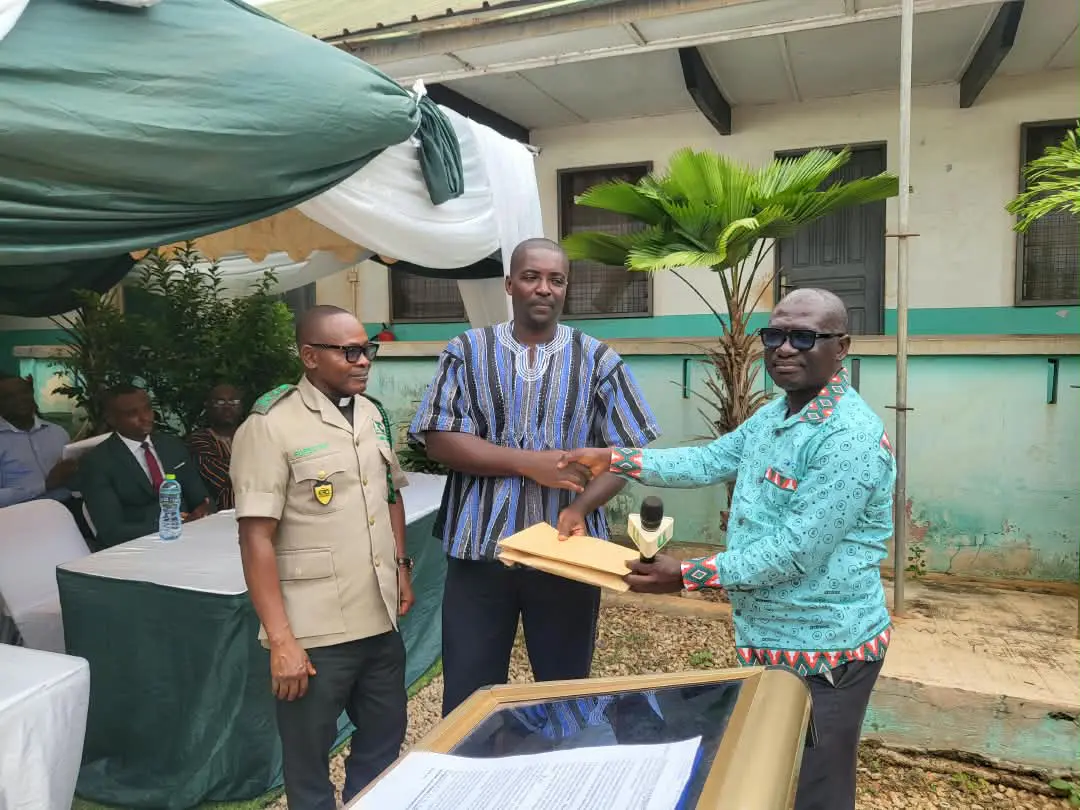
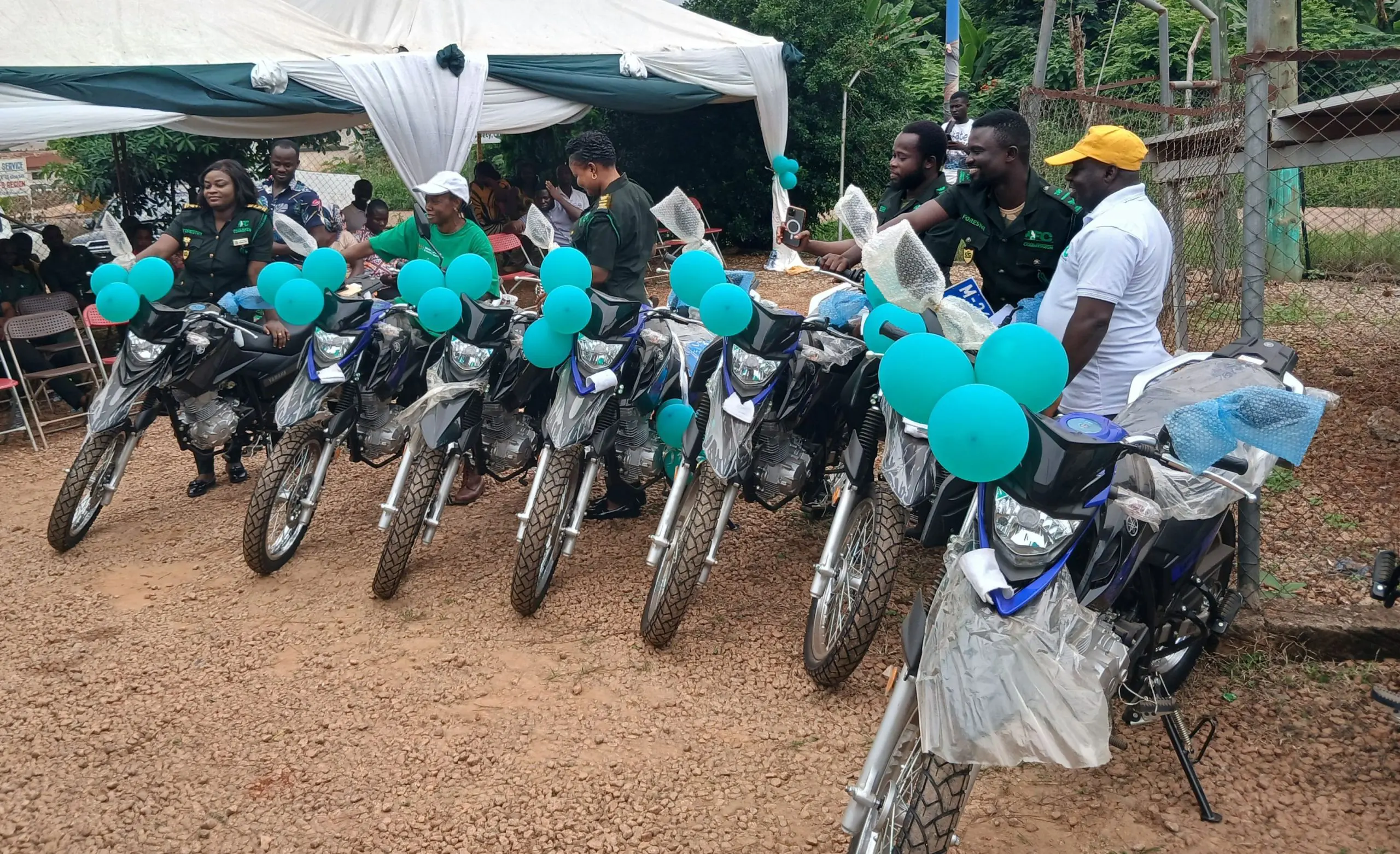
    Proforest has presented 22 motorbikes to the Ahafo Regional Forestry Commission to strengthen forest patrols, improve access to remote forest areas, and support restoration work across the Asunafo-Asutifi landscape. The presentation wasmade under the Support for Forest Protection and Rehabilitation in the Asunafo-Asutifi Landscape project, implemented as part of the Ghana Cocoa Forest REDD+ Programme with support from Mondelēz International, Barry Callebaut and Sainsbury’s Supermarket.

    The project aims to rehabilitate approximately 450 hectares of severely degraded forest reserve areas, with a particular focus on the Asutifi North Sub-Hotspot Intervention Area. The motorbikes will help field officers reach difficult terrain, respond faster to illegal activities and monitor restoration sitesmore consistently.

    Forest reserves in Ghana’s cocoa-producing landscapes continue to face pressure from degradation, encroachment, and limitedaccess for frontline officers. The support demonstrates howprivate-sector investment in cocoa sustainability can translate into practical action for forest protection, climate resilience anddeforestation-free cocoa production.

    “This support will enhance the Forestry Commission’s ability to protect forest reserves and monitor restoration activities across the landscape,” said Abraham Baffoe, Global and Africa Director, Proforest. “By improving mobility for frontline officers, we are helping to strengthen day-to-day forest protection, safeguard restoration investments and advance practical action toward climate-resilient, deforestation-free cocoa landscapes.”

    The Ahafo Regional Manager of the Forestry Commission welcomed the donation and said the motorbikes would make a direct difference to field operations. “These motorbikes come at a critical time for forest protection in the region,” Rev. Edward Opoku Antwi, the Regional Manager said. “They will help our officers reach remote areas more quickly, improve surveillance of the reserves and support the restoration work taking place in the Asunafo-Asutifi landscape.”

    Background

    Proforest works with companies, governments, and civil society partners to support responsible production and sourcing of agricultural commodities. The Ghana Cocoa Forest REDD+ Programme seeks to reduce emissions from deforestation and forest degradation while promoting sustainable cocoa landscapes. The Asunafo-Asutifi landscape is one of Ghana’s priority cocoa-forest landscapes for restoration and forest protection interventions.

  • Ghanaian Community in Maryland Welcomes Asantehene Ahead of Millennium Excellence Week America 2026

    Ghanaian Community in Maryland Welcomes Asantehene Ahead of Millennium Excellence Week America 2026

    Sankofaonline

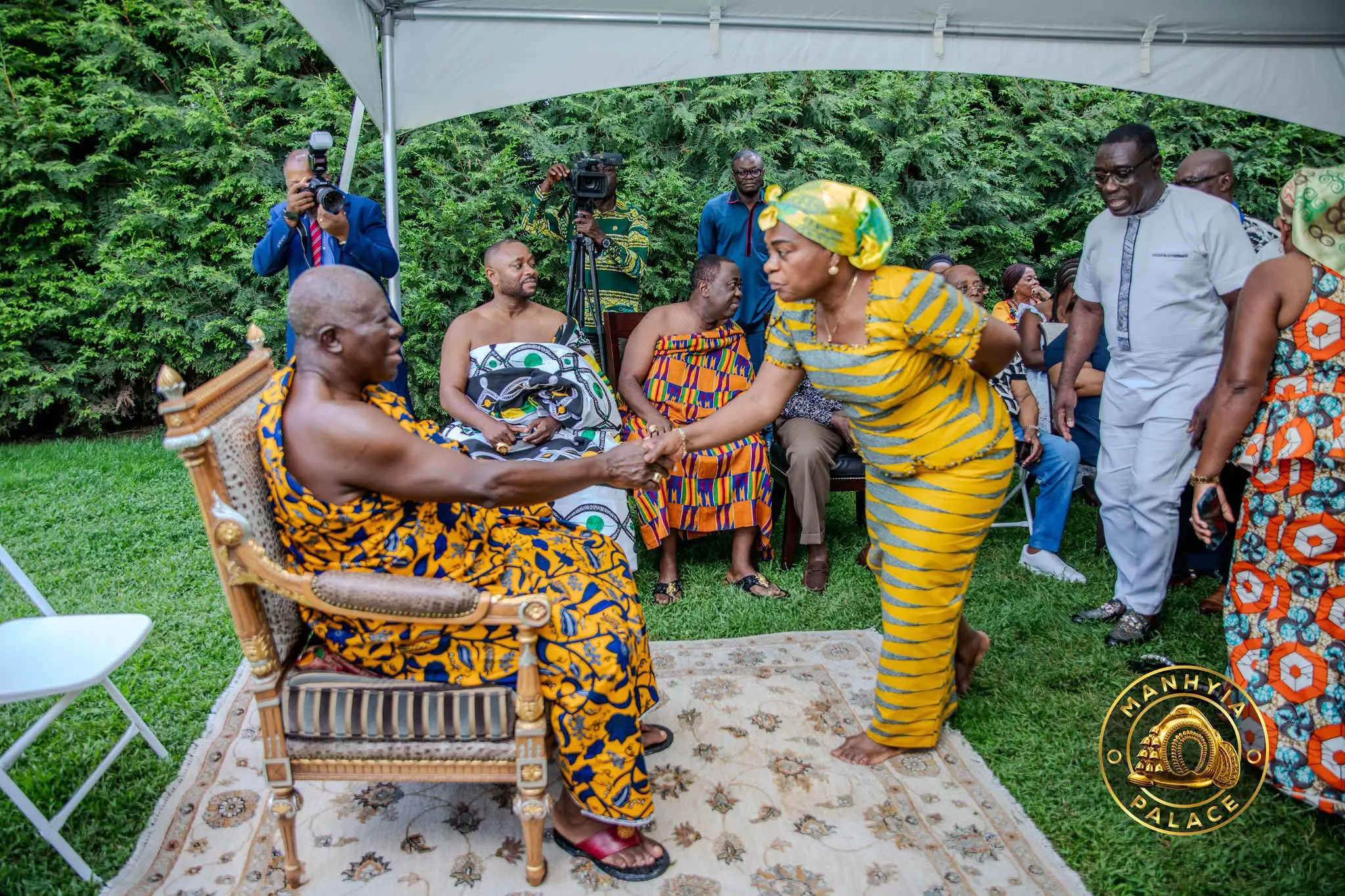
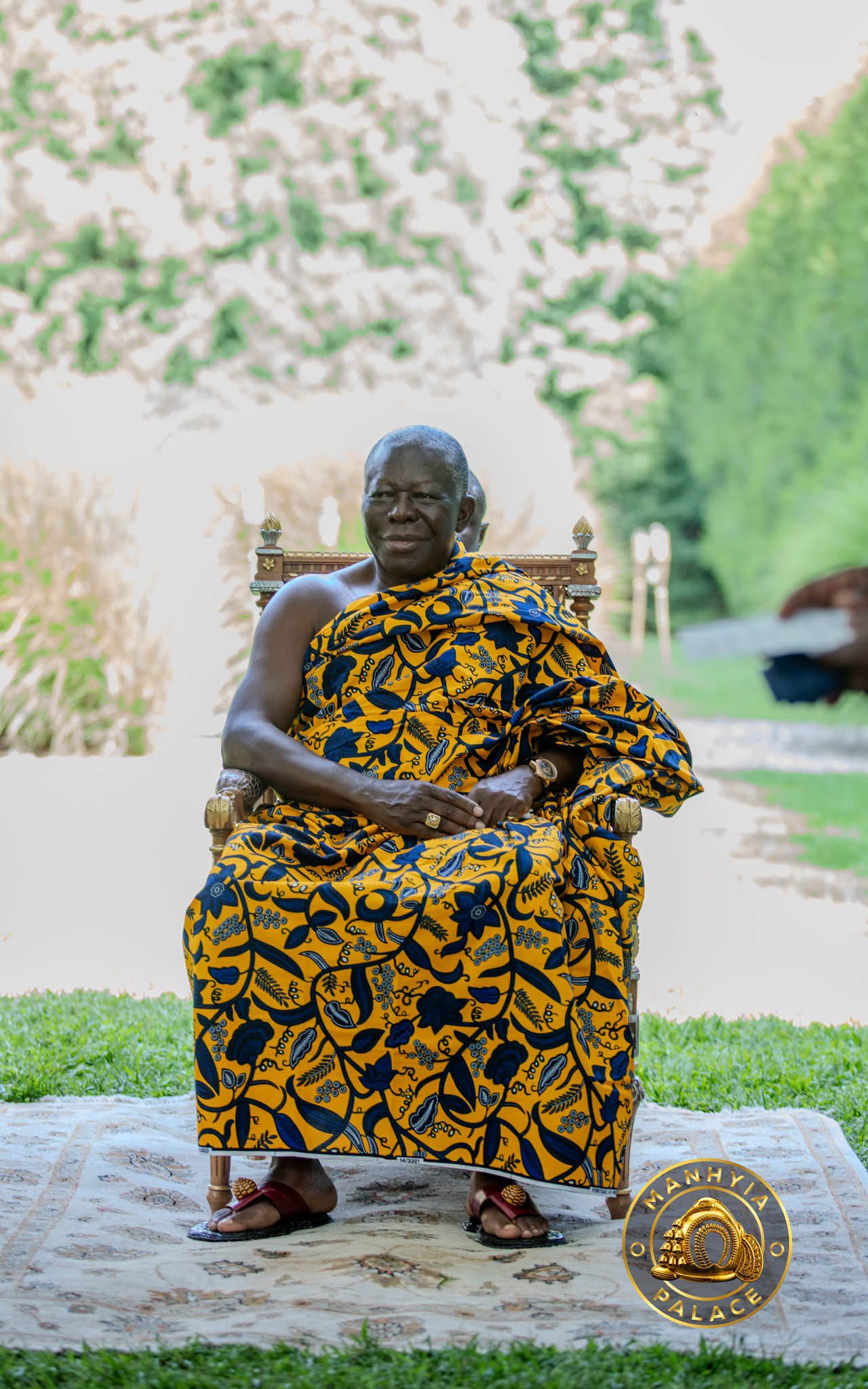
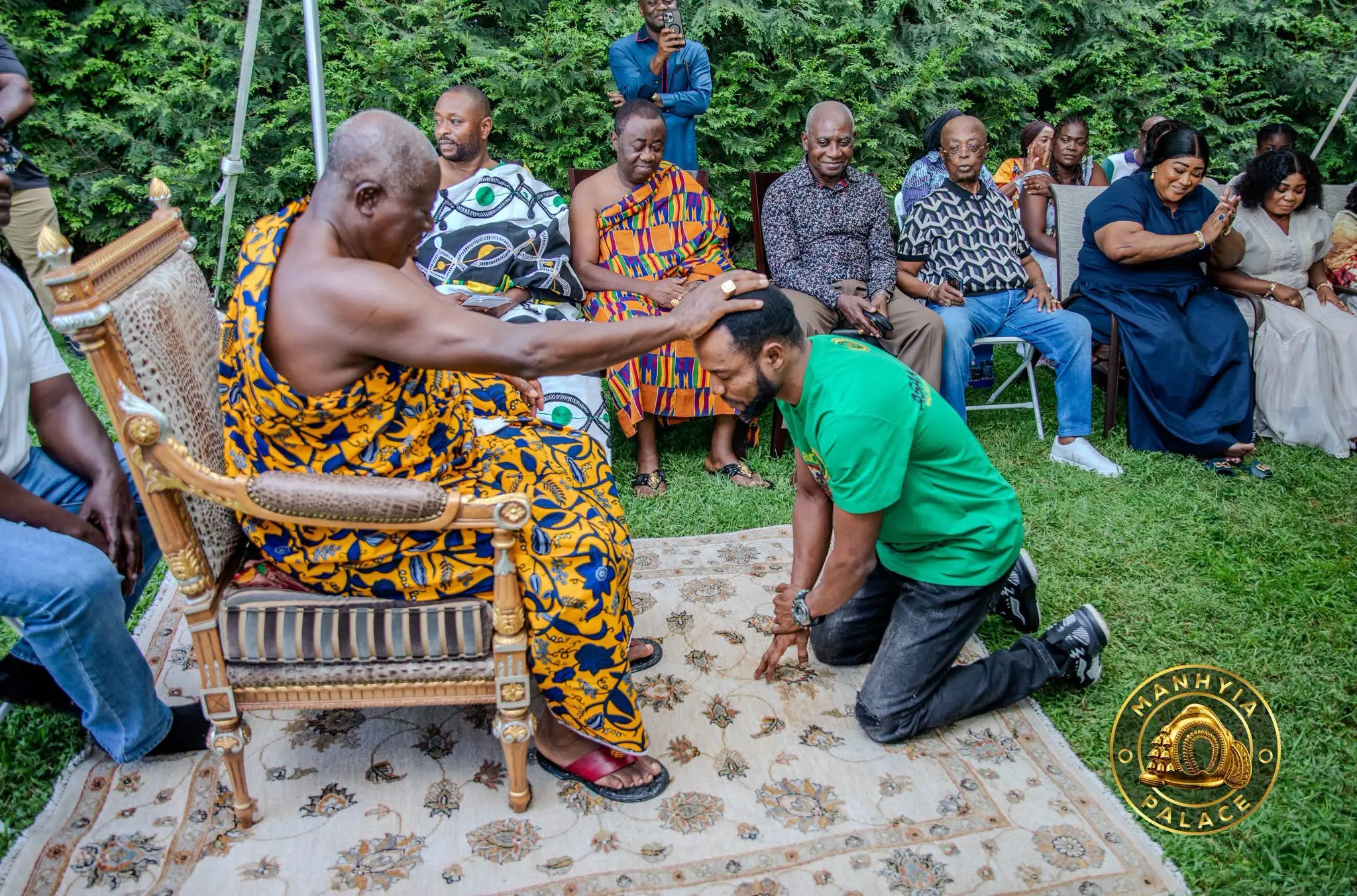
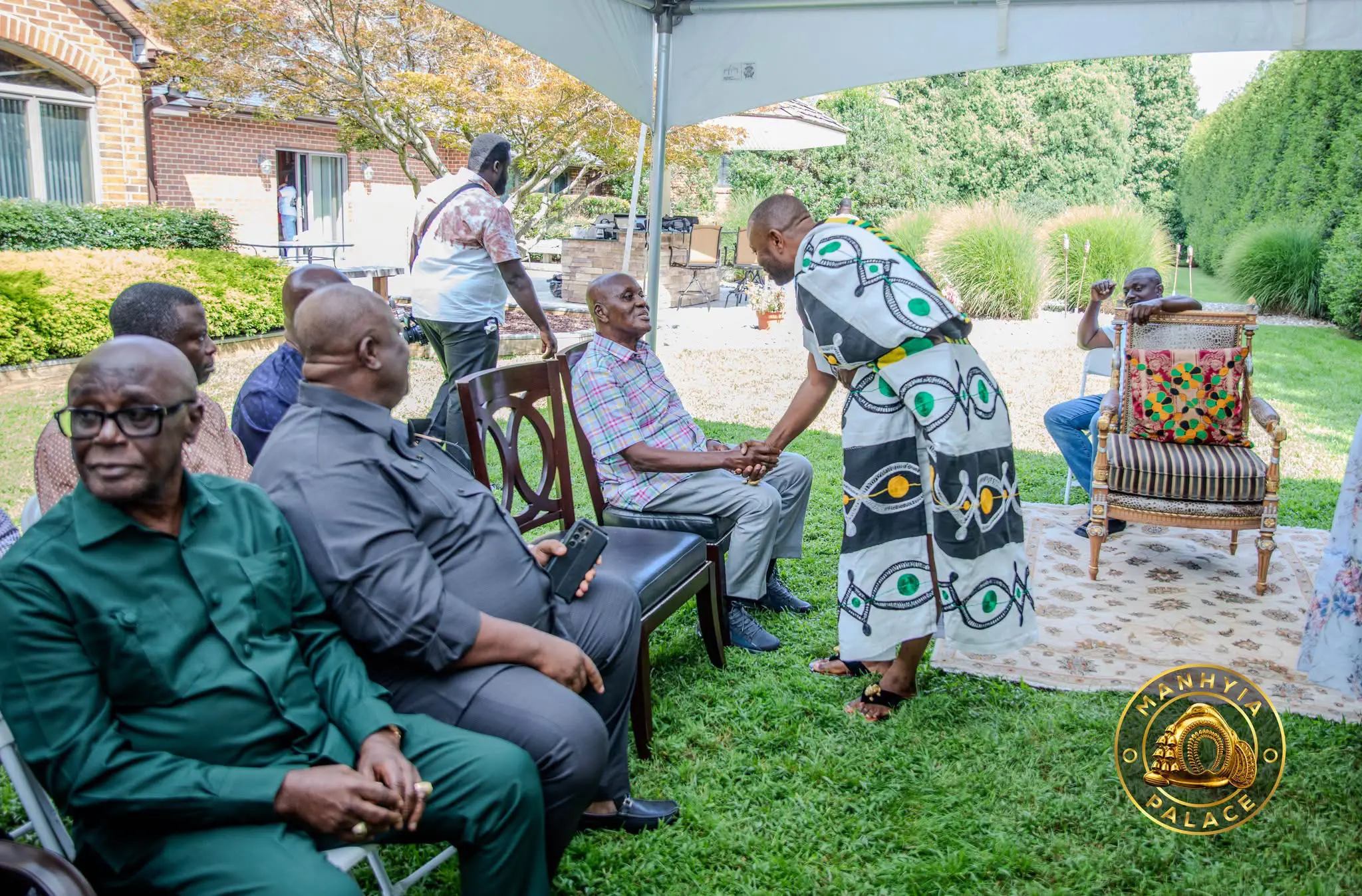
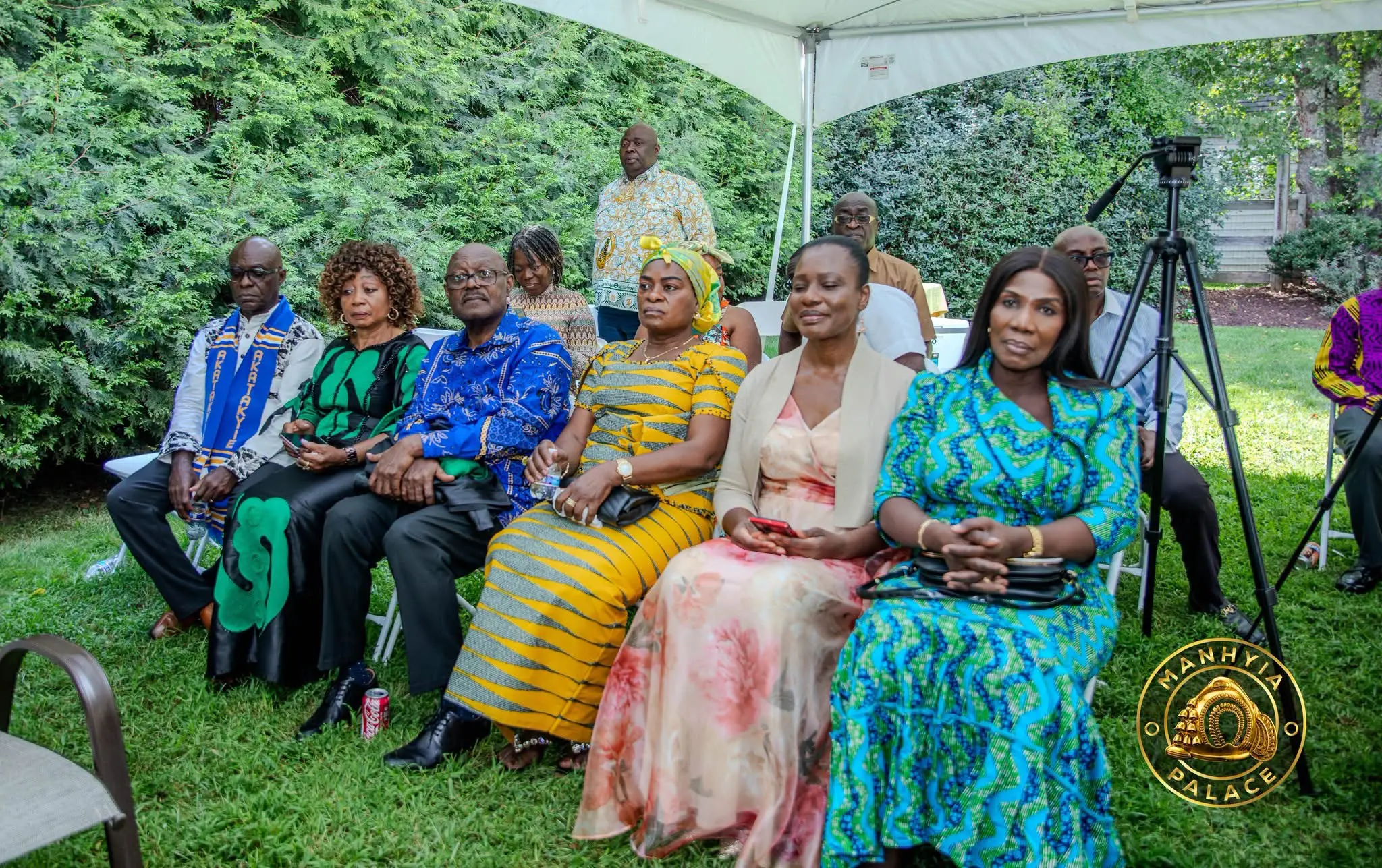
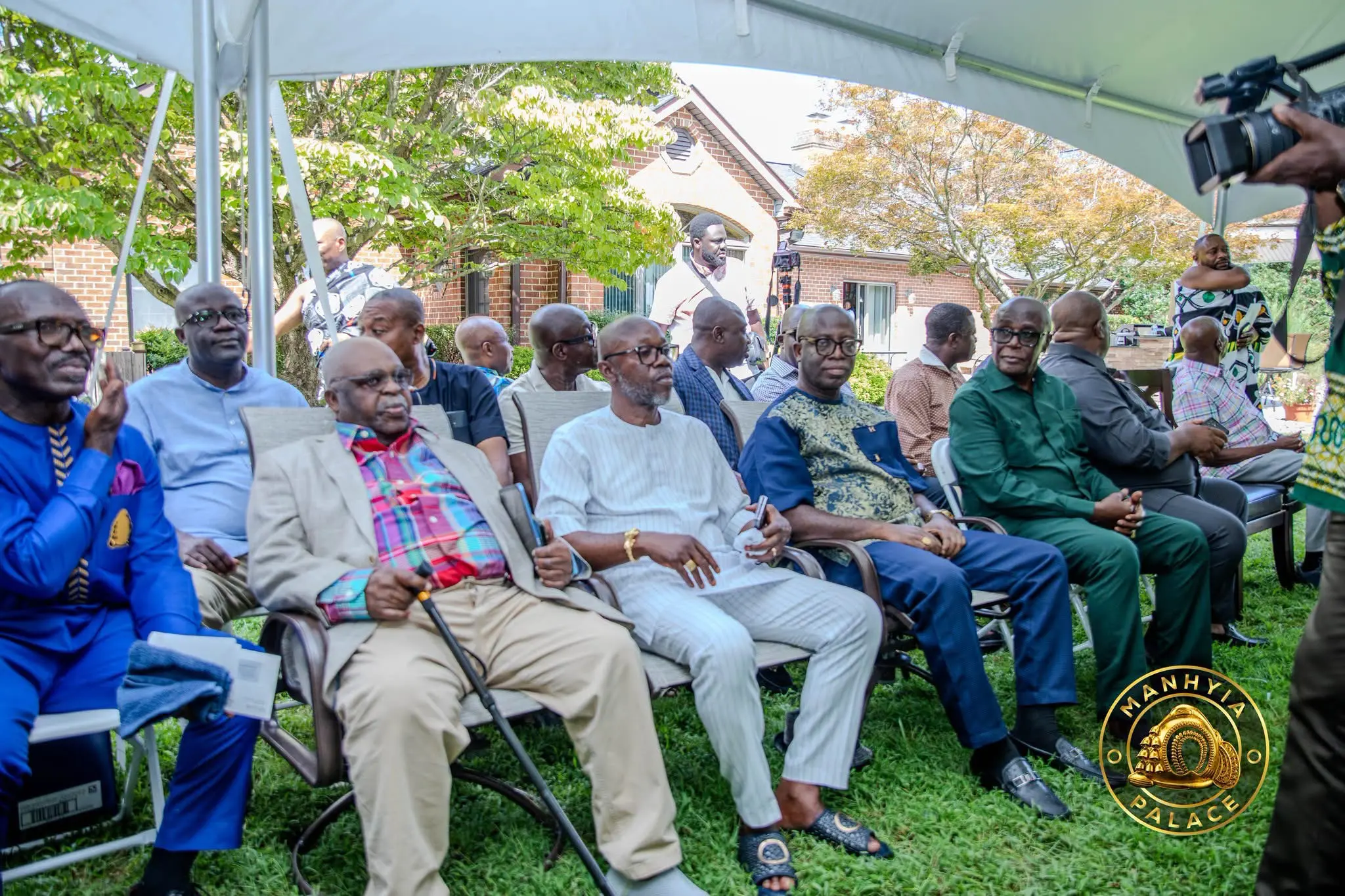
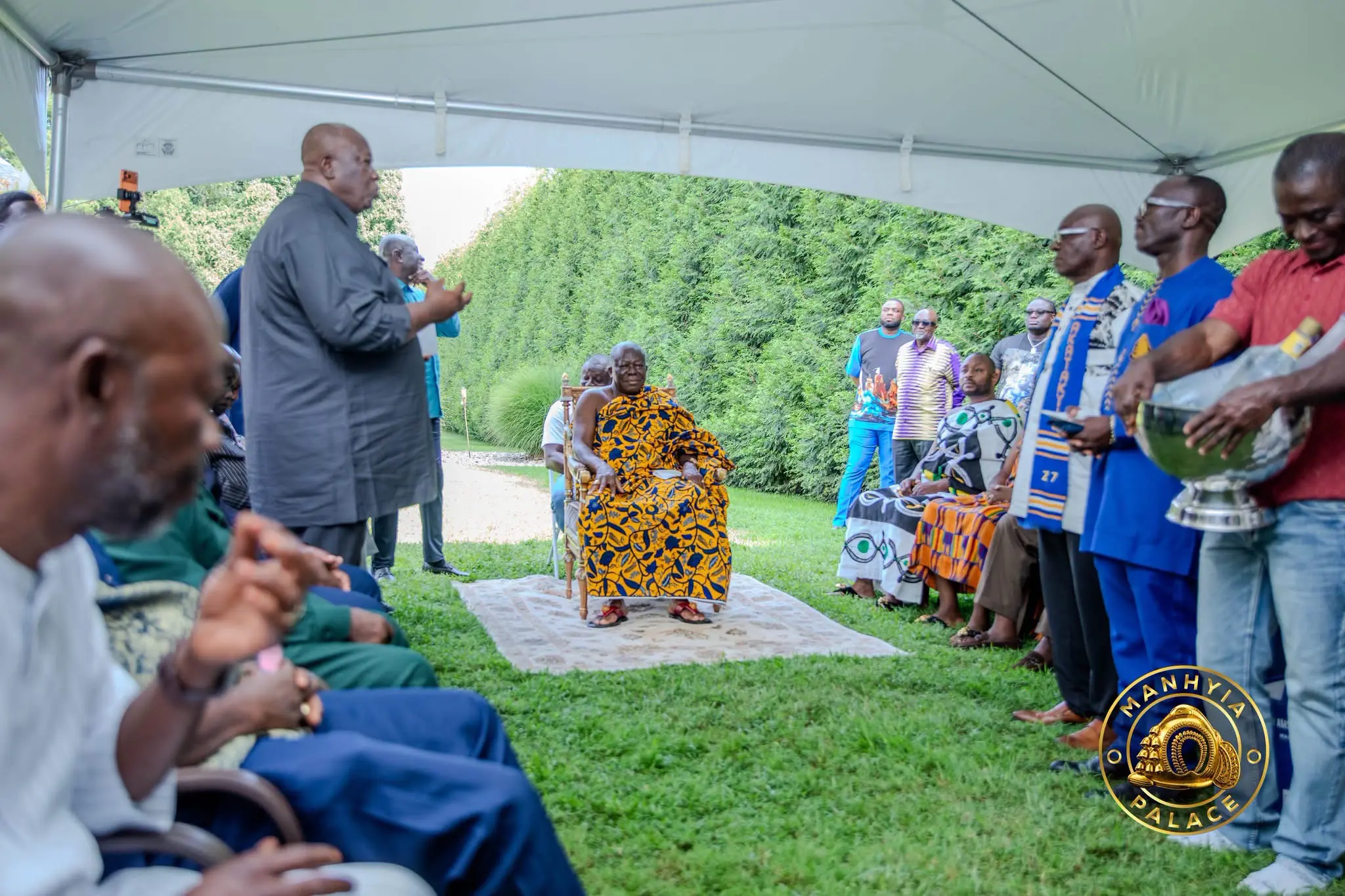
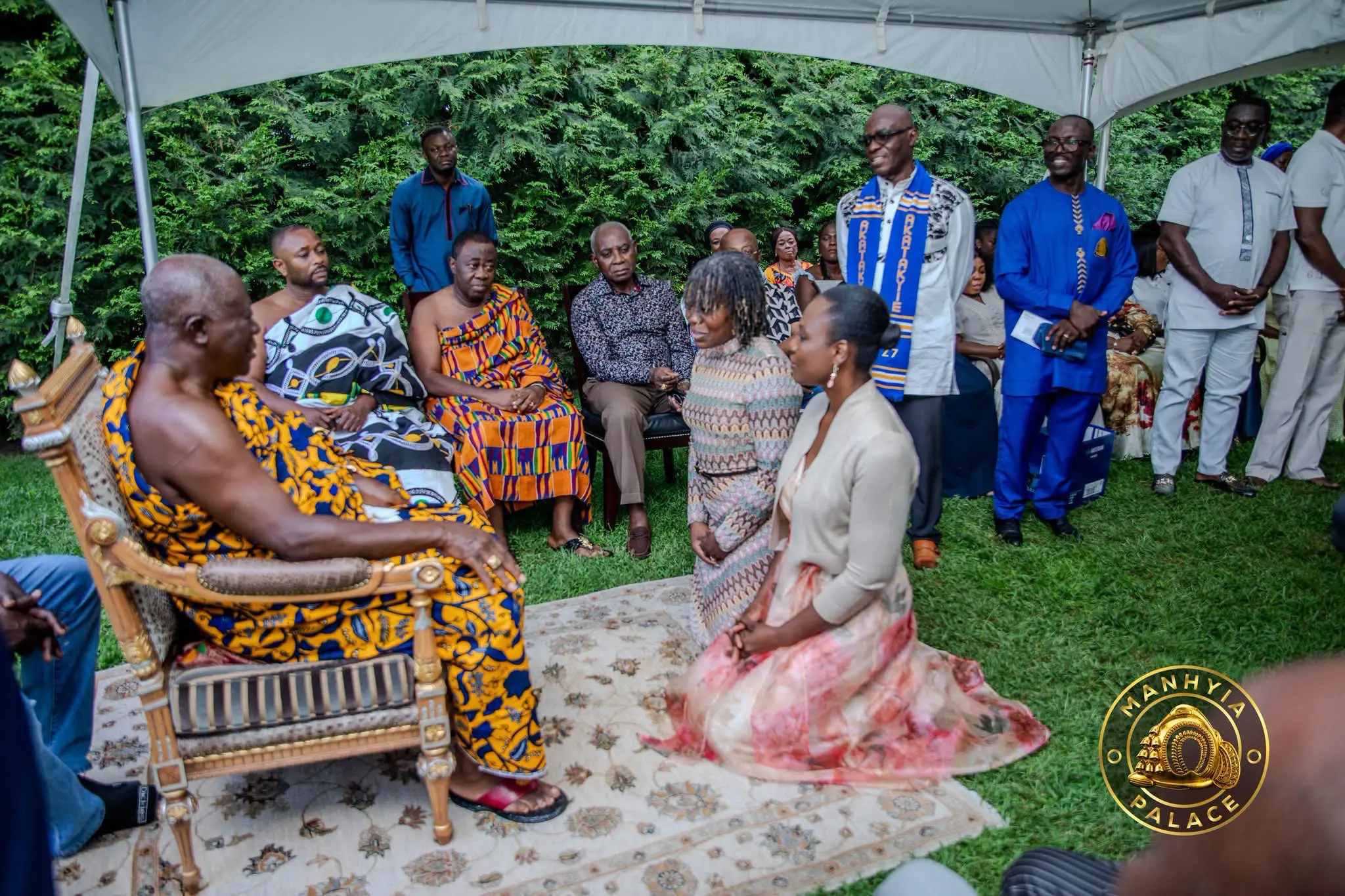
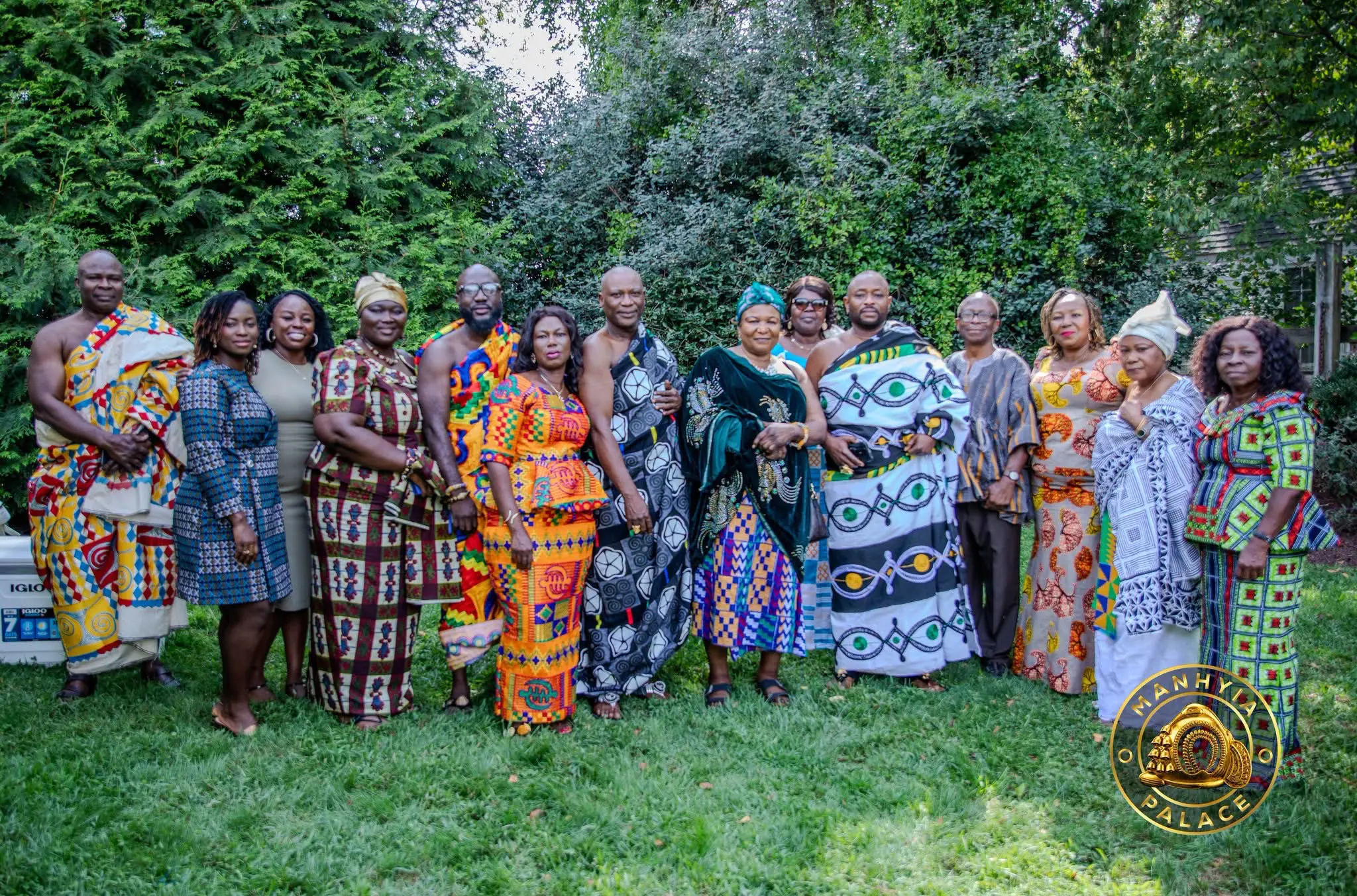
    On Wednesday, August 26, 2026, Otumfuo Osei Tutu II, Asantehene, received members of the Ghanaian community at his private residence in Maryland, USA, in a warm and dignified gathering that reflected the deep cultural loyalty of Asanteman abroad. The visit, marked by traditional courtesies and expressions of unity, brought together representatives of the Asafo, Aful Nkwanta, Amakom, and Worawora communities in Maryland, alongside Pastor Adonteng Boateng and Prophet Roja, who joined in paying homage to His Majesty.

    The delegation formally welcomed the Asantehene to the United States and sought his blessings ahead of the Millennium Excellence Week America 2026 and the Akwasidae Festival, two major cultural events expected to draw significant participation from the diaspora. Their visit underscored the enduring reverence for the Golden Stool and the commitment of Ghanaian communities abroad to uphold Asante traditions.

    Otumfuo Osei Tutu II expressed appreciation for the warm reception, commending the community for its unity, discipline, and dedication to preserving Ghanaian culture outside the homeland. He encouraged continued collaboration, cultural education, and responsible leadership within the diaspora, noting that the strength of Asanteman is reflected not only in Kumasi but wherever its people gather.

    The visit reaffirmed the bond between the Asantehene and his subjects abroad, setting a ceremonial tone for the upcoming celebrations and reinforcing the cultural pride that continues to define Ghanaian communities in the United States.

  • Ghana’s Government Declines MTN’s GHS20 Million Donation: A Comprehensive National‑Interest Analysis

    Ghana’s Government Declines MTN’s GHS20 Million Donation: A Comprehensive National‑Interest Analysis

    By Daniel Nii Okine

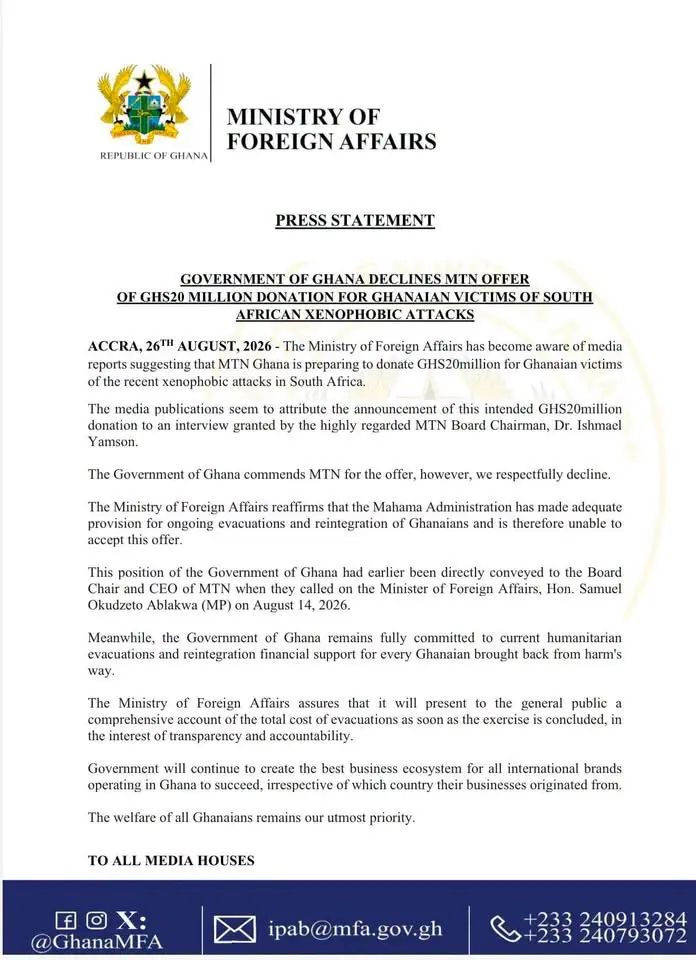
    The Government of Ghana’s refusal of MTN Ghana’s proposed GHS20 million humanitarian donation has become one of the most scrutinized developments in the aftermath of the recent xenophobic attacks in South Africa. The official statement issued on 26 August 2026 by the Ministry of Foreign Affairs did more than announce a decline , it opened a window into the state’s crisis‑management philosophy, its diplomatic posture, and the delicate balance between corporate goodwill and sovereign responsibility.

    The offer, attributed to comments by MTN Board Chairman Dr. Ishmael Yamson, surfaced at a moment when xenophobic violence in South Africa had once again placed foreign nationals ,including Ghanaians , in harm’s way. MTN, a telecommunications powerhouse with deep South African roots and a commanding presence in Ghana, sought to demonstrate solidarity by pledging substantial financial support. For many observers, the gesture symbolized corporate empathy and an attempt to reinforce MTN’s commitment to Ghanaian welfare during a regional humanitarian emergency.

    Yet the government declined. According to the Ministry, the Mahama Administration had already mobilized adequate resources for evacuation, humanitarian assistance, and reintegration of affected citizens. The state emphasized that it was fully prepared to shoulder the financial burden without external intervention. This position, the Ministry noted, had been communicated directly to MTN leadership during a courtesy call on 14 August 2026, well before the donation became a subject of public discussion.

    The refusal reflects a broader national doctrine: state‑led humanitarian operations must remain transparent, accountable, and free from external financial influence when public resources suffice. By declining the donation, the government projected confidence in its crisis‑response infrastructure and reinforced the principle that emergencies involving Ghanaian citizens abroad must be handled under clear state oversight. The Ministry further assured the public that a comprehensive account of evacuation expenditures would be published upon completion of the operation, underscoring its commitment to transparency.

    At the same time, the government was careful to maintain a balanced tone toward MTN. It reiterated its dedication to fostering a conducive business environment for all international brands operating in Ghana, regardless of their country of origin. This was a strategic signal: while the state declined the donation, it did not wish to appear hostile toward a major corporate actor whose economic footprint in Ghana is significant.

    Ultimately, the episode reaffirmed Ghana’s unwavering commitment to the welfare of its citizens. The ongoing evacuations, reintegration programs, and financial support systems reflect a national stance that no Ghanaian will be abandoned in harm’s way, whether at home or abroad.

  • Ceremonial Tribute Editorial in Honor of Tolon Naa, Retired Major Sulemana

    Ceremonial Tribute Editorial in Honor of Tolon Naa, Retired Major Sulemana

    Sankofaonline News Desk

    Dagbang stands in solemn reflection as it bids farewell to one of its most esteemed sons, Tolon Naa, Retired Major Sulemana, a leader whose life embodied courage, discipline and unwavering devotion to the people he served. His passing has cast a deep shadow across the kingdom, arriving at a moment when Dagbang is still healing from recent losses, and reminding all of the delicate thread that binds leadership, heritage and communal strength.

    Tolon Naa’s journey was marked by service in two great arenas, the national military and the traditional throne, each shaping him into a figure of rare fortitude. In uniform, he defended the nation with honour, carrying the values of duty and sacrifice. On the throne, he upheld the dignity of Tolon with wisdom, fairness and a steady commitment to the welfare of his people. His leadership was not merely exercised, it was felt, respected and trusted.

    Across Dagbang, elders, chiefs and families speak of him as a warrior king whose presence steadied the community in times of uncertainty. His counsel was sought, his discipline admired, and his humility remembered. He carried the ancestral spirit of Gbewaa with grace, embodying the lineage of leaders who protect tradition while guiding their people toward a stable future.

    The kingdom mourns deeply, yet within this grief lies a collective prayer that the cycle of sorrow will cease, that Allah will preserve the custodians of Dagbang’s heritage, and that peace will rest upon the land. The hope of the people is that this moment marks the end of mourning for the year and the beginning of renewed strength for the years ahead.

    Tolon Naa leaves behind a legacy defined by service, courage and an unbroken commitment to community. His memory will continue to guide Tolon, and his example will remain a reference point for leadership rooted in integrity and compassion. May Allah grant him Jannatul Firdaus, and may his family and the people of Tolon find comfort, unity and resilience in this difficult hour.

    Rest peacefully, Gbewaa Yaba, your name enters the honoured roll of Dagbang’s unforgettable leaders.