Author: Administrator

  • The Best Time to Hedge Is Rarely When Everyone Is Talking About Currency

    The Best Time to Hedge Is Rarely When Everyone Is Talking About Currency

    For Ghanaian businesses, the cost of certainty, not the direction of the cedi, is the number worth watching right now, and it has rarely been lower.

    The best time to manage currency risk is not when markets become volatile. It is when the cost of certainty is low.

    A finance director in Accra still remembers a loss that should never have happened. Let’s say the business earned in cedis but imported in dollars, the setup of most businesses in Ghana that borrow or trade in hard currency. Essentially, his team saw the risk, discussed it, and waited for a better rate. When the cedi moved, the margins that looked protected on paper simply disappeared. It was the worst kind of loss: not the one you fail to see, but the one you see coming and still invite to the meeting.

    That story is more common than most finance teams admit. Every business runs an exchange-rate assumption through its budget, and every dollar payment settles at the rate on the day. The gap between the two decides whether the cedi quietly supports the year or quietly erodes it and closing that gap is precisely what treasury exists to do. The job is not to predict the market, but to act while doing so is still cheap, before volatility makes certainty expensive.

    The executive blind spot

    Most management teams have an exchange-rate assumption. Very few have an explicit uncertainty strategy. The sharper question is not “Where will the currency trade?” but “How much of next year’s earnings depends entirely on where it settles?” Firms that outperform through the cycle are rarely the best forecasters. They are the ones that decide in advance which risks to keep and which to transfer.

    The exposure, in numbers

    In Ghana that exposure is easy to size. The country drew US$1.35 billion of foreign direct investment in 2023¹, capital tied to repatriation cycles and hard-currency returns, and China alone accounted for 22.5% of its merchandise imports², so a shift in Chinese input costs or currency policy lands directly on the import bill. Put in context, that means a meaningful share of the capital sitting on Ghanaian balance sheets is already earmarked to leave in dollars, and close to a quarter of the country’s import bill moves with a currency relationship Ghana does not control. Neither number is a forecast; both are exposure, and exposure is what a treasury policy should define in advance rather than discover after the fact. The encouraging part is that acting on it has rarely been cheaper.

    Three behaviours we see everywhere

    – Waiting for a better rate, which is itself an unhedged market position.

    – Confusing a market forecast with a treasury strategy.

    – Buying protection only once volatility has already arrived and repriced it.

    Before turning to that, it is worth naming three habits we still see across Ghanaian treasuries:

    Why the timing is unusually good

    Many finance teams formed their view of forwards when local rates were far higher and forward cover looked expensive. That view is worth revisiting. A forward price is not a forecast of the currency; it is driven mainly by the interest-rate gap between the two currencies. In Ghana that gap has narrowed sharply, from roughly 22–25 points through 2023–24 to around 10 by mid-2026, as the policy rate fell from a peak of 30% to 14%³. A narrower differential means a smaller forward premium: the cost of locking in tomorrow’s rate has more than halved. Wherever rate differentials are compressing, the same logic applies.

    Exhibit 1: Implied cost of carry, the rate differential that drives the forward premium (derived from policy rates, not a quoted forward).

    In plain terms, the price of certainty has fallen. That is exactly when disciplined treasurers move, not when the market is shouting, but while it is still speaking softly.

    Why the window may not stay open

    That window is already narrowing. At its July 2026 meeting, the Bank of Ghana’s Monetary Policy Committee held the policy rate at 14% for a third consecutive time, citing renewed inflation risk from the escalating conflict in the Middle East⁵. Crude oil has moved above US$85 a barrel following the closure of the Strait of Hormuz, and the Committee flagged this alongside possible utility tariff increases as upside risks to the inflation outlook. None of this has fed through into the interest-rate gap yet, which is precisely the point.

    A forward premium this narrow reflects a domestic and global environment that is, for now, still calm. That is exactly the condition treasury policy should be built around, not the one boards wait to see confirmed. If oil-driven cost pressure and renewed global uncertainty widen Ghana’s rate differential again, the cost of locking in today’s rate will rise with it. Certainty bought now is certainty bought at this month’s price, not next quarter’s.

    This is the pattern boards should recognise, and it is the same one that caught the finance director’s team at the start of this piece. Markets look calm, the rate holds, and treasury desks quietly deprioritise cover because nothing feels urgent. Then a shock arrives, a conflict, a tariff shift, a currency move, and desks with no policy in place are forced to buy dollars at the worst possible moment, once forward premiums have widened and spot has already gapped. What would have been a routine hedge becomes a scramble, and the scramble is what turns a manageable cost into a loss. Panic buying at the top of a spike is not a strategy; it is the absence of one, priced in real time.

    A worked example

    What that looks like in practice is simple. Take a Ghanaian importer with a US$500,000 payment due in 30 days. Spot is 11.63 to the dollar; the 30-day forward is 11.70⁴. The decision is not whether management can call the settlement rate. It is whether to carry that outflow into next month exposed or fix it today.

    Locking in the forward fixes the obligation at GHS 5.85 million(US$500,000 × 11.70). That is a known number the CFO can budget, price and fund against. If the currency weakens to 11.90, the hedge has done its job and the cost holds. If it strengthens, the company gives up a better spot rate. That is the trade-off, not a flaw. Hedging is not about beating the market on the day; it is about removing the currency from the performance question, so margins and cash flow stay under management’s control rather than the market’s.

    Four questions every Board should ask

    For directors, the practical test is whether the business has answered four questions before the market forces them:

    – How much of our earnings volatility is attributable solely to the cedi?

    – Which exposures are strategic, and which are retained by default?

    – Does our treasury policy reflect today’s market, or yesterday’s?

    – If the cedi moved 10% tomorrow, would the outcome be planned or a surprise?

    Volatility will return; only its timing is uncertain. Every company already has an FX strategy, some written down, others inherited through inaction. The market does not distinguish between the two. The firms that come through strongest are the ones that bought certainty while it was cheap and still hold the currency they secured, while others are booking an emergency meeting. Treasury’s role is not to predict the future. It is to make the future less able to disrupt the business.

    In volatile markets, certainty is not a luxury. It is the difference between reacting to the cycle and leading through it.

    Global Markets Executive Insights is a thought-leadership series for corporate leaders, finance executives and Boards, offering strategic insight rather than product promotion.

    Sources: ¹ UNCTAD, World Investment Report 2024. ² Ghana Statistical Service, 2023 Trade Report. ³ Bank of Ghana MPC releases (2024–26); US Federal Reserve. ⁴ Illustrative rates, for explanatory purposes only. ⁵ Bank of Ghana, MPC Press Release, 131st Meeting, July 2026.
  • Stanbic Bank Ghana recognised as Ghana’s Best Investment Bank at Euromoney Awards for Excellence 2026

    Stanbic Bank Ghana recognised as Ghana’s Best Investment Bank at Euromoney Awards for Excellence 2026

    26th July 2026 – Stanbic Bank Ghana has been named Ghana’s Best Investment Bank at the prestigious Euromoney Awards for Excellence 2026, contributing to Standard Bank Group’s impressive tally of 17 awards across Africa.

    For more than 30 years, Euromoney’s Awards for Excellence have recognised financial institutions that set the global standard in performance, innovation and client impact. The recognition highlights Stanbic Bank Ghana’s continued leadership in delivering innovative corporate and investment banking solutions that support economic growth, facilitate investment and enable businesses to achieve their strategic ambitions.

    Standard Bank Group was recognised for its excellence across securities services, corporate and investment banking, and SME banking in Africa’s key markets, reaffirming its position as the continent’s leading financial services provider.

    The accolades awarded to the Group include Africa’s Best SME Banking Ecosystem, Africa’s Best for Securities Services and Africa’s Best Investment Bank for Equity Capital Markets.

    Sim Tshabalala, Standard Bank Group CEO, said: “The awards recognise Standard Bank’s ability to serve clients across the full spectrum of the economy, from entrepreneurs and SMEs to multinational corporates, institutional investors and governments. We continue to drive sustainable growth on the continent by connecting capital to opportunity and supporting trade, infrastructure, energy and economic development. This achievement reflects the extraordinary commitment of our people across the continent and the trust that our clients continue to place in us – for which we remain very grateful.”

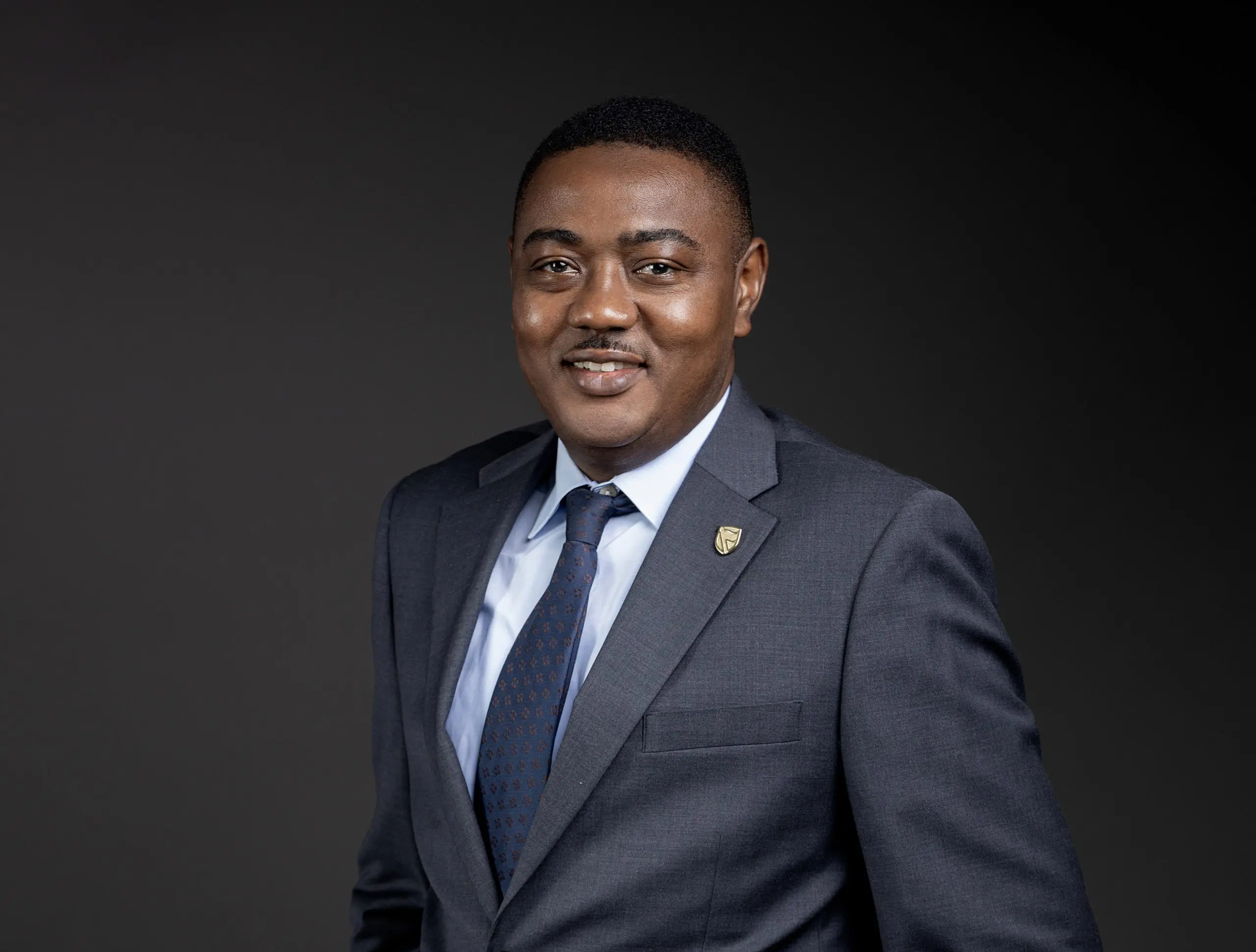
    Commenting on the Ghana award, Musah Abdallah, Head of Corporate and Investment Banking, Stanbic Bank Ghana, said:“Being recognised as Ghana’s Best Investment Bank is a testament to our unwavering commitment to delivering world-class advisory, financing and capital market solutions for our clients. At Stanbic Bank Ghana, we remain focused on partnering businesses, investors and the public sector to unlock growth opportunities, facilitate strategic investments and support Ghana’s long-term economic transformation. This award reflects the dedication of our teams and the trust our clients place in us to help them achieve their ambitions.”

    The recognition adds to a strong year for the Standard Bank Group. Brand Finance named Standard Bank Africa’s most valuable banking brand for the fifth consecutive year. Earlier this year, the Group secured top honours across six categories at the Euromoney Private Banking Awards 2026.

    As a member of Africa’s largest banking group by assets, Stanbic Bank Ghana continues to leverage its extensive continental footprint, deep sector expertise and international connectivity to support clients operating within Ghana and across Africa. Through its Corporate and Investment Banking business, the bank provides tailored solutions spanning advisory, debt and equity capital markets, transaction banking, trade finance and sustainable finance, helping clients navigate an increasingly complex business environment while driving growth and development.

  • Vivo Energy Ghana Reinforces Safety Leadership with 2026 Safety Day Celebration

    Vivo Energy Ghana Reinforces Safety Leadership with 2026 Safety Day Celebration

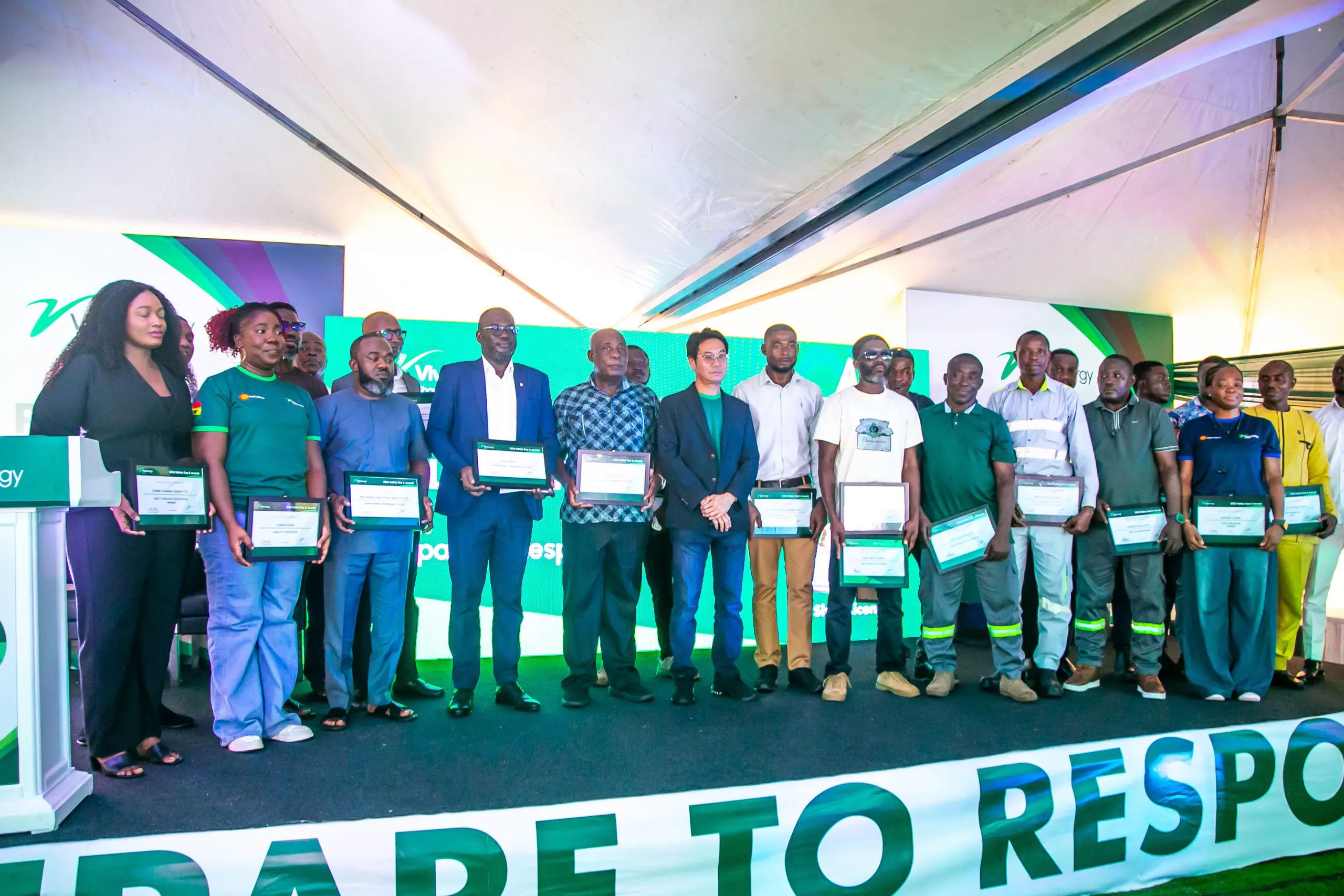
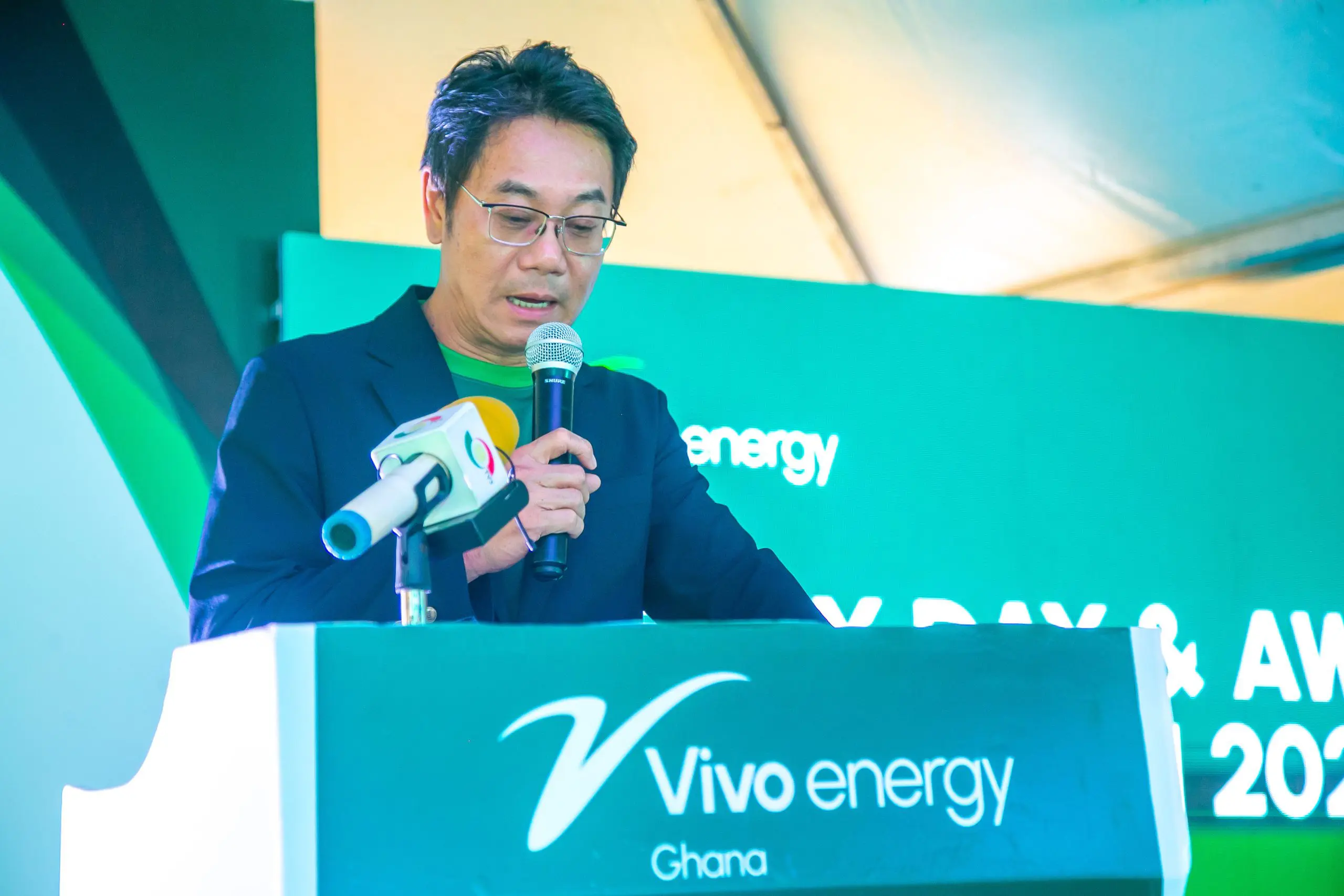
    Accra, 7TH August 2026– Vivo Energy Ghana PLC, the exclusive distributor and marketer of Shell-branded fuels and lubricants in Ghana, has commemorated its 2026 Safety Day and Awards under the theme, “Prepare to Respond,” at its Airport City Shell service station in Accra.

    The event brought together employees, regulators, industry leaders, business partners, members of the media and other key stakeholders to reinforce the company’s commitment to safety leadership, emergency preparedness, and operational excellence across its value chain.

    Across the global petroleum industry, safety remains a critical priority as operators continue to manage complex operational risks associated with the transportation, storage, and distribution of petroleum products. In Ghana, recent industry engagements led by the National Petroleum Authority (NPA) and the Chamber of Oil Marketing Companies (COMAC) have highlighted ongoing concerns around tanker accidents, fuel siphoning at accident scenes, and the need for stronger safety practices across the downstream petroleum sector. These developments have reinforced the importance of proactive risk management, continuous training, and industry-wide collaboration in safeguarding people and infrastructure.

    Safety Day serves as an annual opportunity for Vivo Energy Ghana to renew its focus on Health, Safety, Security, Environment, and Quality (HSSEQ), while strengthening the culture of vigilance, accountability, and preparedness that underpins its operations.

    This year’s theme, “Prepare to Respond,” highlighted the importance of ensuring that people, systems, and processes are equipped to respond swiftly, effectively, and responsibly in the event of an emergency. 

    Speaking at the event, Mr. Christian Li, Managing Director of Vivo Energy Ghana reaffirmed the company’s commitment to embedding safety in every aspect of its operations. He noted that Vivo Energy Ghana’s strong safety culture is guided by its core values of Safety, Excellence, Caring, Respect, and Integrity, and reflected in the company’s achievement of over 5,600 Goal Zero days with zero harm.

    “The future of safety will not be defined by luck, but by preparation. Safety does not happen by accident; it is deliberate, disciplined, and a collective responsibility,” Mr. Li stated.

    Delivering the keynote address, the Special Guest of Honour, Professor Nana Ama Browne Klutse, Chief Executive Officer of the Environmental Protection Agency (EPA), commended Vivo Energy Ghana for demonstrating leadership in safety and environmental stewardship. She emphasised that preparedness must extend beyond emergency response to include prevention, compliance, vigilance, and environmental protection, particularly within a sector whose operations have significant implications for ecosystems, water resources, public health, and surrounding communities.

    “Preparing to respond means preparing to prevent. Together, by fostering a culture of compliance, vigilance and safety, we can protect our people, preserve our environment, and secure a sustainable future for thegenerations to come,” she said.

    In a goodwill message, Mr. Gabriel Kumi, Board Chairman of COMAC, applauded Vivo Energy Ghana for its continued efforts to strengthen safety standards and promote responsible industry practices. He observed that effective safety management requires strong leadership, robust systems, continuous learning, and a shared commitment from all stakeholders.

    “Safety remains a shared responsibility, and our actions, decisions, inactions, and preparedness can make a meaningful difference when situations demand a response,” he noted.

    At the heart of the celebration was a thought-provoking panel discussion featuring representatives from the Ghana National Fire Service, COMAC, transporters, and retailers. The discussion explored how stakeholders across the downstream petroleum value chain can strengthen emergency preparedness, improve risk management, enhance communication, and foster a proactive safety culture. Panellists shared practical experiences and underscored the importance of continuous training, strict adherence to safety procedures, and collaborative action in preventing incidents and responding effectively when they occur.

    A key highlight of the event was the Safety Awards ceremony, which recognised outstanding employees, transporters, contractors and retailers who have demonstrated exemplary commitment to safety and operational discipline. The awards celebrated individuals and teams whose vigilance, leadership, and dedication continue to support Vivo Energy Ghana’s Goal Zero ambition and contribute to the company’s strong safety culture.

    Through the 2026 Safety Day and Awards celebration, Vivo Energy Ghana once again demonstrated that safety is not simply a one-day activity, but a continuous commitment embedded in every aspect of its operations. 

    With a vision to be Africa’s leading and most respected energy business, Vivo Energy Ghana remains committed to working closely with employees, regulators, partners, contractors, retailers, and transporters to strengthen safety standards, promote emergency preparedness, and ensure that everyone returns home safely at the end of each day.

  • MTN GHANA LAUNCHES SUSTAINABILITY MONTH, REINFORCING THREE DECADES OF SHARED VALUE CREATION

    MTN GHANA LAUNCHES SUSTAINABILITY MONTH, REINFORCING THREE DECADES OF SHARED VALUE CREATION

    Accra, August 07, 2026 – MTN Ghana has launched its 2026 Sustainability Month campaign as part of activities marking its 30th anniversary celebrations, reaffirming its commitment to creating shared value, driving responsible business practices and contributing to Ghana’s sustainable development.

    The month-long campaign, themed “Together for a Sustainable Future: Small Actions, Big Impact,” encourages employees, partners, customers and the public to adopt simple, consistent actions that collectively deliver positive environmental and social outcomes.

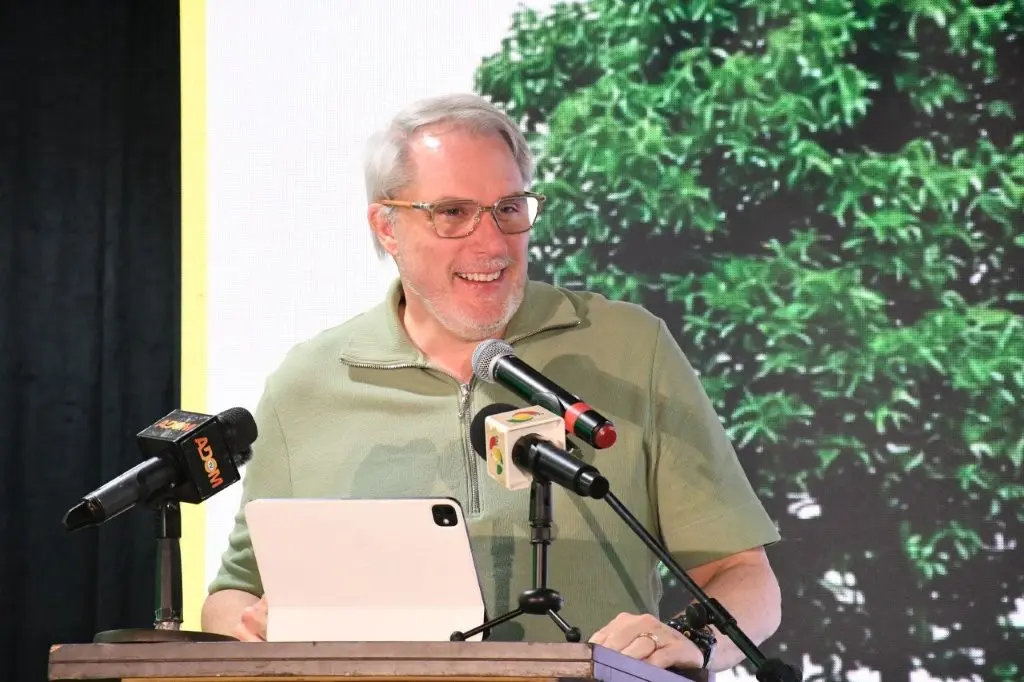
    Speaking at the launch, the Chief Executive Officer of MTN Ghana, Stephen Blewett, said the decision to expand the annual sustainability observance from one week to an entire month reflects the growing importance of sustainability in business and society.

    “Sustainability is not a department. It is a discipline. When we get it right, we build a business that is trusted, resilient and relevant for the future while making a stronger contribution to Ghana’s development,” he said.

    He noted that MTN Ghana’s sustainability strategy is anchored on creating shared value, emphasizing that the company’s success is closely linked to the growth and prosperity of Ghana.

    “MTN Ghana succeeds when Ghana succeeds. Responsible business growth must therefore create opportunities for people, strengthen communities, enable businesses, protect the environment and build public trust,” he added.

    As MTN Ghana marks 30 years of operations in Ghana, Mr. Blewett highlighted the company’s progress across its sustainability priorities, including the rollout of biodegradable SIM cards, investment in renewable energy solutions, carbon reduction initiatives, climate-smart agricultural projects, digital and financial inclusion programmes, and more than US$1 billion invested in network expansion over the past five years and efforts to empowering small businesses through capacity-building initiatives.

    According to him, these interventions demonstrate how consistent, purposeful actions can create lasting value for communities, businesses and the environment while contributing to national development.

    Mr. Blewett further shared  that sustainability is being embedded into everyday business decisions, including planning, product development, procurement, risk management and operational execution.

    Chairperson for the launch event, Sena Dake, Fellow and Immediate Past President of the Institute of Chartered Accountants, Ghana, challenged participants to translate sustainability ambitions into practical, everyday actions.

    According to her, meaningful change requires collective commitment and consistent effort from individuals and organisations alike.

    “A sustainable future will not be built by a few extraordinary people doing extraordinary things. It will be built by ordinary people choosing to do the right things consistently every day,” she said.

    The Chief Corporate Services and Sustainability Officer of MTN Ghana, Adwoa Afriyie Wiafe, described Sustainability Month as an opportunity for everyone to contribute to the country’s sustainability journey.

    “This campaign is an invitation for all of us to recognise the value of our individual actions and trust that, together, they can create meaningful impact for Ghana,” she said.

    She encouraged participants to remain consistent in their actions, noting that sustainable change is achieved through deliberate and sustained effort.

    “You do not need to carry the whole future in your hands. Just bring your one twig today and another tomorrow. Through consistent effort, we can collectively build the sustainable future we want to see,” she added.

    Throughout August, MTN Ghana will implement a series of activities aimed at deepening awareness of sustainability, promoting responsible business practices and inspiring stakeholders to make sustainability a shared responsibility through everyday actions.

    The campaign forms part of MTN Ghana’s 30th anniversary celebrations and reflects the company’s enduring commitment to enabling progress, creating opportunities and supporting Ghana’s long-term social, economic and environmental wellbeing.

  • Digitise or Be Left Behind -Dr. Sam Ankrah Tells African Microfinance Institutions

    Digitise or Be Left Behind -Dr. Sam Ankrah Tells African Microfinance Institutions

    CEO and Principal Partner of Africa Investment Group in Ghana and Switzerland Dr. Sam Ankrah, has challenged African microfinance institutions to embrace digital transformation or risk becoming obsolete in an increasingly technology-driven financial sector.

    Delivering the keynote address at the International Microfinance Investors’ Summit 2026 in Accra, Dr. Ankrah said technology has become the defining force shaping the future of financial inclusion across the continent and urged microfinance institutions to modernise their operations to remain competitive.

    The two-day summit, organised by the Financial Inclusion Advocacy Centre (FIAC) and its partners, brought together regulators, policymakers, investors, development partners, financial institutions, fintech innovators and industry leaders from across Africa under the theme, “Repositioning Microfinance for Investment, Growth and Stability.”

    According to Dr. Ankrah, Africa is no longer following global trends in digital finance but is leading them.

    He noted that the continent processed approximately US$1.1 trillion in mobile money transactions in 2024, accounting for nearly two-thirds of all mobile money value globally and about three-quarters of the world’s transactions.

    He said the rapid growth of digital finance has created new opportunities for microfinance institutions to reduce operating costs, expand financial inclusion and improve access to credit for millions of previously unbanked Africans.

    Dr. Ankrah urged institutions to move beyond traditional branch-based operations and embrace digital platforms that integrate lending, payments and savings into customers’ everyday economic activities.

    “Legacy microfinance is expensive. Branches everywhere create overhead, overhead creates high interest rates, and those rates fall on the entrepreneurs we exist to serve. The future is a hybrid model—human trust, powered by digital speed,” he said.

    Despite the opportunities, he cautioned that technology is not a substitute for sound corporate governance.

    “Technology does not fix governance. Technology accelerates whatever is already in the building. A badly governed institution that digitises simply makes bad loans faster and at greater scale,” he warned.

    Dr. Ankrah pointed to countries such as Rwanda and Ethiopia as examples of how digital innovation is transforming microfinance institutions into stronger and more efficient financial organisations capable of serving millions of customers.

    He also highlighted the steady rise in financial inclusion across Sub-Saharan Africa, noting that account ownership has increased significantly over the past decade, driven largely by mobile money and digital financial services.

    However, he cautioned that institutions that fail to embrace digital transformation risk losing customers to fintech companies and mobile money operators.

    “Digitise, or be disintermediated,” he said.

    Dr. Ankrah concluded by urging African microfinance institutions to combine technological innovation with strong governance, institutional competence and effective regulation to build resilient businesses capable of attracting long-term investment and driving inclusive economic growth.