
Sankofaonline News Commentary : December 23, 2025
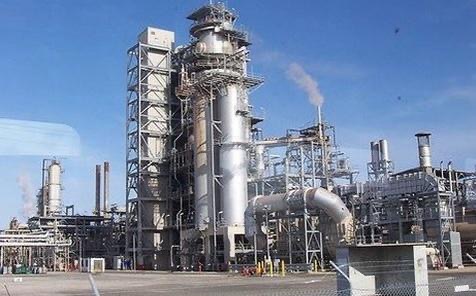
For the first time in more than six long years, smoke is rising again from the stacks of the Tema Oil Refinery. After a painful era of silence, decay, and national embarrassment, Ghana’s premier refinery has roared back to life , processing roughly 28,000 barrels of crude per stream day and signaling a long‑awaited revival of our energy sector.
This is good news. It is also a sobering reminder of how easily a nation can abandon its own treasures.
TOR’s return follows extensive rehabilitation works, disciplined management, and a renewed sense of purpose under Managing Director Edmond Kombat, Esq. His team has tackled internal inefficiencies, restored staff morale through long‑delayed promotions, tightened cash management, and expanded loading hours , reforms already yielding increased revenue and renewed confidence.
Hundreds of technicians were engaged during the maintenance phase, many now absorbed into a permanent workforce supporting nearly 1,000 families. A new furnace is expected to push output toward 45,000–55,000 barrels per stream day. TOR is not just back; it is proving that with competent stewardship, Ghana’s state assets can thrive.
But as we celebrate this milestone, we must confront the uncomfortable truth beneath it.
How did we allow a national asset of this magnitude to rot for six years?
Successive leaders , especially the Akufo‑Addo and Bawumia administration and its economic managers , presided over a period in which TOR was left fallow, underutilized, and drifting toward irrelevance. The refinery’s collapse was not an overnight event; it was a slow, visible decline that unfolded in broad daylight.
And yet, as a nation, we watched.
We debated. We complained. But we did not rise.
Where was the civic urgency?
Where was the collective insistence that TOR , a symbol of Ghana’s industrial ambition , must not be allowed to die?
We have seen this pattern before:
- The National Cathedral controversy.
- Abandoned hospitals and stalled infrastructure.
- Costly governance missteps that citizens only react to after the damage is done.
Democracy is not a spectator sport. It demands vigilance. It demands that citizens speak, organize, question, and insist ,respectfully but firmly ,when national assets are mismanaged or neglected.
TOR’s revival should not only inspire pride; it should awaken responsibility.
If we had raised our voices earlier, demanded accountability sooner, and insisted on transparency consistently, perhaps the refinery would not have gone silent for six years. Perhaps Ghana would have saved millions in losses. Perhaps hundreds of workers would not have endured years of uncertainty.
The lesson is clear:
A nation that fails to defend its institutions will eventually lose them.
Today, TOR stands as both a victory and a warning. Its rebirth shows what is possible when leadership is disciplined and citizens are attentive. But its years of abandonment remind us of the cost of silence.
As Ghana looks ahead ,toward energy independence, industrial growth, and economic stability , we must adopt a new civic posture: one that refuses to sleep while national assets crumble.
TOR is back.
The question is: Are we, the citizens, finally awake?