
Sankofaonline News Desk
Toronto Pearson International Airport is now the epicenter of a criminal operation so brazen, so structurally enabled, that innocent travelers are being turned into drug mules without ever touching a gram of narcotics. This is not a one‑off scandal. This is a systemic failure, one that exposes a dangerous truth: Canada’s busiest airport cannot guarantee that the name on your luggage tag is actually yours.
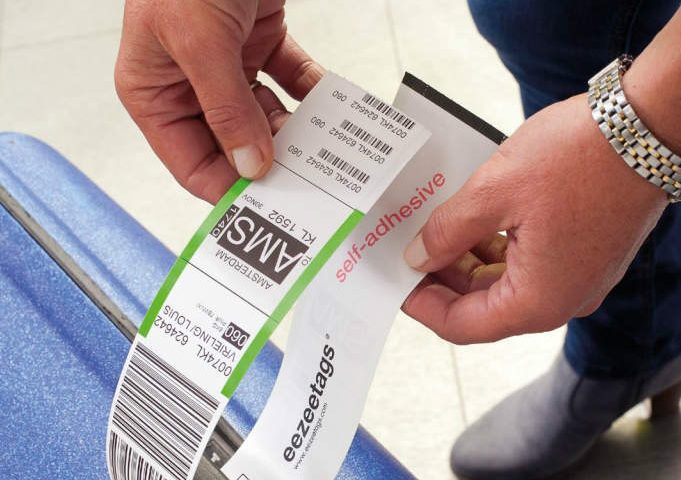
An investigation has confirmed at least 17 innocent passengers were victimized in the past year alone. Seventeen people whose only mistake was trusting that a secure airport is, in fact, secure. In all but one case, the crime happened inside Pearson’s own restricted zones, areas supposedly protected by layers of security, surveillance, and federal oversight. Yet organized crime groups, aided by insiders, are operating with the speed and precision of a pit crew. Five seconds. That is all it takes for a criminal to switch or duplicate a bag tag and legally attach a suitcase full of narcotics to an unsuspecting traveler.
The result is a conveyor belt of human collateral damage. When the smugglers fail to retrieve the drug‑stuffed bag at the destination, the innocent traveler becomes the face of the crime. Armed border agents descend. Interrogations begin. Lives are upended.
Consider Nicole, a Canadian traveler headed to Auckland. Minutes before takeoff, CBSA agents stormed the aircraft. A bag bearing her name tested positive for methamphetamine. Officers cut it open and found 20.52 kilograms, forty‑five pounds, of drugs she had never seen. She was detained for seven hours, treated as a trafficker, her reputation and freedom hanging by a thread. Only after exhaustive questioning did the RCMP confirm she was the victim of a tag‑switching syndicate. Nicole’s story is not an anomaly. It is a warning.
What makes this scandal unforgivable is not only the criminal ingenuity, it is the institutional complacency. This scheme thrives because it exploits the very infrastructure meant to protect travelers. Secure zones are being breached from within. Oversight is failing. And while authorities issue statements and promise reviews, ordinary passengers remain exposed to catastrophic consequences: wrongful arrest, foreign detention, and prosecution for crimes carrying decades‑long sentences.
Canada cannot continue to pretend this is an isolated problem. It is a national security breach hiding in plain sight. Every traveler departing Pearson is a potential target. Every suitcase is a liability. Every bag tag is a point of vulnerability.
Until the system is rebuilt, not patched, not studied, but rebuilt, travelers must protect themselves. Security officials now advise creating a digital photo trail:
- Photograph your luggage before leaving home
- Photograph it again at the terminal
- Document the check‑in process, tags, and contents
- Email the evidence to yourself
This is where we are: passengers must build their own defense files before boarding a plane in Canada.
Toronto Pearson owes the public more than apologies. It owes accountability. It owes transparency. And it owes every traveler a guarantee that stepping into an airport will not turn them into the next headline.