
By Daniel Nii Okine
For years, Ghanaians have rightly directed their outrage toward the destruction of our countryside. We have watched in horror as illegal mining,galamsey,turns our iconic rivers into toxic sludge and poisons the forest belts that sustain us. But while our collective eyes are fixed on the devastated countryside, a far more intimate and immediate threat has quietly invaded our homes, sitting right in front of us at the dinner table. We are being poisoned from the inside out.
A viral video recently circulating on social media features a courageous head of market women blowing the whistle on an open secret: toxic chemicals are being imported into Ghana and deliberately applied to pepper, plantains, and other everyday foodstuffs to force rapid ripening. It is a terrifying revelation, but hardly an isolated one.
Responding to the video on X, Franklin Cudjoe of IMANI Africa captured the gravity of the crisis with stark urgency:
“A must watch video and share as well. While most of our rivers and forests are under siege from illegal miners poisoning our flora and fauna, we are at the mercy of murderous and greedy traders adding more poisonous chemicals to hasten the ripening of fruits and vegetables.”
Cudjoe’s choice of words, murderous and greedy, is not hyperbole; it is a precise diagnosis. When a trader douses fresh produce in industrial-grade ripening agents or hazardous chemicals meant for non-food applications just to beat market timing and boost profit margins, that is not business acumen. It is chemical assault. It is a slow, profit-driven poisoning of an entire nation.
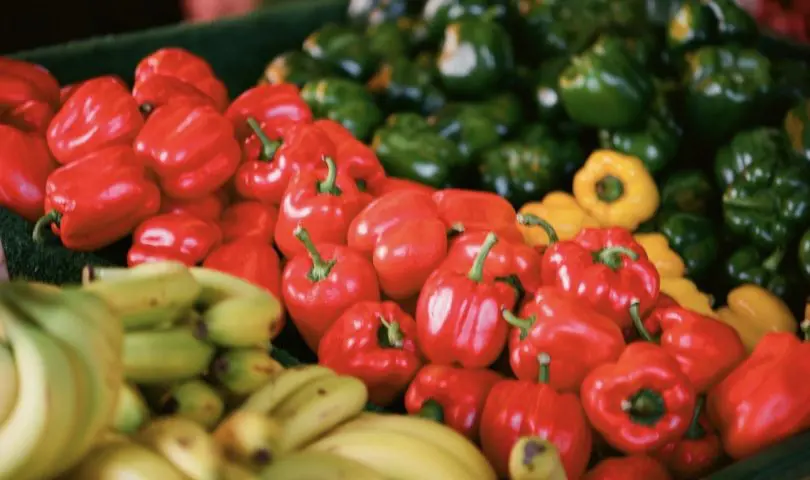
Consider the tragic irony of the modern Ghanaian consumer. We buy bright red peppers and golden-yellow plantains believing we are feeding our families nutrition, health, and life. Instead, we are serving them doses of unvetted, unregulated toxins. The long-term health implications, ranging from acute gastrointestinal distress to chronic organ failure and rising cancer rates, are a catastrophe unfolding in slow motion across our hospitals.
The question that demands an answer is simple: How do these substances cross our borders, hit our wholesale markets, and enter our food chain without alarming those paid to protect us?
This is where the Food and Drugs Authority (FDA) and the Ghana Standards Authority (GSA) must step out of their air-conditioned offices and take decisive control. Education alone is no longer enough, though it is a vital starting point. As Cudjoe noted, regulators must immediately adopt these grassroots exposure videos to launch aggressive public education campaigns. Every market trader needs to know the extreme danger of these practices, and every consumer must be empowered to spot artificially ripened produce.
However, awareness without enforcement is just noise. The FDA and GSA, working alongside border security and customs authorities, must trace these chemical supply chains to their roots. We must halt the importation and sale of unauthorized ripening chemicals at our ports and open markets. The rogue traders involved must face public exposure, hefty fines, and real jail time to send a unambiguous signal that sacrificing public health for quick profit will not be tolerated.
We cannot save our rivers from galamsey only to lose our lives to the market square. Our flora and fauna are under attack, but so is our body politic. It is time for state regulators to treat food adulteration not as a minor market infraction, but as the national security emergency it truly is.
If we lose control of what enters our water and what touches our food, we lose the right to call ourselves a secure nation. The whistle has been blown. The evidence is on our screens and in our markets. The FDA and GSA must act now before the silent poison on our plates claims more lives.