By Samuel Agbemafoh -Agotime , VR.
The Agotime Traditional Area is preparing to unveil one of Ghana’s most profound cultural legacies as the Kete Festival returns from August 7th to 15th , 2026. More than a celebration, the festival is a declaration of origin, a reaffirmation that the cloth the world reveres as Kente was conceived, perfected, and safeguarded by the people of Agotime. In an era when cultural ownership is increasingly contested, the festival stands as a scholarly, historical, and artistic reminder that Kete is not merely woven, it is authored.
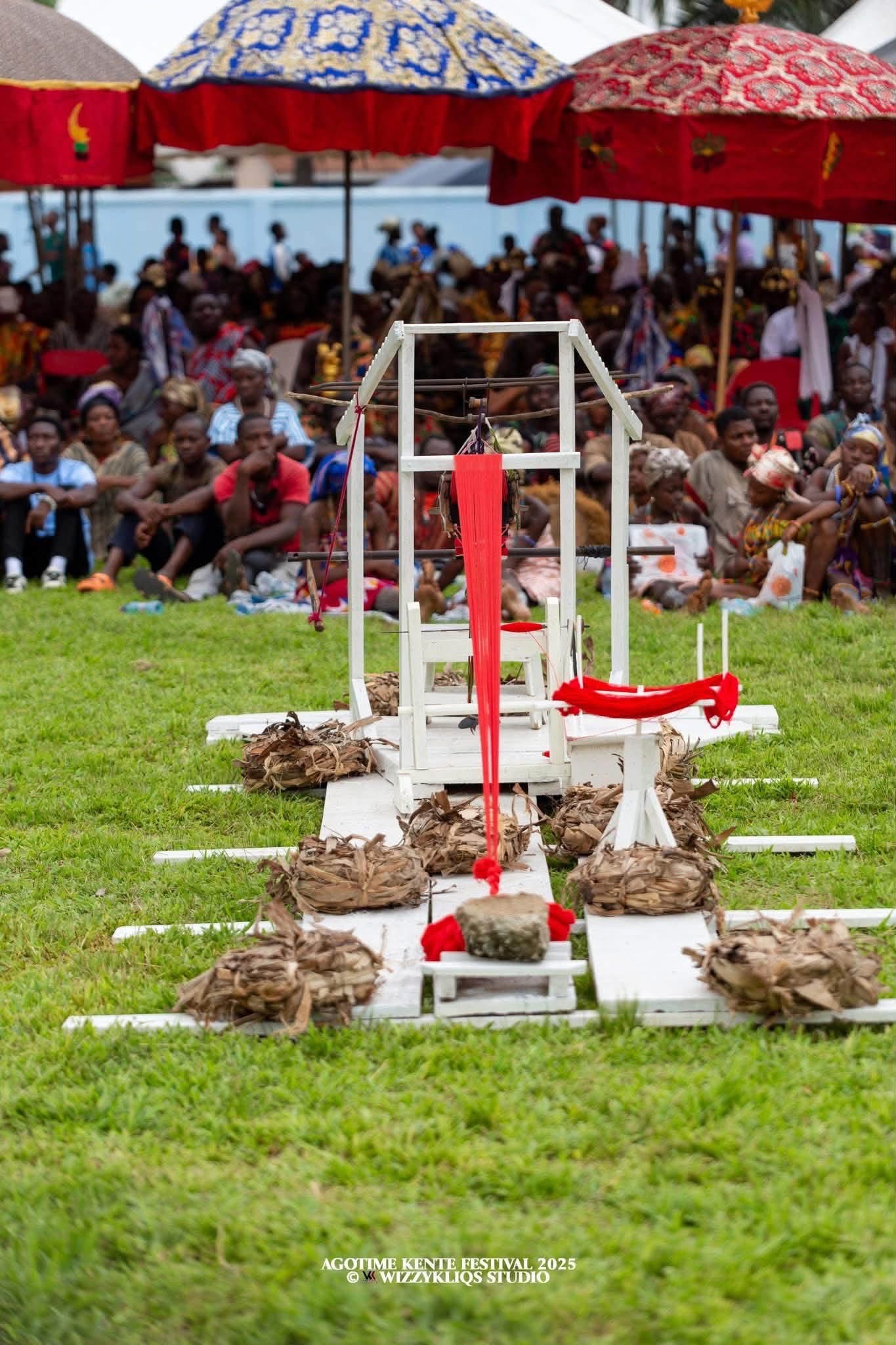
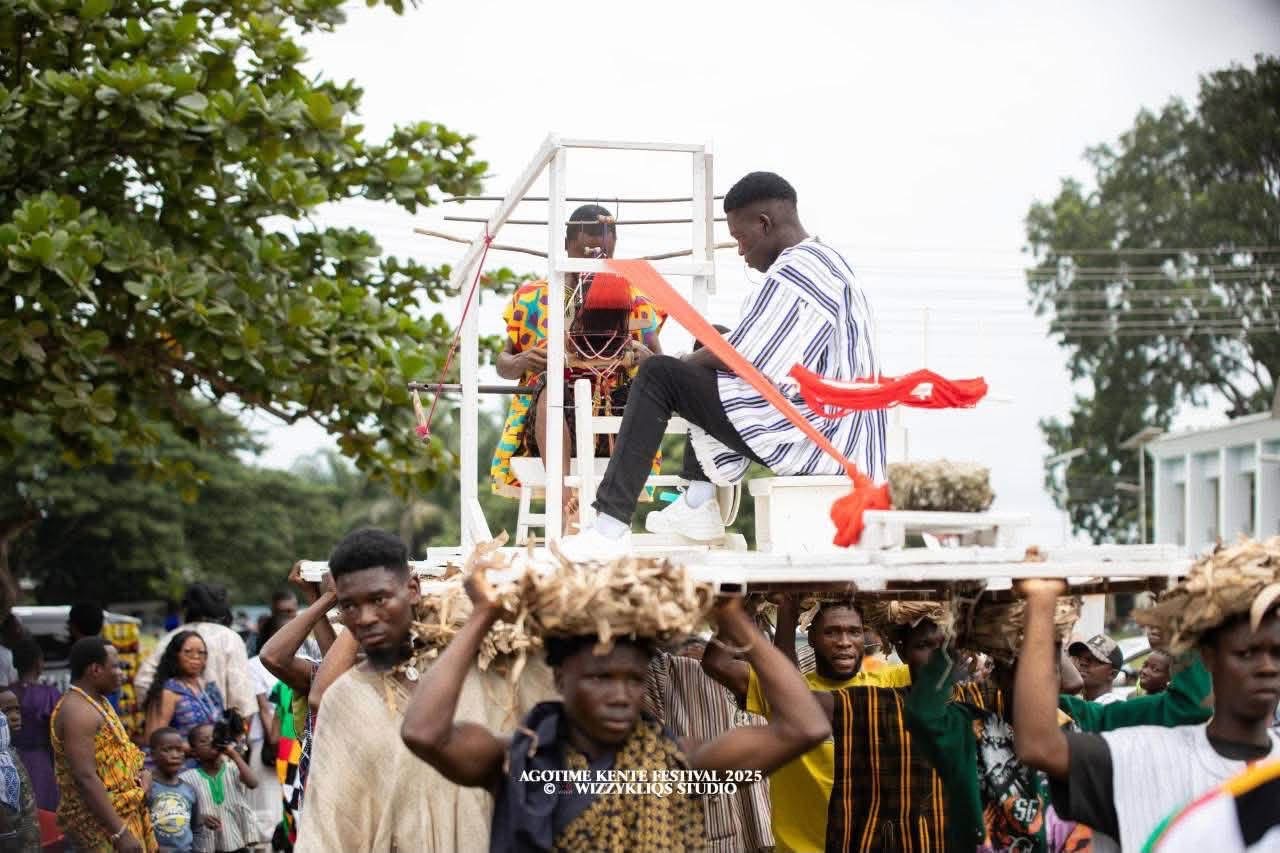
For centuries, Agotime weavers have been the custodians of a textile tradition that predates modern Ghana. Their looms have produced cloths that served as diplomatic gifts, royal regalia, spiritual symbols, and historical records. Researchers tracing the genealogy of Ghanaian textiles consistently return to Agotime, where oral histories, weaving patterns, and ritual practices converge to form an unbroken cultural archive. The festival’s resurgence has attracted anthropologists, textile historians, and cultural economists who now document the unique structural engineering of Kete strips, the mathematical precision of its patterns, and the philosophical meanings embedded in its colors.
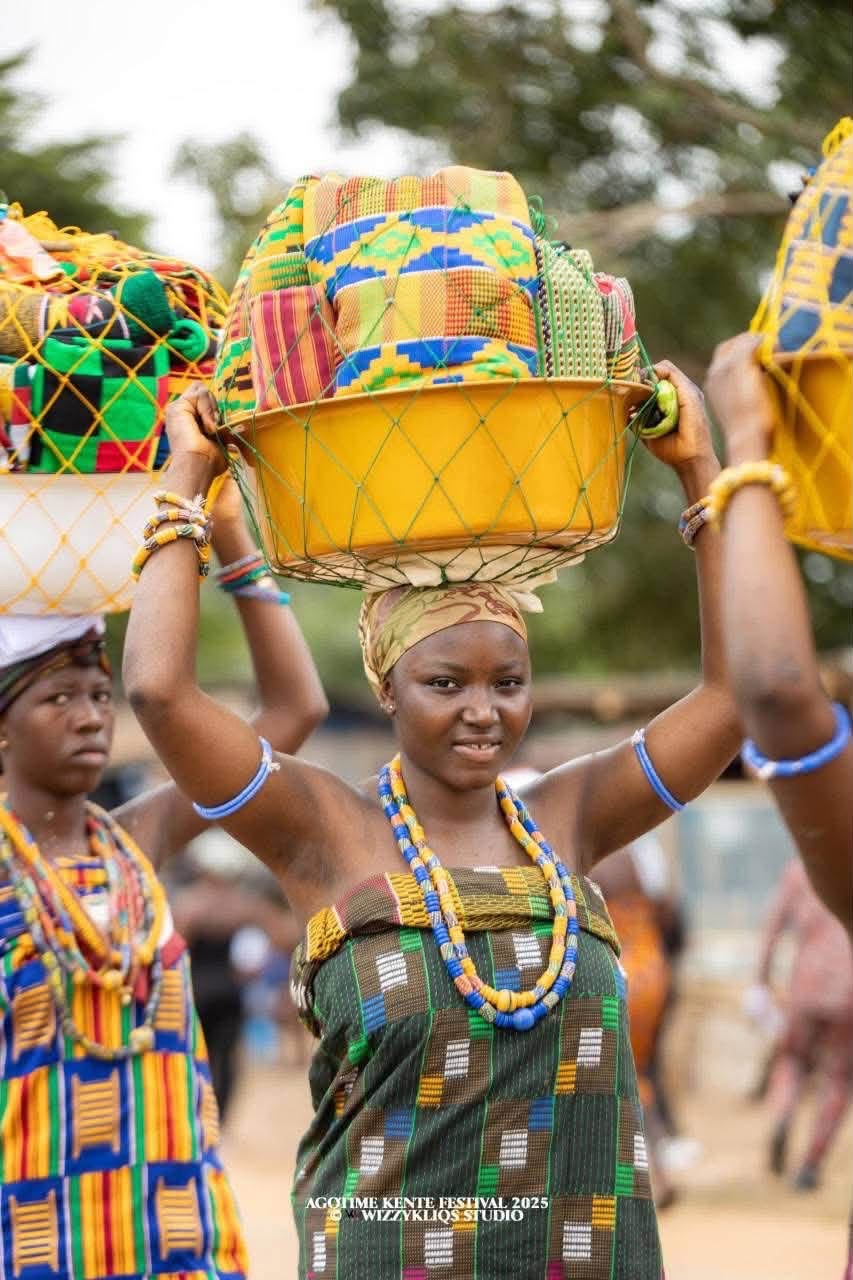
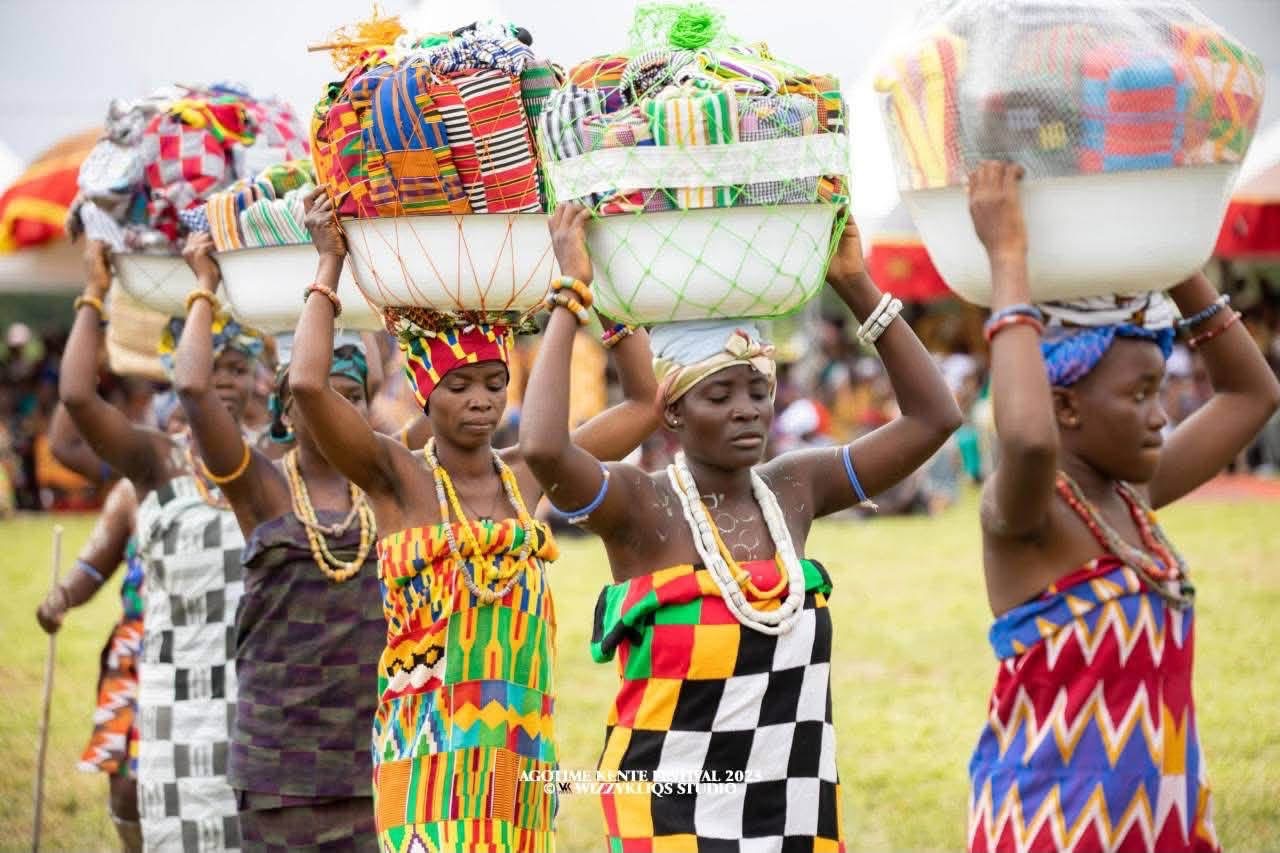
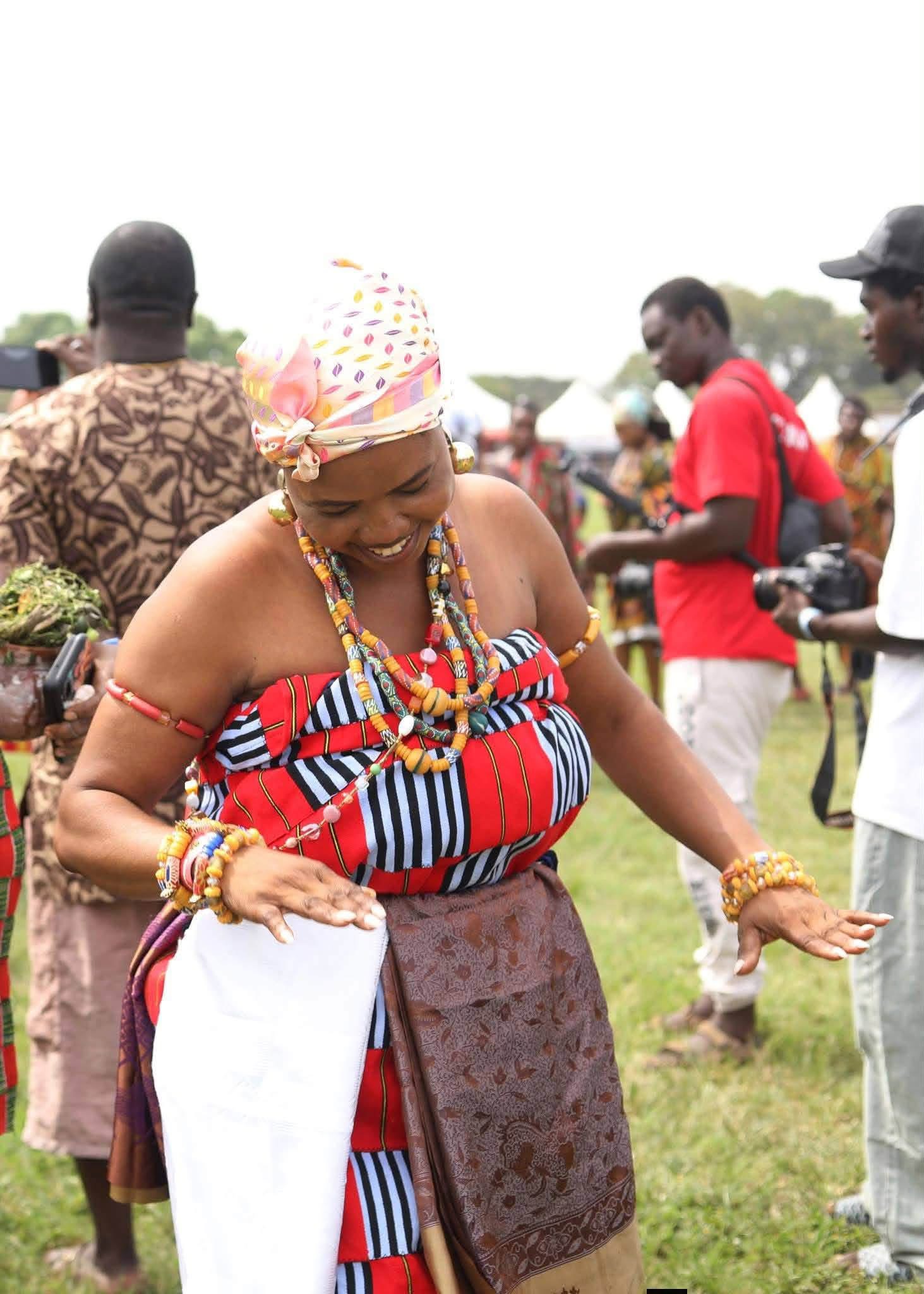
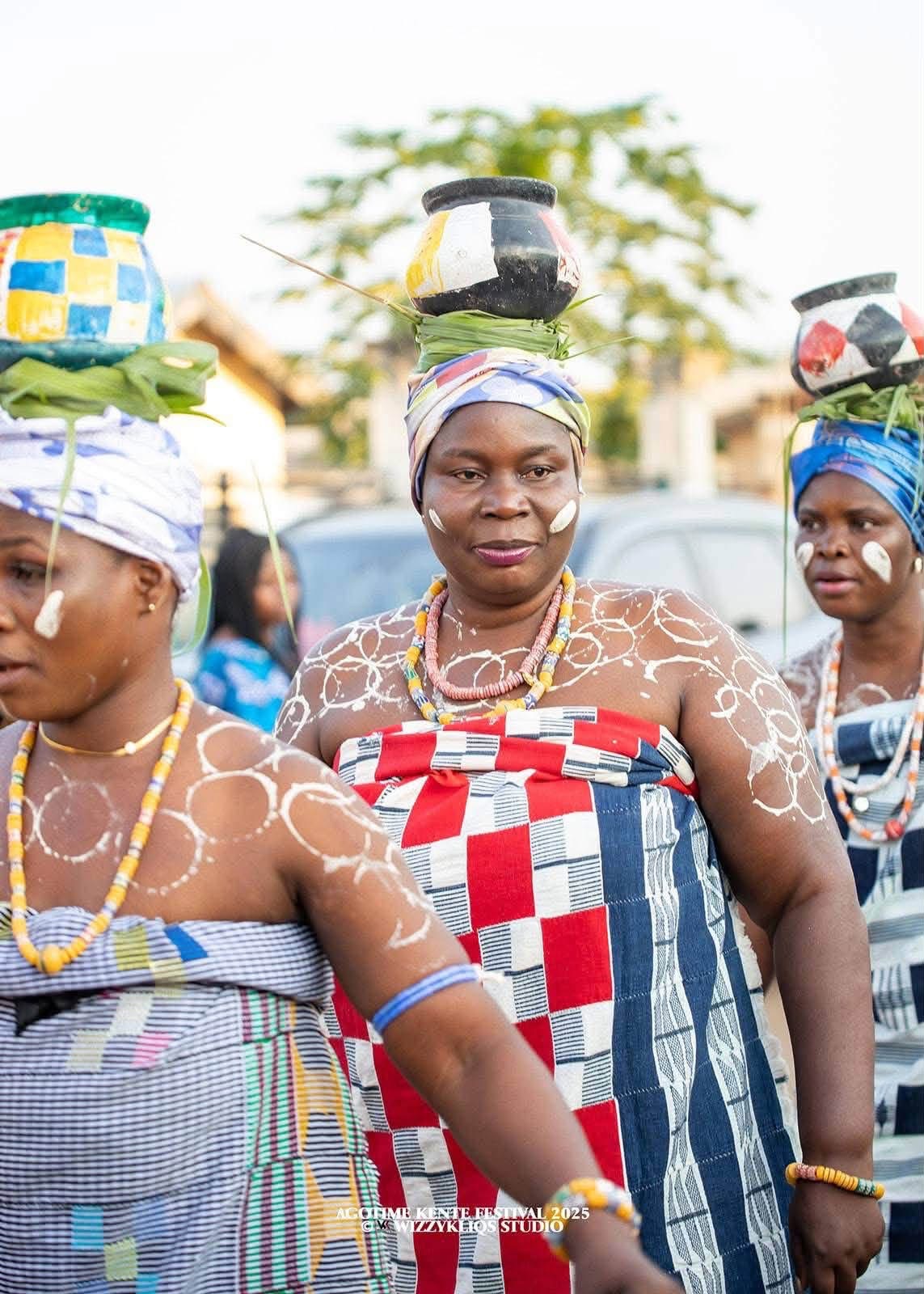
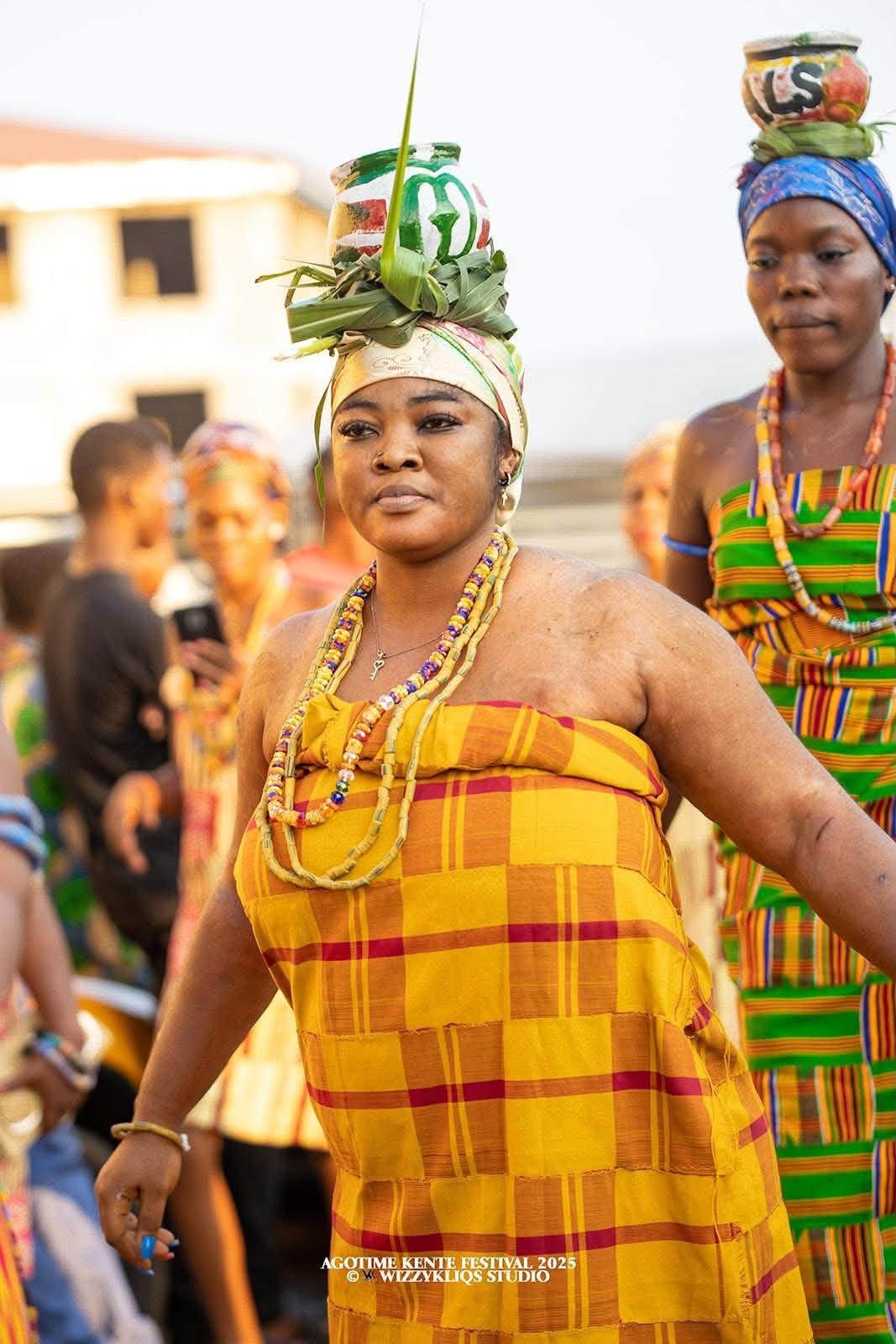
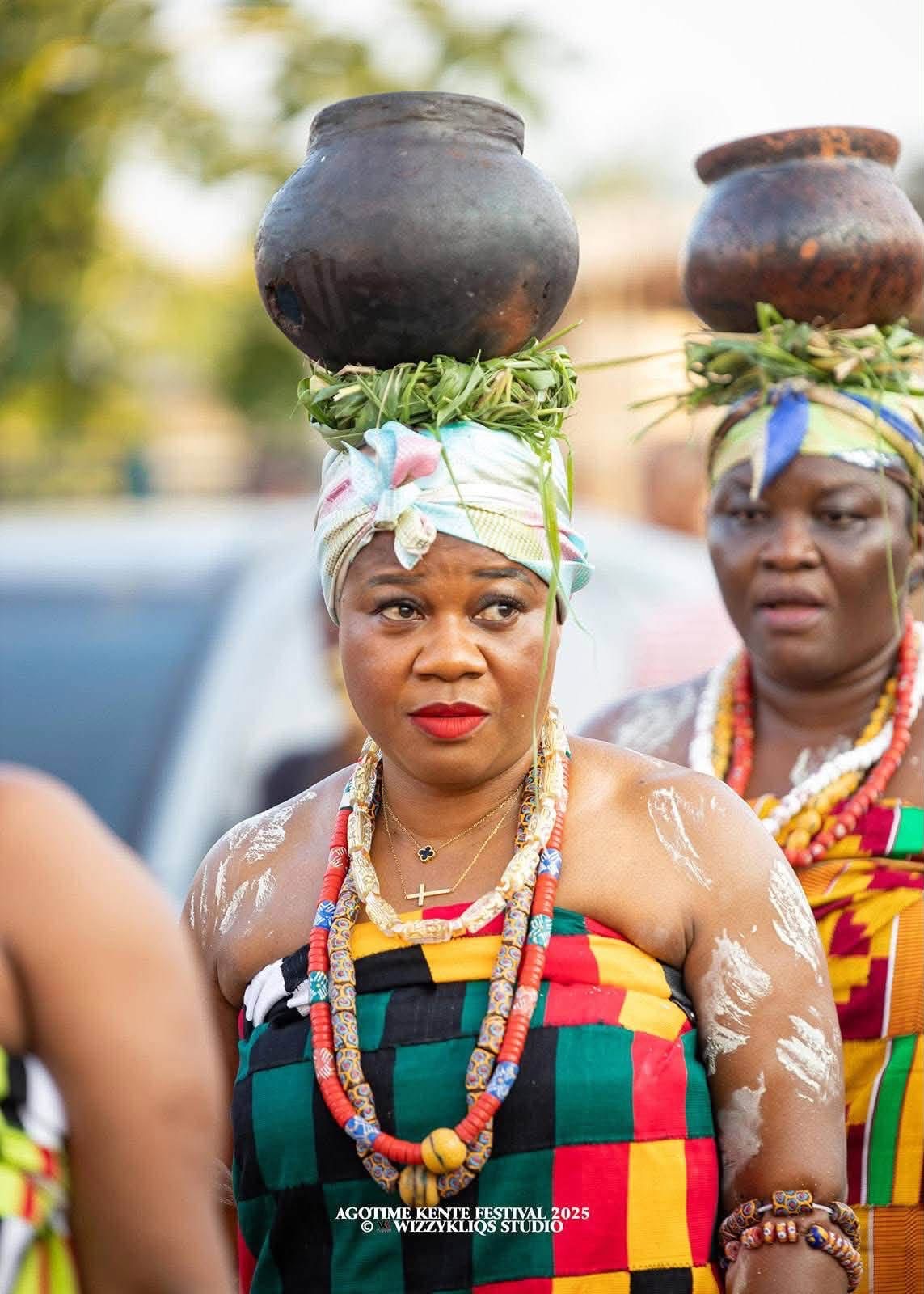
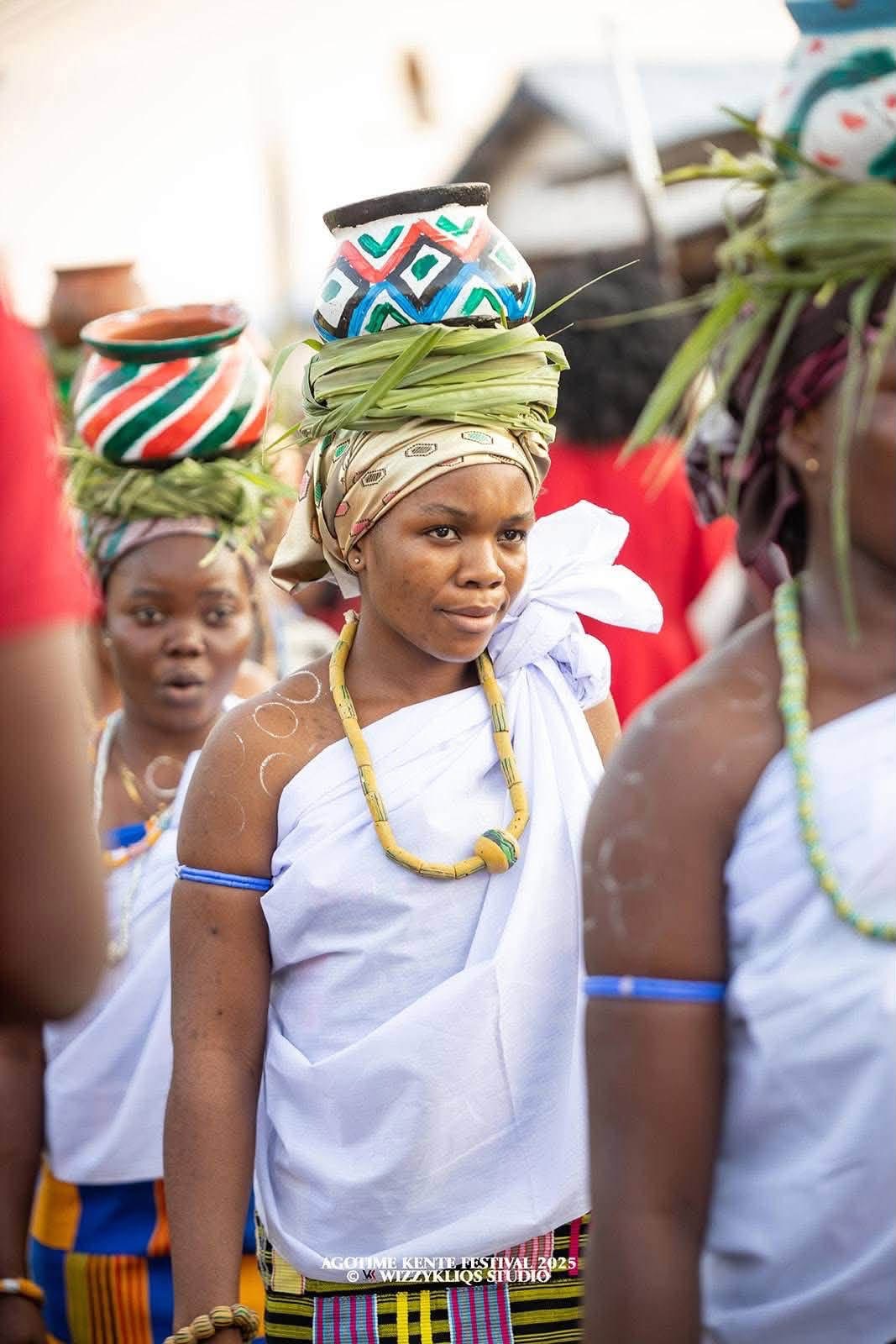
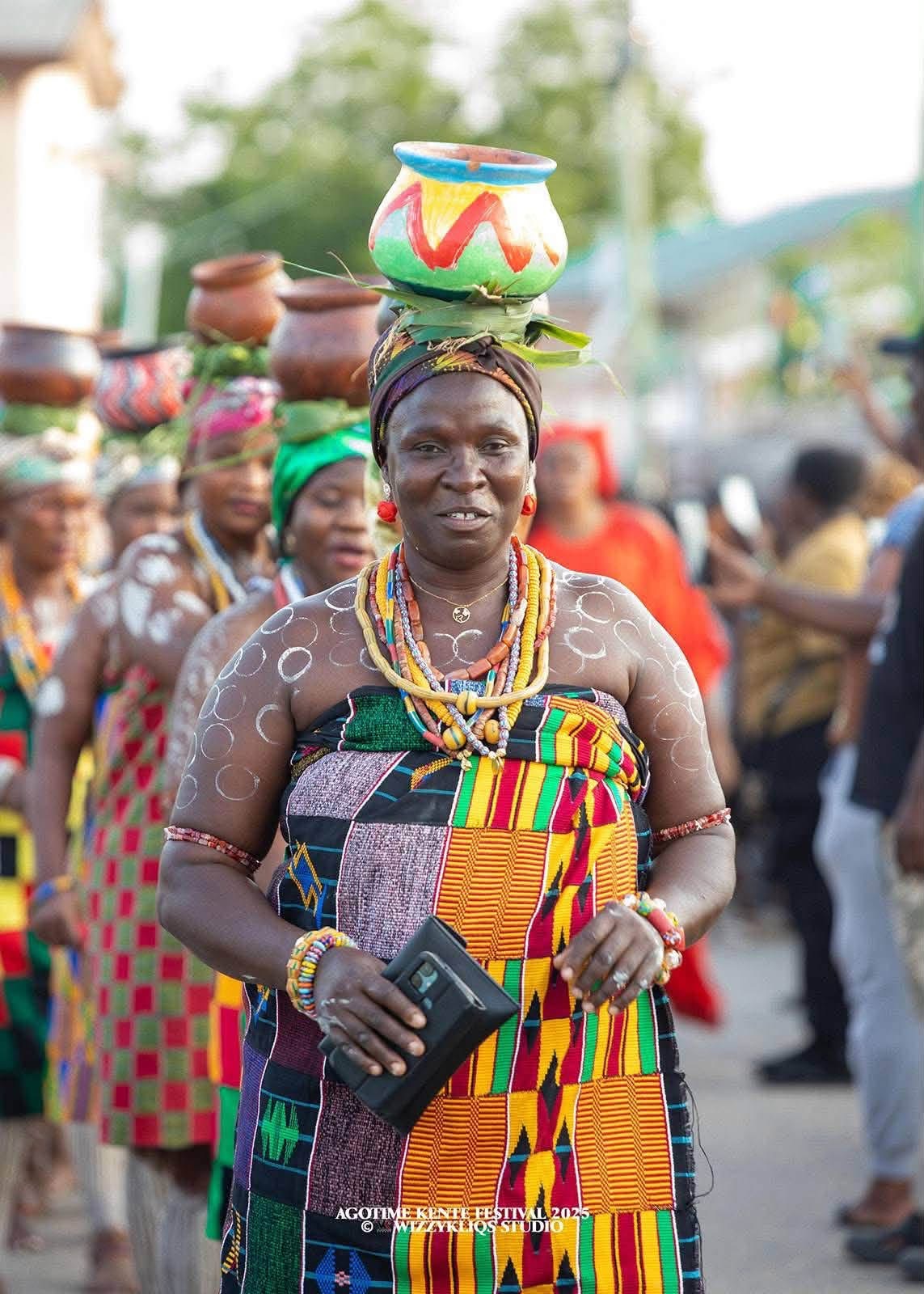
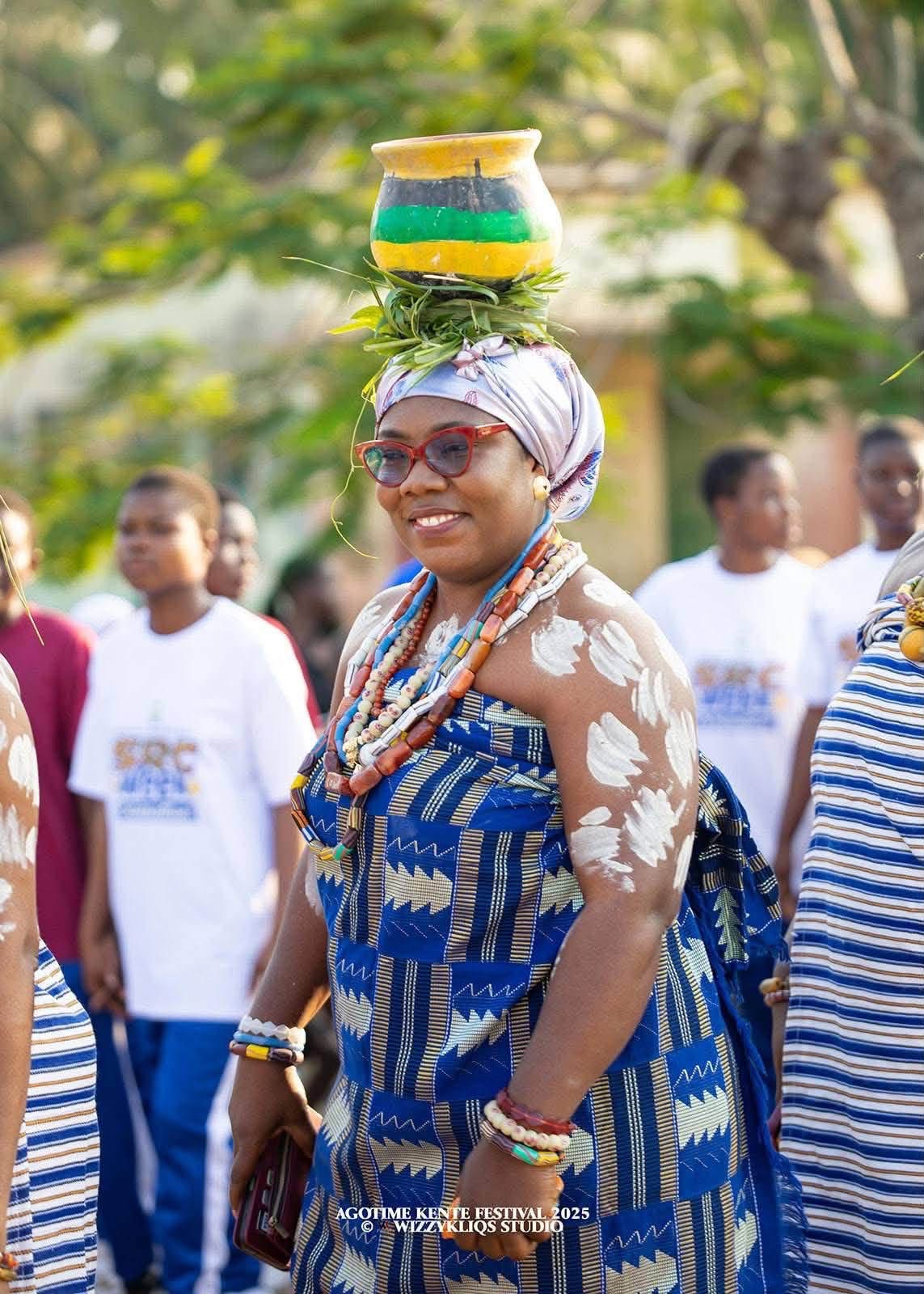
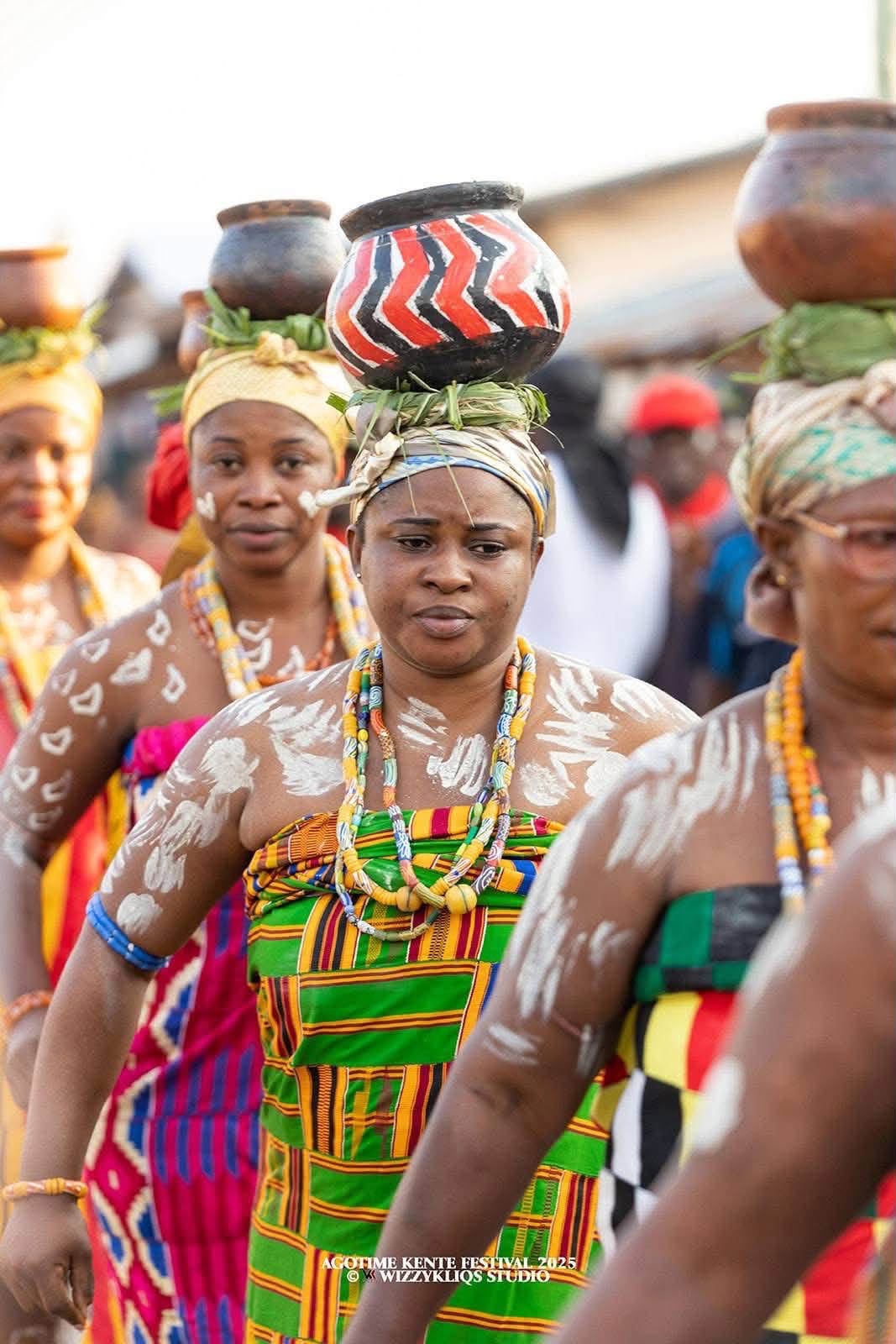
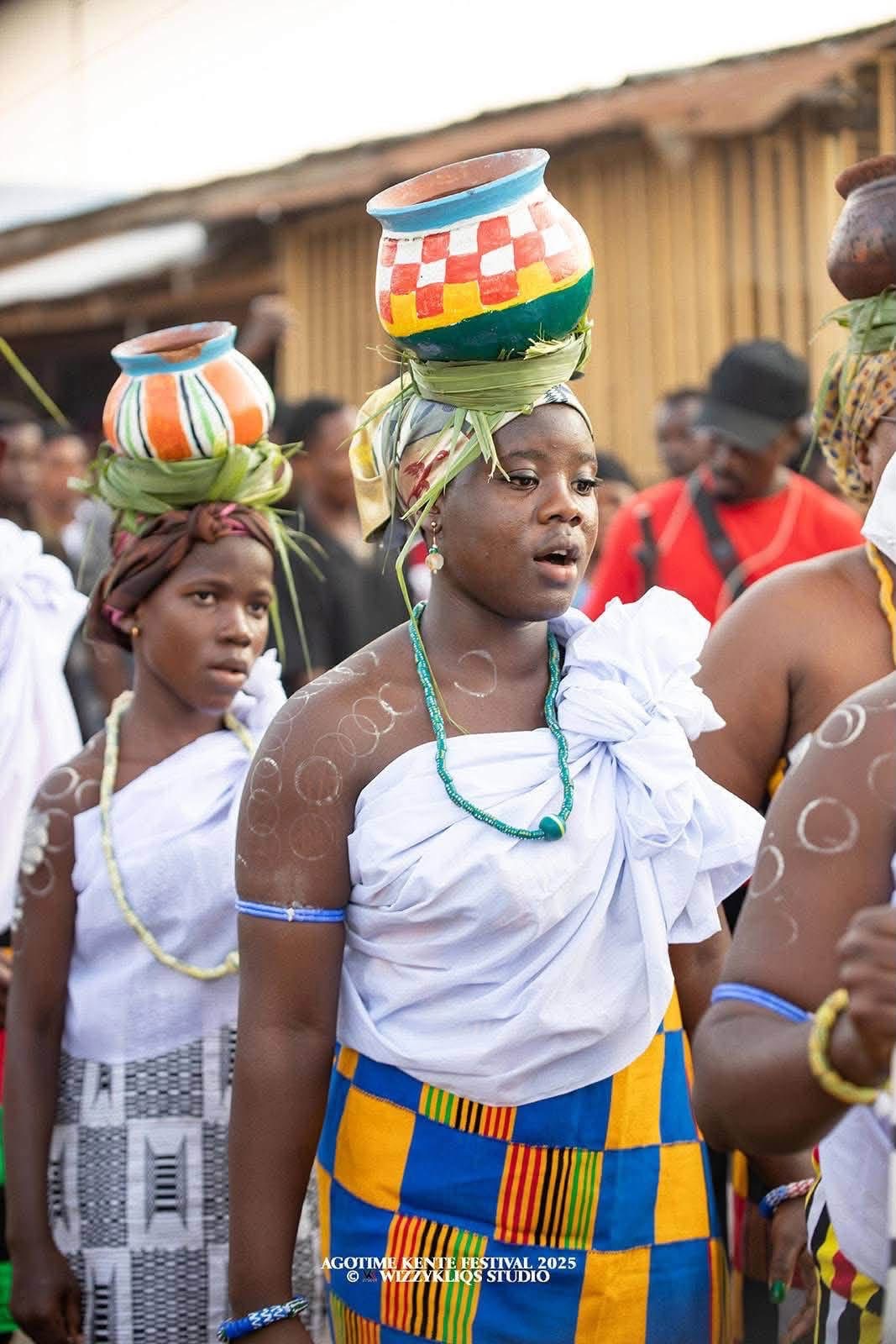
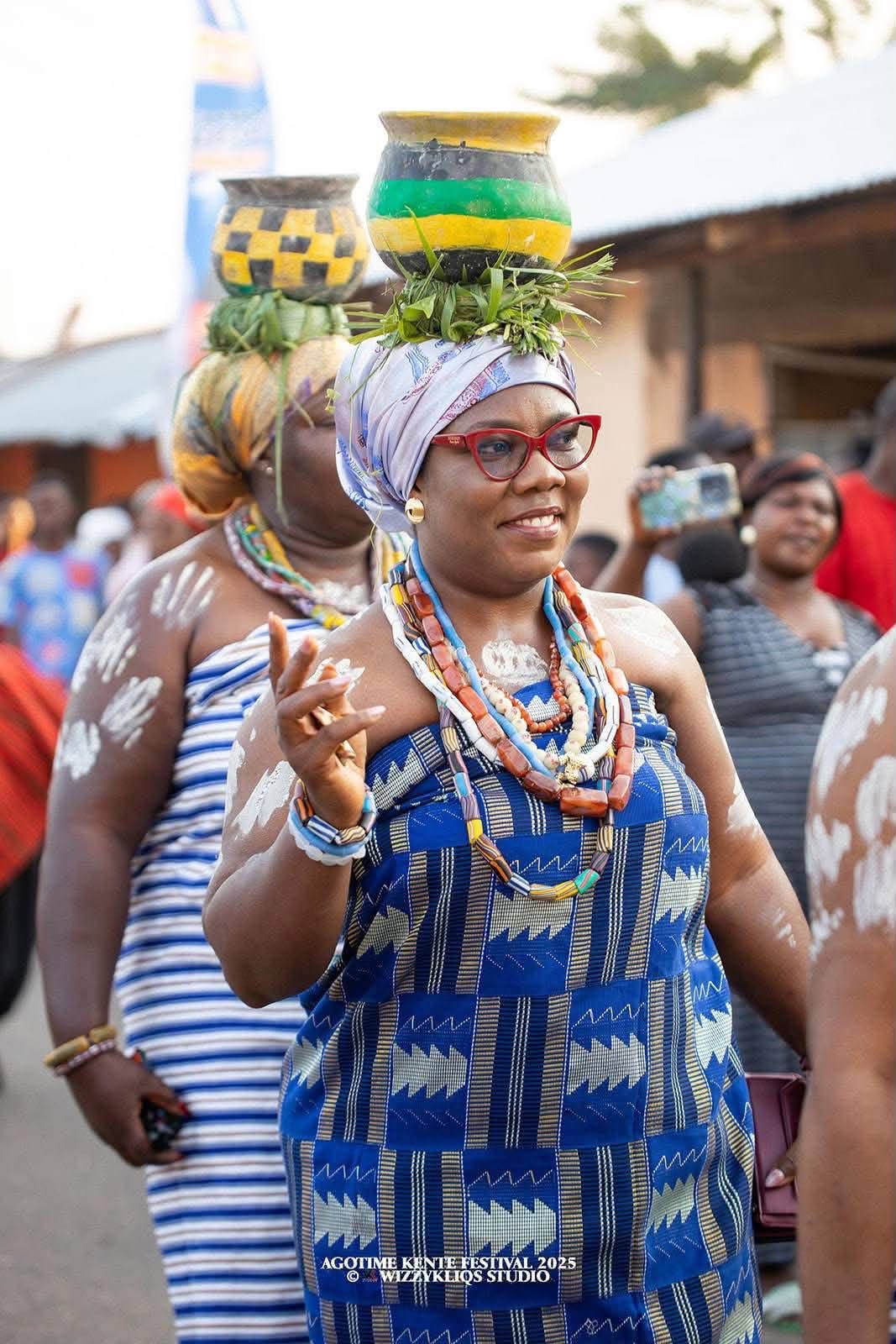
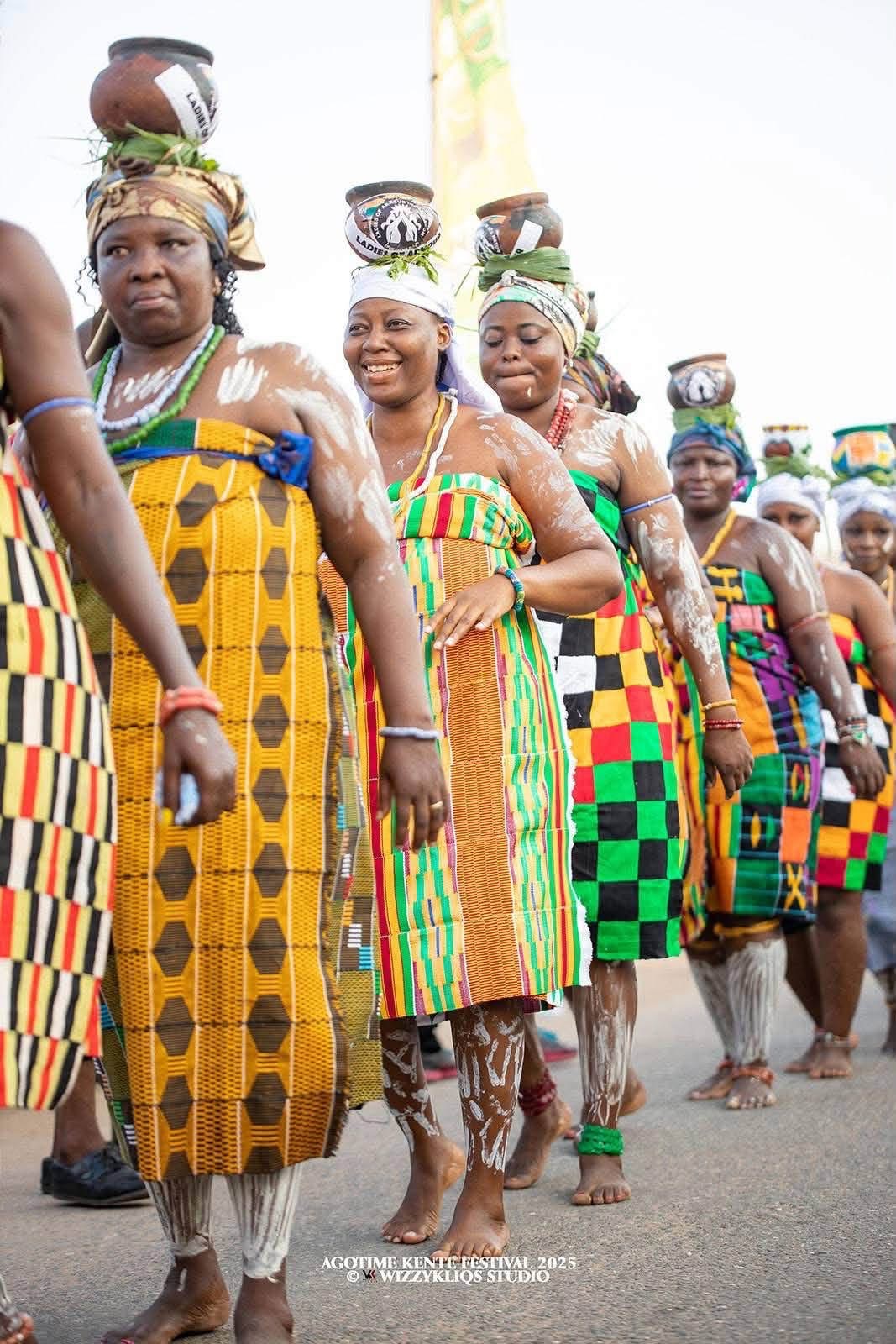
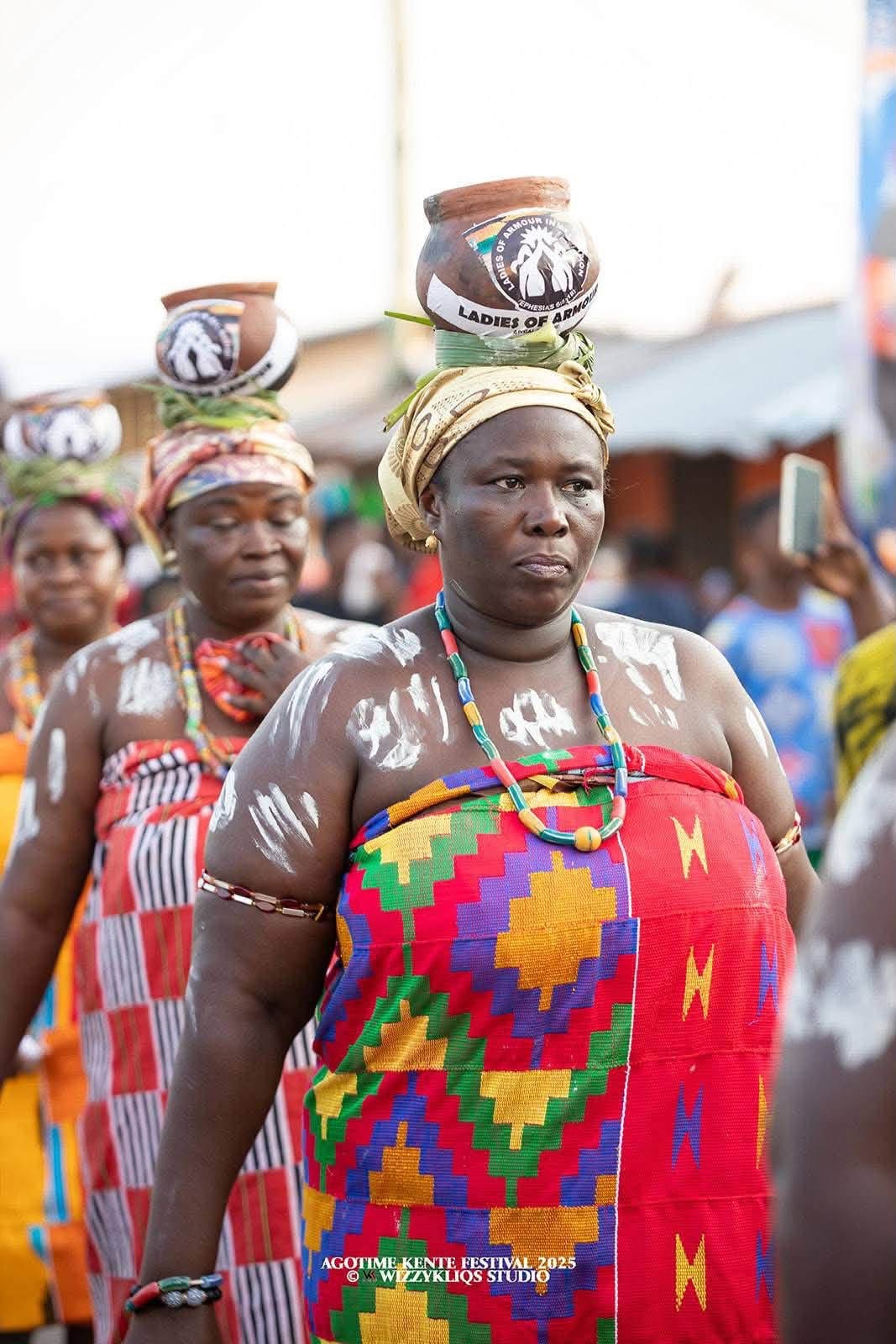
The festival’s most revered ritual, “Asialetɔme”, translated as “The hand is in the river”, remains the emotional centerpiece of the celebration. Women and maidens, adorned in luminous Kete cloths, move in a stately procession carrying water pots drawn from sacred river sites. The ritual is a living testament to Agotime womanhood, celebrating grace, discipline, hospitality, and the continuity of tradition. It is also a symbolic reminder that culture survives only when carried forward with intention, dignity, and communal pride.
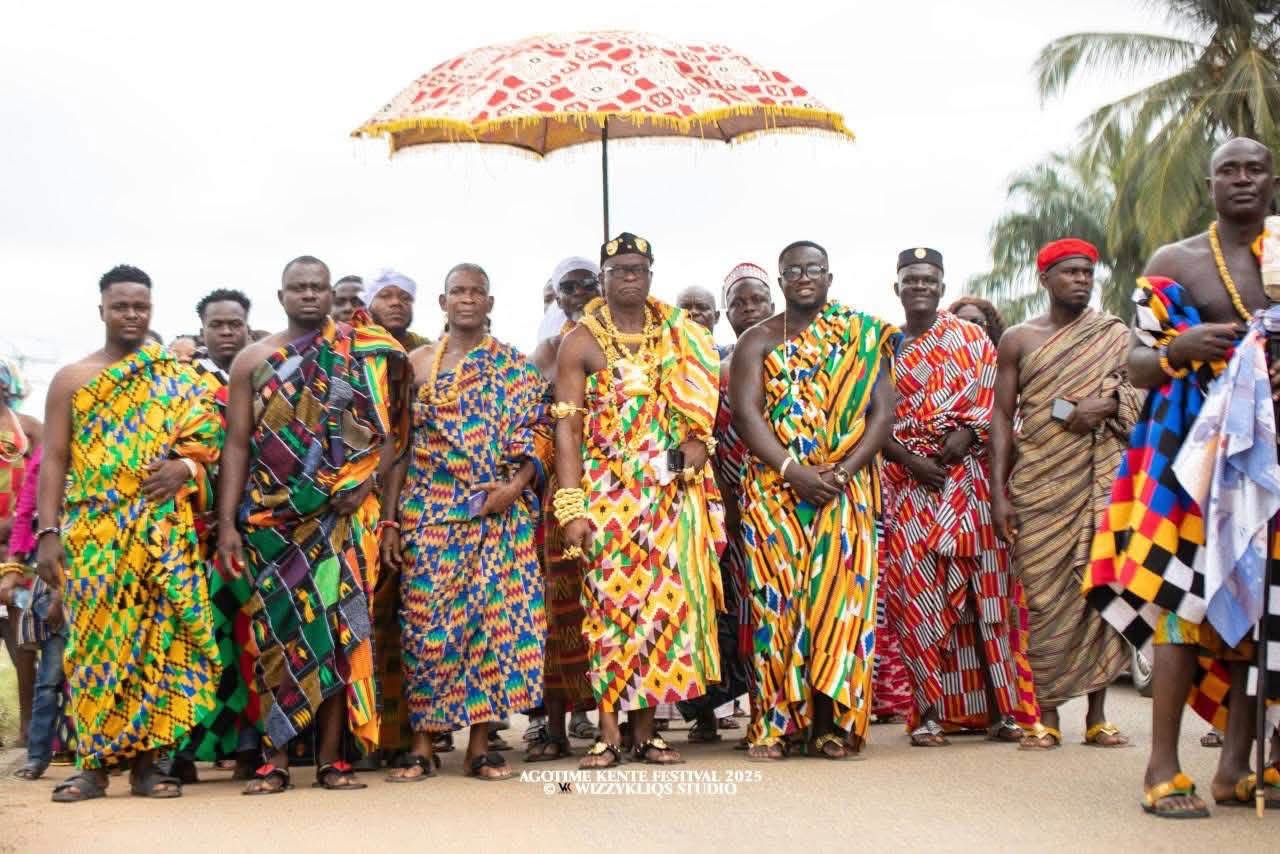
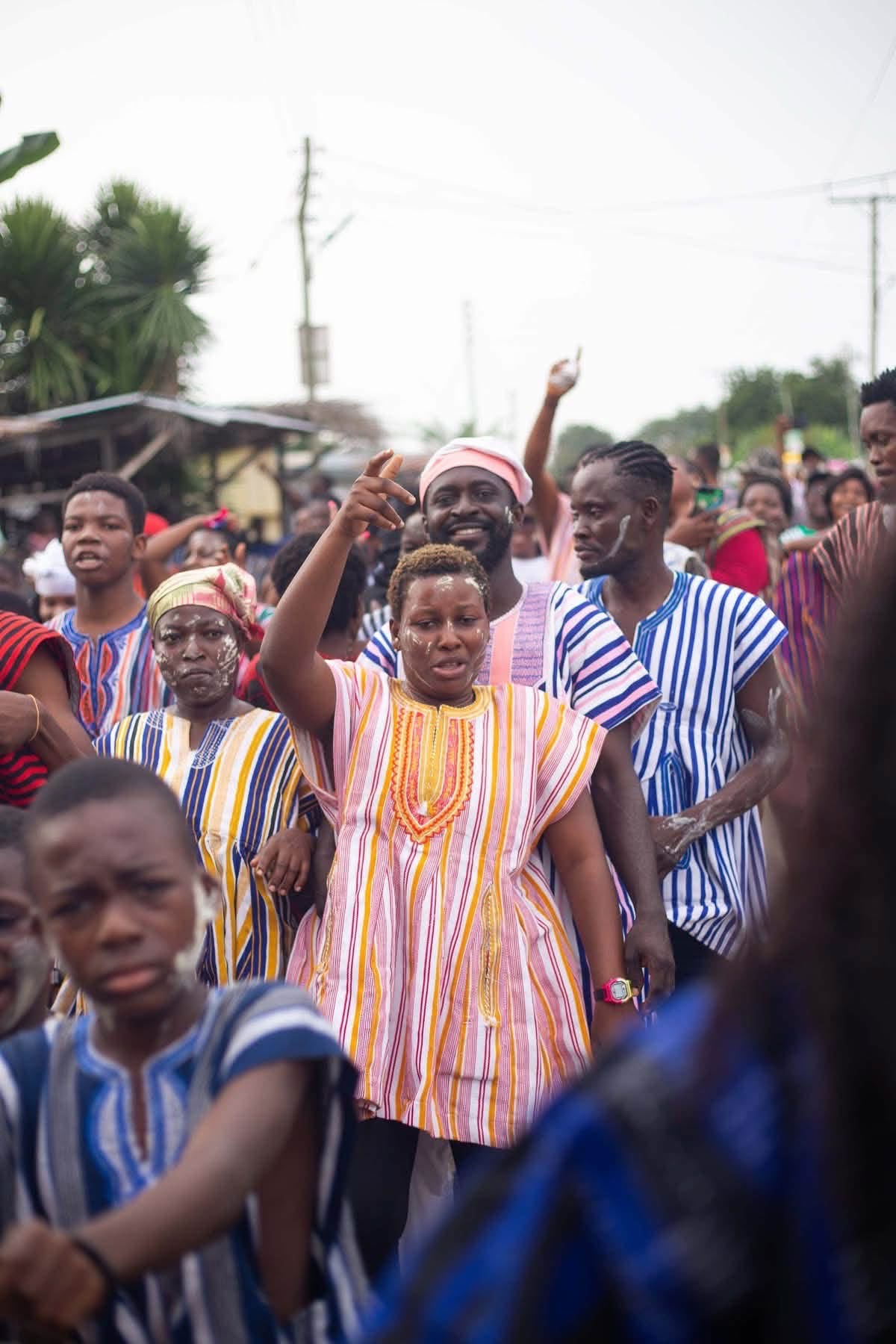
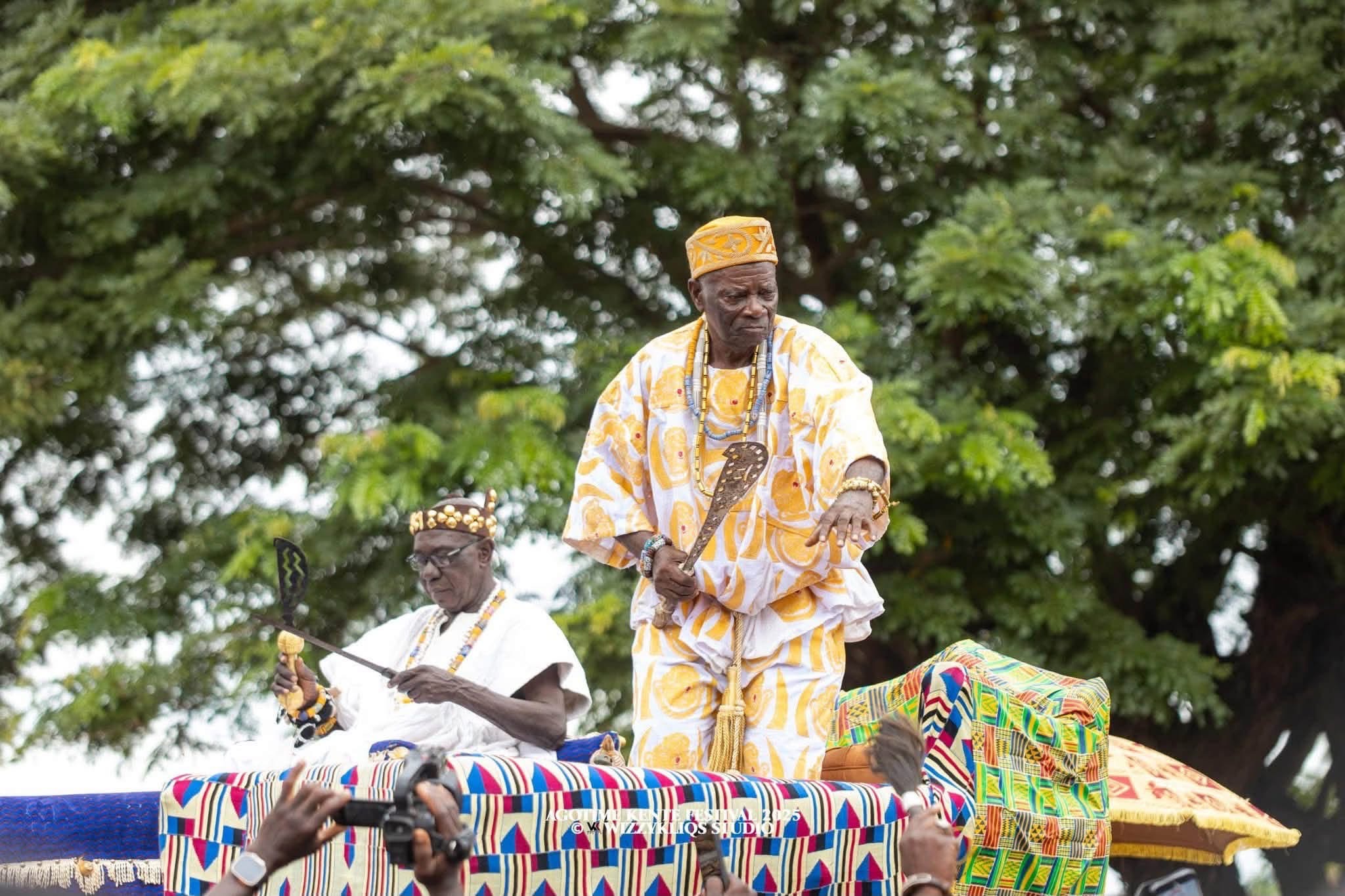
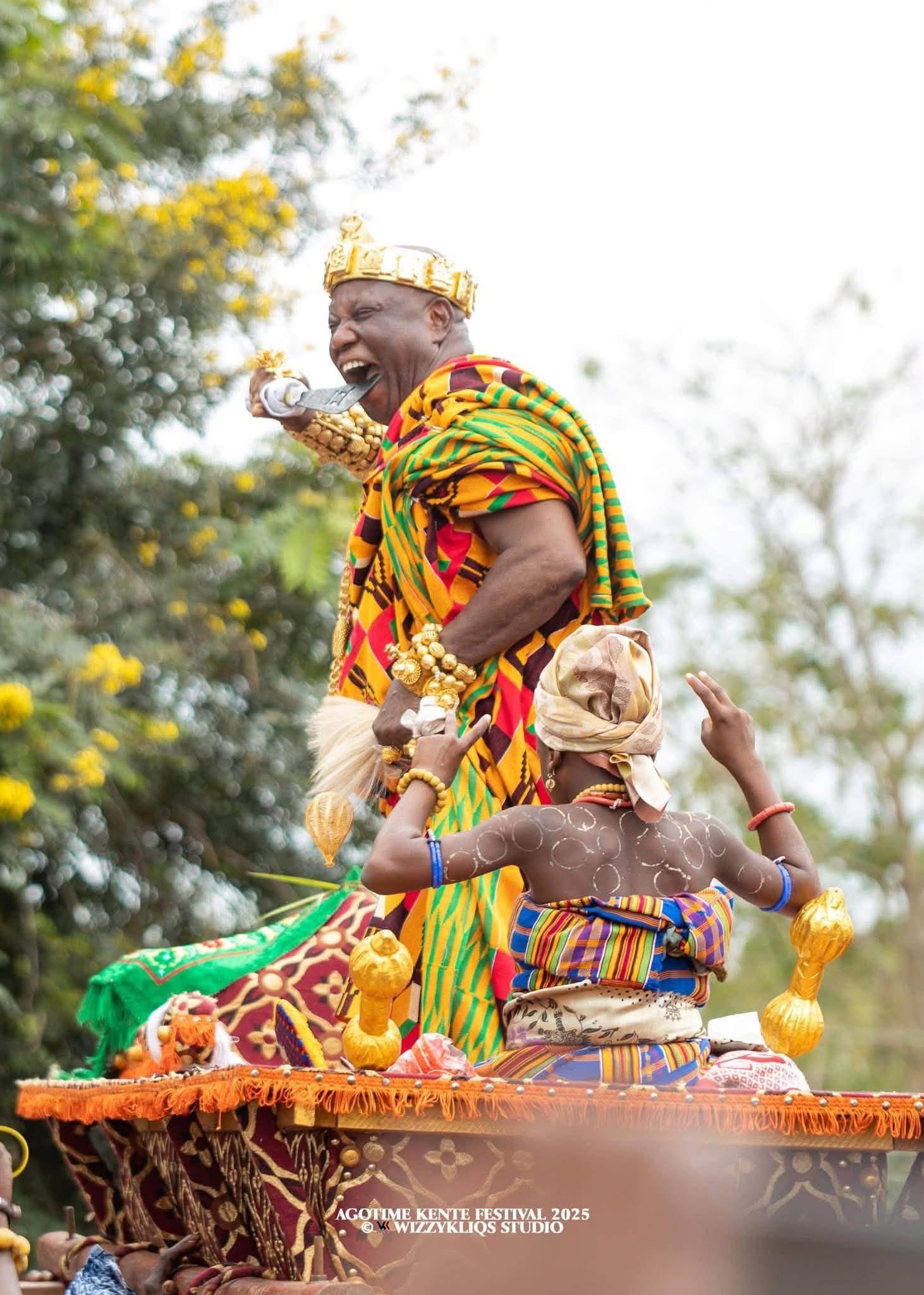
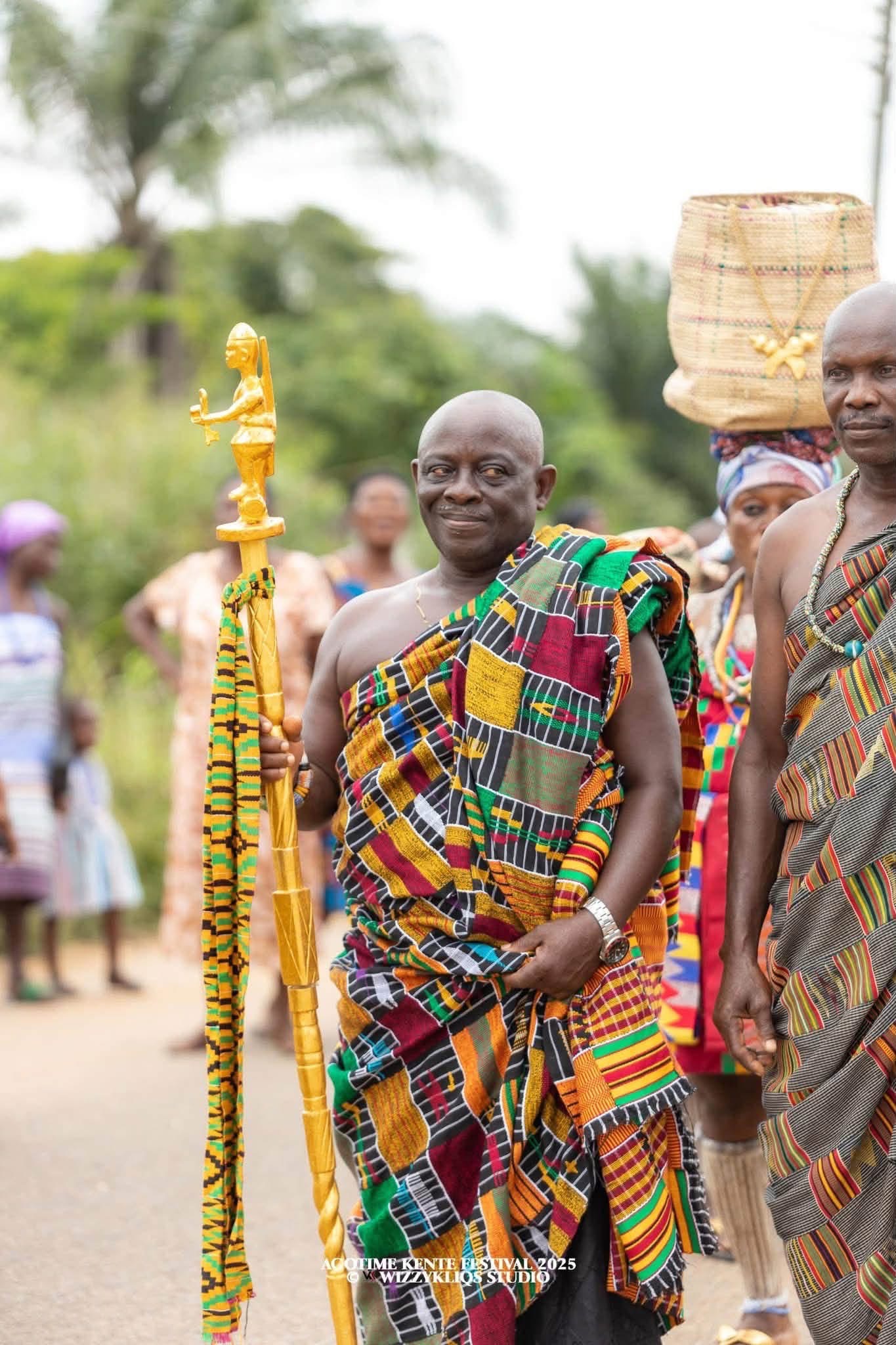
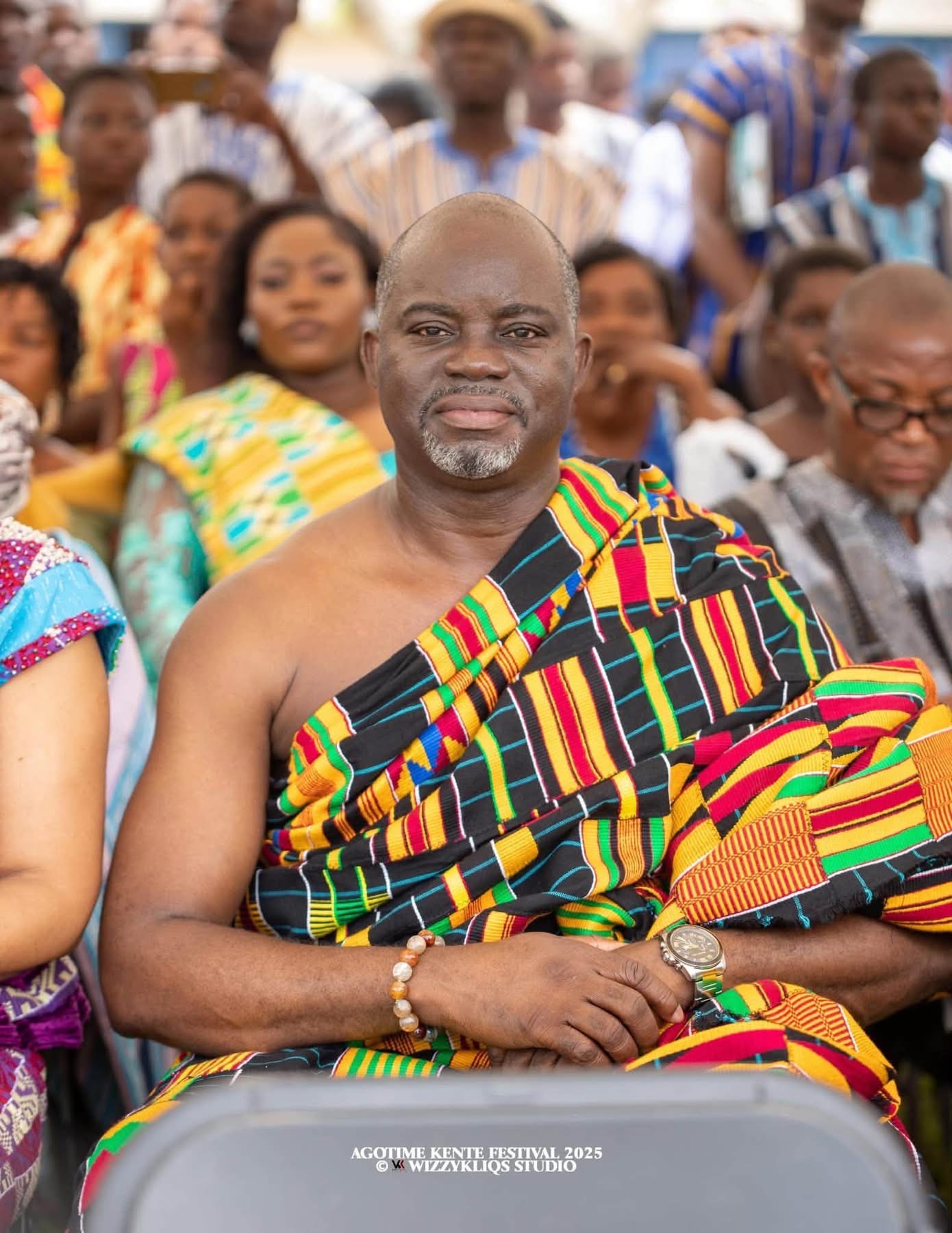
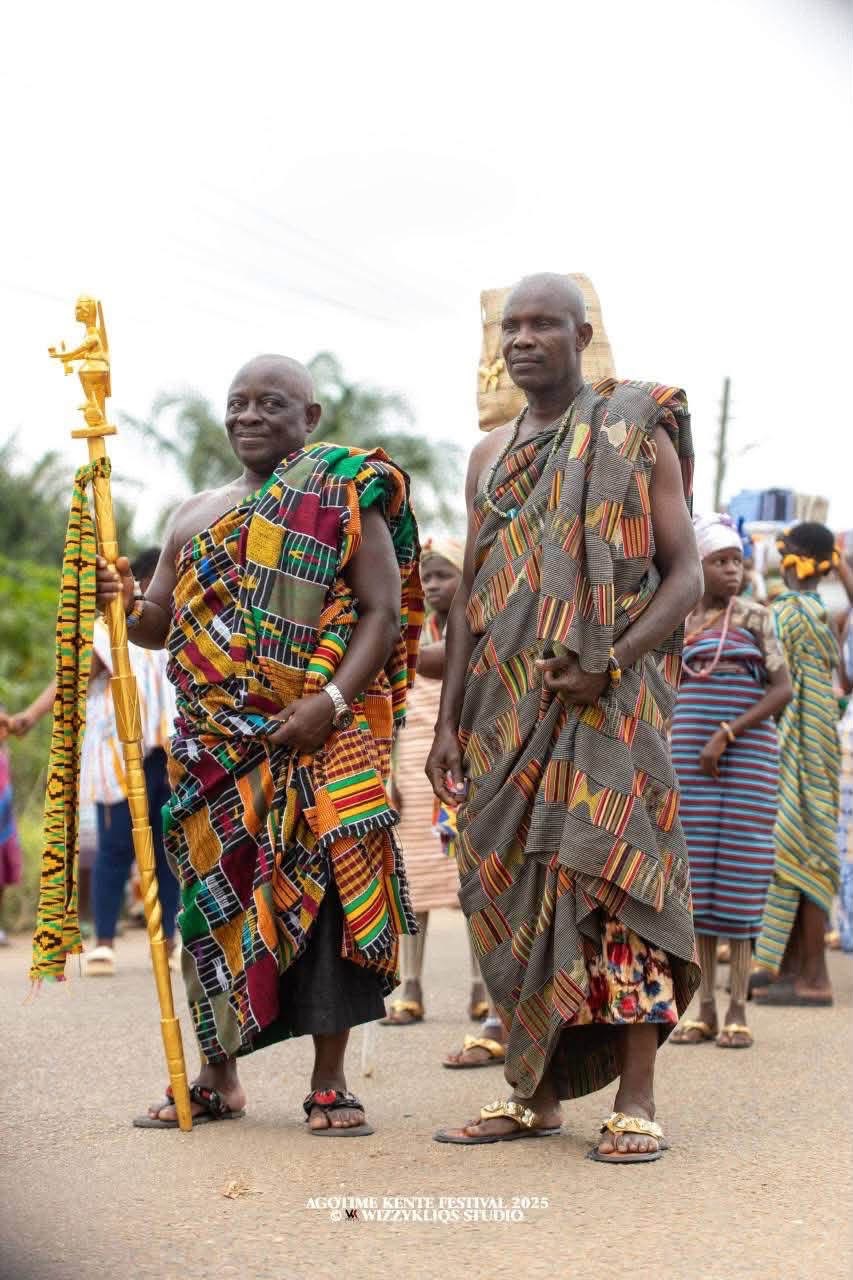
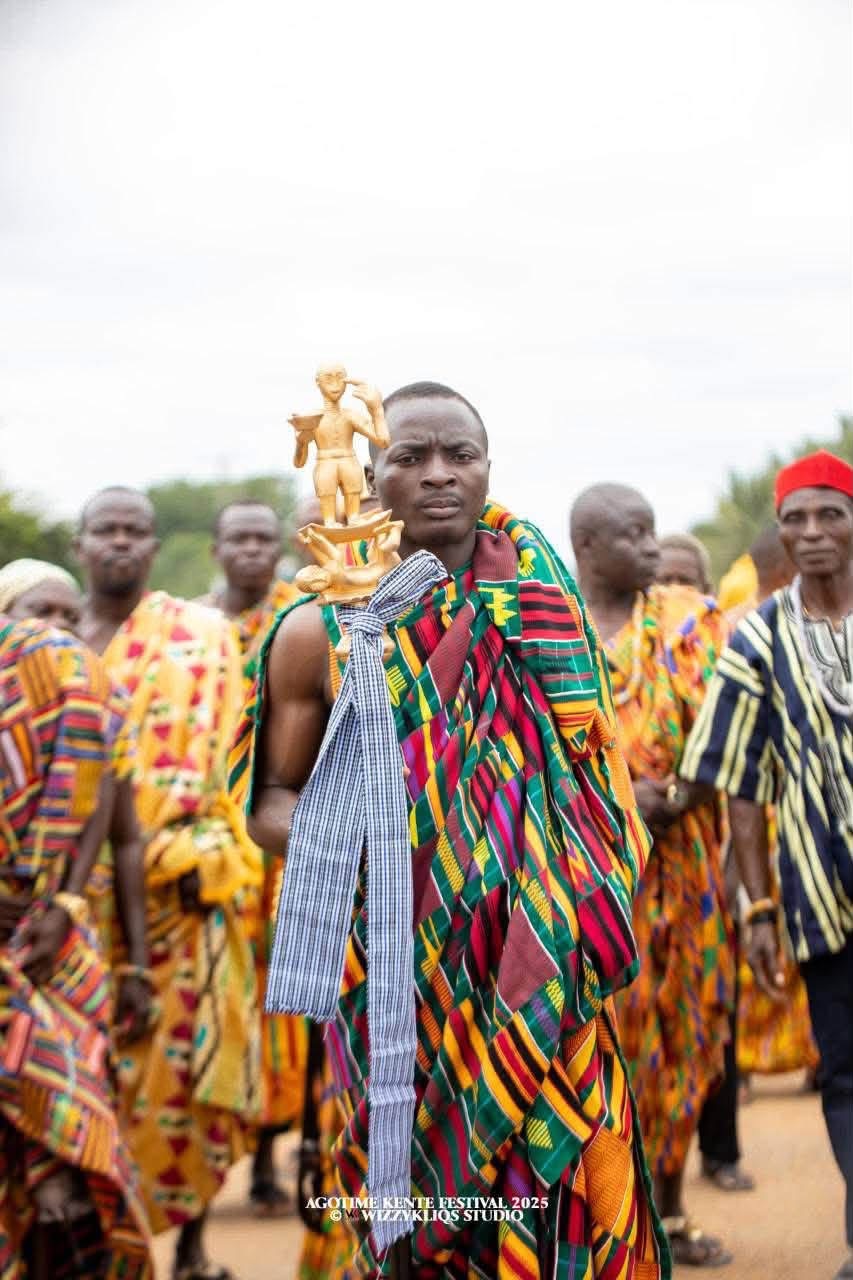
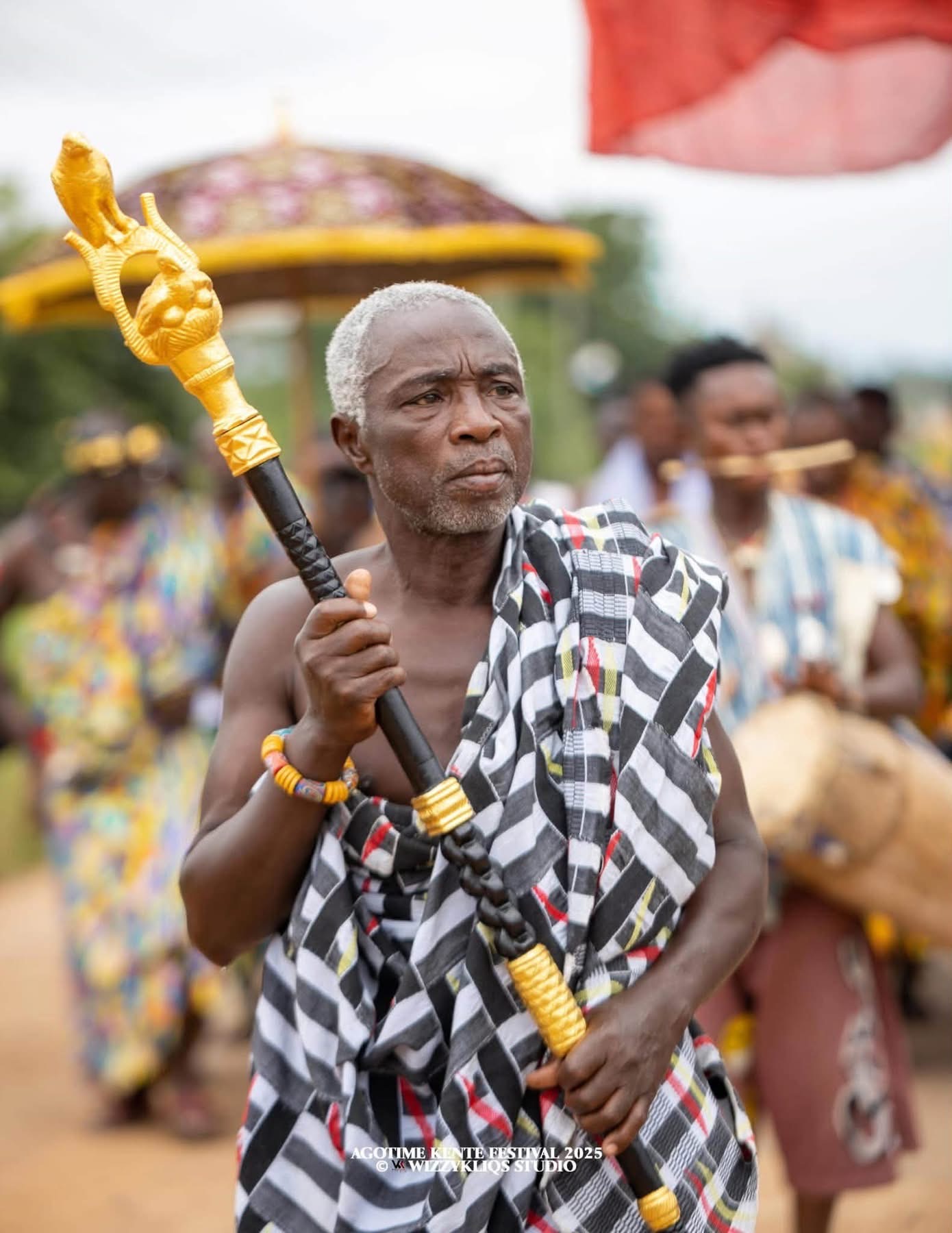
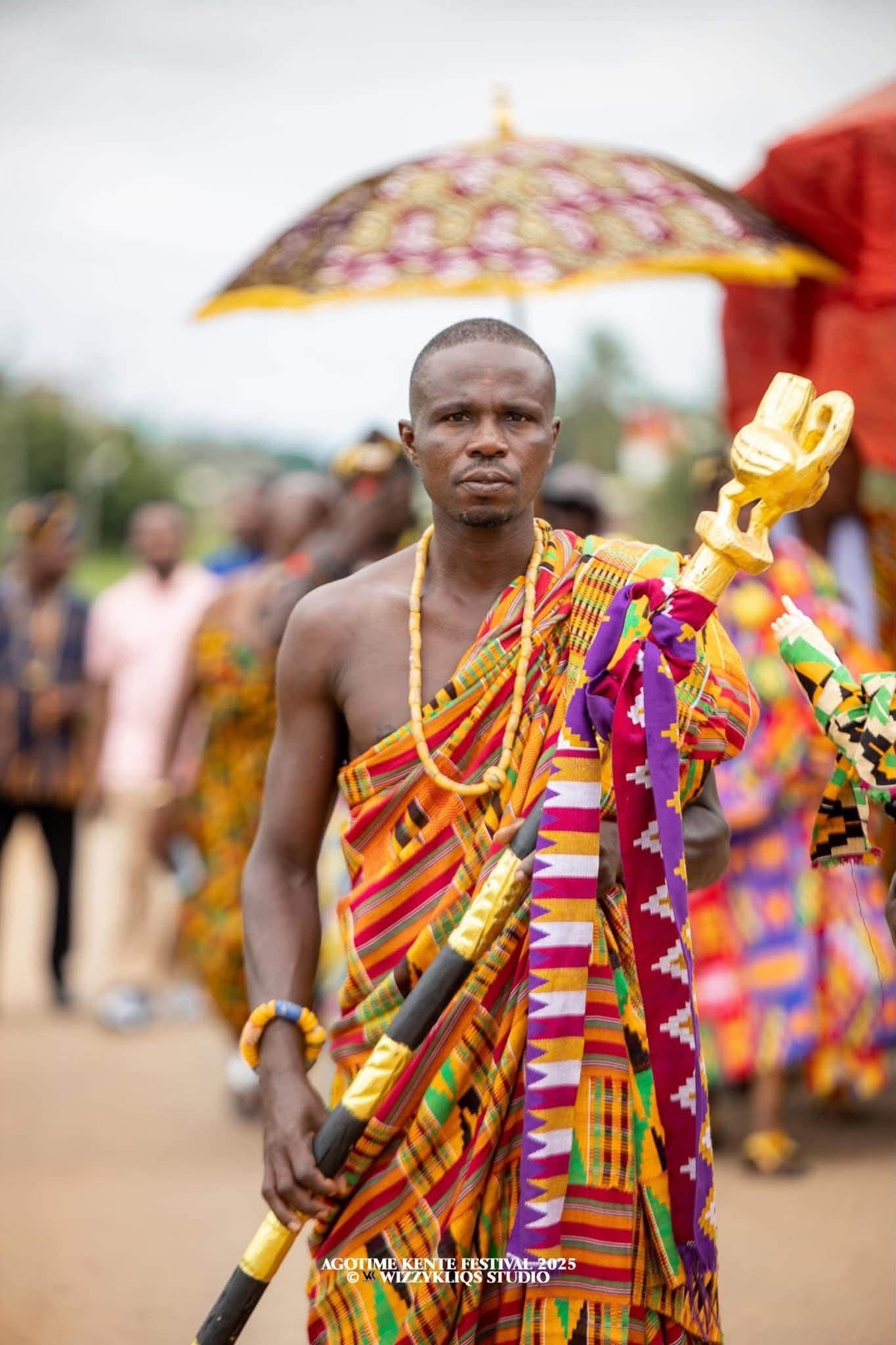
Last year’s celebration offered unforgettable scenes, captured with striking clarity by WizzyKliqs Studio. The images revealed a festival that is not merely colorful, but intellectually rich, spiritually grounded, and artistically unmatched. Drumming ensembles, ancestral chants, and the rhythmic choreography of the procession created a tableau that scholars described as one of the most authentic cultural reenactments in contemporary Ghana.
As the 2026 festival approaches, anticipation is rising across the Volta Region, Ghana, and the diaspora. Cultural enthusiasts, researchers, tourists, and heritage advocates are already marking their calendars. The Agotime Kete Festival is not simply an event, it is a pilgrimage to the birthplace of a global cultural symbol, a place where history is not displayed but lived.
More historical insights, archival stories, and festival updates will follow as the celebration draws near. The legacy of Kete is vast, and this year’s festival promises to illuminate it with renewed scholarship, artistry, and cultural pride.