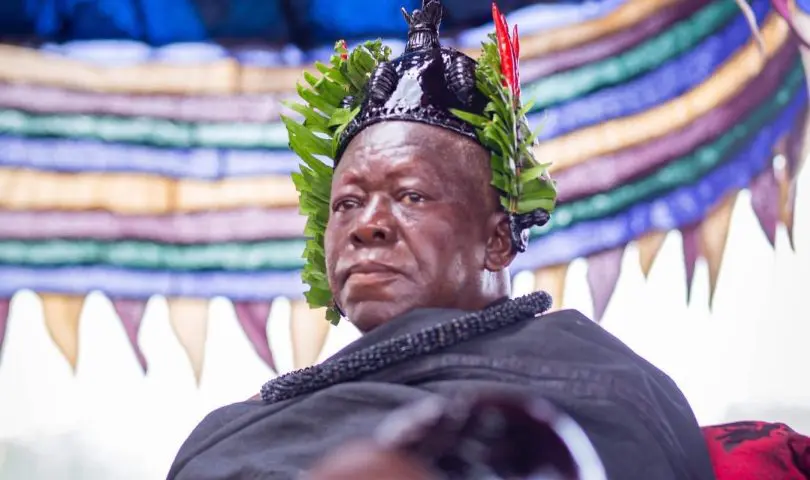

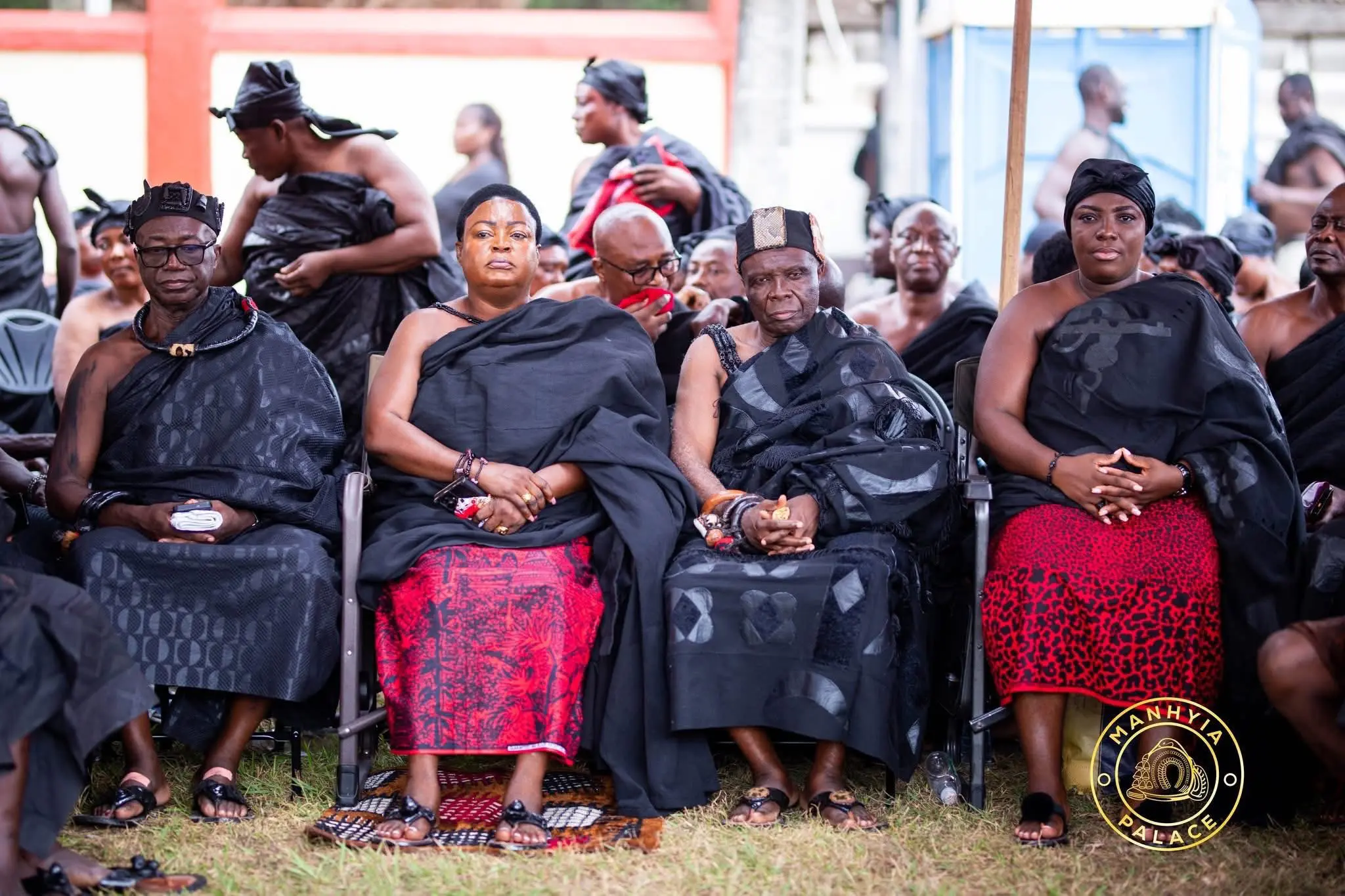
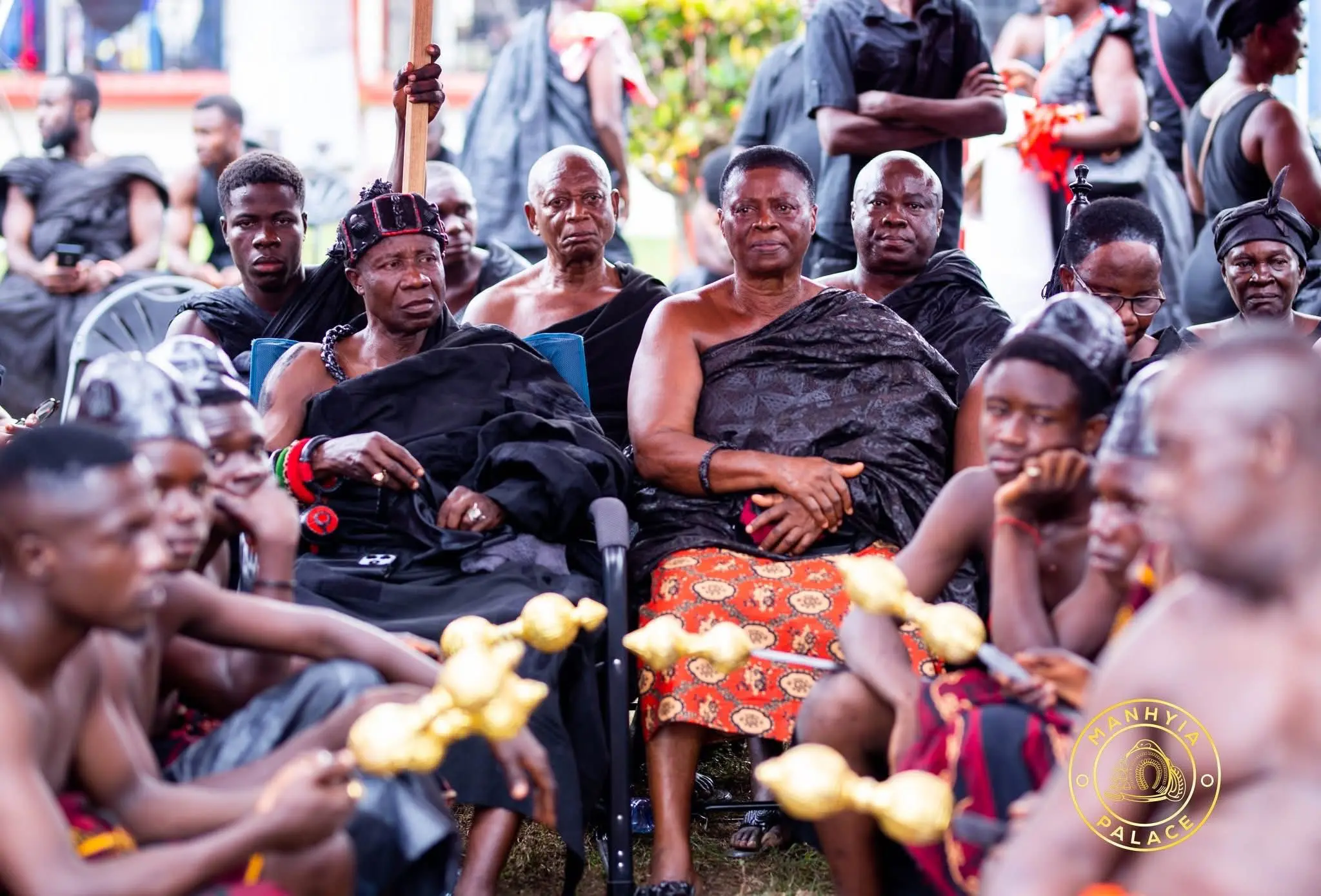
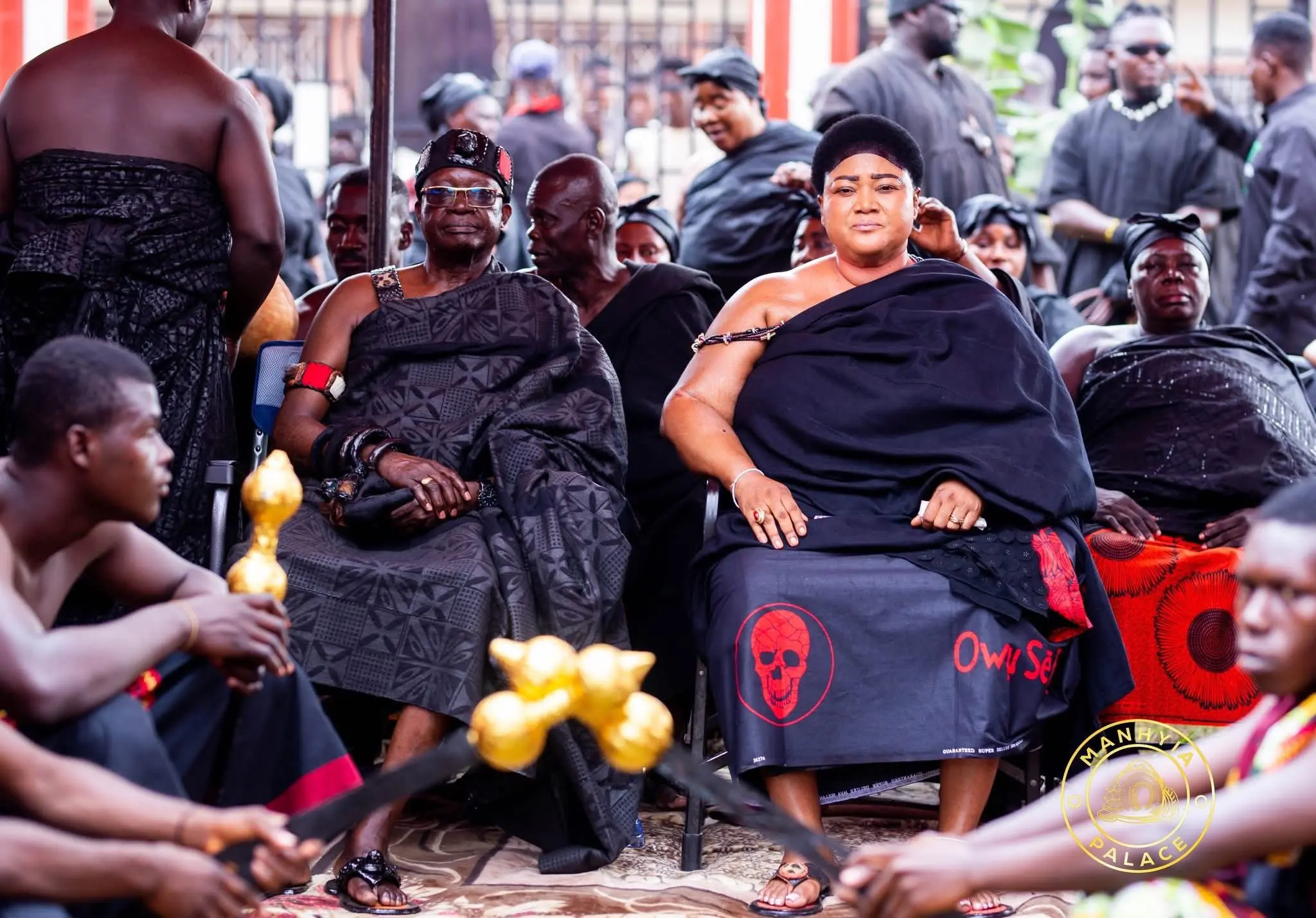
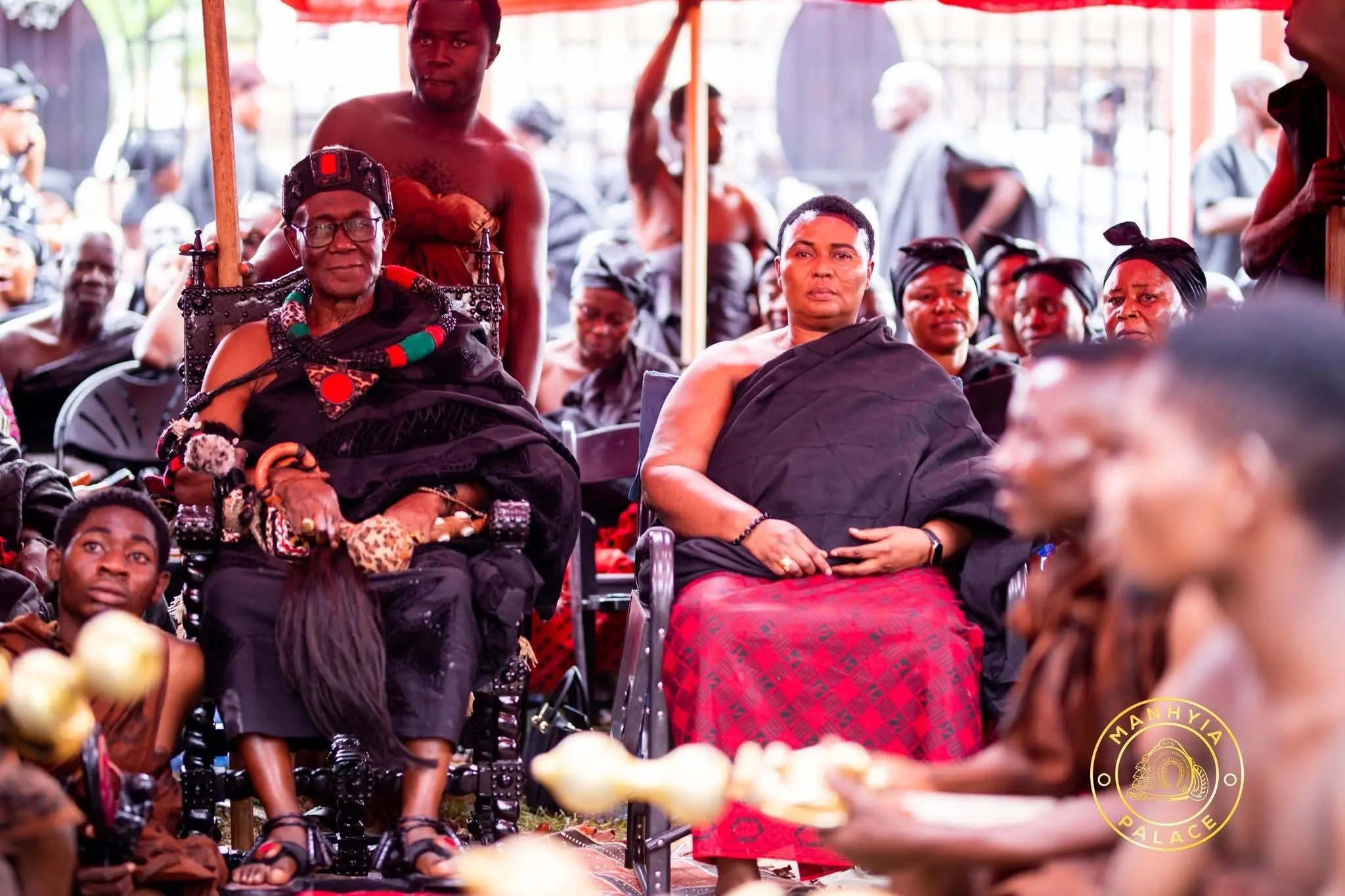
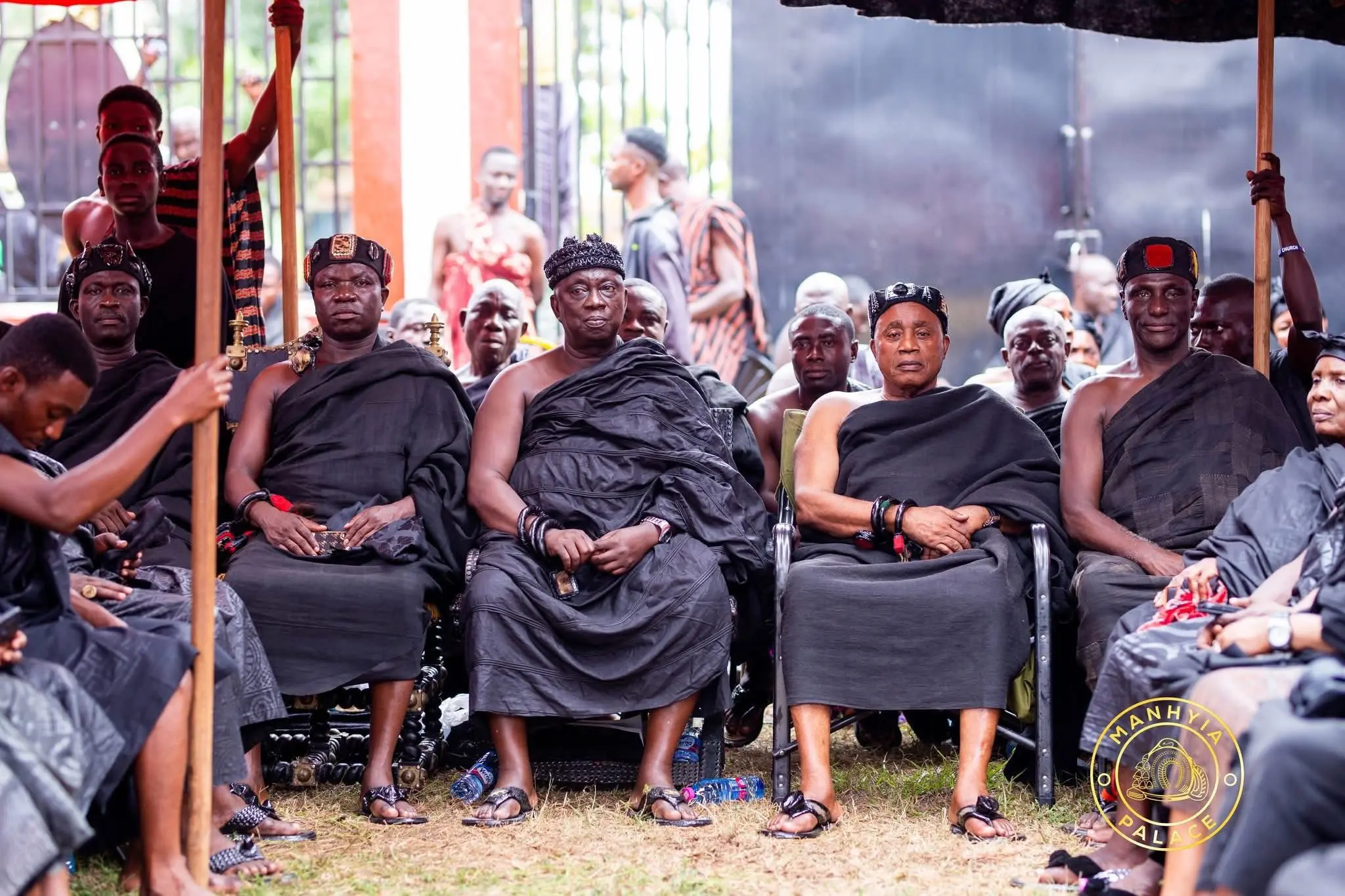
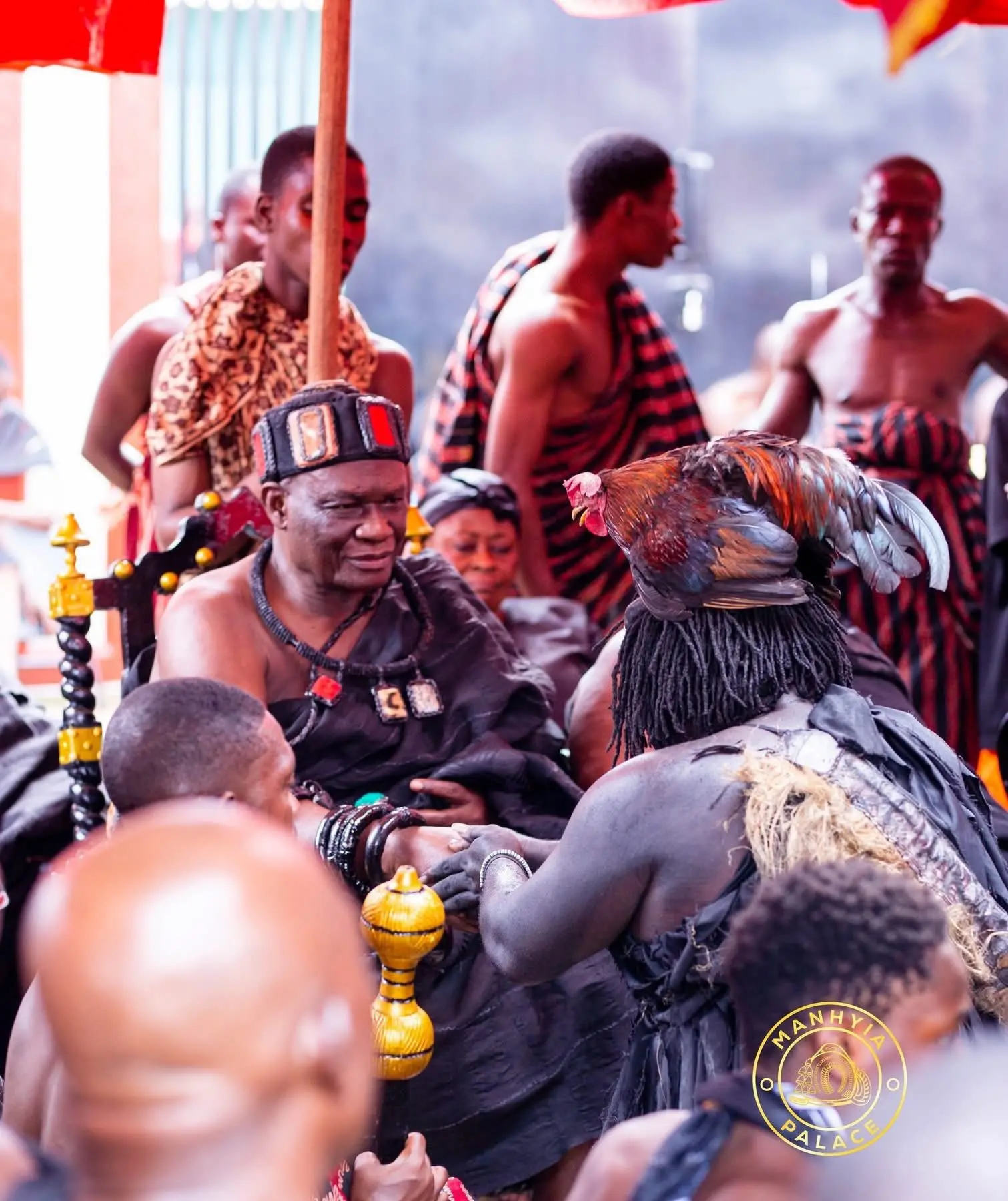
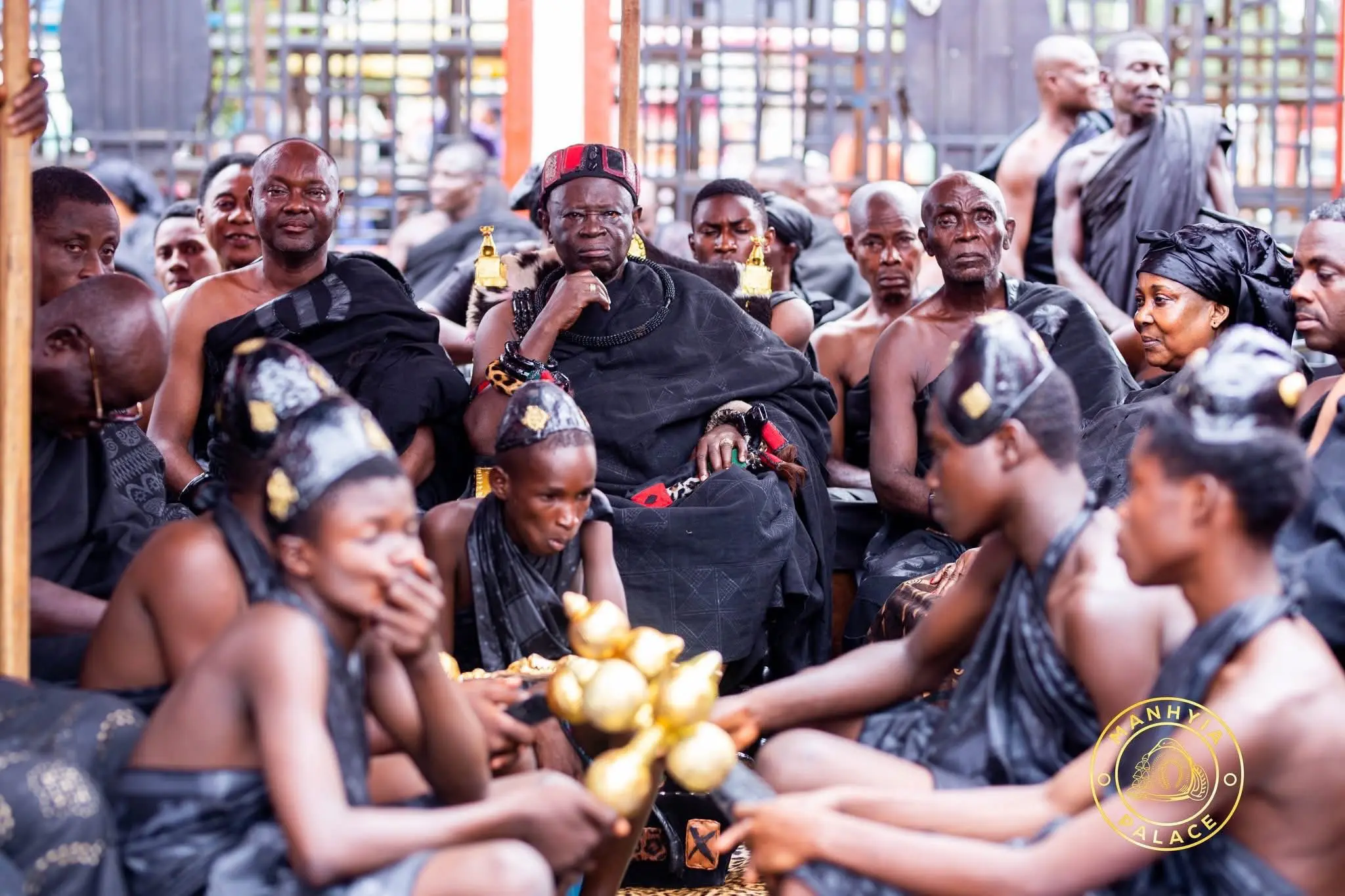
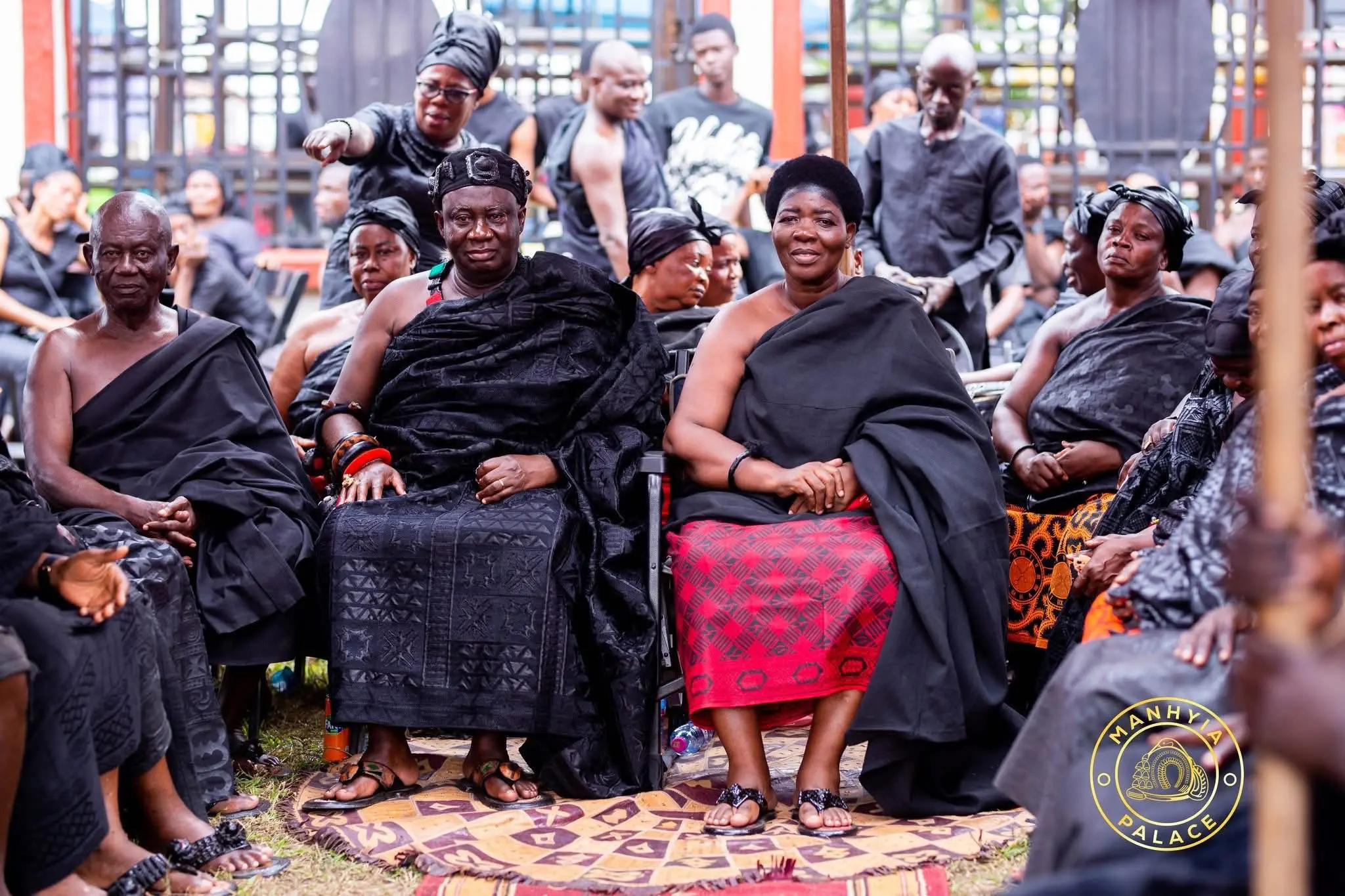
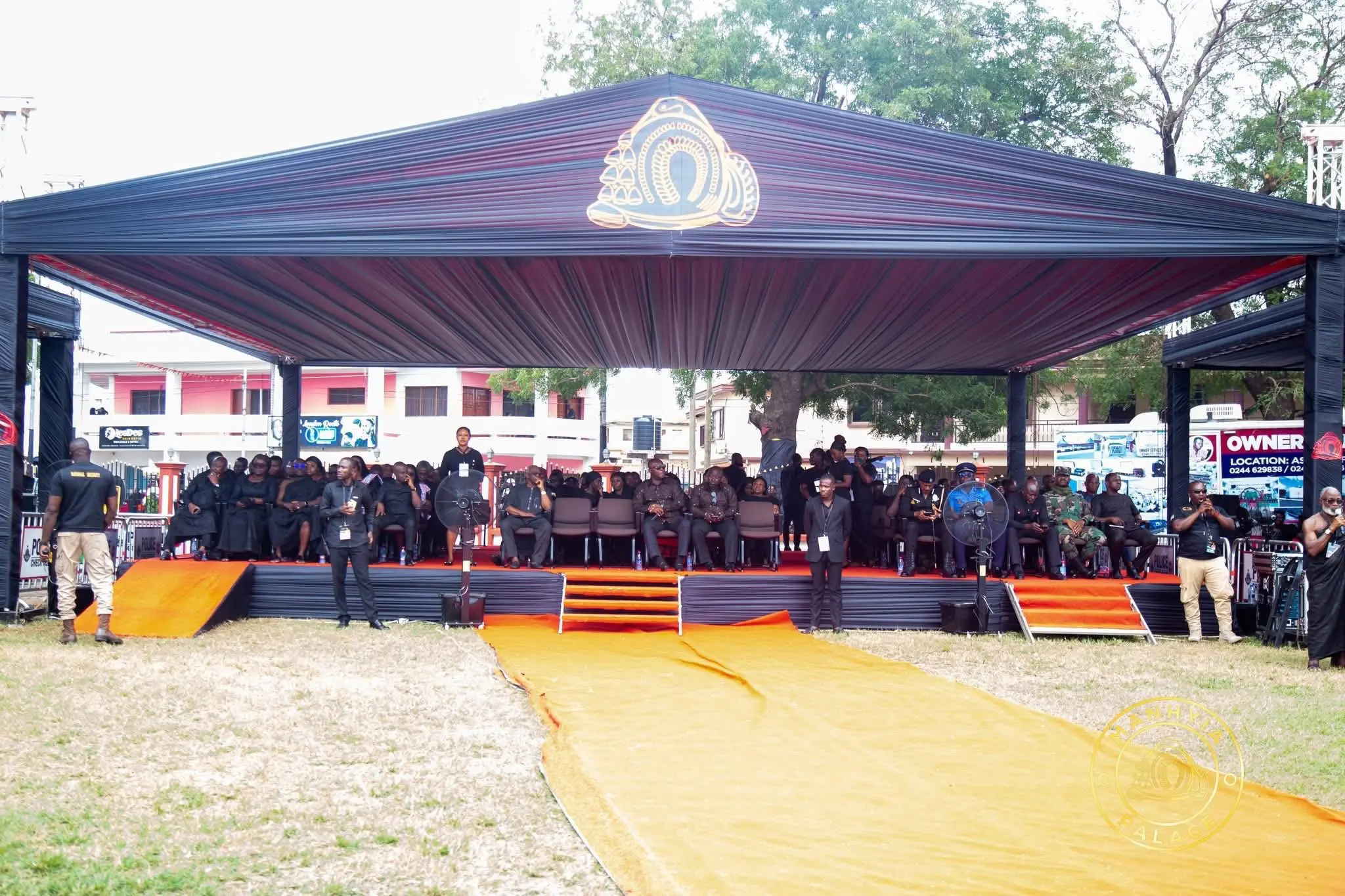
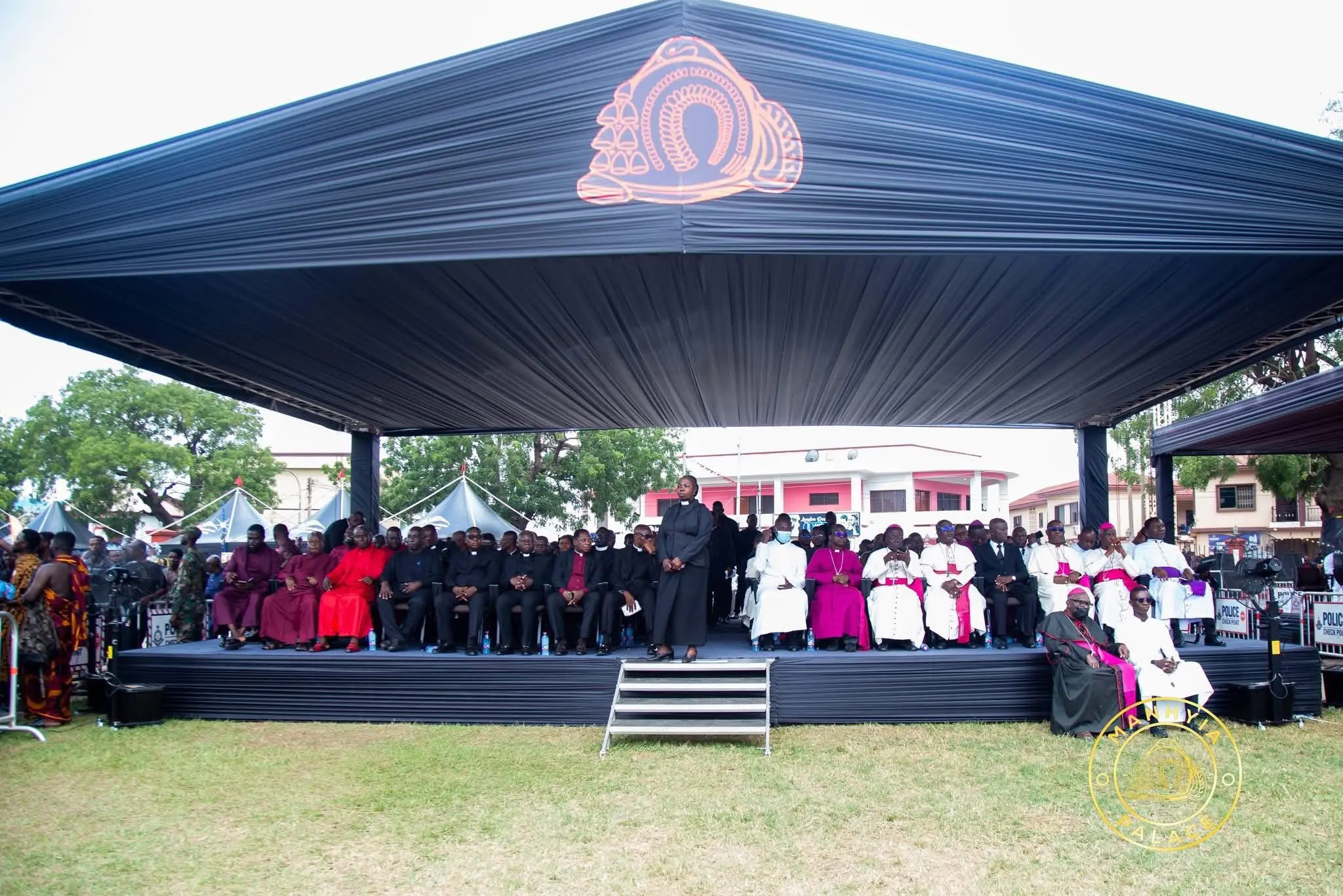
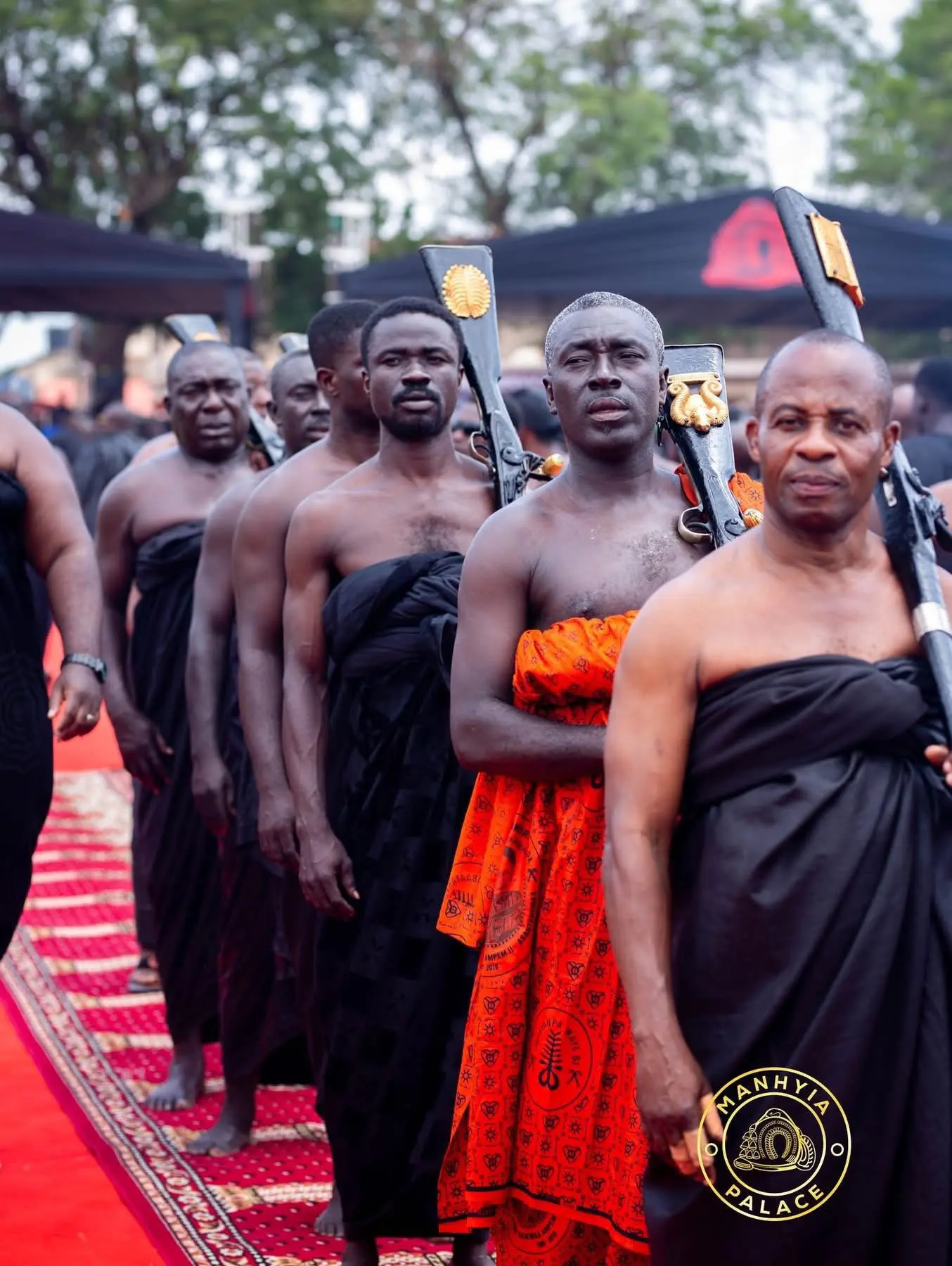
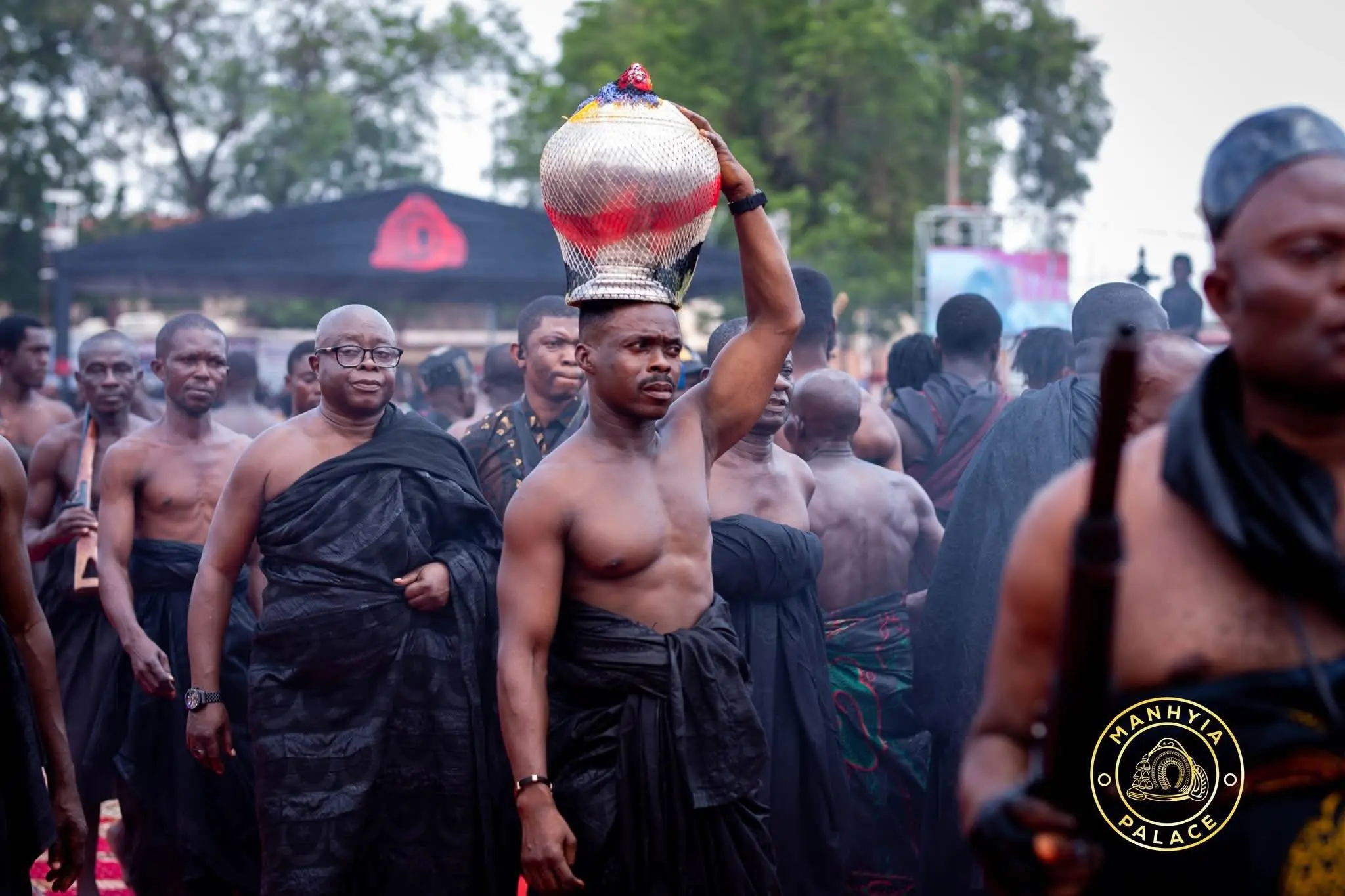
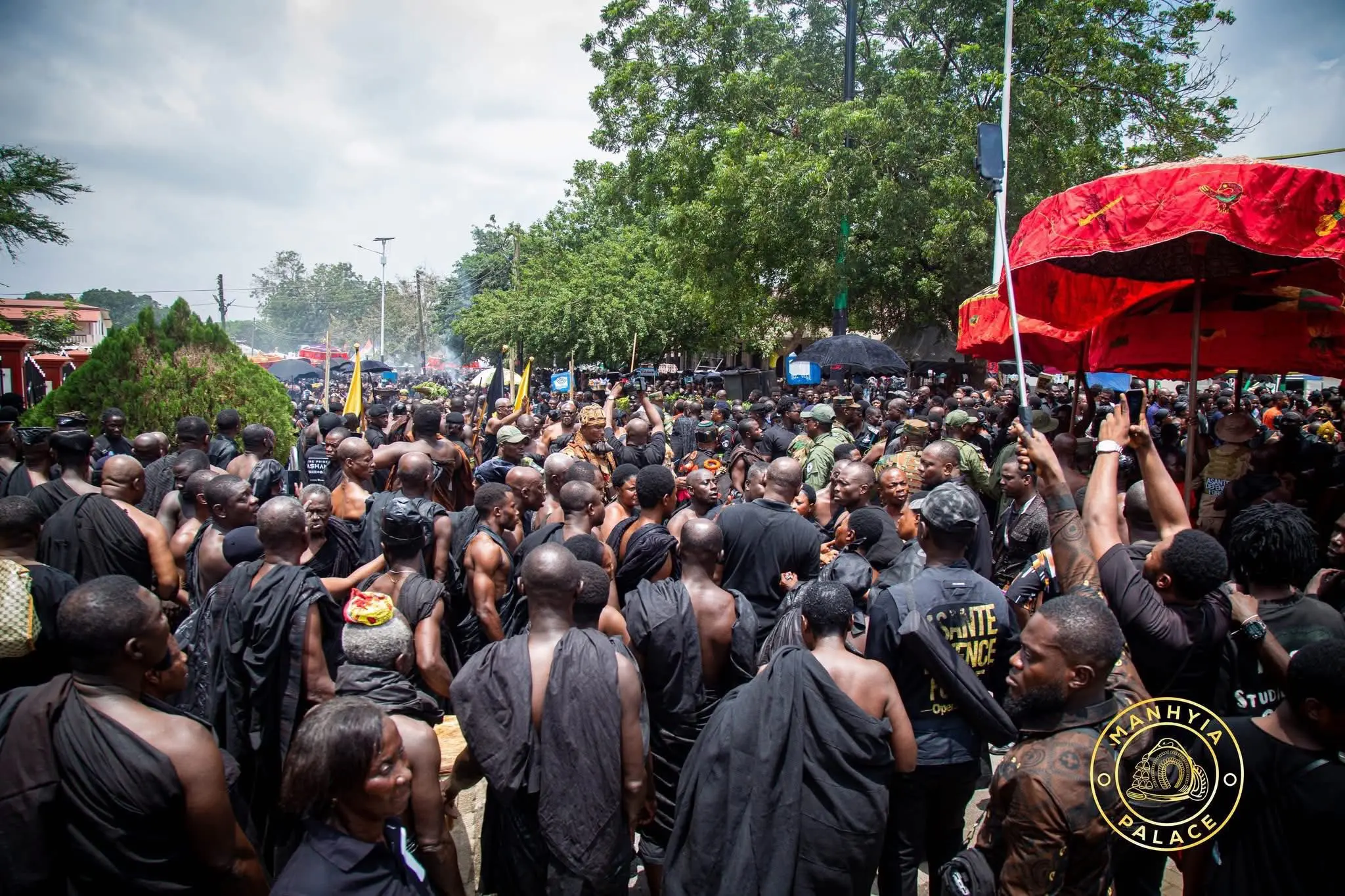
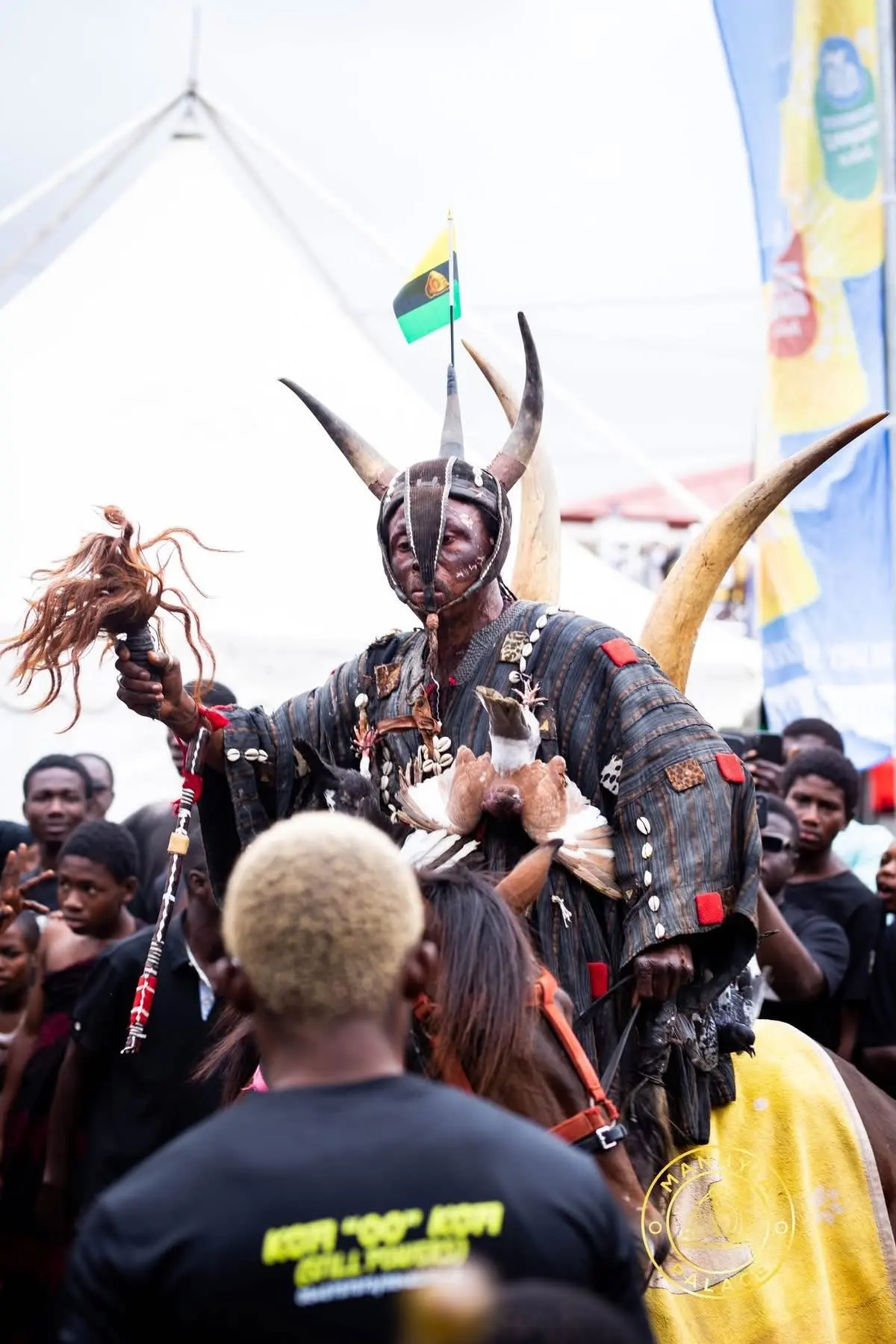
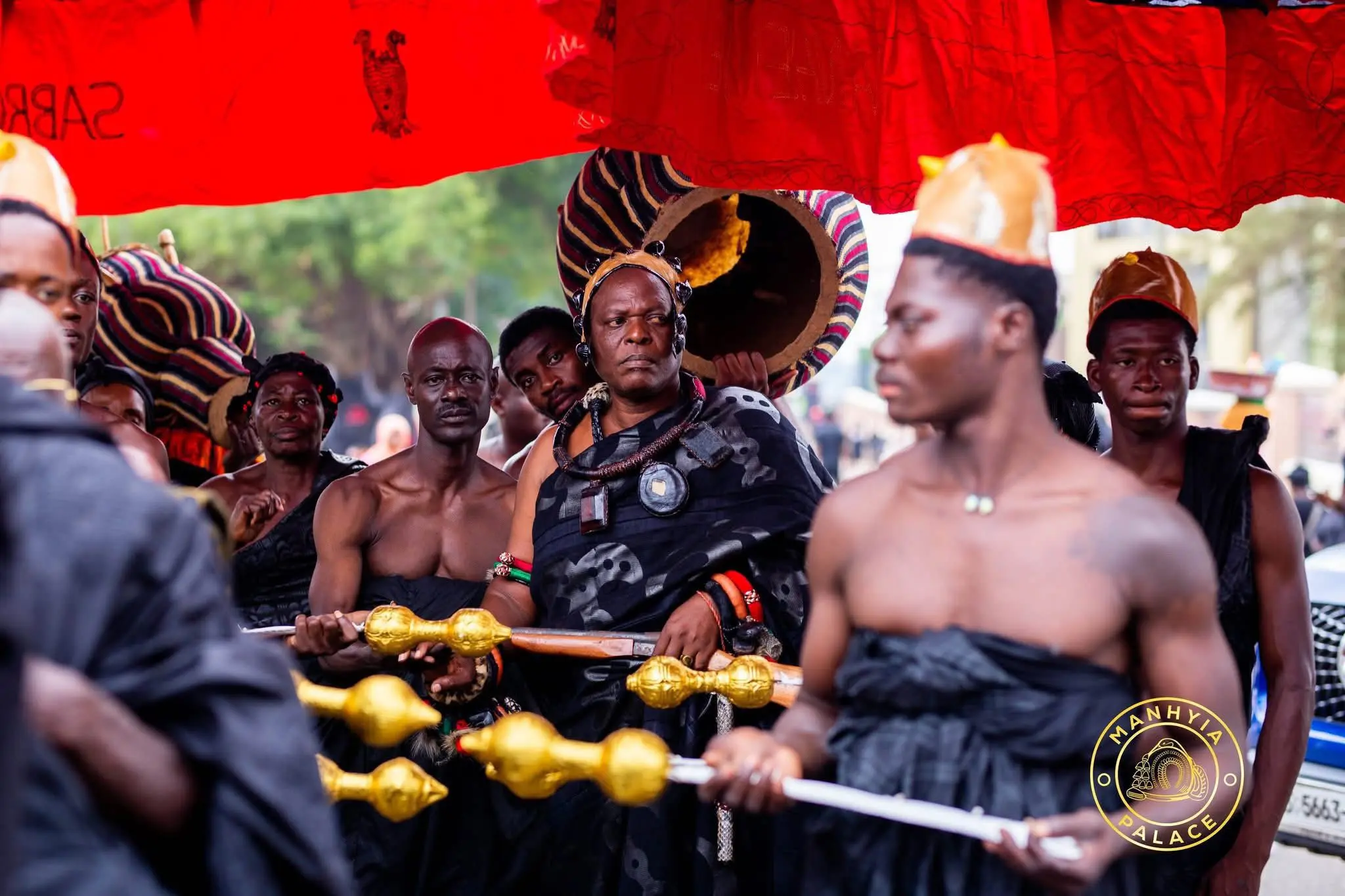
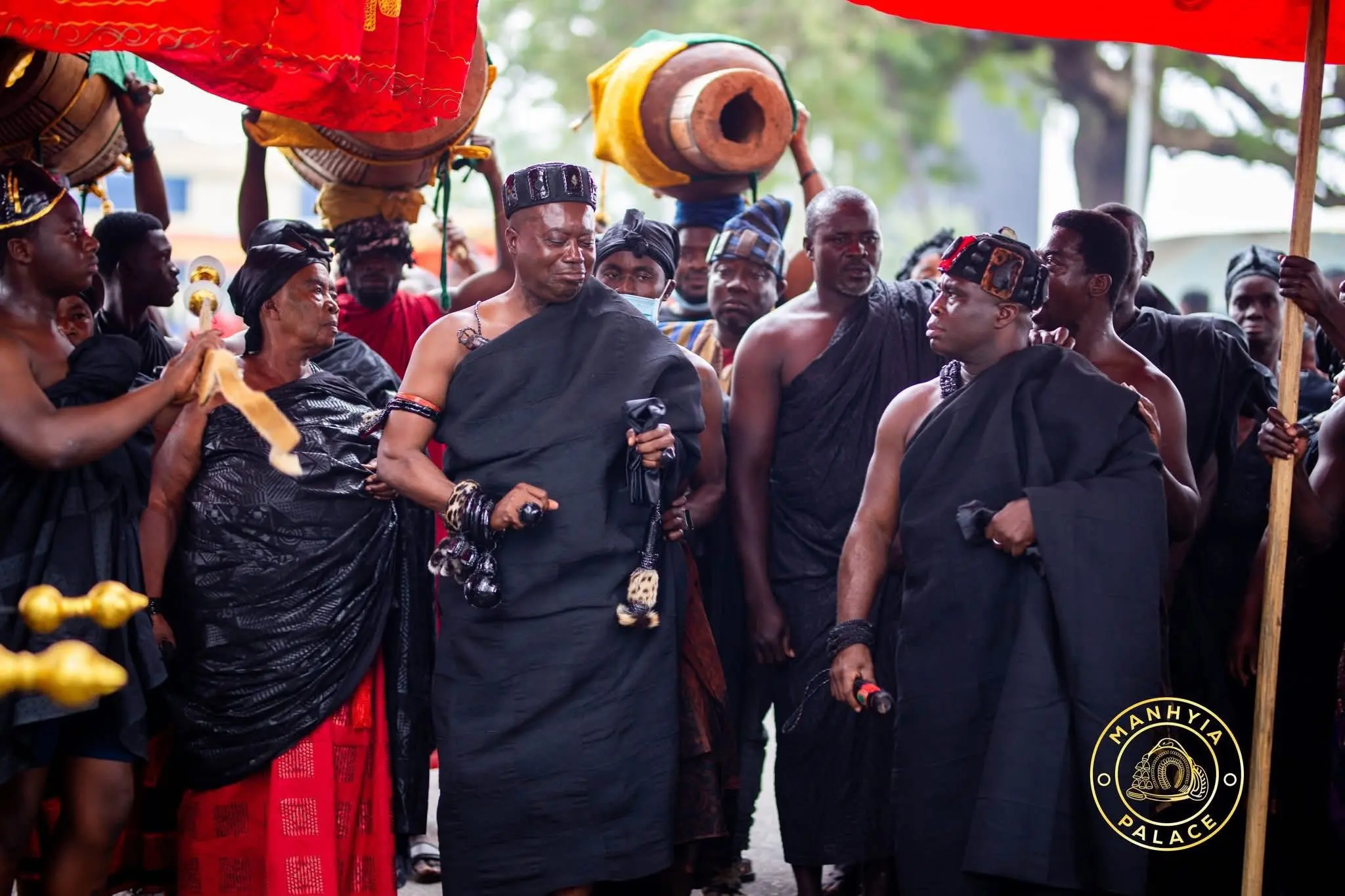
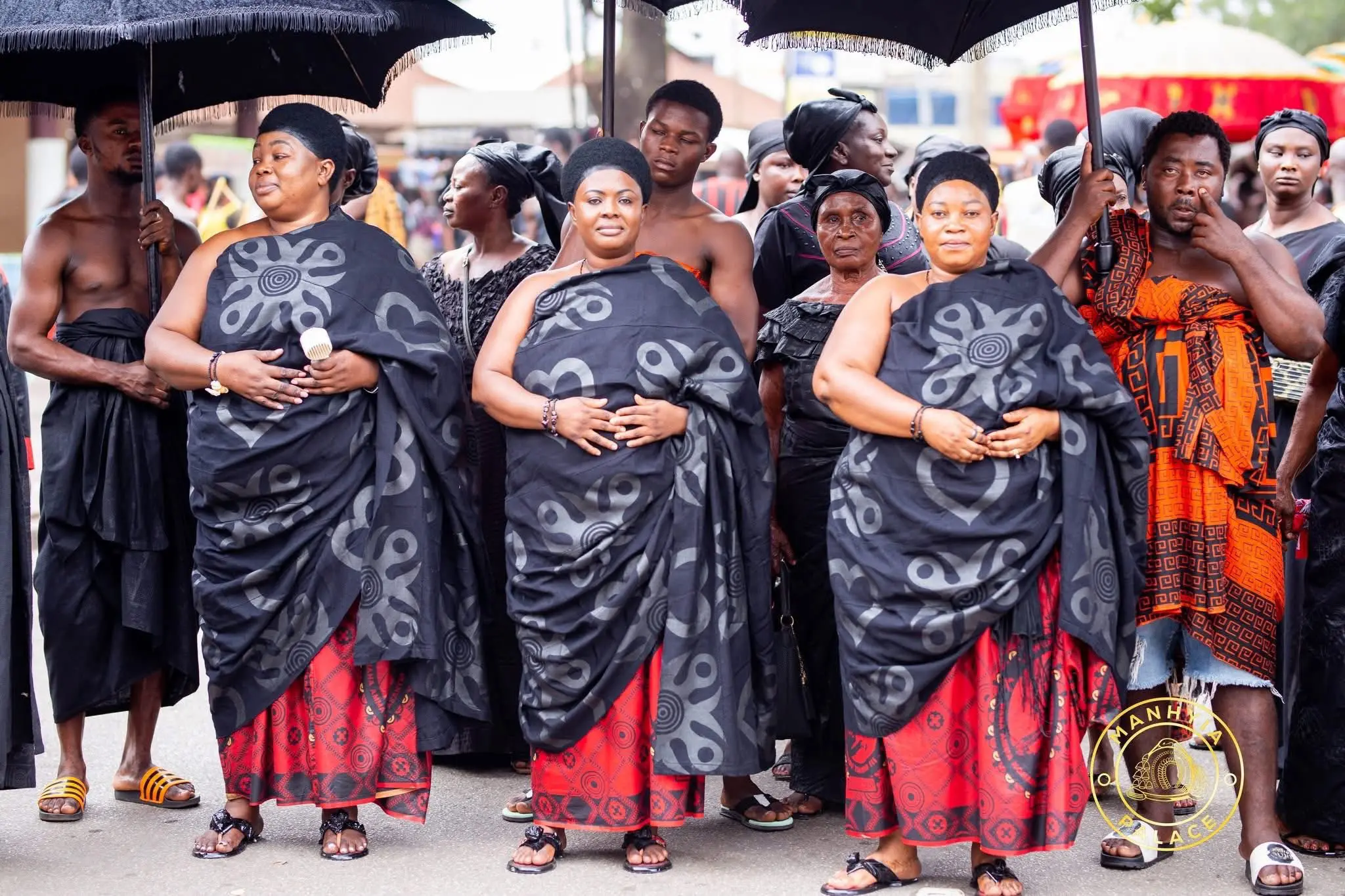
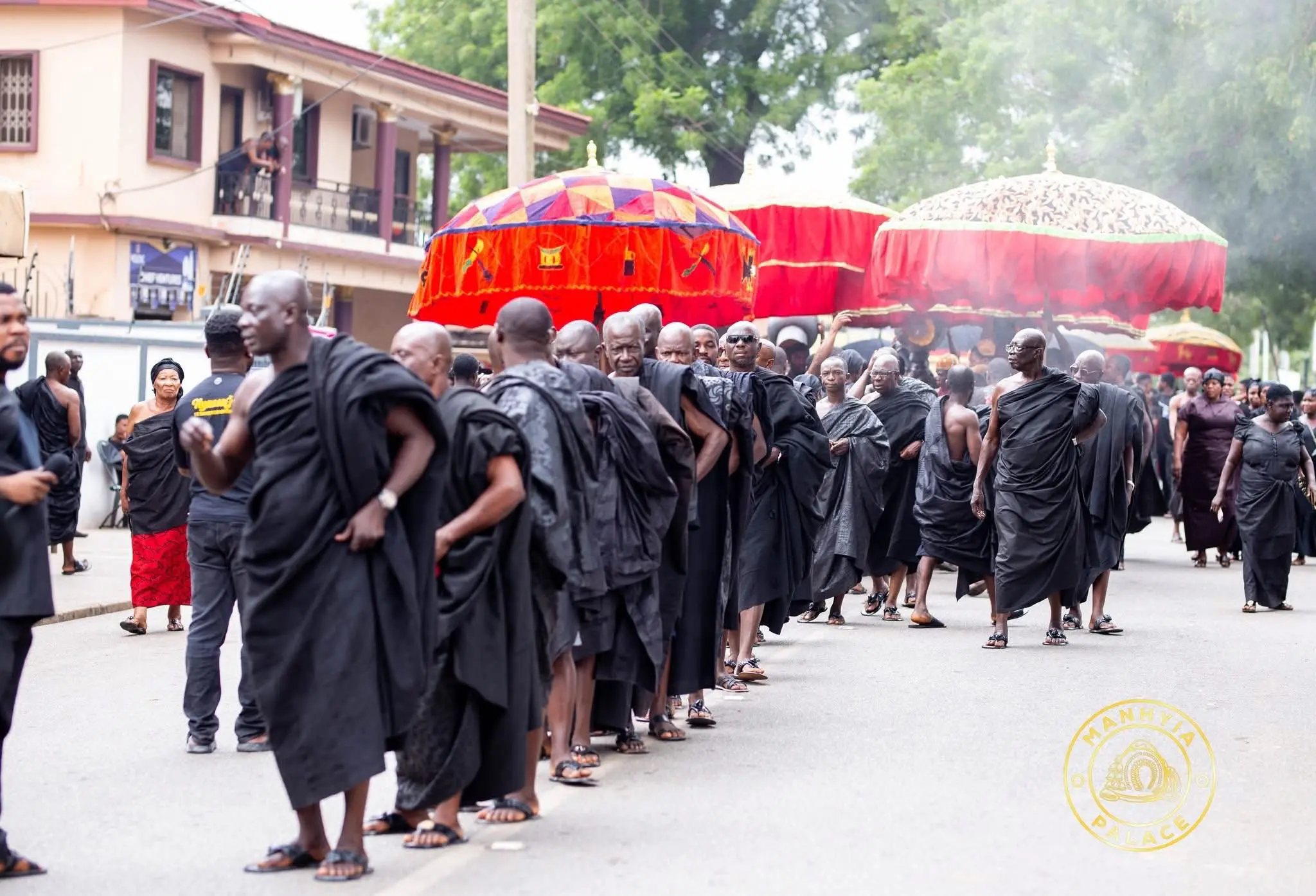
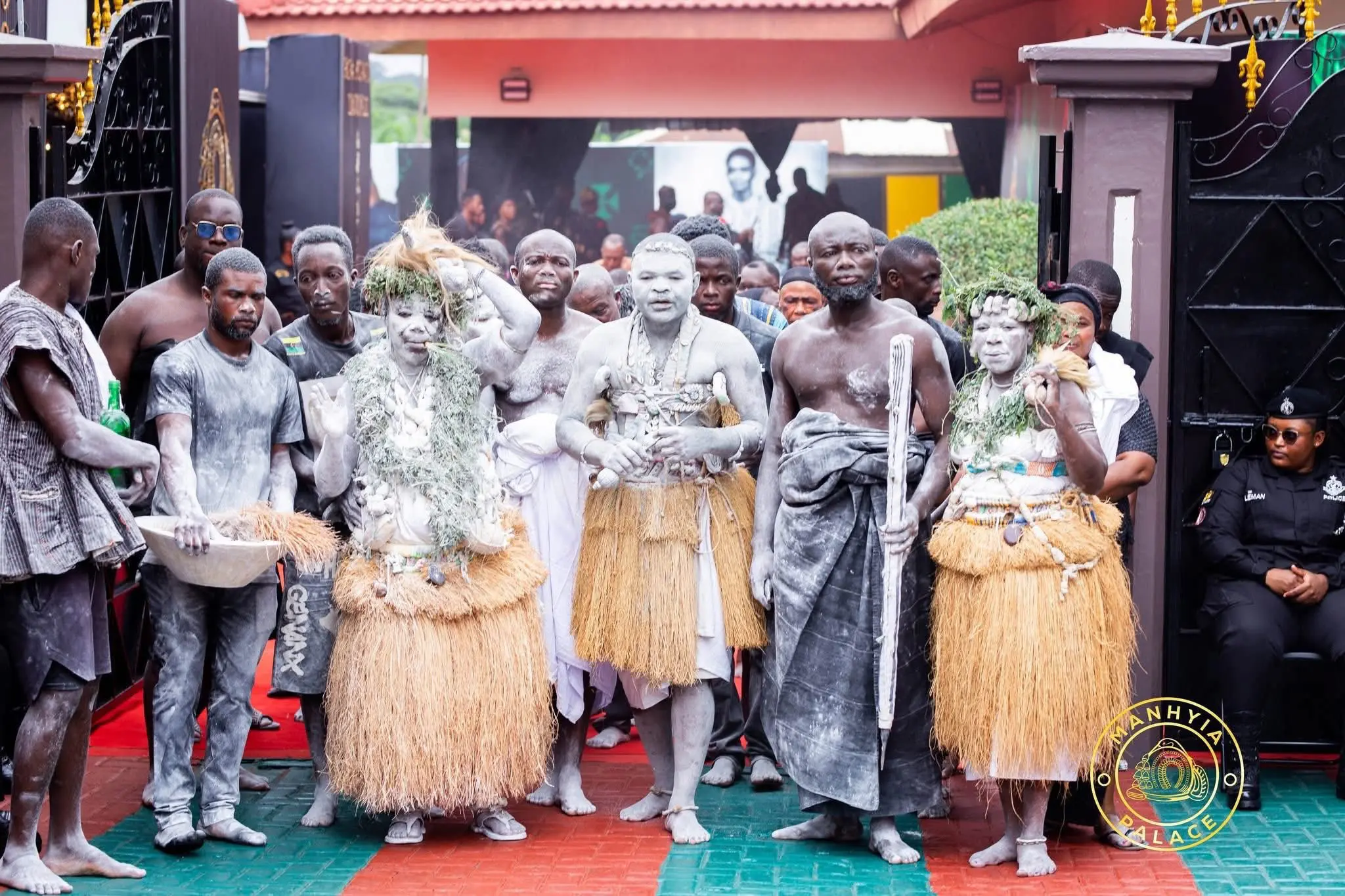
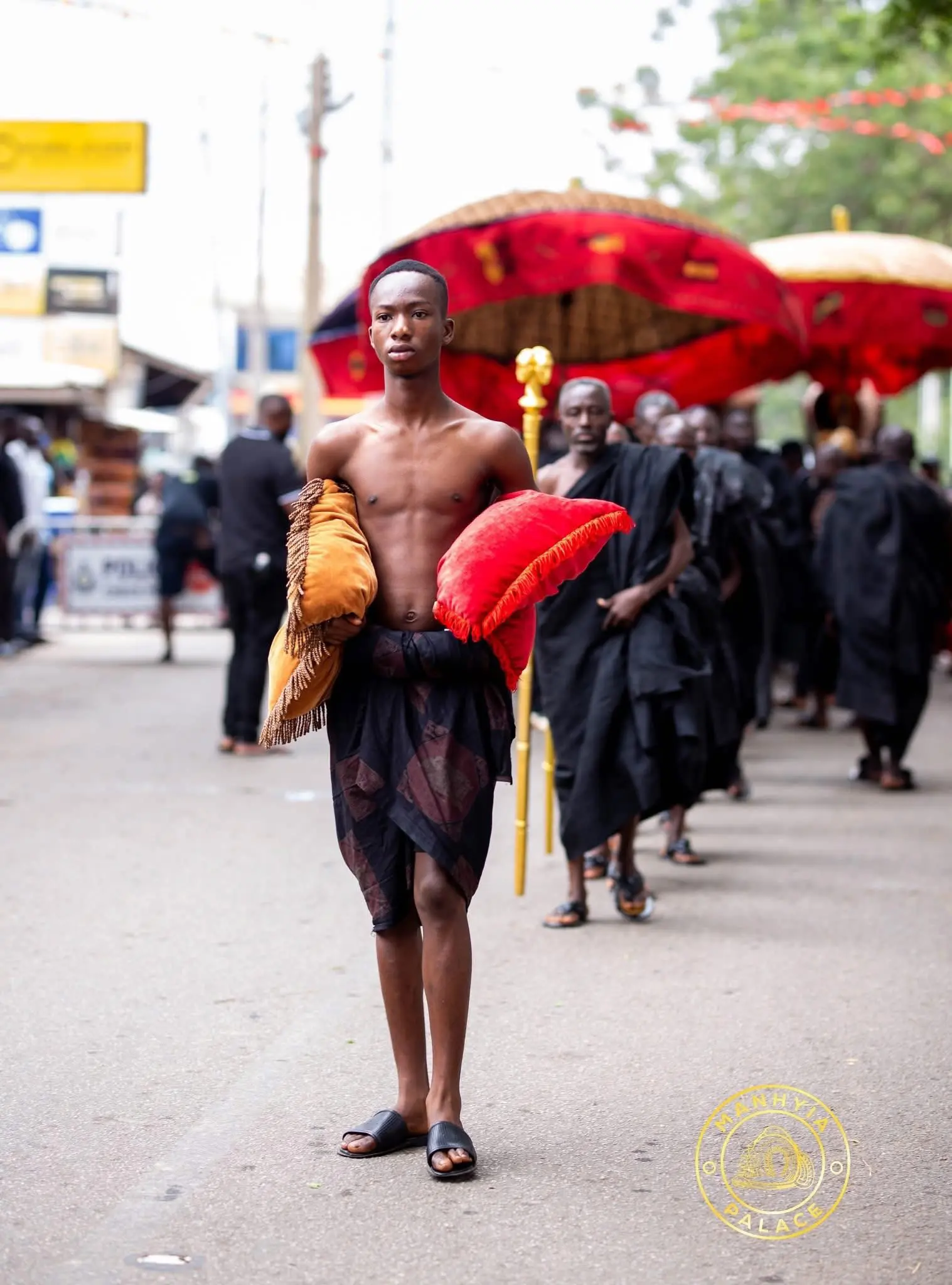
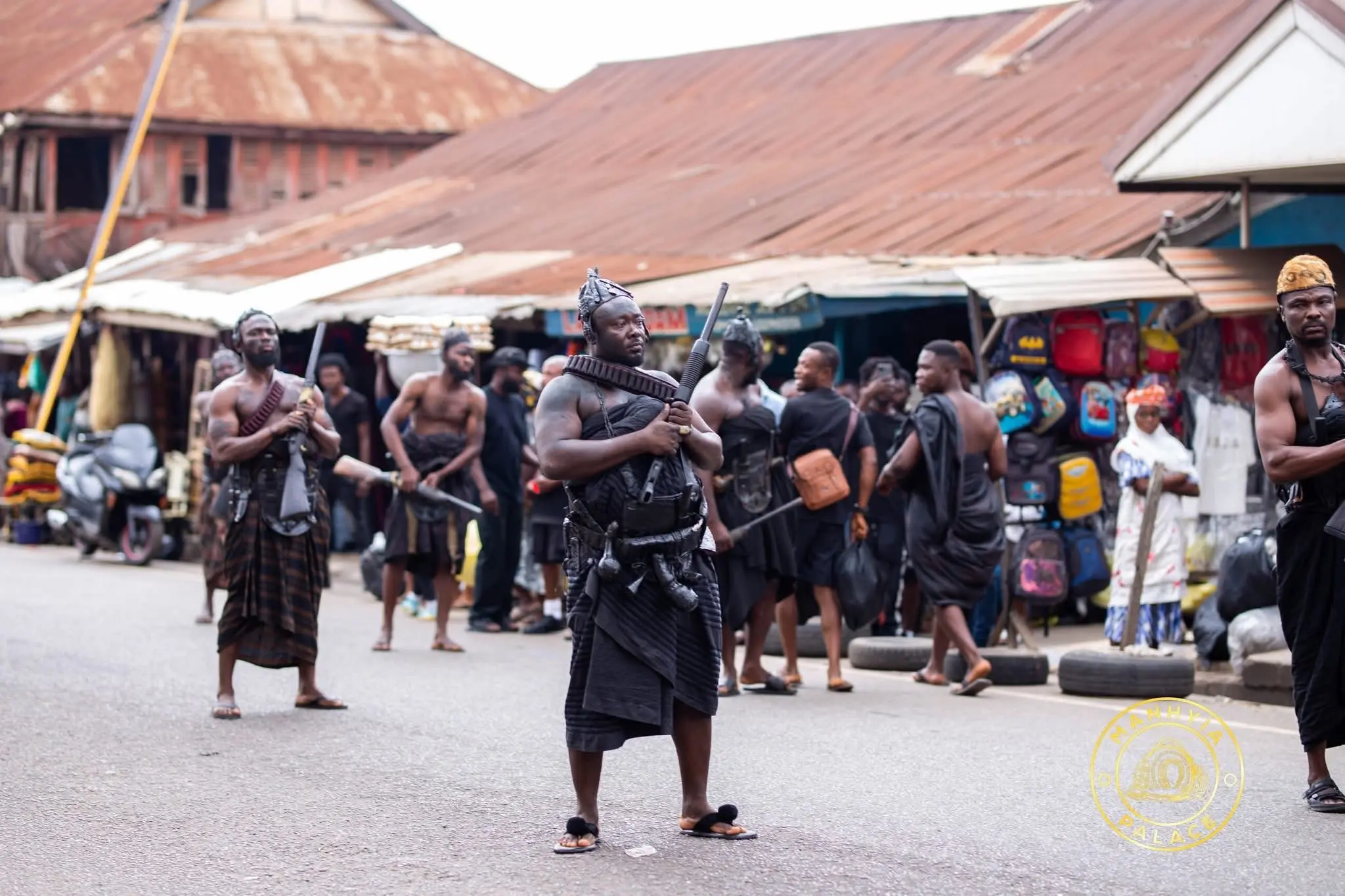
In the heart of Kumasi, where tradition breathes and history walks, the Manhyia Palace became a sanctuary of mourning and reverence as the four-day burial rites of Nana Konadu Yiadom III, the revered Asantehemaa, commenced on Monday, September 15, 2025. The palace grounds, steeped in centuries of royal memory, welcomed hundreds, sons and daughters of the land, dignitaries, elders, and ordinary citizens, each drawn by duty, grief, and love to pay their final respects to the matriarch of the Ashanti Kingdom.
She was more than Queen Mother. She was the soul of a people, the quiet force behind the throne, the custodian of wisdom, and the embodiment of grace. Her passing marked not just the end of a life, but the closing of a chapter in Ghana’s cultural and spiritual heritage.
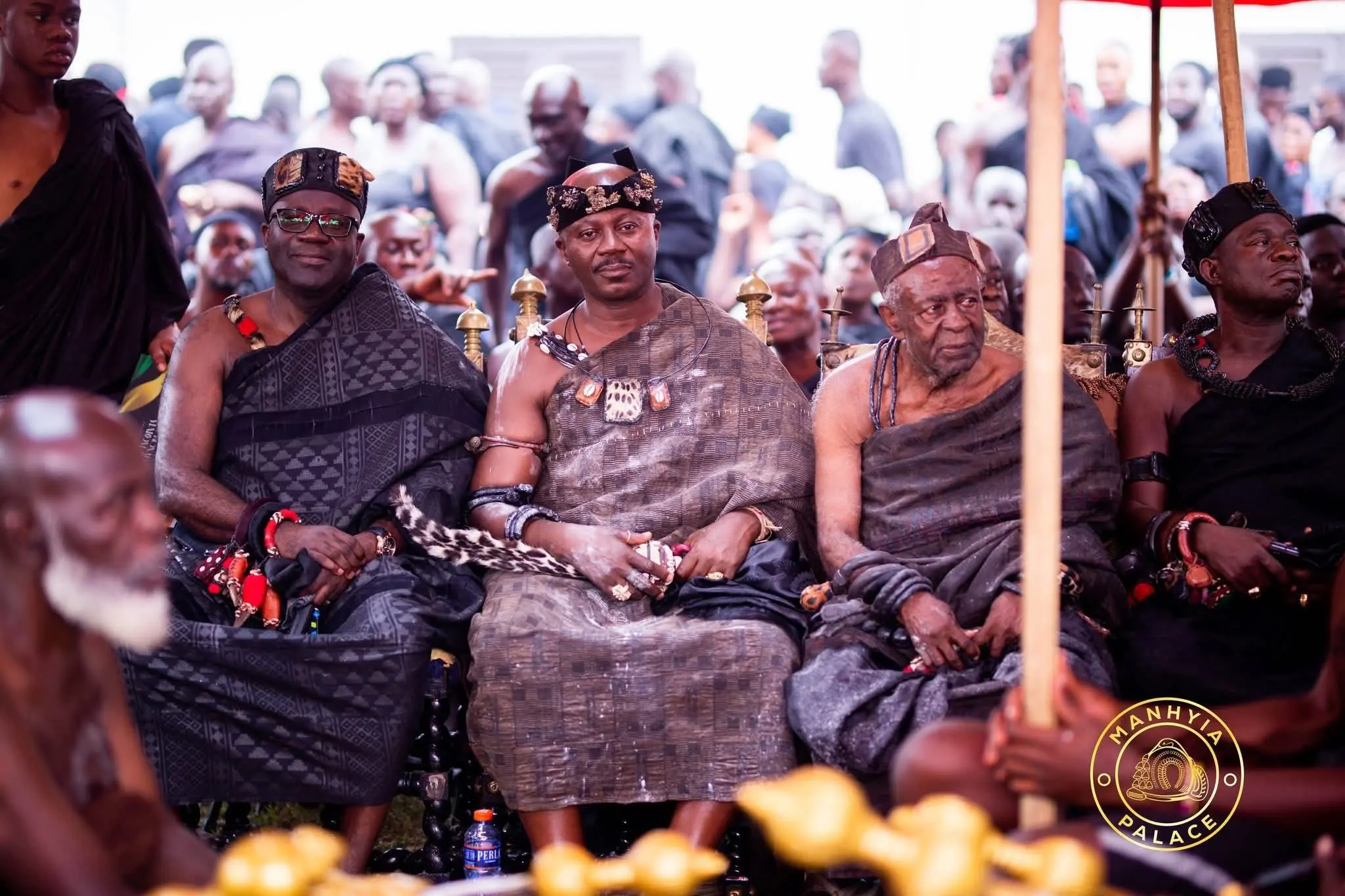
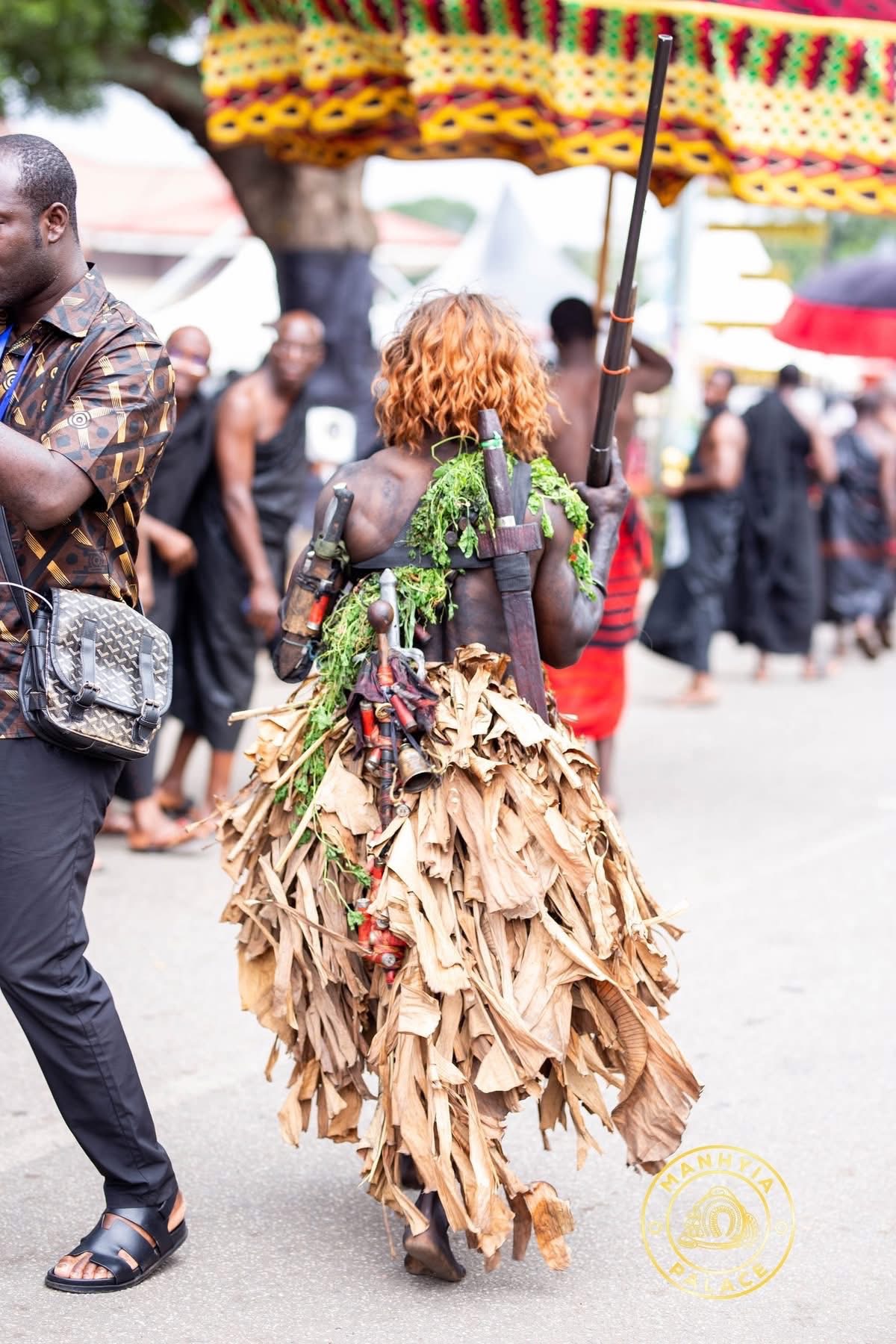
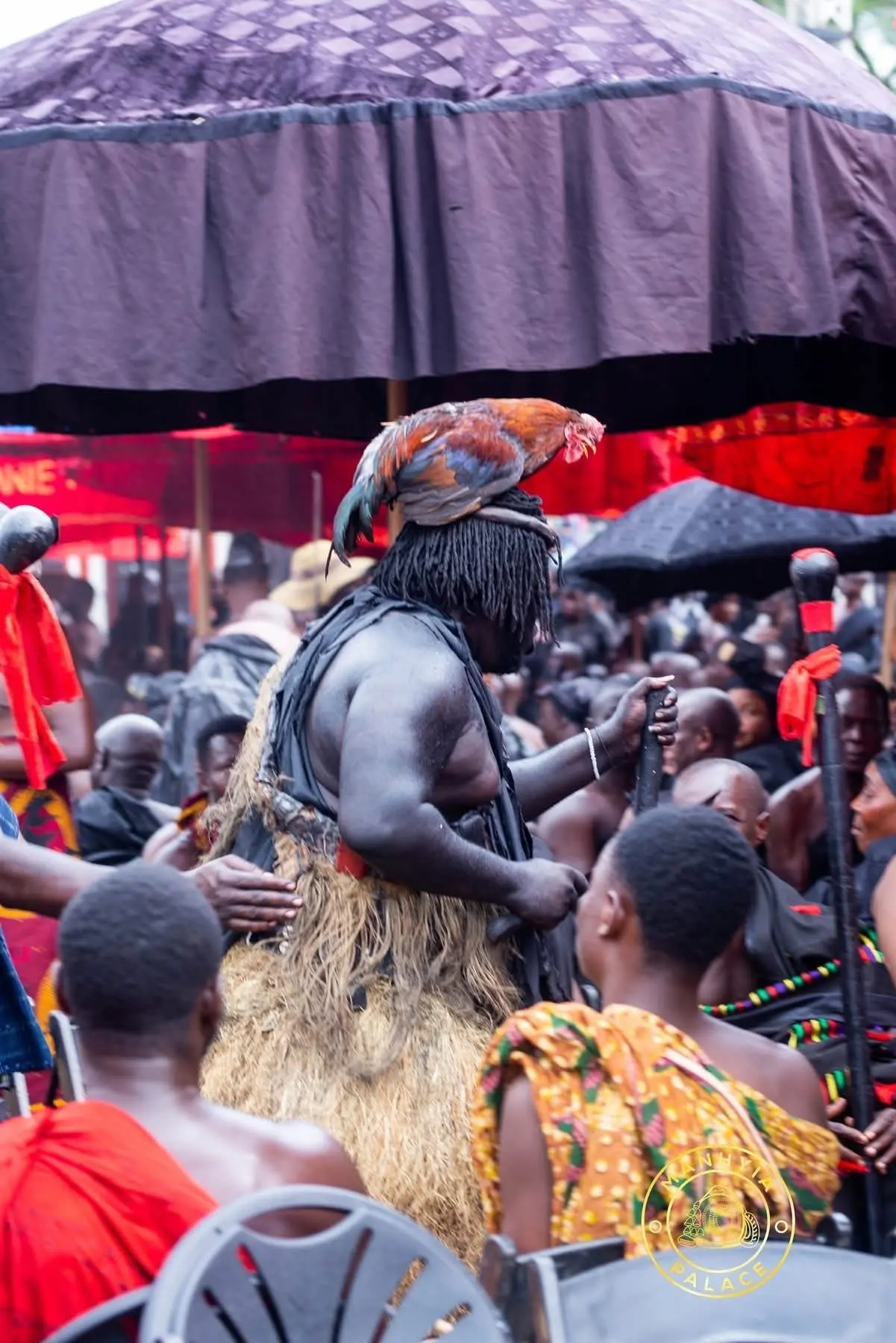
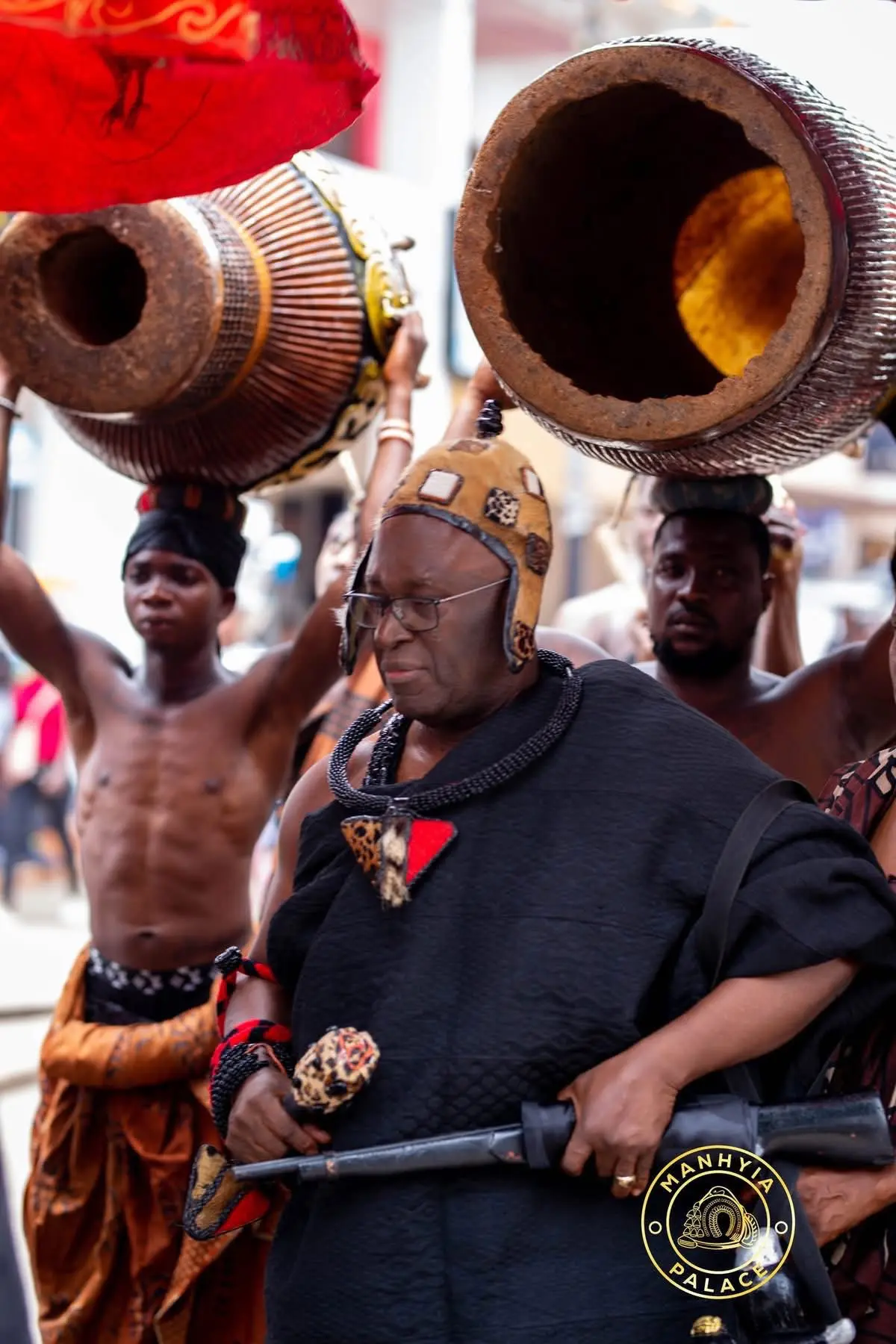
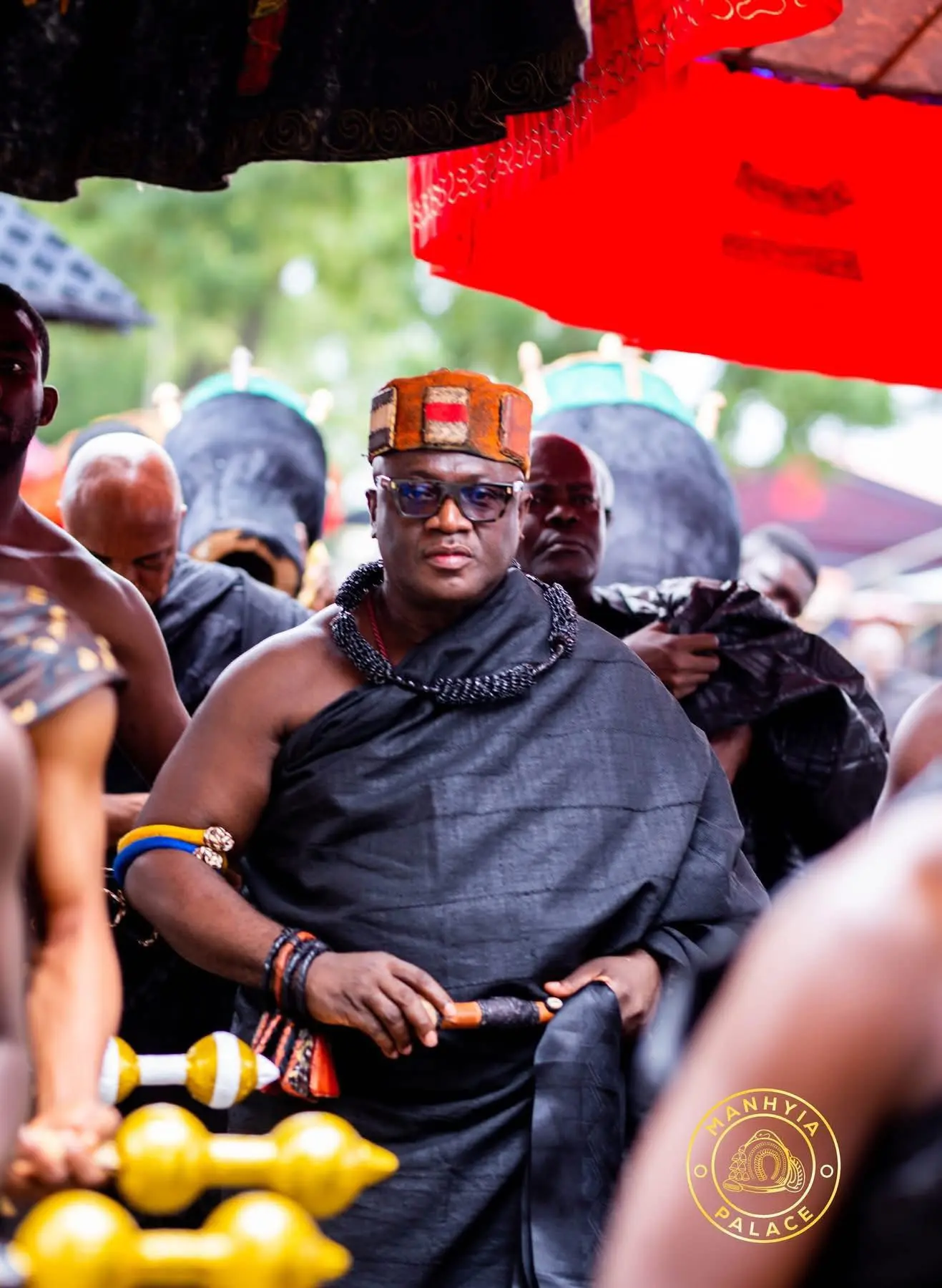
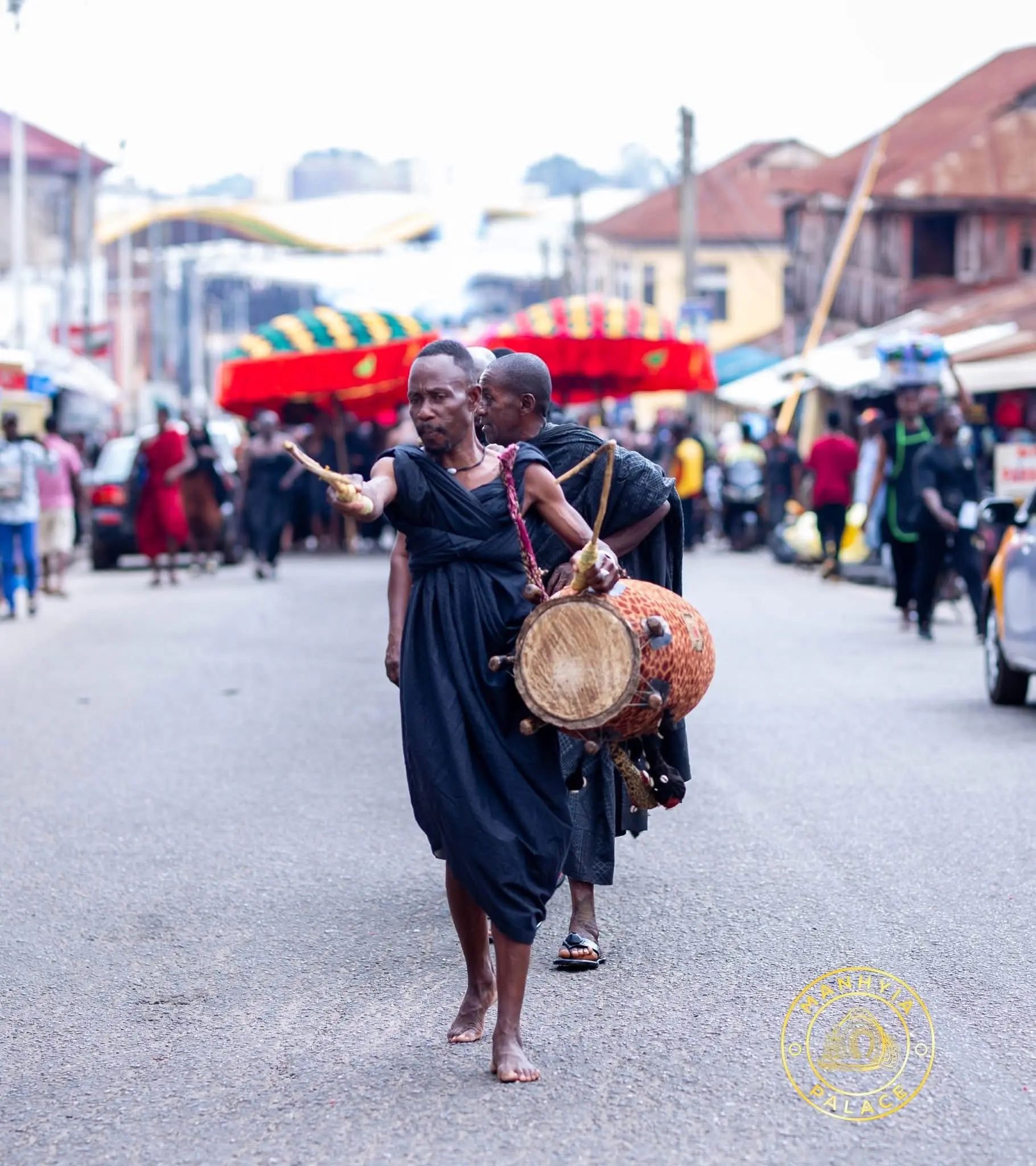
Otumfuo Osei Tutu II, Asantehene, sat in solemn state alongside Nananom, the council of chiefs, receiving condolences with the dignity befitting the lineage of Osei Tutu I. The air was thick with tradition,drums muted in mourning, cloths of black and red flowing like rivers of sorrow, and libations poured to honor the ancestors who now welcome their daughter home.
Among the mourners were statesmen and stewards of the republic: Former President John Agyekum Kufuor, whose presence reminded all of the enduring ties between governance and chieftaincy; Business magnate Dr. Kwaku Oteng, whose philanthropic reach echoes the Queen Mother’s nurturing spirit; Ashanti Regional Police Commander DCOP Emmanuel Teye Cudjo, and KMA Mayor Mr. Richard Ofori Agyeman, each representing the civic pillars that uphold the region’s peace and progress.
But the tribute extended beyond politics and protocol. Delegations came from Kwame Nkrumah University of Science and Technology (KNUST), whose scholars owe their legacy to the cultural stability she helped preserve; from Freemasonry, SIC Insurance Plc, Knights and Ladies of Marshall, Total Energies, Volta River Authority, and the Ghana Education Service (GES), a mosaic of institutions that reflect the Queen Mother’s influence across sectors and generations.
They came not just to mourn, but to honor. To remember the woman who sat behind the scenes yet shaped the throne. Who whispered wisdom into the ears of kings and carried the burdens of queens. Who held the Ashanti stool not with power, but with purpose.
As the rites unfold, through dirges, rituals, and sacred observances, the nation watches, not with despair, but with reverence. For in the passing of Nana Konadu Yiadom III, we are reminded of the strength of womanhood, the sanctity of tradition, and the unbroken thread that binds our past to our future.
She sleeps now, not in silence, but in song. The drums will rise again. The people will dance again. But for these four days, Asanteman bows!






Sankofaonline