
By Joseph Ahiaku
For a nation weary of corruption yet clinging to the hope of reform, the office of the Special Prosecutor, OSP , was initially heralded as a beacon of justice, a guardian sworn to defend the people’s voice and safeguard the integrity of governance. Today, however, its conduct stands in jarring contradiction to that noble mandate, casting shadows where light was promised.
A Sword Turned Inward
The OSP was conceived as Ghana’s gleaming sword of accountability, an independent champion forged to cut through the Gordian knot of entrenched corruption. It was meant to be immune to political interference, a beacon of integrity in our Fourth Republic.
Yet recent events suggest that this sword is dangerously turning inward. Instead of slashing corruption, it now threatens to decapitate freedom of speech, the very lifeblood of democracy.
The Arrest of a Critic
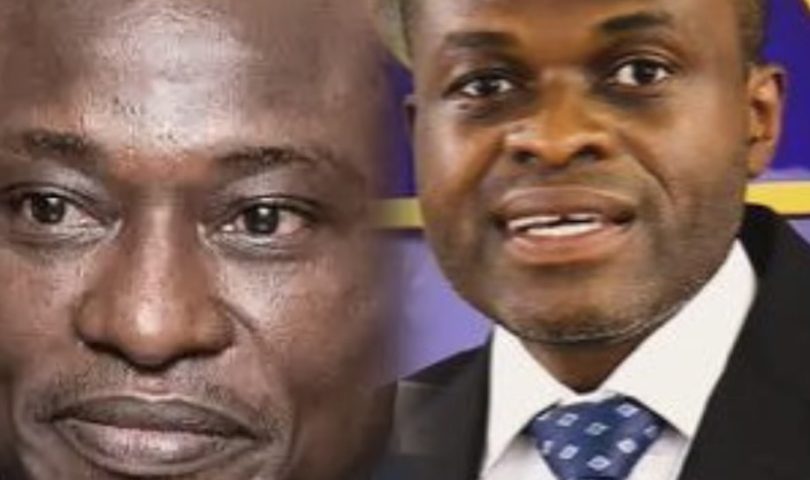
Private legal practitioner and anti-corruption crusader Martin Kpebu publicly alleged that the OSP, under Mr. Kissi Agyebeng, was shielding former Finance Minister Ken Ofori-Atta from proper accountability. He went further, branding the OSP “corrupt and incompetent.”
The response was deeply troubling: Mr. Kpebu was arrested, detained, and interrogated,not for corruption, but for the mere exercise of speech. His subsequent release by the OSP, absent any substantiated charges, underscored the lack of a legitimate case.
This raises a fundamental question: On what legal or moral basis does a prosecutor wield his power to intimidate a citizen who merely accuses him of incompetence?
The Unconstitutional Merger of Bench and Bar
The OSP is mandated to investigate and prosecute corruption offences. But in this case, Mr. Kpebu was accused of nothing more than his boldness of expressing his opinions .
By investigating its own critic, the OSP abandoned impartiality and assumed the dual role of prosecutor and judge. It unilaterally declared criticism an offence, investigated its accuser, and set the terms of engagement.
This is not justice,it is self-vindication cloaked in state power. The Special Prosecutor cannot be both referee and player in the same match. Such blurring of lines is the very definition of arbitrary authority.
The Chilling Effect: Speak at Your Peril
The greater danger lies in the chilling effect on public discourse. What message does this send to journalists, whistleblowers, or ordinary citizens?
The message is unmistakable: “Speak out at your peril.”
If a seasoned lawyer like Martin Kpebu can be dragged into interrogation for dissent, what hope does the market trader or civil servant have? Instead of cultivating trust and encouraging disclosures, the OSP risks replacing the public square with the silence of detention.
This is a direct assault on Article 21 of the 1992 Constitution, which guarantees freedom of speech and expression.
Misplaced Priorities: A Tale of Two Speeds
The OSP’s zeal in pursuing Mr. Kpebu contrasts sharply with its perceived sluggishness in handling high-profile corruption cases.
The optics are devastating: protecting institutional reputation appears to take precedence over prosecuting grand theft. An anti-corruption body that defends its honour faster than it prosecutes millions in lost public funds has a dangerously skewed moral compass.
A Call to Order
This is not about defending one man. It is about defending our collective right to demand accountability without fear. The OSP is not a monarchy; it is a statutory body answerable to the people.
Civil society, the Ghana Bar Association, the clergy, and the media must recognize this moment for what it is: a chilling precedent. If we normalize the use of investigative authority to silence critics, we sacrifice our democratic voice on the altar of institutional ego.
The Future of Accountability
The Office of the Special Prosecutor is enjoined to immediately desist from any acts that amount to intimidation and to realign its operations with its lawful mandate of investigating and prosecuting corruption-related offences. Should the Office fail to confine itself to this statutory duty, lawful processes for its removal from office ought to be invoked.
Ghanaians must demand independence, impartiality, and humility from institutions built to serve us. The future of genuine accountability depends on our courage to speak truth to power, even when power threatens to arrest us for it.