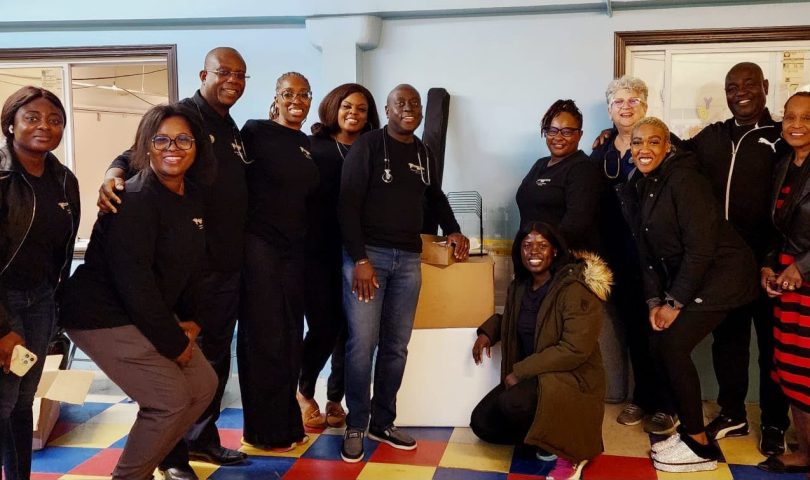

By Dr. Eunice Cromwell, DNP, FNP-C
Chief Operating Director, Ghanaian Community Health Clinic
Community health clinics play a vital role in improving access to care, especially for underserved, immigrant, and culturally diverse communities. For many individuals and families, a community clinic may be the first place they feel seen, heard, respected, and understood. This is especially important in communities where language, culture, financial limitations, lack of insurance, immigration concerns, or mistrust of the healthcare system may prevent people from seeking timely care.
The Ghanaian Community Health Clinic was created to help bridge that gap by providing culturally competent, compassionate, and accessible healthcare services. Culturally competent care is not simply about speaking the same language or sharing the same background. It means understanding the beliefs, values, foods, family structures, health practices, and lived experiences that shape how patients view illness, treatment, prevention, and healing. When patients feel understood, they are more likely to seek care, follow treatment plans, ask questions, and return for follow-up.
However, running a clinic requires more than goodwill. Healthcare must be treated with dignity, structure, accountability, and professionalism. A clinic is not just a name on paper or a project to claim ownership over. It is a healthcare environment where real people come with real medical concerns, and where the decisions made can directly affect their health, safety, and outcomes.
For a community health clinic to operate responsibly, it must have the basic necessities required for safe and effective care. This includes appropriate clinical supplies, equipment, documentation systems, policies and procedures, medication safety processes, referral pathways, infection control measures, patient privacy protections, and malpractice insurance. Malpractice insurance is especially important because it protects the healthcare professionals and volunteers who give their time and expertise to serve the community. Providers should not be placed in vulnerable positions while trying to help others.
Equally important is the need for experienced leadership. A clinic should be operated by individuals who understand healthcare delivery, patient care standards, compliance, documentation, risk management, staffing, and clinical operations. While community support is valuable, healthcare operations should not be placed in the hands of individuals who do not understand what it takes to safely and ethically run a clinic.
Healthcare professionals bring more than clinical knowledge. Many also have experience in leadership, administration, quality improvement, patient safety, workflow development, policy implementation, and community health planning. Their involvement in operations is essential because they understand both the patient care side and the systems needed to support that care. This level of experience helps ensure that the clinic is not only serving people, but serving them properly.
There is also a strong need for individuals with healthcare administration, clinic management, public health, nursing leadership, medical operations, billing, compliance, pharmacy, laboratory coordination, and nonprofit healthcare experience to be involved in the operation of community clinics. Passion is important, but passion alone is not enough. Clinics require structure, accountability, and knowledgeable leadership.
As the Ghanaian Community Health Clinic continues to grow, we have reached a point where it is necessary to build and operate the clinic in a more formal, sustainable, and professionally guided way. This includes ensuring that the right people are in the right roles, that policies are followed, that providers are protected, and that the community receives care in an environment that reflects excellence, safety, and respect.
Community health is sacred work. It should never be reduced to titles, politics, or appearances. It must be centered on patients, guided by qualified professionals, and supported by systems that protect both the people receiving care and the people providing it.
The goal is not simply to say we have a clinic. The goal is to operate a clinic that is safe, trusted, culturally responsive, professionally managed, and worthy of the community it serves.
Health is wealth — and the work of protecting health must be handled with the seriousness, dignity, and expertise it deserves.