

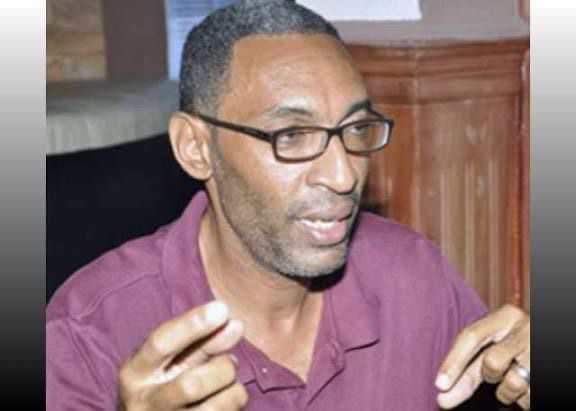

Sekou Nkrumah, the son of Ghana’s first President, Osagyefo Dr. Kwame Nkrumah, has attributed the genesis of the protracted Bawku conflict to his father’s political maneuvers during the early post-independence era.
Speaking in a recent interview on Accra-based Asaase FM, Sekou alleged that the age-old chieftaincy dispute between the Mamprusi and Kusasi ethnic groups was not a natural occurrence but rather the result of deliberate political interference by the Convention People’s Party (CPP) government.
According to him, the Nkrumah administration dismantled the colonial-era traditional authority system and replaced it with a parallel structure designed to consolidate political power rather than preserve local customs and traditions.
Referencing the historical account “The Bawku Chieftaincy Dispute: History, Legitimacy and Political Interference,” Sekou explained that while colonial authorities maintained a single recognized traditional authority to ensure regional stability, his father’s government disrupted this arrangement shortly after 1957.
He claimed that the installation of a rival chief at the time created two competing claims to the Bawku skin, which ultimately entrenched the divisions seen today. The conflict, which centers on the occupancy of the Bawku skin and its paramountcy over the traditional area, has led to numerous deaths and recurring instability in the Upper East Region for decades.
The historical tension involves the Kusasis, who are recognized as the indigenes of the traditional area, and the Mamprusis, who assert a historical presence dating back to the 17th century. While the conflict dates as far back as the 1930s, the current legal and governmental recognition remains with Naba Asigri Abugrago Azoka II, who was enskinned in 1984.
Recent peace efforts have been led by the Asantehene, Otumfuo Osei Tutu II, whose mediation committee recently presented a final report to the government.
President John Mahama, who accepted the findings of the Asantehene’s report, has underscored his administration’s commitment to restoring lasting peace in the township.
Following a visit to the troubled area just one week after his January 2025 inauguration, the President described the resolution of the Bawku conflict as a top national priority.
The government is now expected to implement the recommendations of the mediation report to reconcile the feuding factions and stabilize the traditional governance of the area.
President Mahama arrives in Bawku for peace mission.
