


By Fuvi Kloku | Sankofaonline
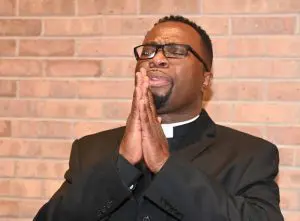
The recent exchange between Rev. Isaac Owusu Bempah and Pastor Mensa Otabil has reignited one of Christianity’s oldest debates , the tension between prophetic revelation and doctrinal teaching. Their disagreement, though theological, exposes a deeper question about the nature of spiritual authority in Ghana’s modern church: Can prophecy coexist with reasoned faith, and can either claim verifiable truth?
The Core of the Dispute
Pastor Mensa Otabil, known for his intellectual and reformist approach to Christianity, challenged the growing practice of believers “connecting to altars” rather than invoking the name of Jesus. His argument was clear: the Christian faith, rooted in Scripture, does not require intermediaries or mystical conduits. He warned that the obsession with “altars” and “prophetic mysteries” risks turning faith into superstition.
Rev. Owusu Bempah, Ghana’s most outspoken prophetic voice, responded sharply. He argued that Otabil’s teaching undermines the prophetic ministry , a divine office he insists remains active and essential. “The same God who gave you the teaching anointing,” he said, “gave us the prophetic anointing.” His rebuttal was not merely defensive; it was a declaration that revelation and prophecy are inseparable from the living experience of faith.
Faith Versus Evidence
At the heart of this clash lies a question that transcends personalities: Can prophecy be verified?
Otabil’s critique rests on the principle of verifiability , that truth must be consistent with Scripture and observable reality. Owusu Bempah’s defense, however, appeals to spiritual experience , that divine communication cannot be measured by human logic.
In academic theology, this divide mirrors the centuries-old conflict between empirical theology and charismatic revelation. Otabil’s stance aligns with the Reformation tradition that emphasizes sola scriptura , Scripture alone as the source of truth. Owusu Bempah’s position echoes Pentecostalism’s belief in continuing revelation , that God still speaks through chosen vessels.
The Modern Ghanaian Context
Ghana’s religious landscape amplifies this tension. Prophetic churches have become cultural institutions, shaping political discourse, social behavior, and even national expectations. Otabil’s call for doctrinal restraint challenges this influence, while Owusu Bempah’s defense of prophecy protects the spiritual identity of millions who see divine revelation as proof of God’s presence in daily life.
The argument, therefore, is not just theological , it is sociological. It reflects how Ghanaian Christianity negotiates modernity: between rational faith and experiential spirituality.
The Way Forward
For the church, the question is not whether prophecy or teaching should prevail, but how both can coexist without undermining each other. Otabil’s insistence on evidence and scriptural grounding is vital for doctrinal integrity. Owusu Bempah’s emphasis on divine encounter reminds believers that faith is not merely intellectual but relational.
If Ghana’s clergy can bridge this divide , affirming both revelation and reason , the outcome could strengthen the credibility of the church in a skeptical world.
Editorial Argument
Rev. Owusu Bempah’s challenge to Pastor Otabil raises a legitimate concern about inclusivity within the Body of Christ. Yet, unless prophecy can be supported by verifiable evidence ,either through fulfilled outcomes or scriptural consistency ,it risks being dismissed as emotional rhetoric. Otabil’s critique, though uncomfortable, invites accountability. In a time when spiritual claims shape public opinion and politics, such accountability is not opposition; it is necessary reform.

Well said. Both prophecy and scripture are the same, coming from the Holy Spirit. True Prophets understand this and seek to be scriptural in their prophecies, and true Teachers of the scriptures seek to be led by the Spirit of prophecy in their scriptural teachings, giving a word in season.
Thanks