
By Sankofaonline News Desk
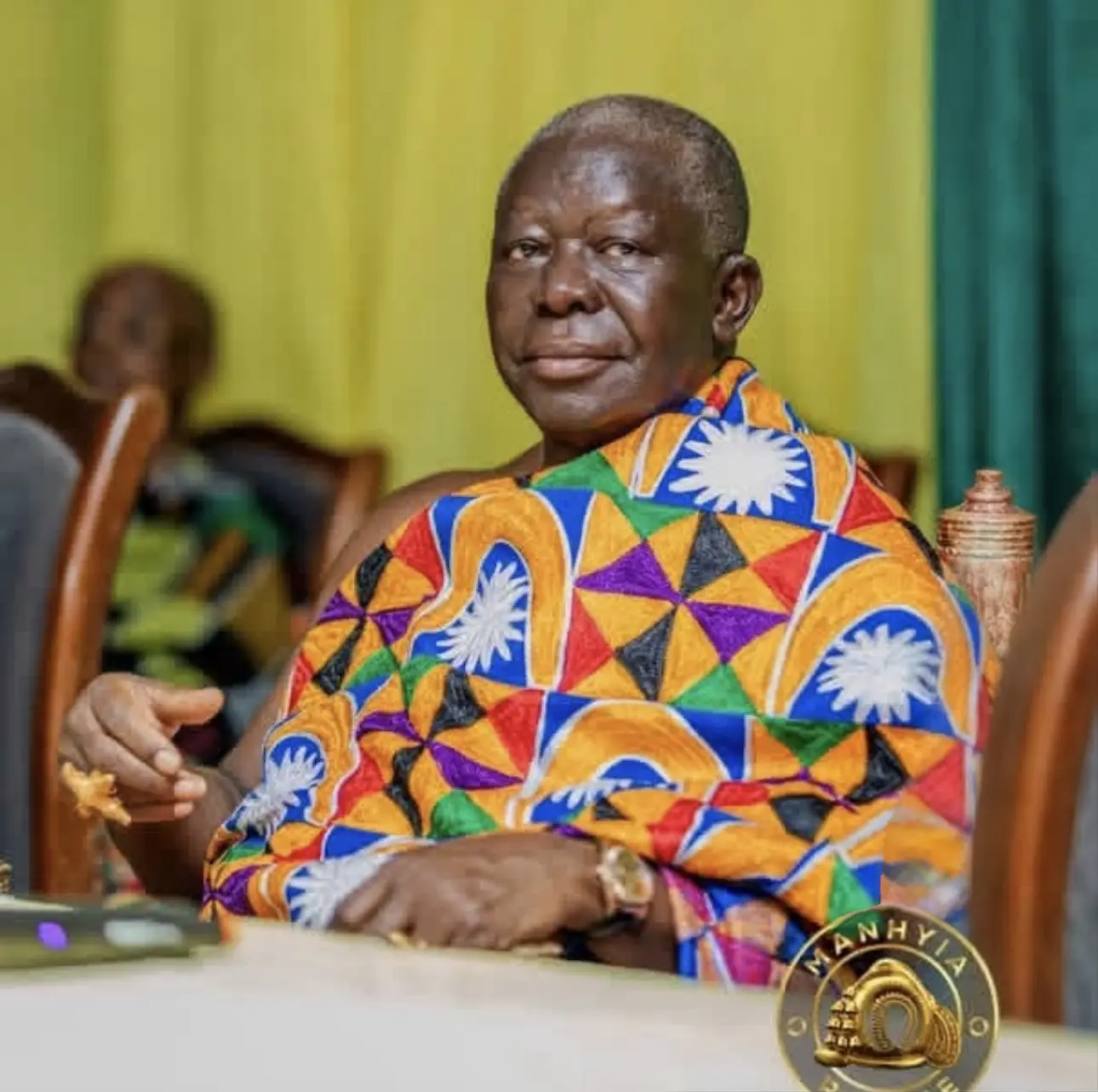
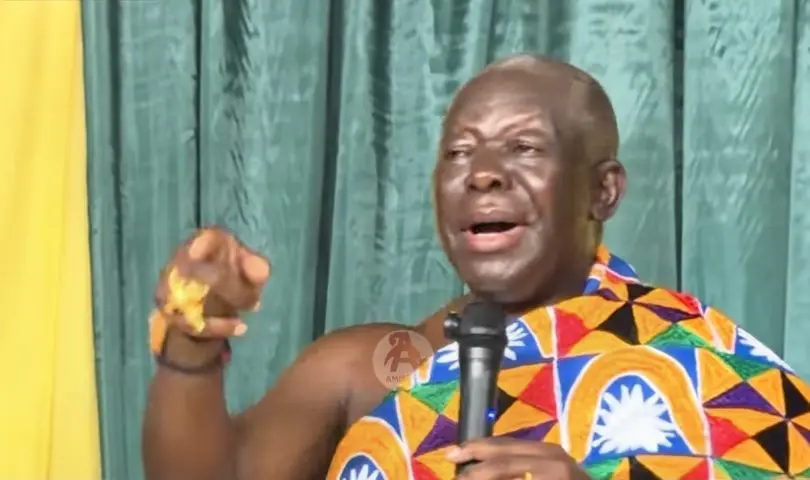
SEKONDI-TAKORADI, GHANA: The Asantehene, Otumfuo Osei Tutu II, has issued one of the strongest and most consequential calls for reform within Ghana’s traditional leadership system in recent years, warning that the chieftaincy institution risks becoming irrelevant if it fails to address the aspirations and economic challenges confronting the nation’s youth.
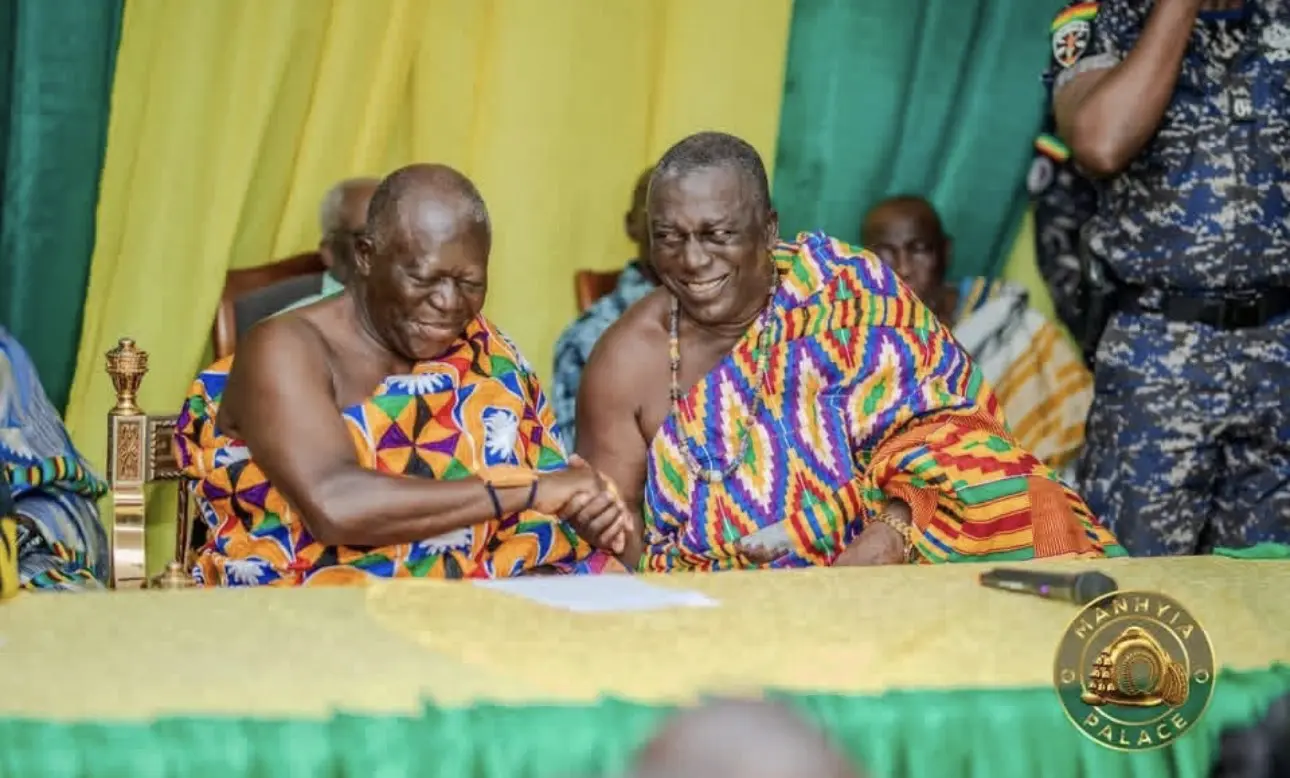
Speaking during a high-profile visit to the Western Regional House of Chiefs in Sekondi, the revered monarch challenged traditional rulers across the country to move beyond ceremonial status and reposition themselves as active agents of development, job creation, and accountability.
Backing his words with action, Otumfuo presented a GH₵200,000 donation to support the administrative operations of the Western Regional House of Chiefs, underscoring his commitment to strengthening traditional governance institutions.
A Stark Warning About the Future of Chieftaincy
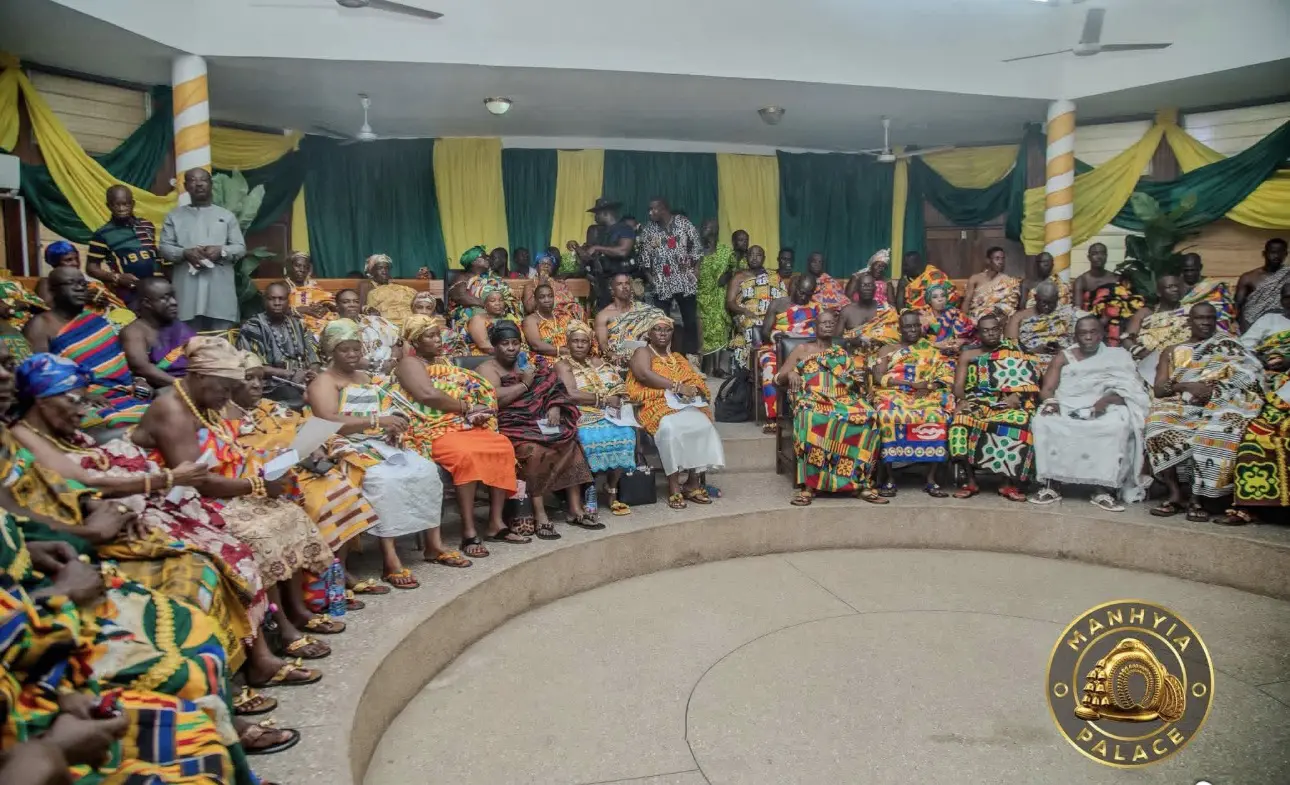
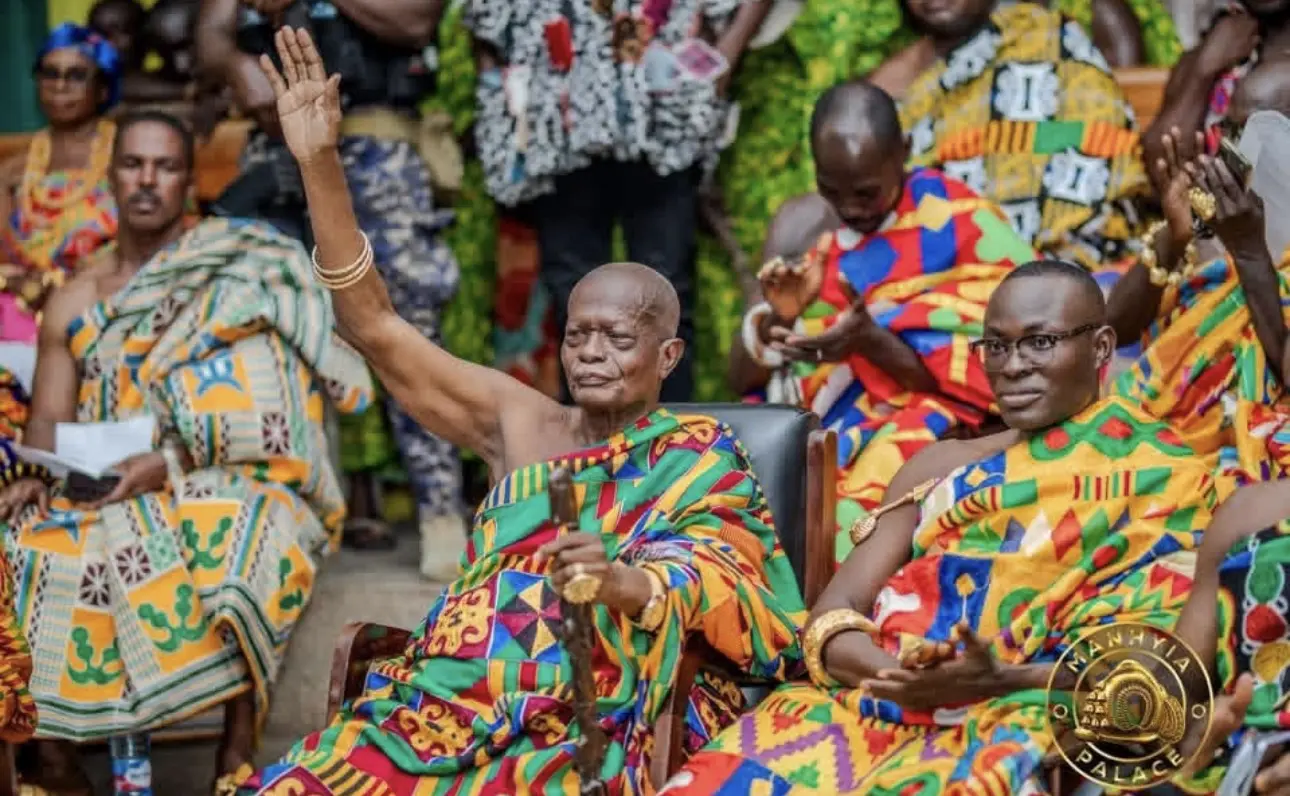
Addressing a gathering of paramount chiefs and queenmothers adorned in vibrant traditional regalia, the Asantehene delivered a candid assessment of the challenges facing the institution of chieftaincy in modern Ghana.
According to him, the survival of traditional authority will not depend on royal symbols, historic titles, or elaborate ceremonies, but on its ability to remain relevant to the lives of ordinary people, particularly young men and women struggling to secure employment and economic opportunities.
“If the young men and women do not see our usefulness in their lives, tomorrow the chieftaincy institution will collapse,” Otumfuo warned.
The Asantehene acknowledged that chiefs may not control national budgets or possess the resources required to establish major industries. However, he insisted that they must take a proactive role in attracting investment, facilitating development partnerships, and creating opportunities capable of improving livelihoods within their traditional areas.
His message was clear: chiefs cannot afford to be passive spectators while unemployment and social frustrations continue to grow among the youth.
“Stop Chasing Politicians”
In one of the most striking moments of his address, Otumfuo criticized what he described as a growing tendency among some traditional rulers to diminish the dignity of their stools by constantly seeking favors from political office holders.
He argued that the resources used by government to undertake development projects are generated through taxes paid by the very people chiefs represent. Consequently, traditional leaders should not be supplicants before politicians but respected stakeholders with the authority to demand accountability on behalf of their communities.
Rather than pursuing ministers and government officials for attention, he urged chiefs to summon them when necessary, question delays in development projects, and insist on results for their people.
The Asantehene also expressed concern about the current state of the National House of Chiefs, cautioning that the institution risks becoming little more than a discussion platform unless it regains its influence and relevance in national affairs.
To address this challenge, he announced plans for further engagements with the Western Regional House of Chiefs aimed at building consensus on reforms that would strengthen the voice and effectiveness of traditional leadership across Ghana.
A Visit Rooted in Brotherhood and Tradition
Otumfuo explained that his presence in the Western Region was linked to official engagements with Takoradi Technical University, which had long extended an invitation to him.
However, he emphasized that custom and tradition would not permit him to pass through the region without formally paying his respects to his fellow chiefs.
During the gathering, the Asantehene paid glowing tribute to several respected traditional leaders, including Nana Kobina Nketsia V, President of the Western Regional House of Chiefs and others whom he affectionately praised for remaining active and energetic at 84 years of age.
The monarch also reflected on longstanding friendships built over decades among traditional leaders, highlighting the importance of unity and mutual respect within the chieftaincy institution.
Culture, Celebration and Royal Splendour
Beyond the serious discussions, the event also showcased the richness of Ghanaian tradition and cultural heritage.
Queenmothers presented the Asantehene with customary gifts including cassava, plantain, garden eggs, smoked fish, tomatoes, and a ram, symbolizing respect, unity, and brotherhood between the Western Region and Asanteman.
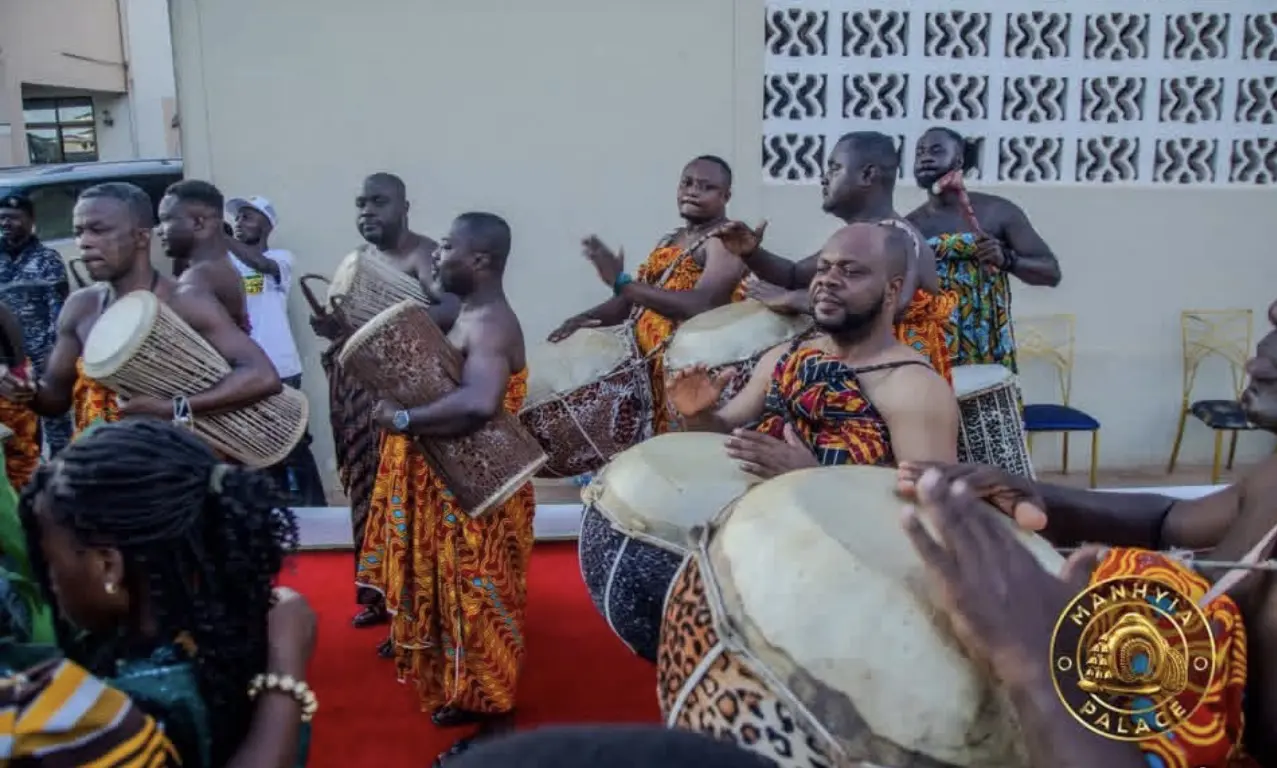
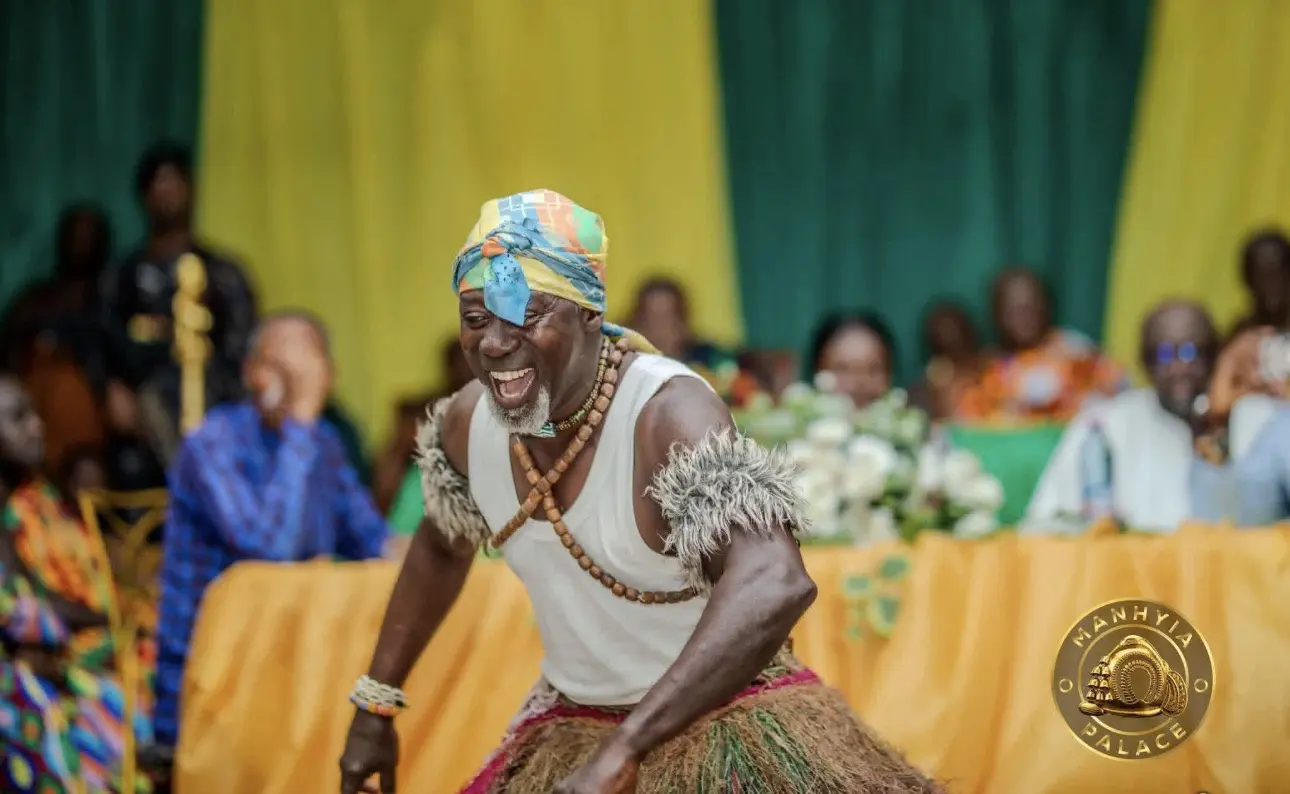
The gathering later transformed into a colorful cultural spectacle as traditional dance groups entertained guests. Powerful fontomfrom drumming and praise poetry echoed through the venue, invoking the memory of great Asante kings while offering prayers for peace, unity, and prosperity throughout Ghana.
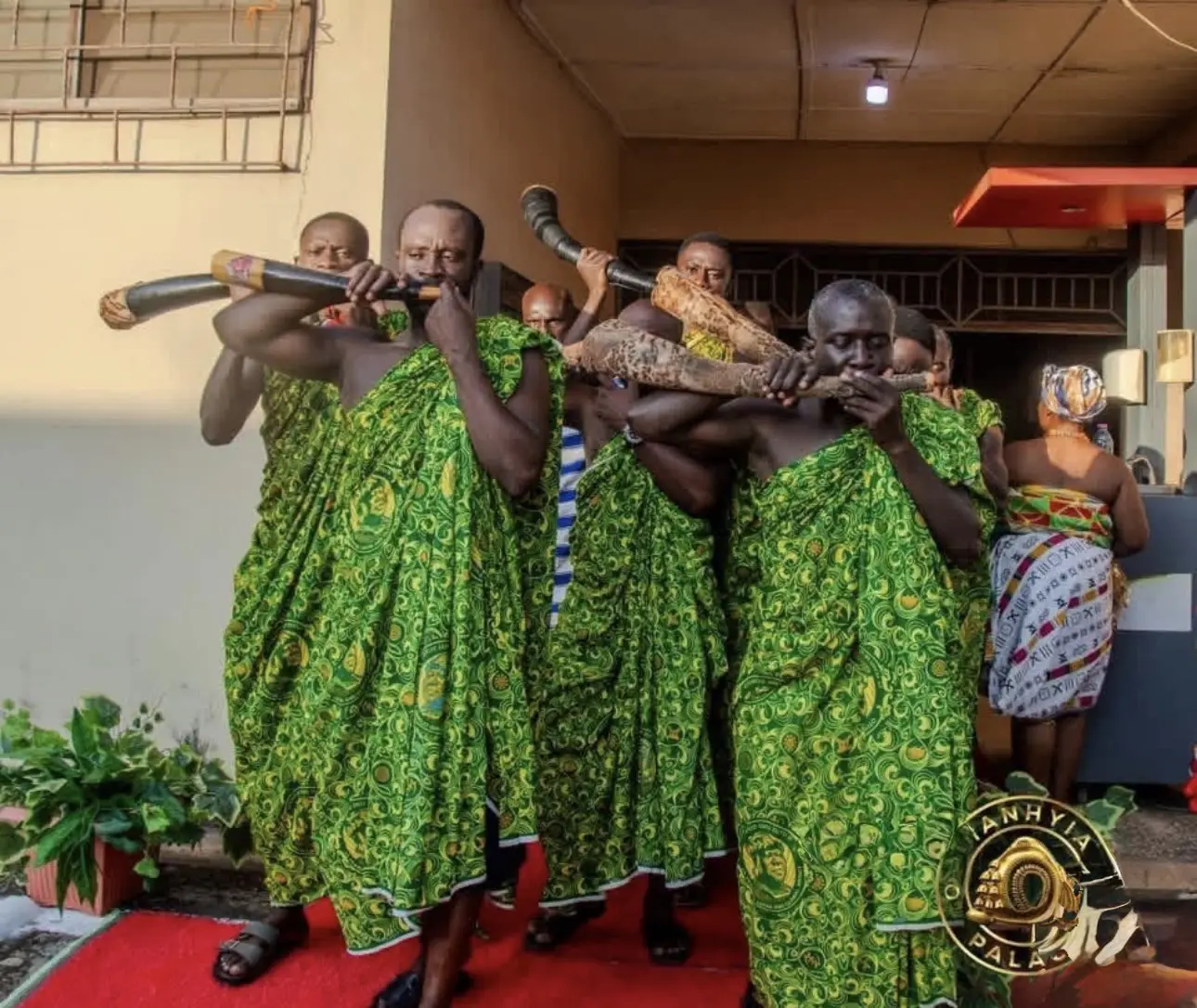
Following group photographs with members of the House, Otumfuo Osei Tutu II departed beneath the royal state umbrella amid ceremonial horn calls, bringing to a close a visit that many chiefs described as both historic and deeply thought-provoking.