


By Daniel Nii Okine
In a country where the weight of development is too often placed squarely and unfairly on the shoulders of central government, the unfolding story in Tanyigbe offers a refreshing reminder: progress is fastest when responsibility is shared. The recent reaffirmation of commitment by key stakeholders toward the construction of Tanyigbe’s inner roads is more than a local development update; it is a national lesson in collaborative leadership.
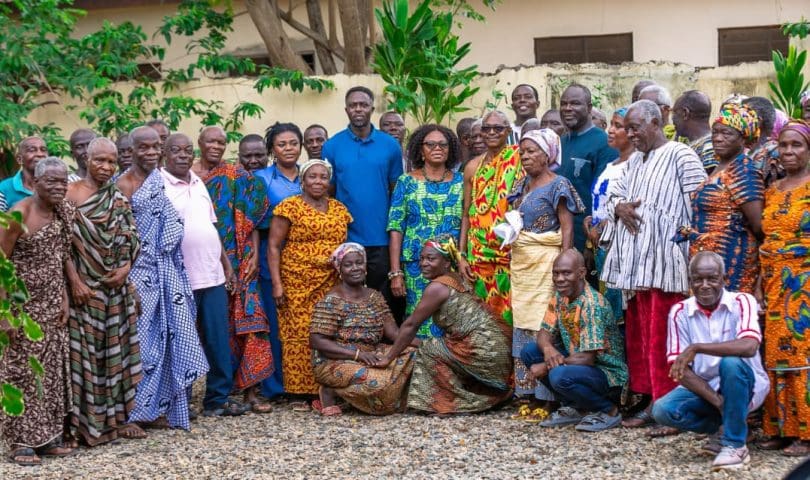
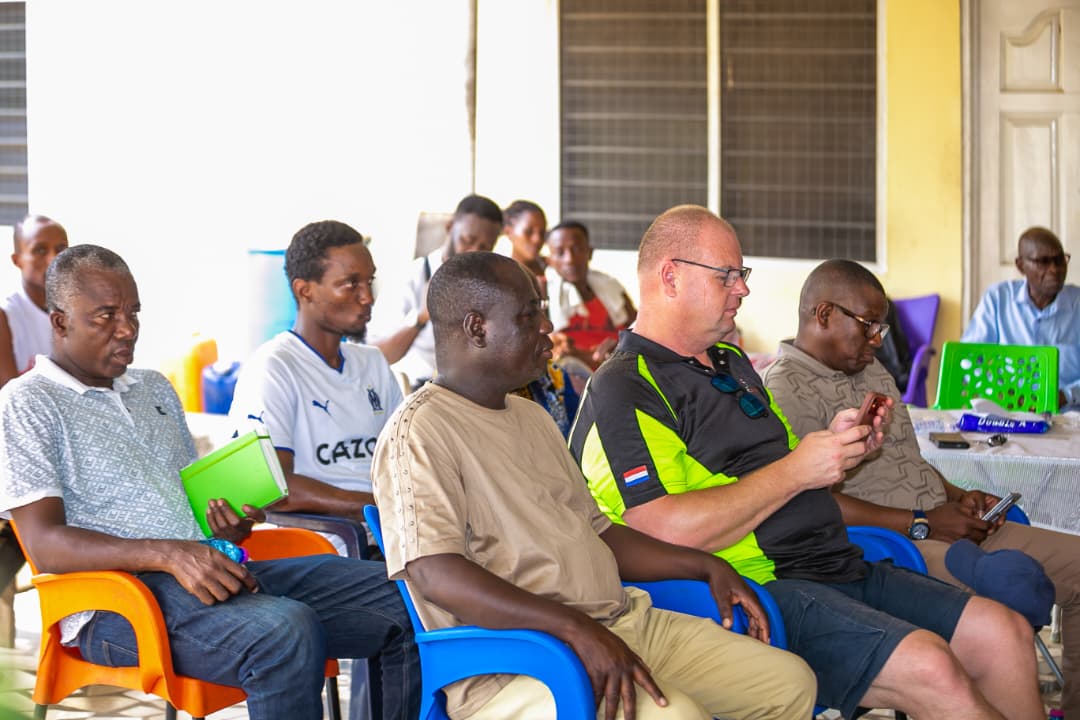
At the Palace of the Paramount Chief, Togbe Kodi Adiko VI, representatives of the Ho Municipal Assembly, the Tanyigbe Traditional Council, Bumecon Construction Limited, and the Assembly Member for the area converged not to trade blame or politicize development, but to align purpose. In today’s Ghana, that alone is worthy of applause.
The Ho Municipal Chief Executive, Stephen Adom, led the government delegation with clarity, emphasizing that infrastructure development is a national agenda, not a political season. His message was simple yet profound: government cannot and should not carry the burden alone. Development thrives when communities, traditional authorities, and private contractors stand shoulder to shoulder.
The Paramount Chief, Togbe Kodi Adiko VI, embodied this spirit of partnership. His assurance of full traditional support,peacebuilding, dispute resolution, and community mobilization—signals a leadership style rooted in responsibility, not entitlement. Traditional authorities are not passive observers; they are active custodians of development. The contractor, represented by CEO Eric Agbley, committed to delivering seven kilometres of inner roads within two years, with work already underway. What stands out is not the timeline but the openness to community engagement, respect for local concerns, and willingness to employ local labour where possible. This is development with a human face.
Ghana’s development challenges are not due to a lack of vision. They stem from a culture where too many wait for government to do everything. Roads, water systems, schools, sanitation—every demand is directed upward, rarely sideways. Yet the Tanyigbe example shows that when stakeholders unite, the pressure on government eases, timelines shorten, and accountability strengthens. This is not about shifting responsibility away from government; it is about accrediting development properly and recognizing that progress is a shared duty. When chiefs, assemblies, contractors, engineers, and residents all take ownership, government’s role becomes more strategic and less burdensome.
The involvement of Ghana Water Limited, led by engineer Salifu Ameen, further demonstrates the power of coordinated action. After more than five years of disrupted water supply, the team is set to repair the faulty pump at Akoefe and restore water to Tanyigbe within 10 to 14 days. This is the kind of responsiveness communities deserve. The Paramount Chief’s invitation to Mr. Ameen to attend the Tanyigbe Yam Festival in September is more than courtesy—it is a symbolic embrace of partnership. Development is not transactional; it is relational.
Stakeholders expressed optimism that the inner roads project will reduce dust, improve transportation, and boost economic activity. But the deeper victory lies in the process, not the asphalt. Tanyigbe has shown that development is most sustainable when it is co-owned. If every community adopted this model,where chiefs lead with vision, assemblies act with transparency, contractors work with integrity, and residents participate with responsibility,the nation’s development trajectory would shift dramatically.
Government cannot build Ghana alone. But with communities like Tanyigbe lighting the path, it certainly doesn’t have to.

A great step in the right direction. Kudos to the Chiefs and people of Tanyigbe, and all leading the development agenda both home and abroad.
#TanigbeRising