
By Francis Kuegbesika , Accra.
The uproar surrounding Ghana’s cocoa sector in recent weeks did not emerge from thin air. It is the predictable result of a contracting system that locked the country into fixed forward‑sale prices at the very moment the global market was shifting beneath our feet. Today, Ghana Cocoa Board (COCOBOD) finds itself unable to pay farmers on time, buyers are pulling back, and the nation is once again asking a familiar question: How did we get here?
To be fair, COCOBOD’s forward‑sale strategy is not new. For decades, Ghana has sold a significant portion of its cocoa crop in advance to secure syndicated loans, stabilize revenue, and protect farmers from the volatility of global commodity markets. In principle, this model is sound. It gives the government predictable cash flow and shields farmers from sudden price collapses.
But the world of 2026 is not the world of 1996. And the rigidity of these contracts—written without adequate provisions for price shocks, supply disruptions, or market surges—has now collided with reality.
The result is a crisis that was avoidable.
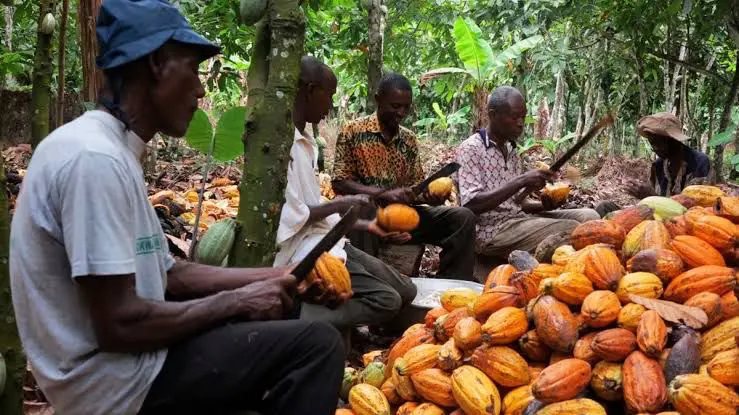
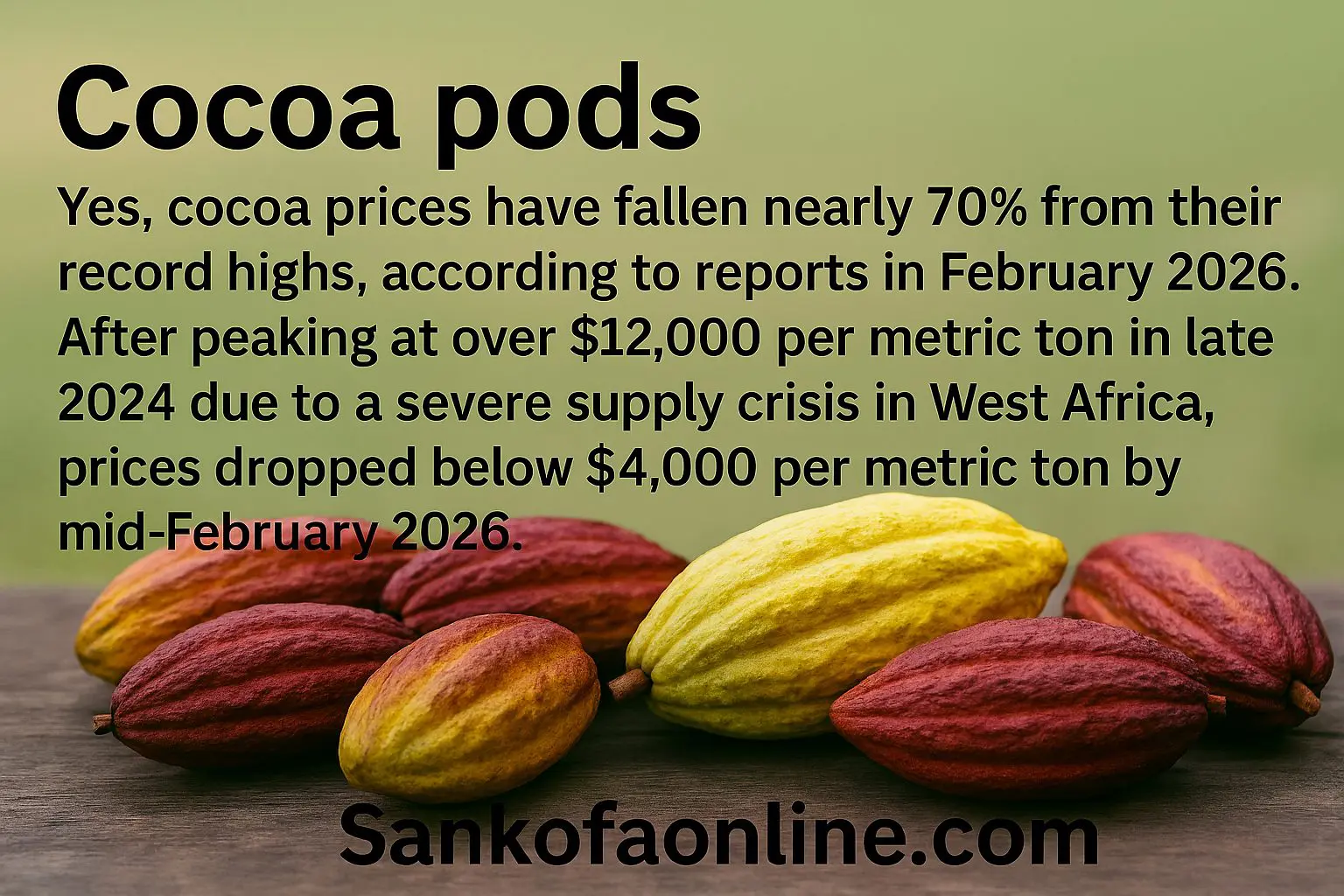
Ghana’s cocoa output has been declining due to disease, illegal mining, climate stress, and smuggling. At the same time, global cocoa prices have soared to historic highs. Yet Ghana cannot fully benefit because it pre‑sold much of its crop at older, lower prices. Buyers, seeing the mismatch between contracted prices and current market conditions, are hesitating. Farmers, hearing of record global prices, are furious that their own payments are delayed or do not reflect the boom. And the public is left wondering why the contracts did not anticipate the possibility of price drops or supply shortfalls within the same season.
This is where the real critique lies—not in the existence of forward contracts, but in the wisdom of locking in prices without flexible clauses that protect the nation when the market moves sharply.
Commodity‑dependent countries have long learned that the market is unforgiving. Prices rise and fall with geopolitical tensions, weather patterns, speculative trading, and global demand. Any contract that pretends otherwise is a contract written for a world that does not exist.
COCOBOD deserves some benefit of the doubt. The institution operates under immense pressure: it must secure loans, guarantee farmer payments, maintain international credibility, and manage a crop that is both the pride and backbone of the nation. It is easy to criticize from the outside. It is harder to balance the competing demands of farmers, financiers, and government expectations.
But even with that understanding, the current situation exposes a structural flaw. Ghana’s cocoa contracts were written for stability, not agility. They assumed predictable harvests, predictable prices, and predictable buyers. None of those assumptions hold today.
A modern commodity contract must include:
- Price‑adjustment clauses that trigger when global prices move beyond a defined threshold
- Volume‑flexibility provisions that account for crop shortfalls
- Renegotiation windows tied to market volatility
- Risk‑sharing mechanisms between COCOBOD and buyers
- Farmer‑indexed pricing models that ensure producers benefit when the market surges
These are not radical ideas. They are standard tools used by commodity‑exporting nations that refuse to be trapped by their own paperwork.
Ghana cannot continue to operate as though cocoa is a static product in a static world. The global market is evolving faster than our contracts. And when the contracts fail to evolve, the consequences fall hardest on the farmer—the very person the system was designed to protect.
The current crisis should not be dismissed as a temporary embarrassment. It is a warning. A nation that depends on cocoa for billions in revenue cannot afford to be caught flat‑footed by its own agreements. The world is watching, investors are watching, and most importantly, farmers are watching.
COCOBOD must treat this moment as a turning point. Not a scandal to be managed, but a lesson to be learned. Ghana needs a new generation of cocoa contracts—flexible, market‑responsive, and built for the realities of a volatile global economy.
If we fail to adapt, we will repeat this cycle again. And each time, the cost will be borne not by the boardrooms where the contracts are signed, but by the farmers whose sweat sustains the nation.
Sankofaonline will continue to follow this developing story as Ghana confronts the urgent need for reform in its most iconic industry.