


By Sankofaonline News Desk
….From airport extortion crackdowns and land registration delays to dual citizenship, digital government integration, and youth internships, Ghana’s top envoy and Embassy officials faced nearly 30 minutes of unfiltered questions at the University of Chicago campus, then stayed behind to personally meet attendees whose questions never reached the microphone or never got answered at the time period.
CHICAGO, Illinois — November 15, 2026: When Ghana’s Ambassador to the United States, H.E. Ambassador Victor Emmanuel Smith, opened the floor for questions at the Charles M. Harper Center of the University of Chicago Booth School of Business on Friday, November 13, the audience wasted little time getting to the issues that matter most when it got to their turn to ask auestions.
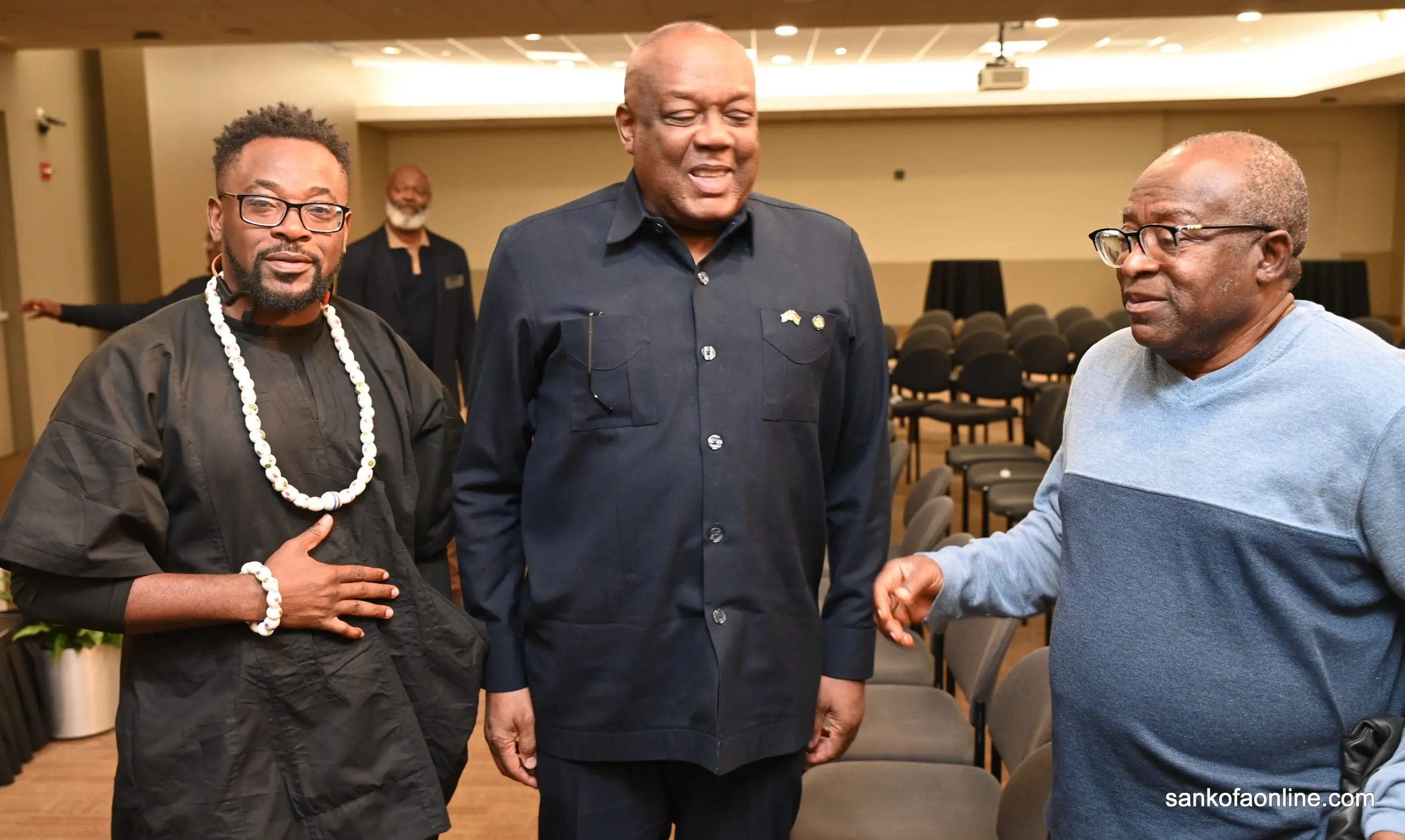
What began as a town hall meeting during the Ambassador’s high-profile working visit to Chicago quickly evolved into a rare and remarkably candid public dialogue between Ghana’s diplomatic leadership and members of the diaspora.
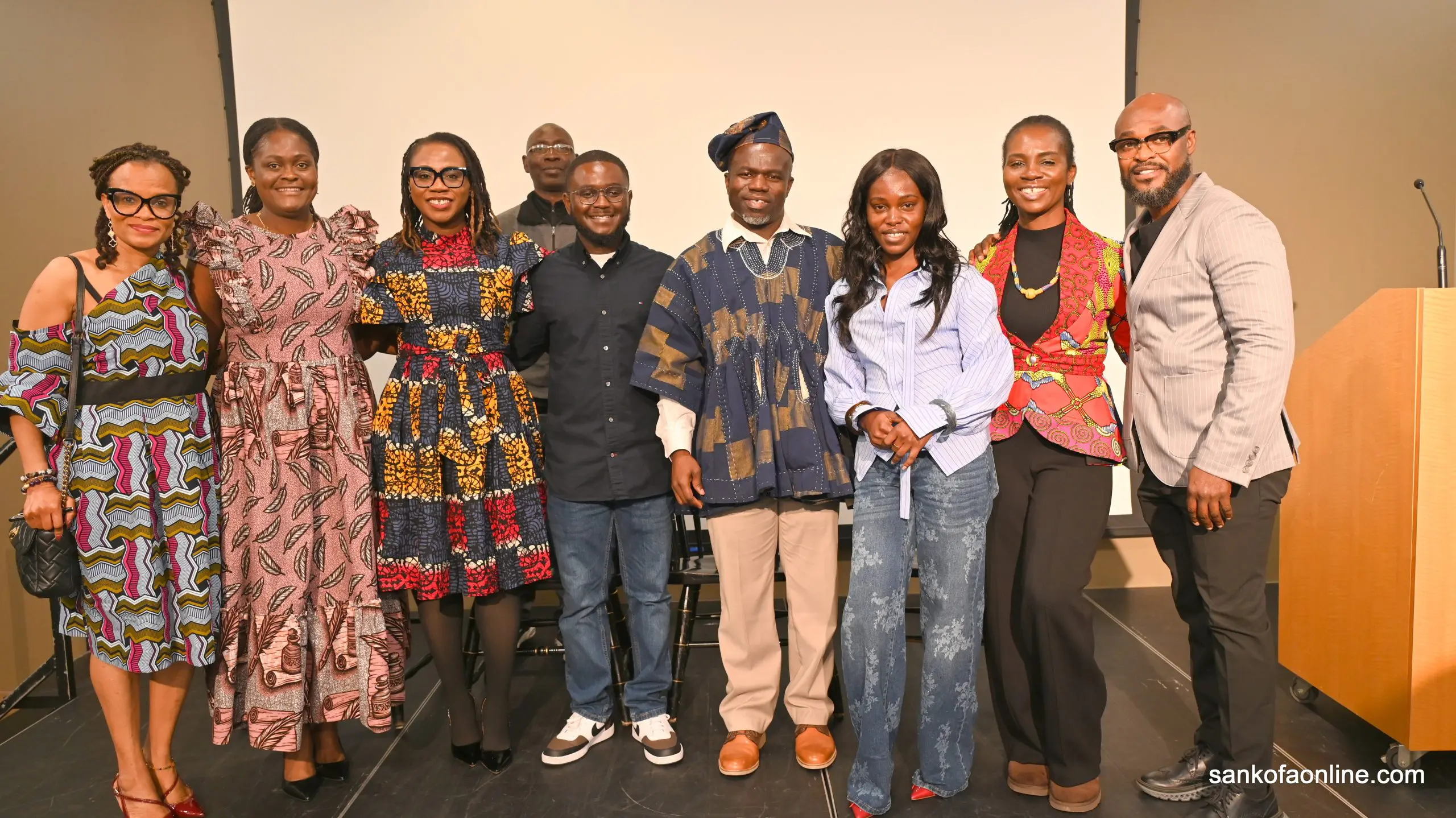
Hosted in partnership with the Ghana National Council (GNC) of Metropolitan Chicago and UChicago Booth Africa, the event brought together professionals, entrepreneurs, researchers, students, investors, and community leaders from across the Midwest.
Captured in full by Sankofaonline cameras, the nearly 45 minute question-and-answer session became one of the most wide-ranging diaspora discussions in recent memory, touching on everything from investor confidence and airport corruption to digital government reform, citizenship rights, land administration, renewable energy investment, and youth engagement.
Yet it was what happened after the formal program ended that would leave the strongest impression.
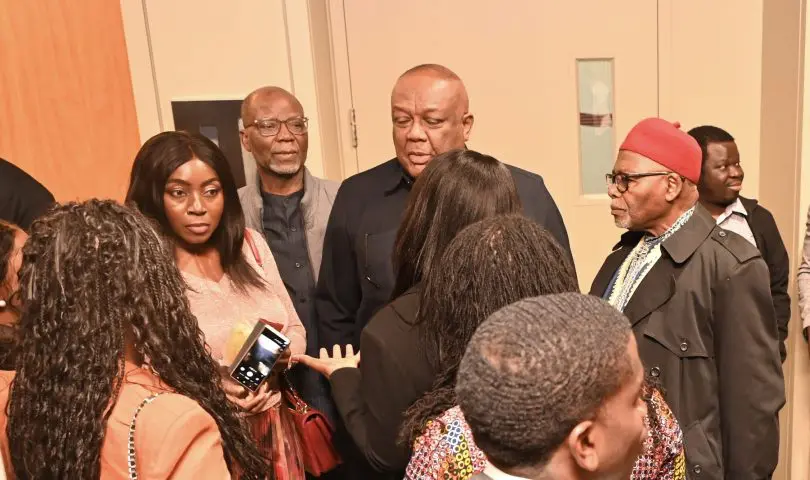
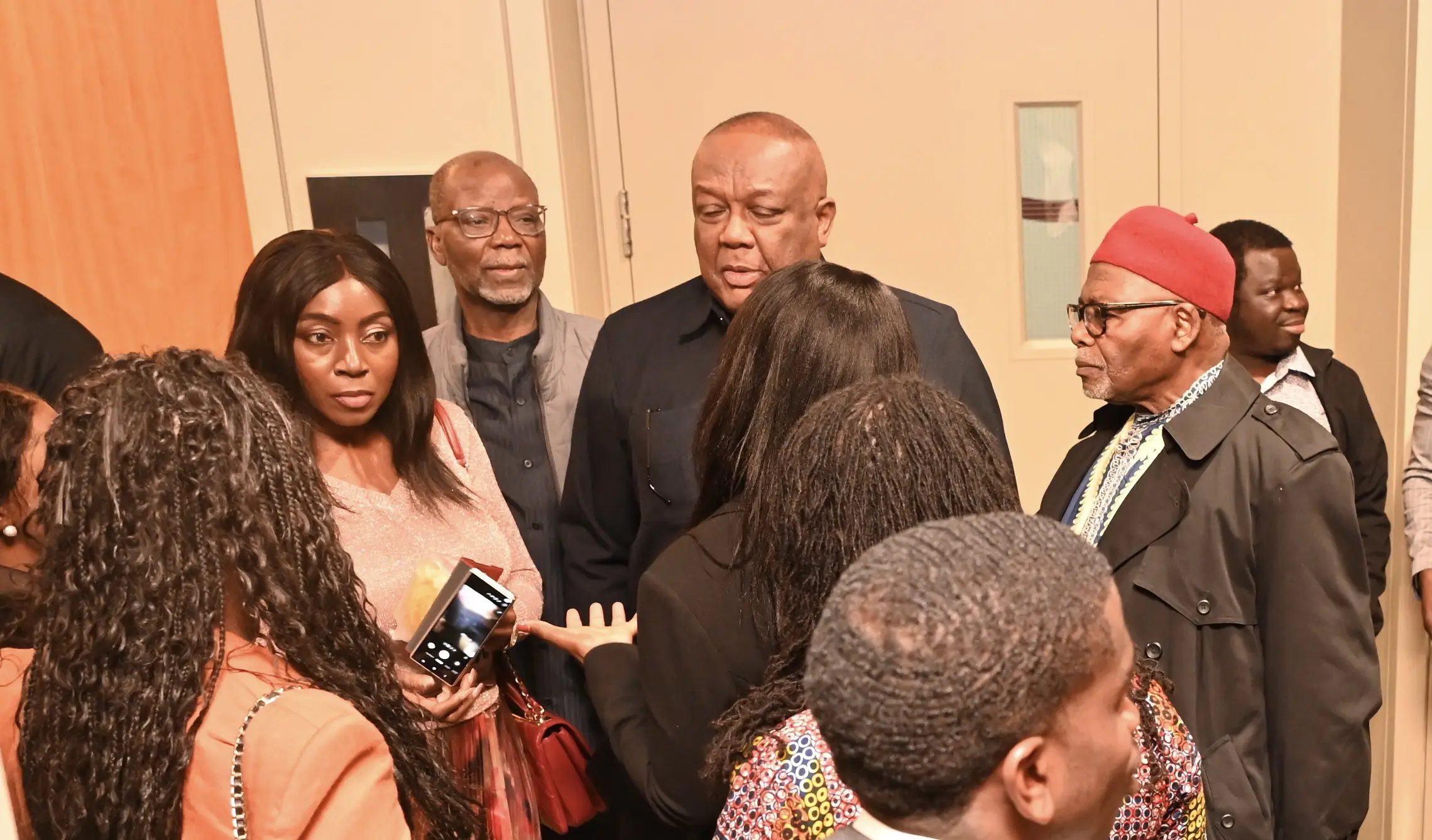
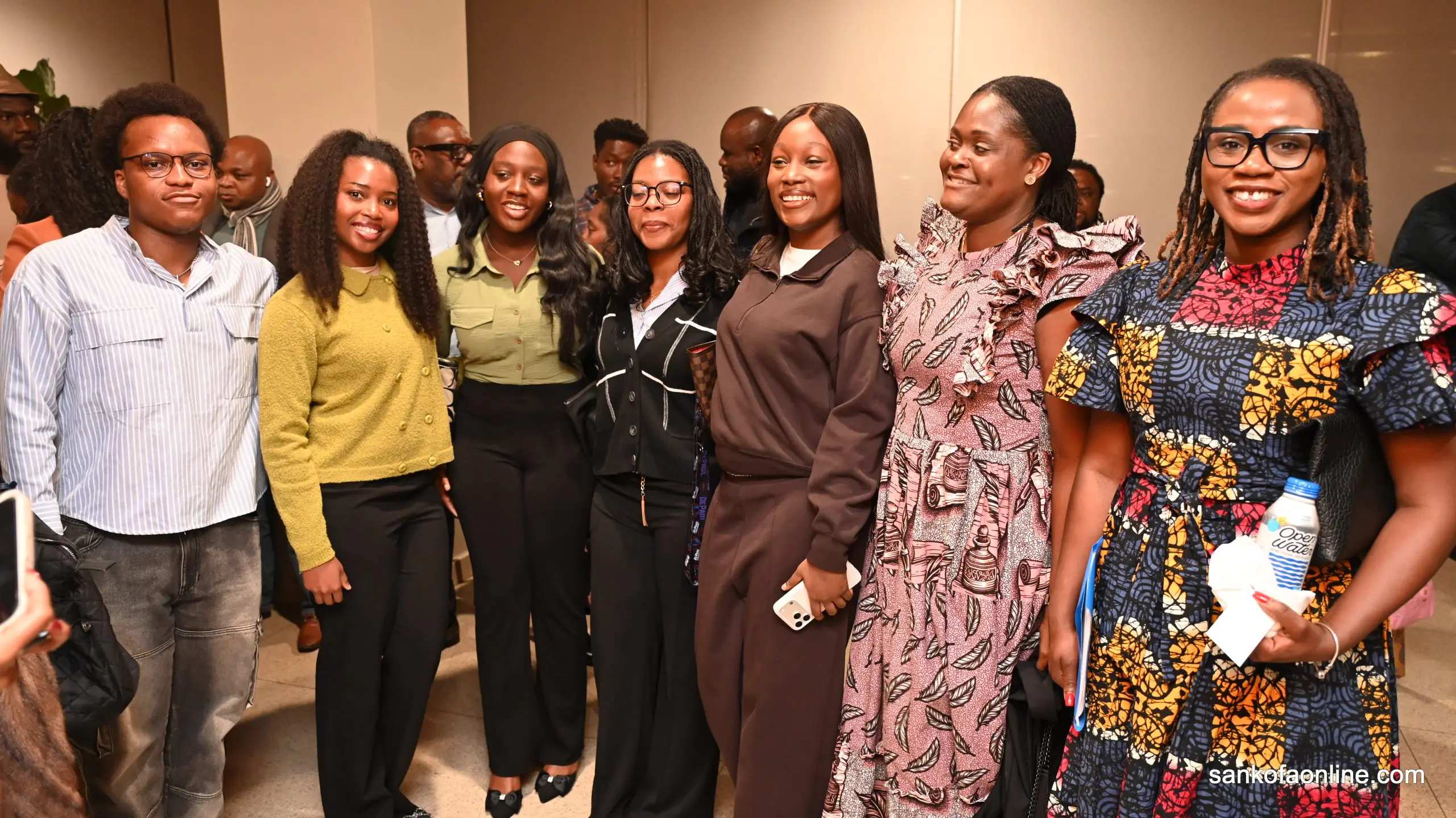
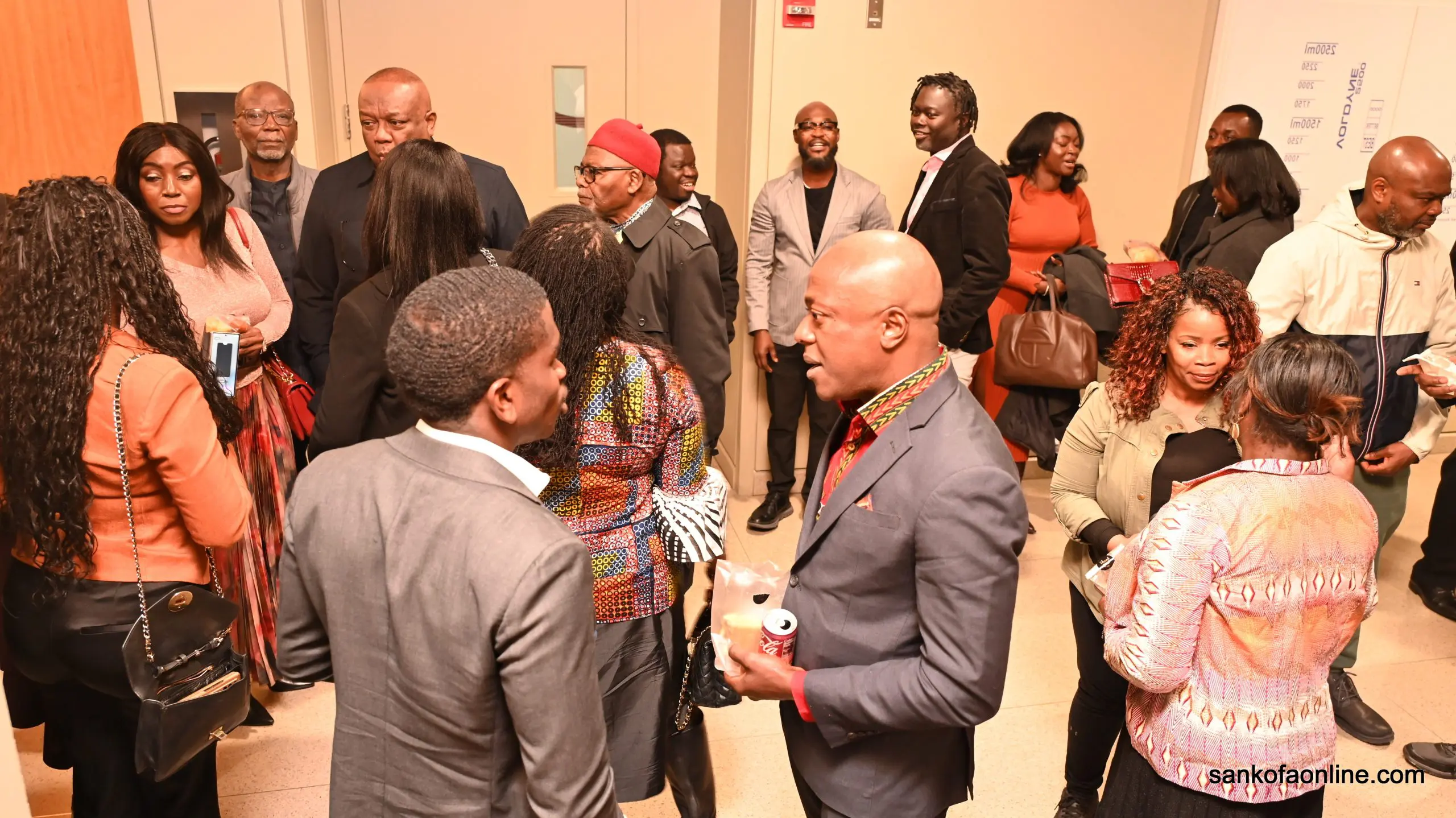
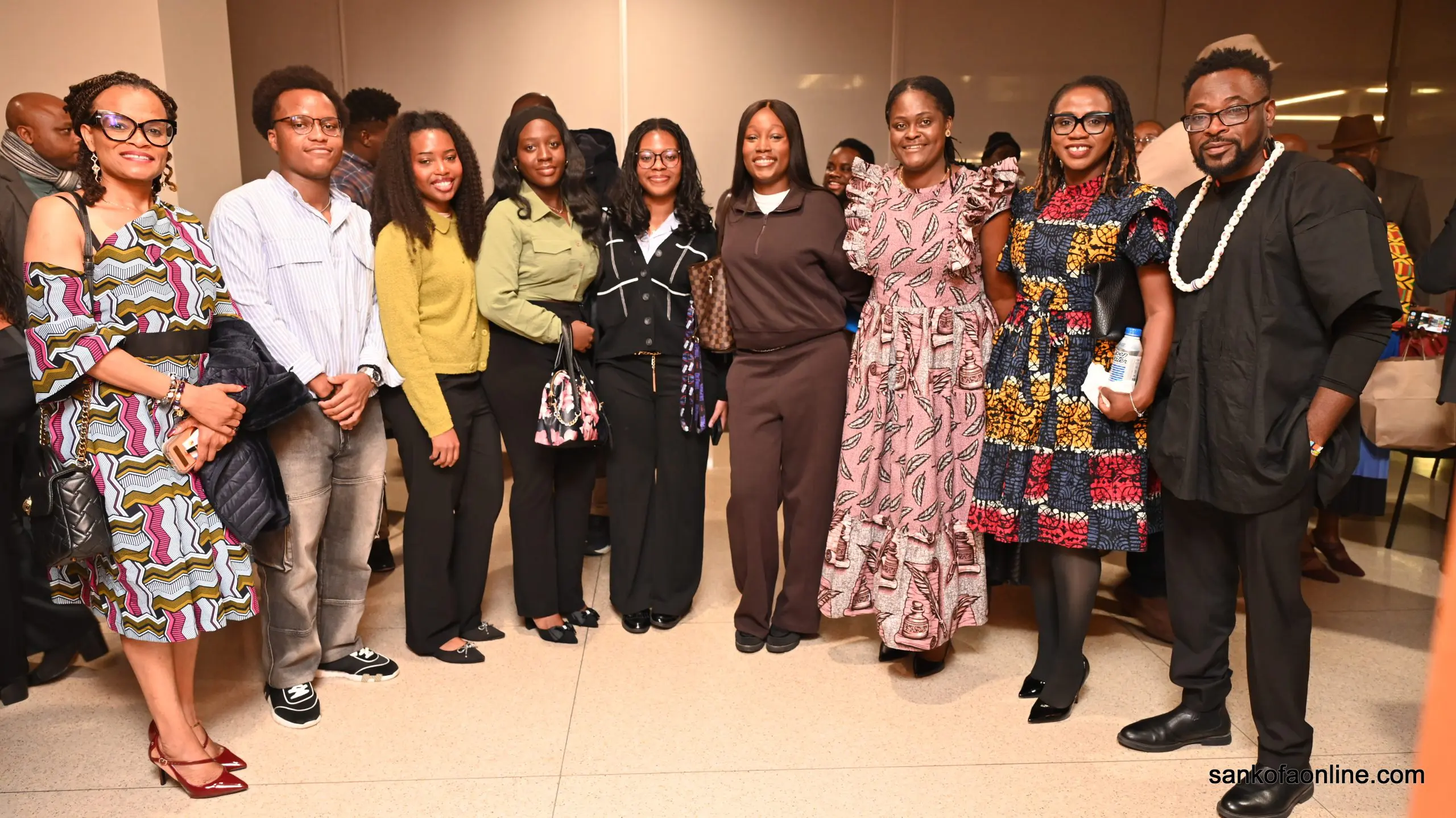
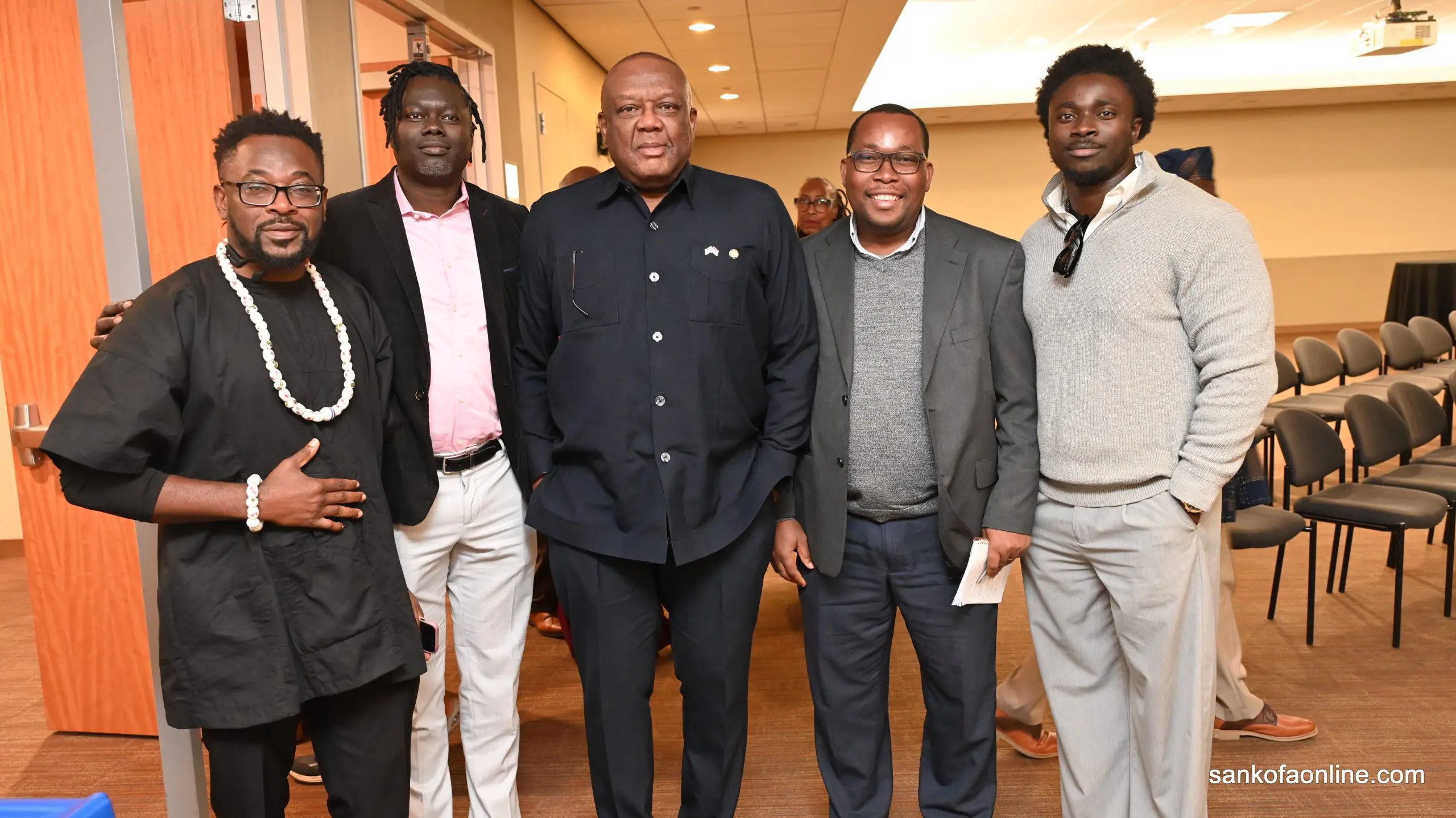
When University of Chicago scheduling requirements forced moderators to close the public session before several attendees could receive answers from the stage, Ambassador Smith and senior Embassy officials remained inside the venue and met directly with every person whose question had gone unanswered.
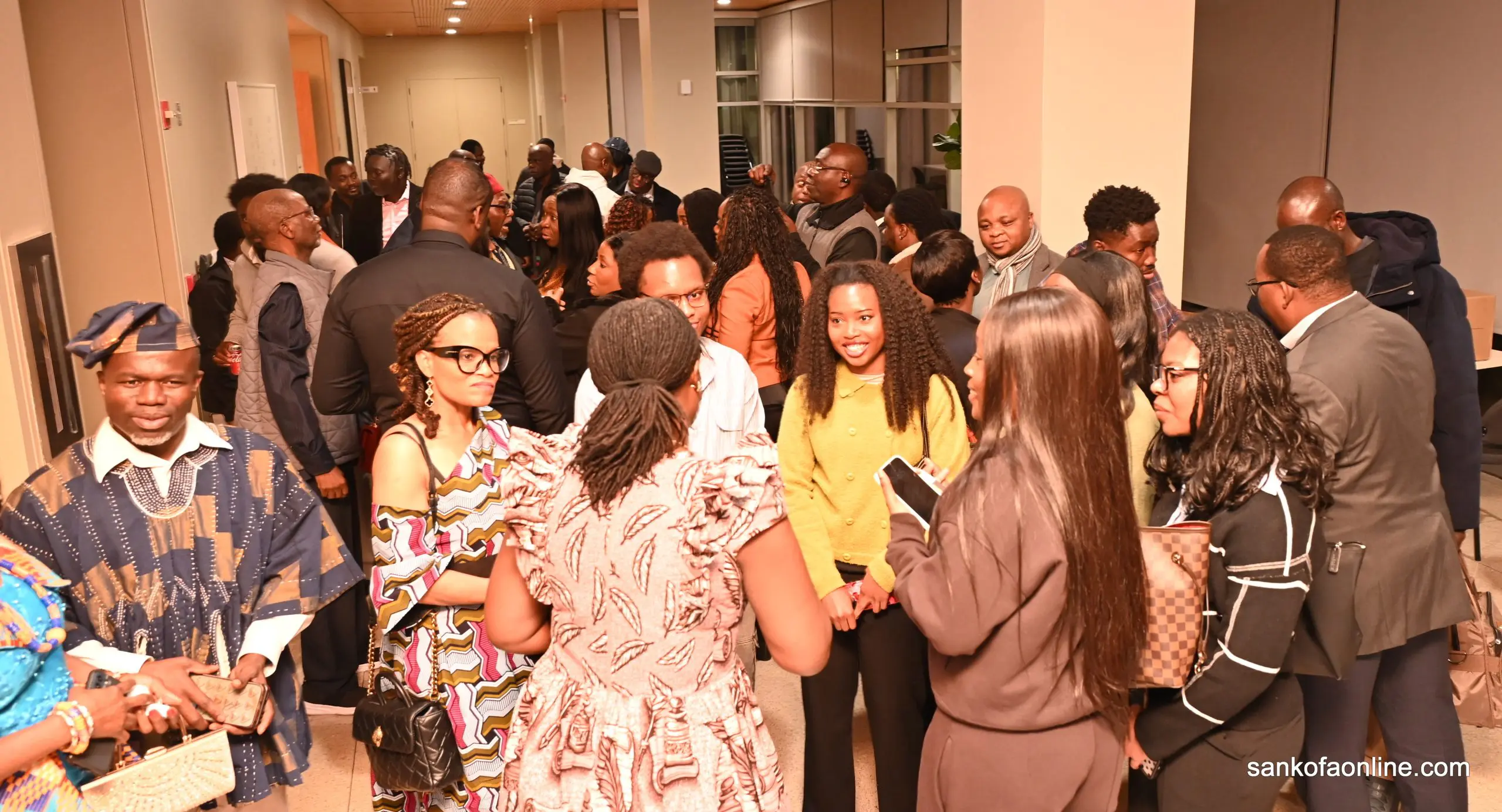
For many in attendance, it was a powerful demonstration of accessibility, accountability, and a commitment to listening.
Diaspora Investors Seek Stronger Pathways to Engagement
The evening’s first question came from a former policy researcher and University of Chicago alumnus who had previously worked with a United Nations agency on investment initiatives connected to Ghana’s 24-hour economy agenda.
While praising the government’s economic vision, he asked what practical mechanisms exist for highly skilled diaspora professionals to contribute expertise, monitor projects, and invest with confidence.
Embassy officials highlighted Region 17, the administration’s diaspora engagement platform, describing it as a direct bridge between overseas Ghanaians, the Embassy, and domestic institutions. Officials said the initiative is designed to reduce bureaucratic bottlenecks while allowing diaspora professionals and investors to engage more effectively with opportunities back home.
Tough Questions on Airport Extortion
One of the evening’s most memorable exchanges centered on allegations of airport solicitation and harassment.
An attendee recounted bringing a prospective agricultural investment team to Ghana, only to watch members of the group encounter demands for unofficial payments despite carrying proper travel documentation.
The experience, he said, significantly damaged investor confidence.
Responding directly, Embassy and Region 17 representatives acknowledged that airport extortion had been a longstanding concern and an embarrassment to the country’s image.
Officials revealed that new directives have been implemented at Kotoka International Airport, including a zero-tolerance policy under which personnel found soliciting money from travelers face immediate dismissal.
Ambassador Smith delivered a blunt warning against corruption, stressing that travelers with legitimate documentation must not give in to extortion or unlawful demands. He encouraged anyone facing such situations to insist on their rights and immediately escalate the matter to senior authorities. “If you are not doing anything wrong, you do not have to bribe anyone,” he stated firmly, adding that no traveler should be pressured into paying for rights already guaranteed under the law.
The discussion drew additional support from another attendee, who noted that his own recent travel experience through Accra had been entirely free of solicitation.
Clarifying Misconceptions About Education in Ghana
Questions also turned toward international fundraising campaigns that frequently portray African children as lacking access to education.
One attendee asked whether Ghana truly offers free public education, noting the prevalence of American-based charitable appeals suggesting otherwise.
Officials clarified that public education in Ghana is free from the basic level through senior high school.
While acknowledging persistent challenges within the educational system, they cautioned that some international fundraising campaigns can exaggerate conditions and misrepresent realities on the ground.
Embassy representatives encouraged diaspora members interested in supporting educational and healthcare initiatives to work through credible and verifiable channels to ensure resources reach intended beneficiaries.
Opportunities in Renewable Energy
The conversation later shifted toward renewable energy and infrastructure development.
An energy-sector professional asked whether Ghana was actively seeking partnerships involving community solar projects and battery storage systems capable of improving power reliability.
Ambassador Smith emphasized that Ghana has already invested significantly in renewable energy infrastructure through solar farms, biomass projects, and independent power producer arrangements.
He welcomed direct engagement and encouraged interested investors and companies to connect through the Embassy to explore opportunities with relevant government agencies.
Breaking Government Silos Through Technology
A particularly thought-provoking intervention came from a data science and public health specialist who challenged Ghana’s fragmented digital architecture.
The attendee observed that many ministries and agencies continue to operate isolated digital systems and websites with little interoperability.
He advocated the creation of a centralized digital ecosystem capable of seamlessly connecting institutions such as the Ministry of Trade, Ministry of Agriculture, Ministry of Education, the Ghana Investment Promotion Centre, and major healthcare facilities.
Ambassador Smith welcomed the recommendation, describing it as a valuable contribution to ongoing modernization efforts.
While establishing official government web domains laid a vital foundation, a senior Embassy official noted that deeper data and service integration across key state institutions remains a work in progress. For now, government websites primarily connect users to internal and related ministerial platforms through hyperlinks.
Michigan Delegation Pushes for Stronger Partnerships
Representatives from Michigan highlighted long-standing sister-city relationships that have linked communities in Ghana and the United States for decades.
Expressing frustration over bureaucratic delays and limited access to trade-development channels, one participant asked when the Ambassador planned to visit Michigan.
Ambassador Smith responded that he had already engaged in numerous investment-focused forums across the United States and confirmed his interest in strengthening ties with Michigan while improving access to Ghanaian investment agencies and trade opportunities.
Real Estate, Housing, and Economic Growth
The role of diaspora capital in Ghana’s housing market also emerged as a key topic.
A Chicago-based real estate investment professional asked whether structures existed to connect overseas investors with vetted development projects.
Rather than focusing solely on investment mechanics, Ambassador Smith argued that long-term housing sector success depends on strengthening domestic purchasing power.
He emphasized that sustainable growth requires policies that enable ordinary Ghanaians to earn incomes capable of supporting home ownership and rental demand, creating a stronger foundation for the housing sector as a whole.
Citizenship, Voting Rights, and the Historic Diaspora
One of the evening’s most significant discussions centered on citizenship and identity.
An African American attendee who had undergone traditional installation rites in Ghana asked whether members of the historic African diaspora could obtain citizenship, participate politically, and retain active roles in businesses they help build.
Ambassador Smith responded affirmatively, noting that Ghana’s citizenship framework allows eligible members of the African diaspora to obtain citizenship while maintaining dual nationality where applicable.
He encouraged greater participation by diaspora communities in Ghana’s economic and civic life, describing them as an important part of the nation’s future.
Young Professionals Ask: “How Do We Get Involved?”
The next generation also made its voice heard.
Nicole Nana Ama Adu, a senior Management Information Systems student at DePaul University and Treasurer of the university’s African Students Association, asked how students and young professionals could become involved in Region 17 through internships, mentorship, and leadership opportunities.
Region 17 representatives emphasized that the initiative was specifically designed to create pathways for younger generations to participate.
Officials encouraged interested students to register their skills and interests while also exploring opportunities through community organizations.
Representatives of the Ghana National Council likewise invited student participation in major cultural and civic initiatives, including GhanaFest, Independence celebrations, and community service programs.
Land Registration Frustrations Surface
Few topics generated more visible frustration than land administration.
A participant from Rockford, Illinois, described waiting nearly two years to complete a land registration process in Ghana’s Eastern Region and raised concerns about friends who had suffered financial losses from disputed transactions.
The issue resonated with many attendees familiar with challenges surrounding land acquisition and title registration.
Officials advised prospective investors to conduct extensive due diligence before purchasing property and stressed the importance of consulting traditional authorities, landowners, and relevant regulatory bodies before committing funds.
The Questions Time Could Not Hold
As the program approached the venue’s mandatory closing deadline, several final participants were permitted to raise brief concerns before moderators were forced to conclude the public session.
Among them were:
- Chicago businessman who praised efforts to create safer pathways for diaspora talent and workforce development.
- A representative of UChicago Booth Africa who formally invited Ambassador Smith to participate in the inaugural Booth-Kellogg Africa Business Conference next year.
- A community elder seeking updates on the Accra-Chicago sister-city relationship and asking what steps government leaders are taking to address declining civic discipline.
- A Chicago real estate broker and poultry farmer, Peter Osei, Oyokohene of the Asanteman Association, who called for independent property valuation systems in Ghana while seeking support mechanisms for diaspora agricultural investors.
Unfortunately, time expired before the questions could receive full responses from the stage.
When the Real Town Hall Began
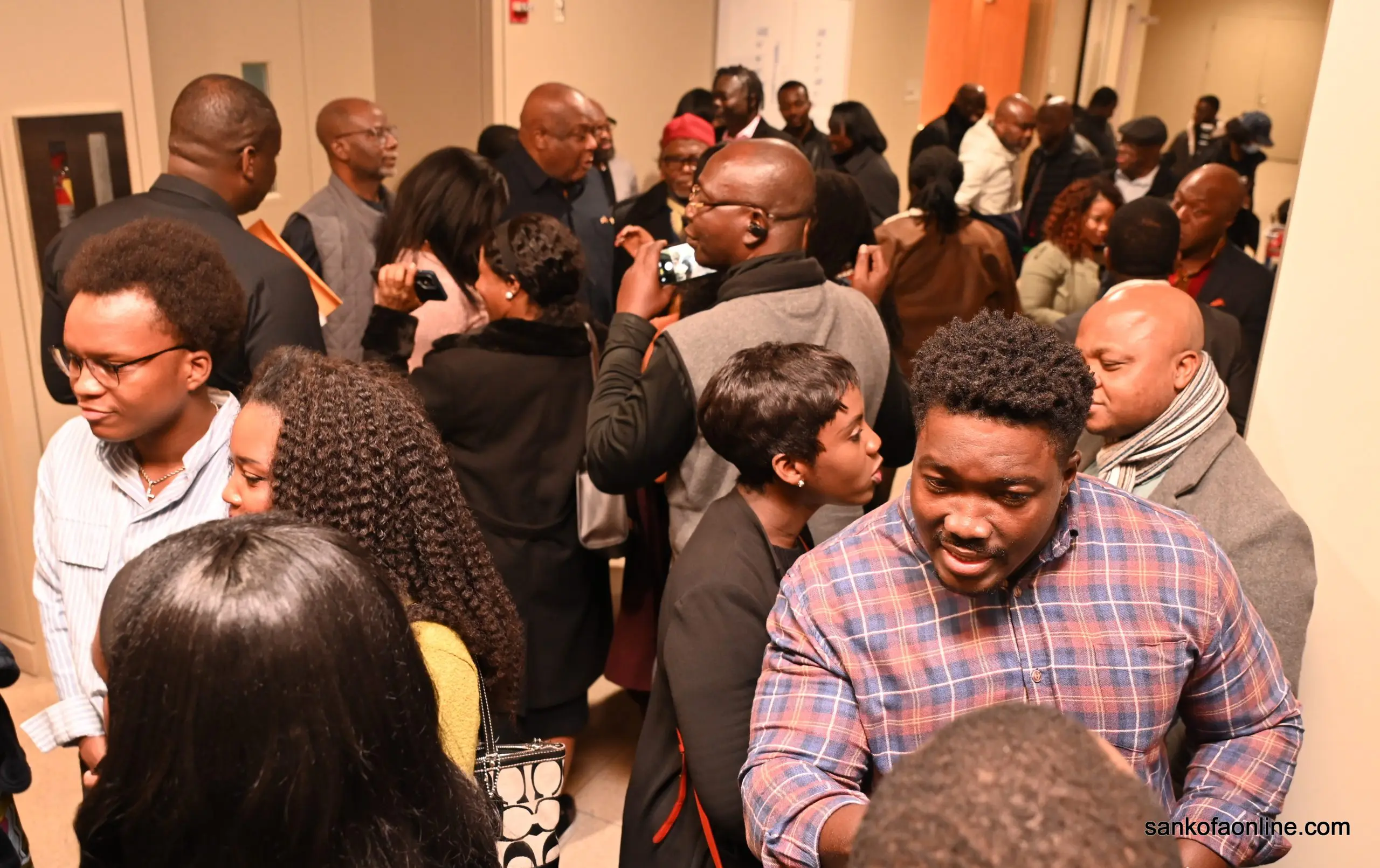
For many attendees, however, the most meaningful part of the evening happened after the official event ended.
Rather than departing once microphones were shut off, Ambassador Smith and senior Embassy officials stayed behind and met individually with those whose concerns had not been addressed publicly.
Participants discussed investment proposals, development ideas, business opportunities, agricultural projects, and consular concerns directly with Embassy officials.
Contact information was exchanged. Follow-up pathways were established. Questions that never reached the podium still found an audience.
In an era when many public forums conclude the moment the cameras stop rolling, the scene inside the Harper Center offered a different model of engagement.
For a diaspora community often accustomed to ceremonial visits and scripted appearances, the message was unmistakable:
Every voice mattered. Every concern deserved attention. And in Chicago, no question was left unanswered.
Watch the Full Question-and-Answer Session
Watch the Video Clip Of The Chicago Town Hall Q&A here:

Sankofaonline Editorial Note: This report is based on direct observation of the event and the recorded proceedings. Additional verbatim quotations may be incorporated as official transcripts become available.
