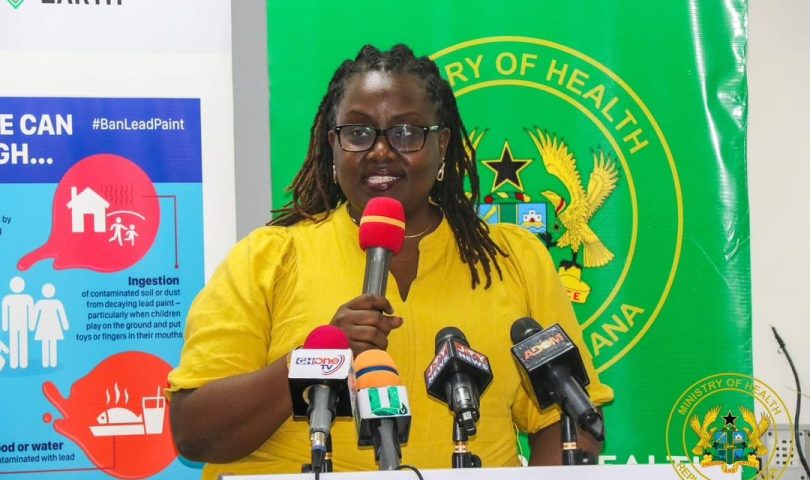

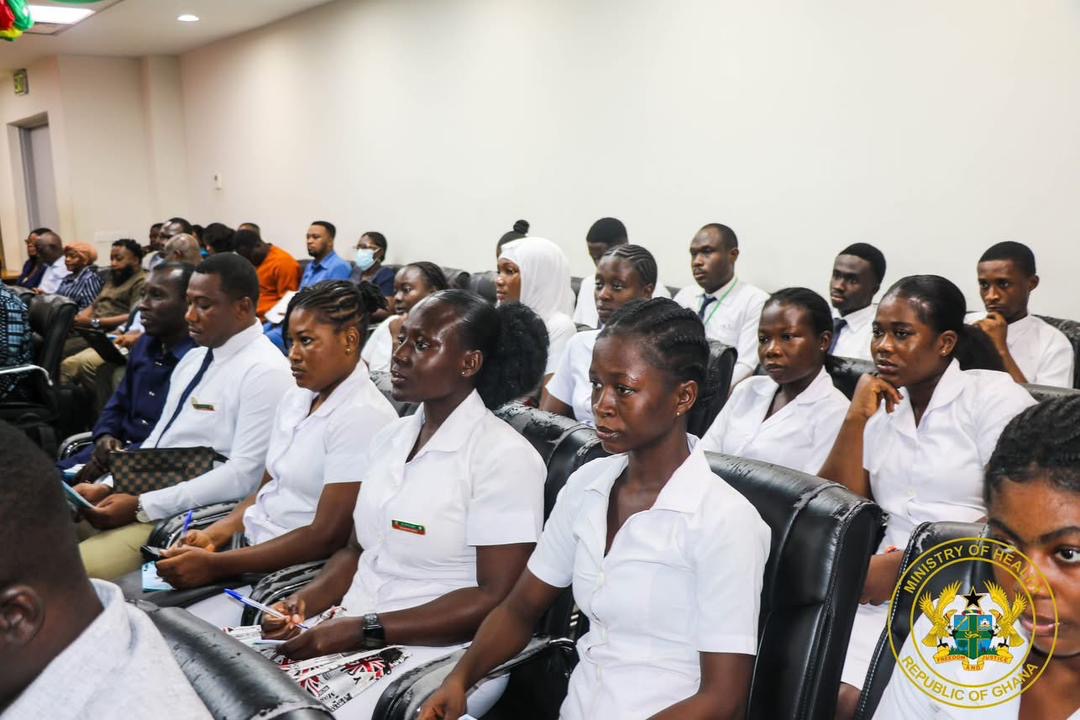
Accra, Ghana – The Ministry of Health (MoH) has spearheaded the commemoration of Lead Awareness Week 2025, launching a crucial national campaign under the definitive theme, “No Safe Level: Act Now to End Lead Exposure.” The Ministry is working in close collaboration with the Environmental Protection Agency (EPA) and various development partners, with key financial support provided by the non-profit organization, Pure Earth.
Raising National Awareness and Promoting Coordinated Action
The campaign is strategically designed to achieve two main goals: to raise national awareness regarding the severe health implications of lead exposure and to promote coordinated action across sectors. This action focuses specifically on the elimination of lead in paints, consumer products, and the environment across Ghana.
Addressing the campaign, Mr. Frank Raji, speaking on behalf of the Chief Director of the Ministry, stressed that lead exposure continues to pose a significant public health risk, particularly to children, pregnant women, and workers.
Irreversible Health and Socio-Economic Damage
The harmful effects of lead poisoning are often irreversible, impacting development and overall health. Exposure can lead to severe health consequences, including:
- Developmental delays and learning disabilities
- Brain damage
- Damage to the kidneys and other vital organs
Beyond the immediate health costs, the issue carries substantial social and economic burdens, notably diminishing human productivity and actively impeding sustainable development goals for the nation.
Global Data Underscores the Crisis
Dr. Fiona Braka, the World Health Organization (WHO) Representative to Ghana, provided alarming global statistics to emphasize the severity of the crisis. She cited data from the Institute of Health Metrics and Evaluation, which indicated that over 1.5 million deaths globally in 2021 were attributable to lead exposure, with the majority caused by cardiovascular effects. Furthermore, lead exposure was responsible for a loss of 33 million disability-adjusted life years (DALYs).
Dr. Braka highlighted the particular vulnerability of specific demographics:
- Children: They absorb lead more readily than adults, risking reduced IQ, learning difficulties, and behavioral problems.
- Pregnant Women: Exposure is linked to severe adverse pregnancy outcomes, including miscarriage, stillbirths, premature births, low birth weight, and malformation.
Commitment to a Lead-Free Future
Mr. Raji reiterated that this year’s observance solidifies the Ministry’s dedication to advancing preventive health measures, strengthening regulatory frameworks, and fostering multi-sectoral partnerships to achieve the ultimate goal of a lead-free and healthier Ghana.
To support this commitment, Dr. Braka confirmed that the WHO, through the Bloomberg Philanthropies lead poisoning prevention initiative, will assist high-need countries, including Ghana. This support will focus on adopting and implementing clinical management guidelines for lead exposure and enhancing national capabilities to detect and respond effectively to lead poisoning cases.
Ruth Abla ADJORLOLO