By Jide Adesina
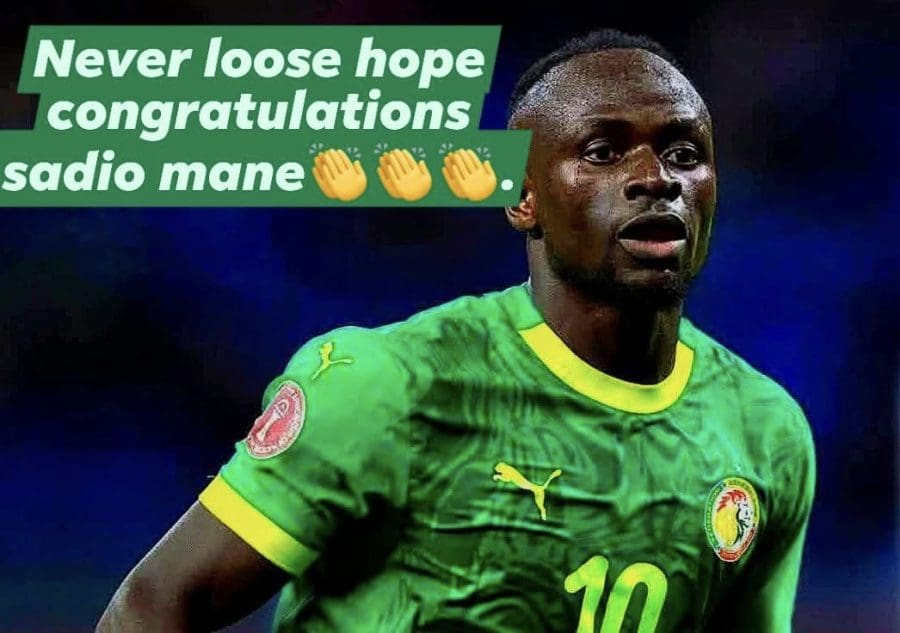
From the first whistle, the Africa Cup of Nations final carried the weight of history, nerves and unfinished business. The stadium was a furnace of expectation, the pitch a tightrope suspended over continental pride. Senegal arrived carrying decades of heartbreak, while their opponents brought the ruthless poise of serial winners. It was never going to be a gentle evening. It was going to be a test of character, of nerve, of whether African football could rise above chaos when everything threatened to spill over.
The opening minutes set the tone. Senegal pressed with purpose, fast and fearless, refusing to be cowed by reputation. Their intent was unmistakable: this was not a team prepared to be patient spectators to destiny. Then came the moment that should have crowned the night early. A penalty. The stadium inhaled. Sadio Mané stepped forward, the weight of a nation resting on a single stride. The strike was honest but human, and the save came like a cold splash of reality. In that instant, many players would have fractured. Many teams would have lost shape, composure, belief.
That is where the match changed, not in goals, but in leadership.
As the game stretched into a battle of attrition, tensions thickened. Every challenge carried extra force, every decision by the officials felt magnified, every provocation risked tipping the contest into farce. There were moments when the final flirted dangerously with disgrace, when emotions threatened to eclipse football itself. This was the edge where walkouts are born, where finals collapse into headlines nobody wants.
Mané stood firm.
Instead of gesturing, protesting or withdrawing into frustration, he became Senegal’s compass. He chased lost causes, tracked back, encouraged teammates, absorbed fouls without theatrics and demanded focus when the temperature rose. His response to disappointment was discipline. His answer to injustice was performance. In doing so, he did more than lead a team; he protected the integrity of the final itself. Africa was watching, and Mané understood that some moments demand restraint as much as brilliance.
As minutes bled into extra time, the match became a war of wills. Bodies tired, legs stiffened, but the contest refused to cheapen itself. Senegal’s structure held. Their belief hardened. And through it all, Mané remained present, involved, insisting that the night would not be remembered for controversy but for courage.
Then came penalties, football’s cruelest truth serum.
This was the moment that could have defined Mané by his earlier miss. Instead, it immortalised him. When he walked up for Senegal’s decisive kick, there was no bravado, no defiance, just a calm born of responsibility. The strike was clean, the net rippled, and with it decades of longing were released. Senegal were champions of Africa at last.
But the goal was only part of the story.
Mané did not just win a trophy. He rescued a final from implosion. He showed that leadership is not always about shouting the loudest or shining the brightest, but about choosing the harder path when provocation offers the easier escape. By refusing to let frustration dictate events, by keeping Senegal on the field and in the fight, he preserved the dignity of AFCON on its grandest night.
History will record the goal, the medal, the tears. Africa should also remember the composure. In a final balanced on the brink, Sadio Mané became more than a match-winner. He became the man who refused to let Africa’s greatest football celebration unravel, the hero who saved both Senegal’s dream and AFCON’s honour.