Sankofaonline Editorial | May 15, 3026
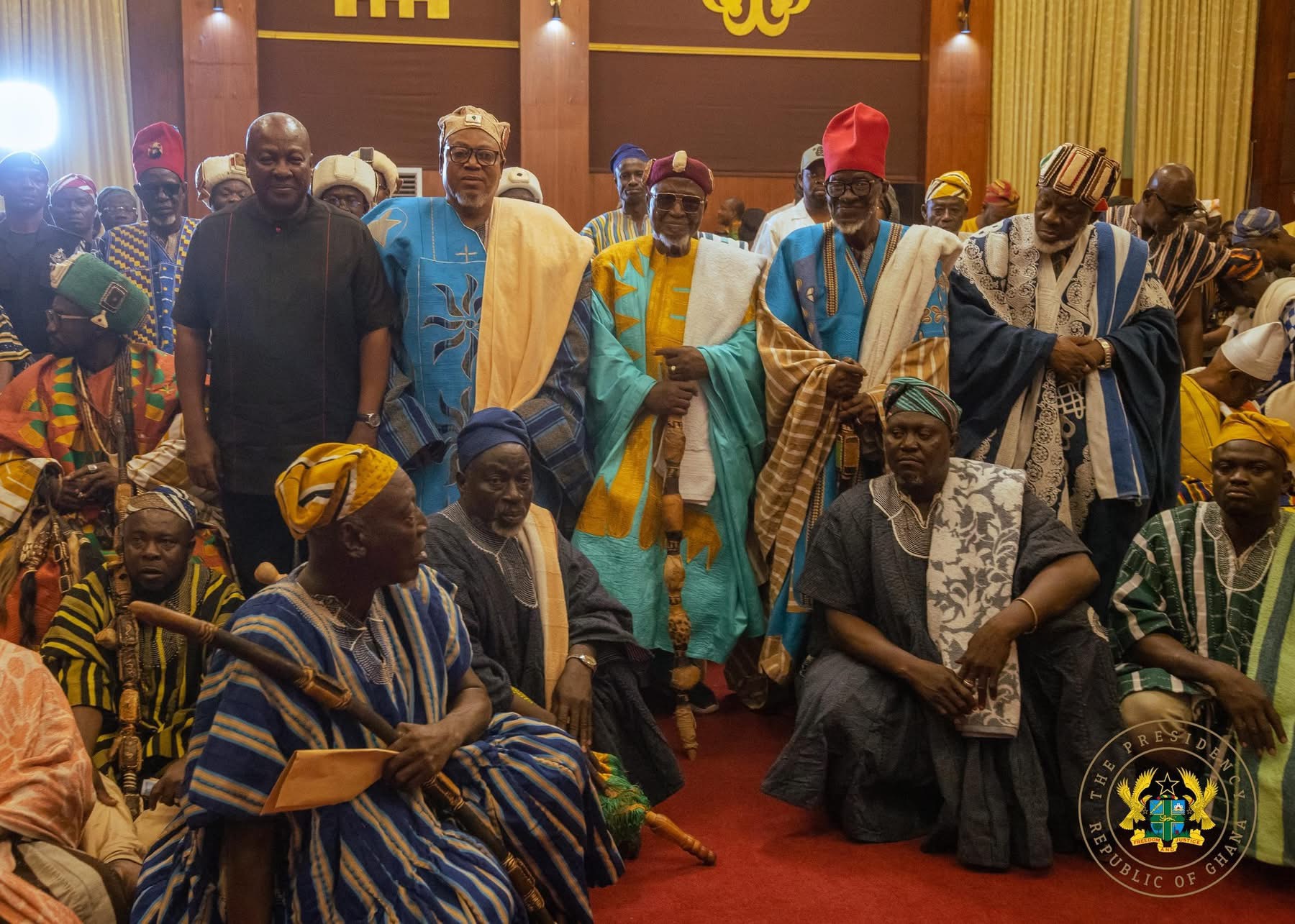
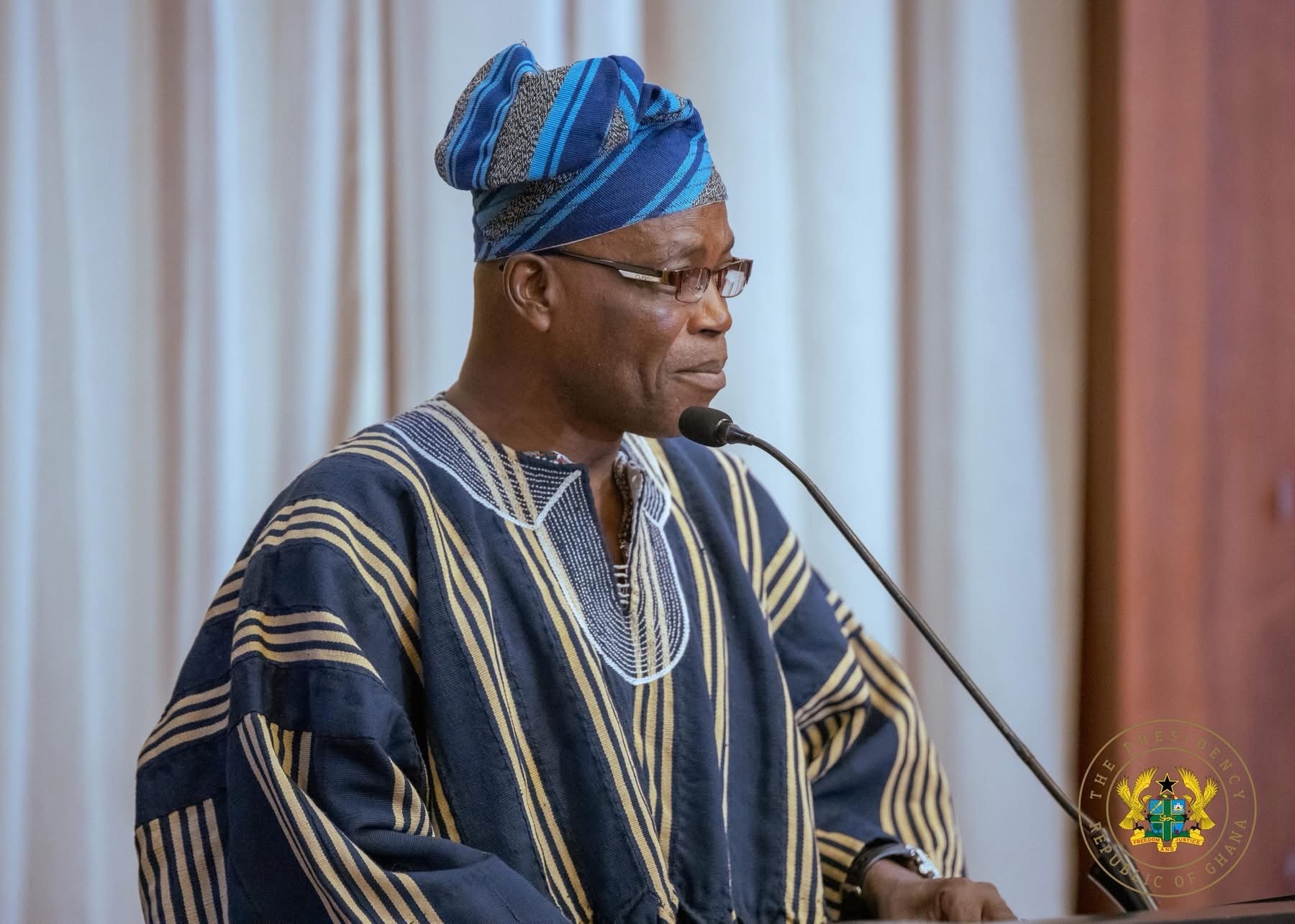
President John Dramani Mahama’s engagement with the Northern Regional House of Chiefs is more than a ceremonial courtesy call , it is a deliberate recalibration of Ghana’s governance architecture. In a political culture where development often falters at the intersection of state authority and community legitimacy, Mahama’s Reset Agenda is attempting to stitch the two together with uncommon clarity.
For decades, Ghana has spoken about the importance of chiefs in nation‑building. Successive governments have praised their influence, invoked their cultural authority, and acknowledged their role as custodians of land and tradition. Yet, the state has rarely built a structured, enforceable, and accountable framework that integrates traditional leadership into the machinery of governance. Mahama’s message to the chiefs signals a shift from rhetoric to institutionalization.
His insistence that chiefs must be embedded in project monitoring, community development, and local governance is not mere political flattery. It is a recognition of a truth long ignored: no government project succeeds where traditional authority is sidelined. Roads, schools, water systems, and health facilities do not exist in a vacuum, they exist in communities governed by customs, hierarchies, and social contracts that the state alone cannot command.
The President’s pledge to formalize collaboration between District Assemblies and traditional leaders, through regular coordination meetings and joint monitoring of infrastructure, is a direct response to the chronic leakages, abandoned projects, and opaque reporting that have plagued local development. If implemented with discipline, this could become one of the most consequential governance reforms in recent memory.
Mahama’s focus on the Northern Region is equally strategic. With investments in agriculture, roads, education, healthcare, water systems, and rural electrification, the region is being positioned not as a peripheral beneficiary of national development but as a central engine of Ghana’s food security and economic transformation. This is a narrative shift , and a necessary one.
His call for chiefs, youth groups, and security agencies to unite against drug abuse reflects a growing national crisis that cannot be solved by policing alone. Community legitimacy is essential, and chiefs remain the most credible moral anchors in many parts of the country.
The commitment to complete critical health infrastructure — including the psychiatric hospital in Mion and a cardio center in Tamale, underscores a broader attempt to correct long‑standing regional inequities in healthcare access.
Perhaps most significant is Mahama’s assurance that government will strengthen the institutional capacity of traditional authorities themselves. Completing the Northern Regional House of Chiefs Secretariat is symbolic, but symbolism matters. It signals respect, partnership, and permanence.
In response, the Northern Regional House of Chiefs pledged full cooperation, a gesture that carries weight. Chiefs do not offer such commitments lightly.
If the Reset Agenda is to succeed, this renewed partnership must move beyond pledges and press releases. It must become a working covenant , one that binds government and traditional authority to shared responsibility, shared accountability, and shared outcomes.
Ghana’s development challenges are too complex for fragmented leadership. Mahama’s overture to the chiefs is a reminder that nation‑building is not the work of government alone. It is a collective enterprise, rooted in culture, legitimacy, and the lived realities of communities.
If this partnership holds, the Northern Region, and Ghana as a whole, may well be on the cusp of a more coherent, more inclusive, and more accountable development era.