


Ghana’s industrial landscape is poised for a major transformation as the government of President John Dramani Mahama rolls out an ambitious programme to position the country as a leading garment and textile hub in West Africa. The initiative, a central pillar of the administration’s broader Reset Agenda, is expected to generate tens of thousands of jobs while revitalising a sector long seen as a cornerstone of Ghana’s manufacturing potential.
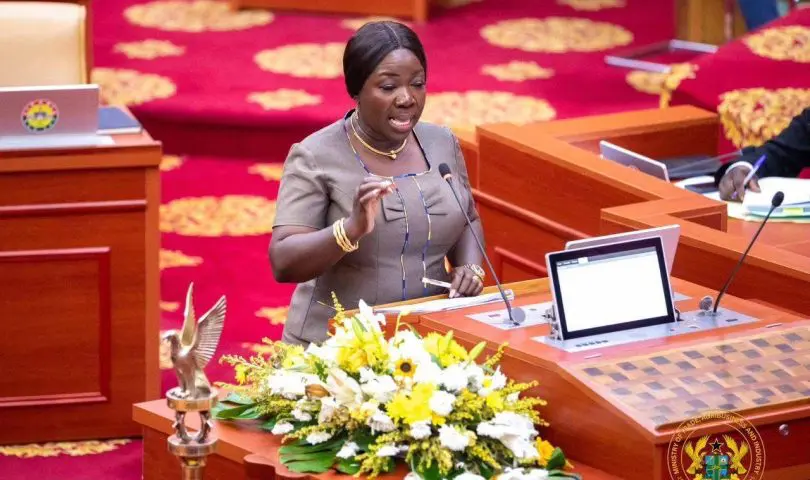
Minister of Trade, Agribusiness and Industry, Elizabeth Ofosu-Adjare, announced that beginning this year, uniforms for key state institutions, including the Ministry of Education, the Lands Commission, and the Security Services, will be produced locally. The move marks a decisive shift away from imported uniforms, signalling a renewed commitment to domestic production and value retention.
According to the Minister, the initiative is anchored on the establishment of three new garment factories equipped to operate on a three‑shift system. This model is projected to create approximately 27,000 jobs nationwide, with each position supporting three individuals through rotational employment. The approach is designed not only to maximise productivity but also to broaden access to work for young people, women, and those seeking flexible employment arrangements.
Economists note that the ripple effects of the programme could be substantial. Beyond direct factory jobs, the initiative is expected to stimulate growth in cotton farming, textile printing, logistics, packaging, and local fashion design. By strengthening the entire value chain, the government aims to build a sustainable ecosystem capable of competing regionally and eventually internationally.
Officials describe the garment initiative as a practical expression of the Reset Agenda’s core priorities: job creation, industrial expansion, and economic resilience. By shifting uniform production to Ghanaian factories, the administration seeks to reduce foreign exchange pressures, enhance skills development, and revive the country’s once‑vibrant textile heritage.
Minister Ofosu-Adjare emphasised that the programme reflects a deliberate strategy to harness one of the world’s most labour‑intensive industries for national benefit. She noted that the garment and textile sector has historically served as a launchpad for industrialisation in emerging economies, making it a strategic choice for Ghana’s next phase of economic growth.
As preparations advance for the factories to begin full operations, anticipation is building across the country. Stakeholders in both the public and private sectors view the initiative as a timely intervention capable of reshaping Ghana’s manufacturing landscape, empowering communities, and restoring confidence in the nation’s industrial future.
