

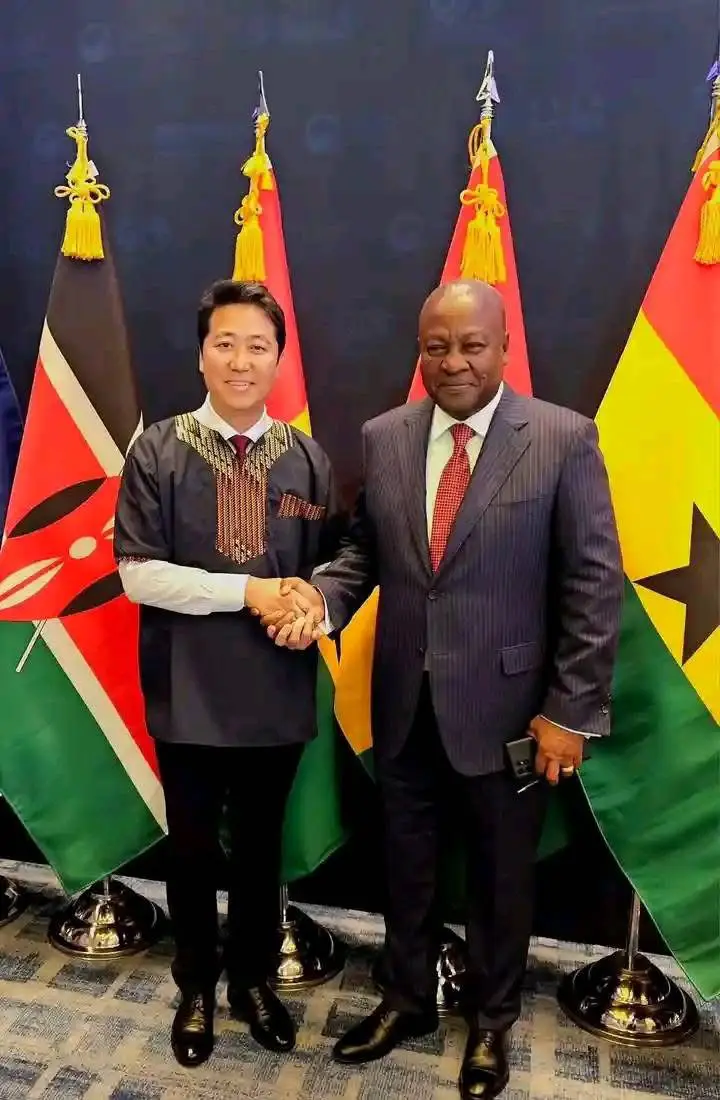
By Fuvi Kloku
President John Dramani Mahama’s selection of Kojo Choi as Ghana’s ambassador to South Korea has stirred a vibrant national conversation. Across social platforms and policy circles, the appointment has ignited both admiration and scrutiny. At the heart of this discourse is a man whose journey defies convention and whose presence signals a bold reimagining of what diplomacy can look like in the twenty-first century.
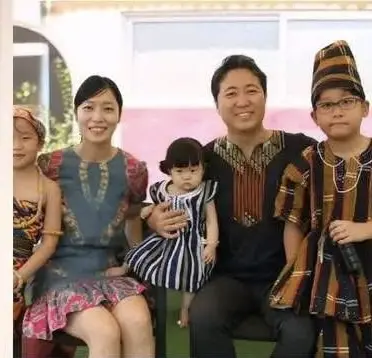
Born Choi Seung-eub, Kojo Choi arrived in Ghana at a tender age. That early transition would shape not only his personal identity but also his professional trajectory. Over the decades, he has become a fixture in Ghana’s business landscape, most notably as Chief Executive Officer of PaySwitch, a leading payment processing company. His entrepreneurial footprint spans billboard advertising, hospitality, and financial technology, with ventures like Le Must restaurant and PaySwitch becoming household names. Yet beyond the balance sheets and boardrooms, Choi has quietly championed Korea-Africa relations through art, consulting, and cultural exchange.
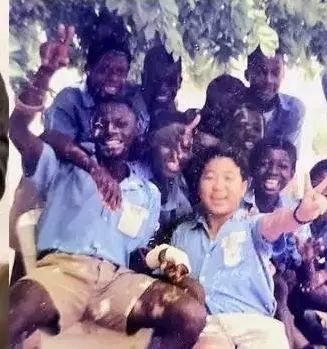
His appointment is not merely a nod to his business success. It is a strategic recognition of his unique position as a cultural intermediary. Raised and educated in Ghana, Choi possesses an intimate understanding of Ghanaian society, its rhythms, its aspirations, and its values. Coupled with his South Korean heritage, he embodies a bicultural fluency that few can claim. He is not just a representative of Ghana; he is a living bridge between two nations, capable of translating not only language but sensibility, nuance, and ambition.
This dual identity is not a liability. It is a diplomatic asset of the highest order. In an era where diplomacy is increasingly shaped by economic, technological, and cultural exchange, Choi’s background offers Ghana a competitive edge. His deep familiarity with both Ghanaian and South Korean business cultures equips him to navigate complex negotiations, foster authentic partnerships, and unlock new avenues for collaboration. His appointment signals a shift from ceremonial diplomacy to strategic engagement, where the ambassador is not merely a figurehead but a catalyst for innovation, investment, and influence.
Critics have raised concerns. Some question whether a naturalized citizen can fully embody Ghana’s national identity in such a critical role. Others worry about his lack of traditional diplomatic experience. These concerns, while understandable, overlook the evolving nature of global diplomacy. The world no longer rewards rigid orthodoxy. It rewards agility, insight, and the ability to build trust across borders. Kojo Choi’s life story is a testament to Ghana’s openness, its capacity to nurture talent regardless of origin, and its readiness to project a modern, inclusive image to the world.
President Mahama’s decision is not just bold. It is visionary. It recognizes that the future of diplomacy lies in the fusion of cultures, the blending of expertise, and the elevation of individuals who can operate seamlessly across domains. Kojo Choi is not an outsider. He is a Ghanaian by choice, by contribution, and by conviction. His appointment is a declaration that Ghana is ready to engage the world not just with tradition, but with transformation.
In the words of Osagyefo Dr. Kwame Nkrumah, “I am not African because I was born in Africa but because Africa was born in me.” Kojo Choi embodies that sentiment. His story is Ghana’s story,one of resilience, reinvention, and rising to meet the moment. As ambassador to South Korea, he carries not just a title, but a promise that Ghana’s diplomacy will be as dynamic, diverse, and determined as the people it represents.