
A Sankofaonline Analytical Feature by Dr. Reuben Hadzide
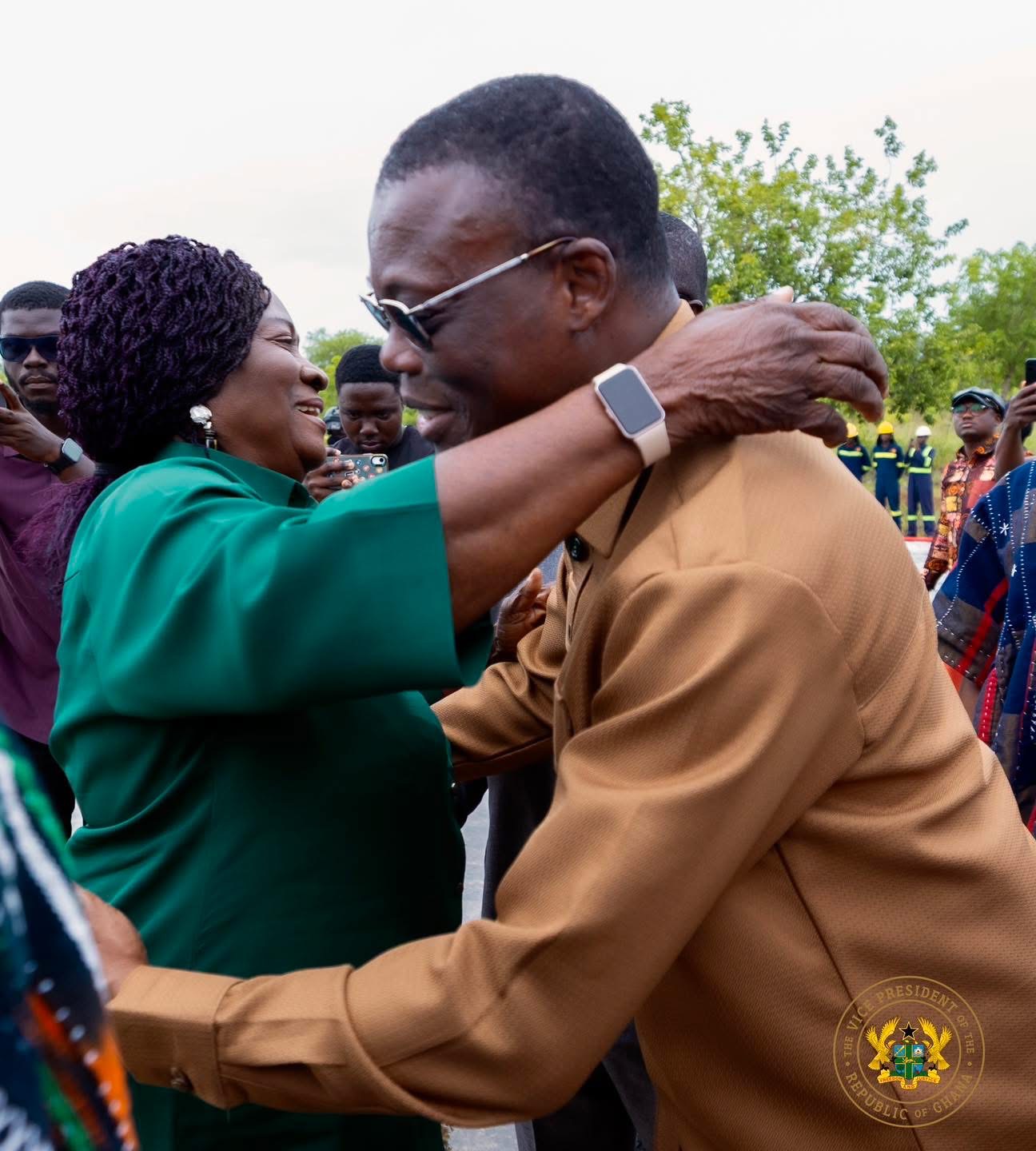
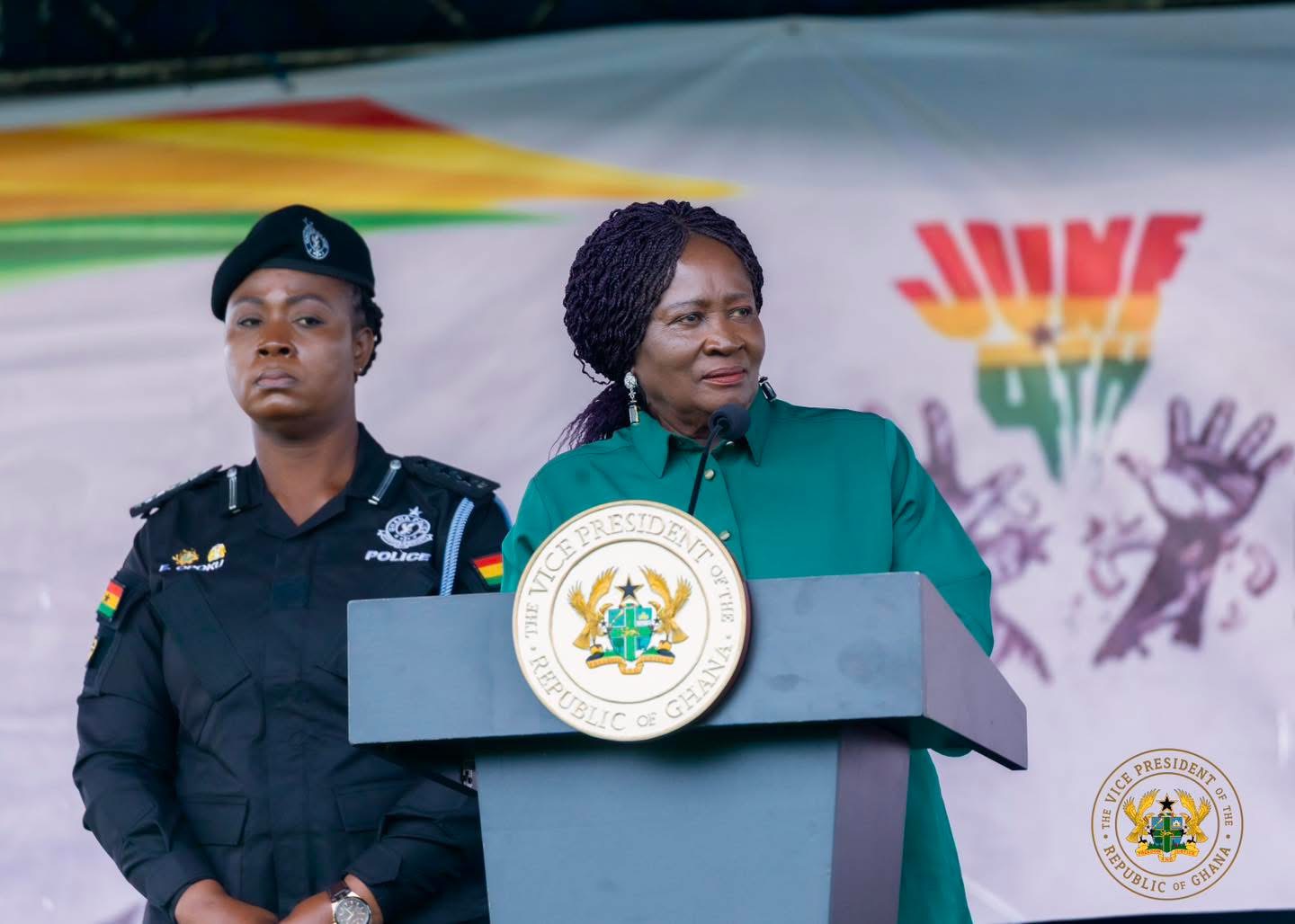
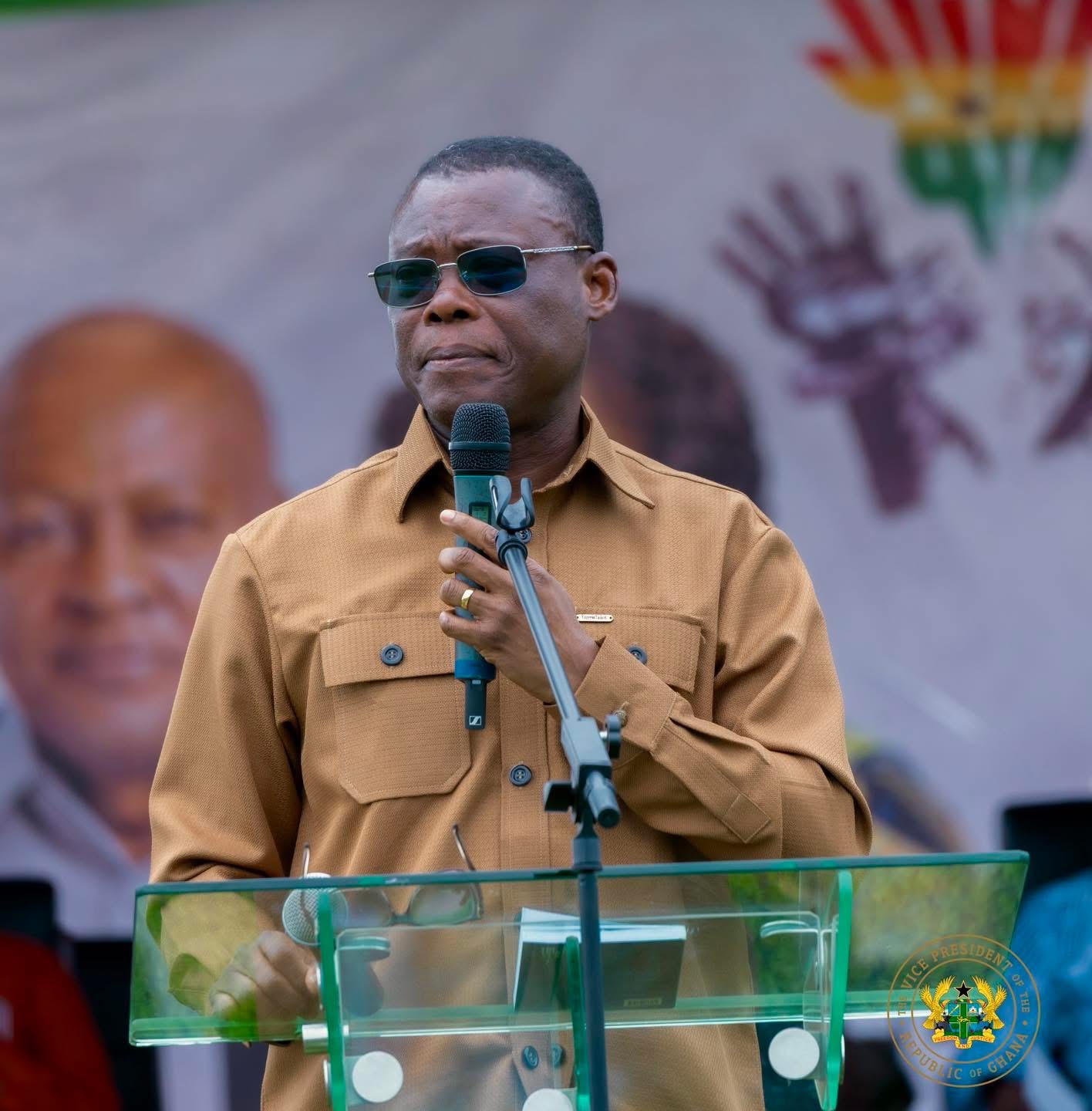
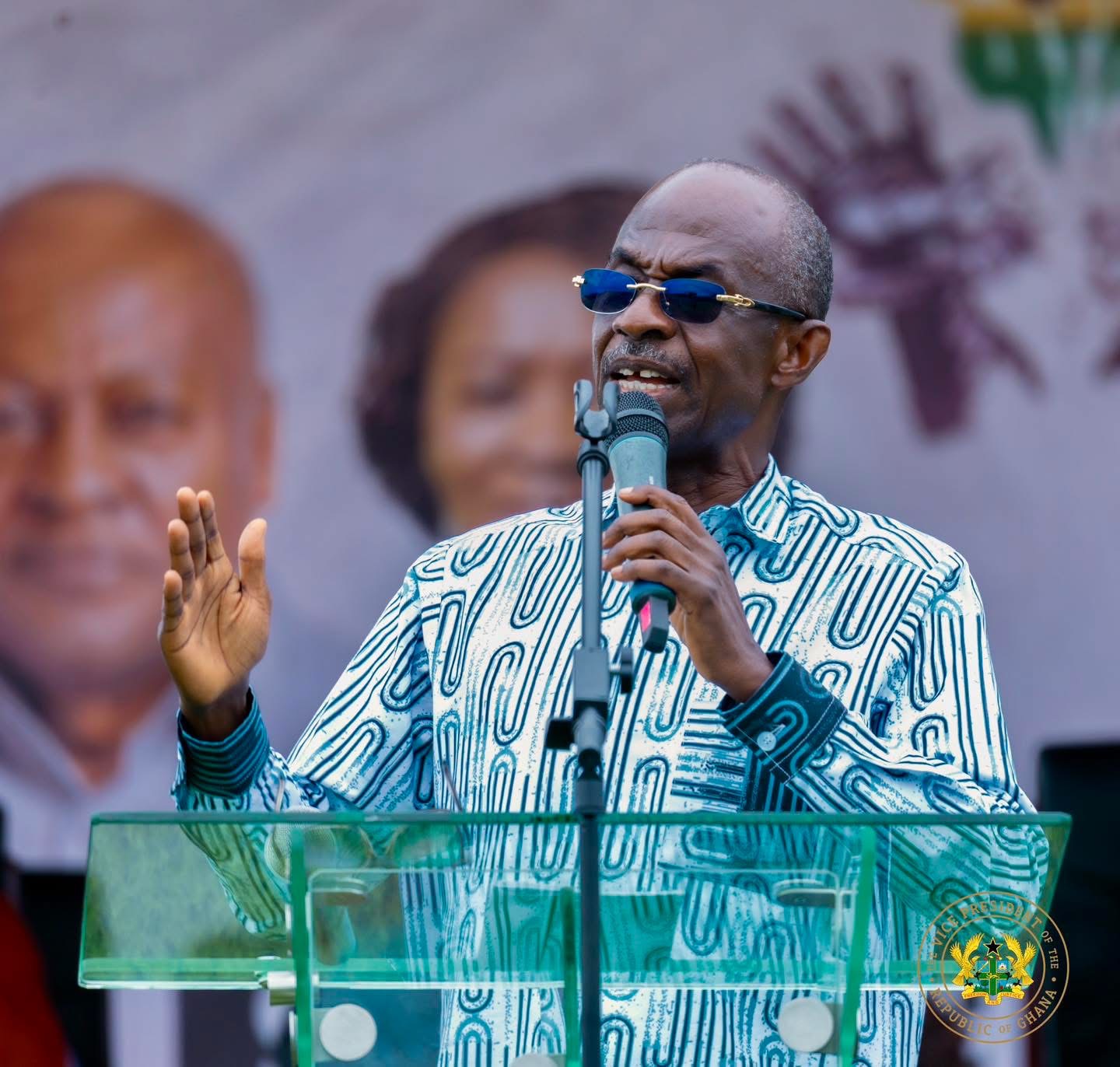
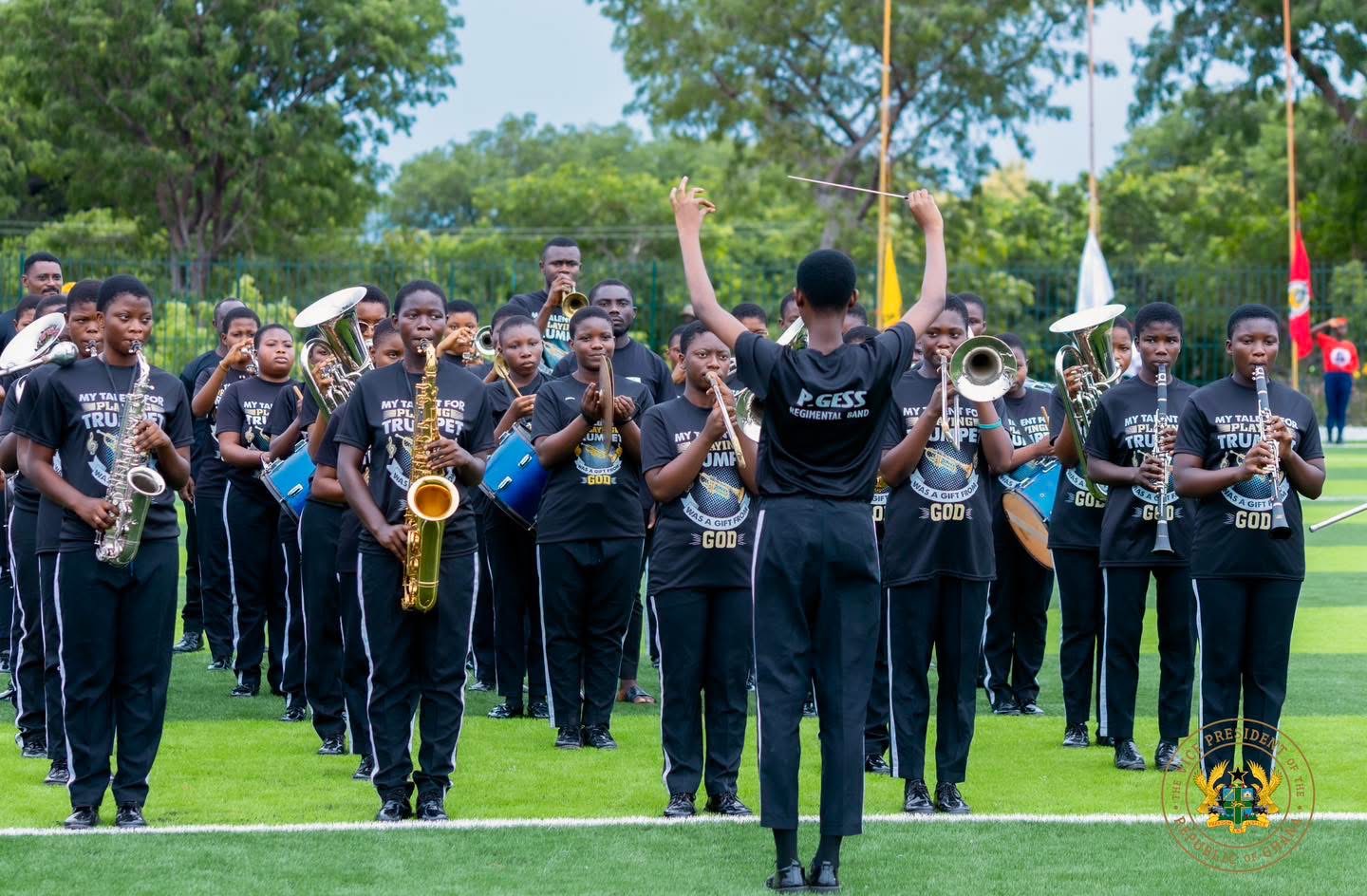
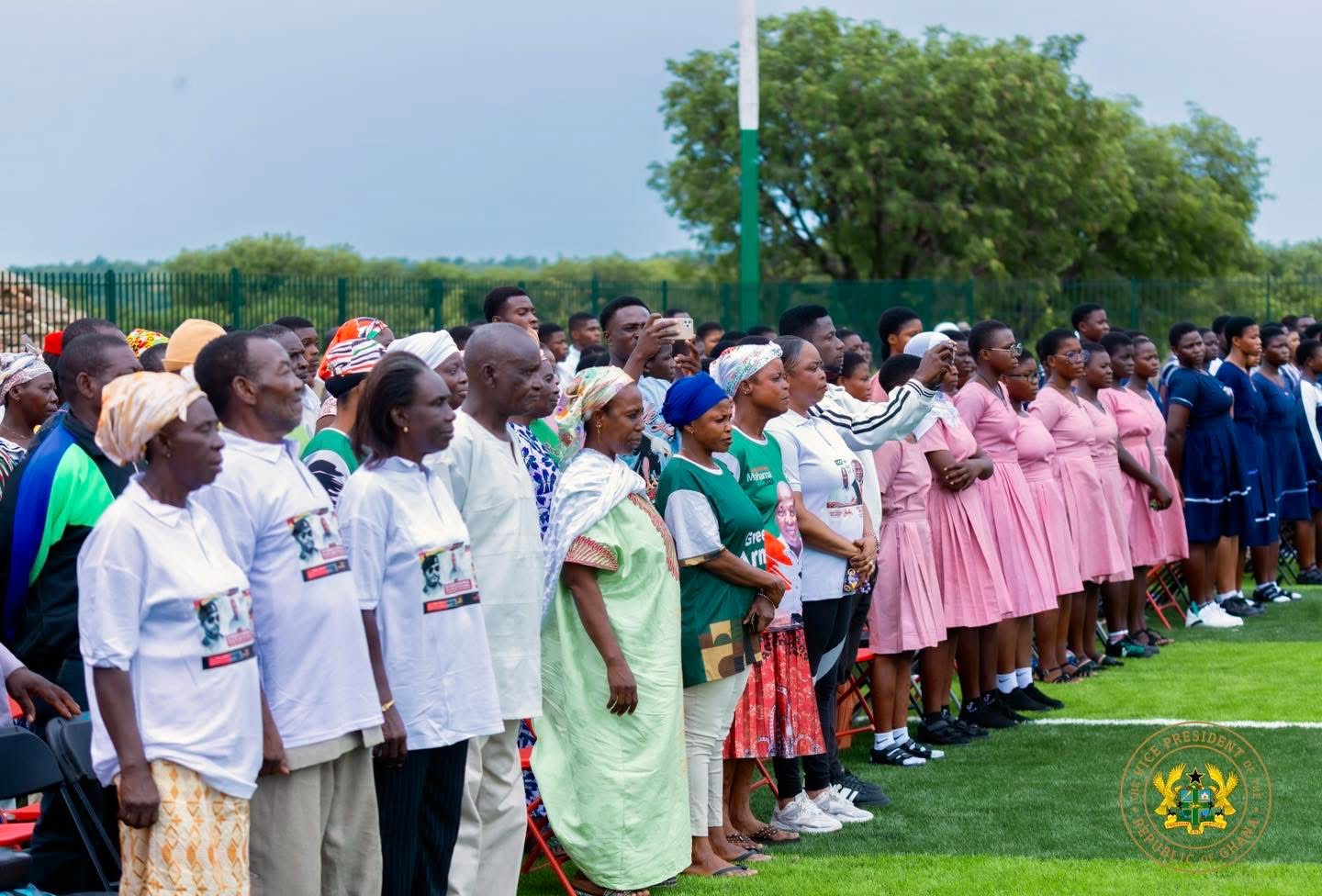
June 4th, 1979 remains one of the most consequential turning points in Ghana’s political evolution. It is a date that refuses to fade, not because of nostalgia, but because its lessons continue to echo through every debate on governance, accountability, and national character. As the nation marked the 47th anniversary in Banda Ahenkro, the reflections offered by Prof. Jane Naana Opoku‑Agyeman reignited a national conversation that Ghana cannot afford to abandon. The uprising was not merely a revolt; it was a rupture, a moment when the country confronted the consequences of corruption, inequality, and the collapse of public trust. Its legacy is therefore not confined to the past. It is a living framework through which Ghana continues to measure leadership, justice, and civic responsibility.

To understand the legacy of June 4th, one must first understand the conditions that birthed it. The late 1970s were marked by economic decline, political instability, and widespread disillusionment. Public institutions were weakened by patronage and mismanagement. The gap between the powerful and the powerless widened. The military, once seen as a stabilizing force, became entangled in the very corruption it was meant to prevent. In this environment, the uprising emerged as a dramatic, if painful, correction. It was a demand for moral clarity in a nation that had lost its bearings. This foundational context is essential to any honest analysis of June 4th’s legacy.
One of the most enduring legacies of June 4th is the national insistence on accountability. Whether one agrees with the methods of the uprising or not, it forced Ghana to confront the consequences of unchecked power. It established a civic expectation that leaders must answer to the people. This expectation has shaped political discourse for decades. It influenced constitutional reforms, strengthened anti‑corruption institutions, and created a culture in which public scrutiny is not only tolerated but demanded. Even today, when citizens question government spending, challenge opaque contracts, or demand transparency, they are drawing, consciously or not, from the moral vocabulary of June 4th. This is why the uprising remains a reference point in discussions about governance. It is not about glorifying the past; it is about insisting that Ghana must never again descend into the conditions that made such an uprising inevitable.
Another critical legacy is the reaffirmation of civic responsibility. June 4th taught Ghanaians that democracy is not self‑sustaining. It requires vigilance, participation, and a willingness to confront wrongdoing. Prof. Opoku‑Agyeman’s call for citizens to play an active role in shaping the Ghana they desire reflects this enduring truth. The uprising may have been led by soldiers, but its moral force came from the frustrations of ordinary people. Today, that same civic energy is needed, not in the form of revolt, but in the form of engagement. Voting, advocacy, community leadership, and public accountability are the modern expressions of the June 4th spirit. Ghana’s democratic stability depends on citizens who refuse to be passive observers.
June 4th also left behind a legacy of institutional introspection. It forced the military to confront its role in governance and ultimately contributed to the professionalization and depoliticization of the armed forces. It influenced the design of the Fourth Republic, which deliberately created stronger checks and balances to prevent the concentration of power. It shaped political party culture, especially within the NDC, where the values of probity, accountability, and social justice remain foundational. These institutional legacies are often overlooked, yet they are central to Ghana’s democratic resilience.
However, the legacy of June 4th is not without complexity. It is a date that evokes pride for some and pain for others. The excesses of the period, the loss of life, and the abruptness of the upheaval remain part of the national memory. A mature analysis must acknowledge these realities. But complexity does not diminish relevance. Instead, it deepens the lessons. June 4th teaches that when institutions fail, the consequences are unpredictable and often tragic. It teaches that reform is always preferable to rupture. It teaches that leadership must be grounded in integrity, humility, and service. These lessons are as urgent today as they were in 1979.
Prof. Opoku‑Agyeman’s reflections in Banda Ahenkro captured this duality, honoring the lessons without romanticizing the turmoil. She emphasized that the Mahama administration’s efforts to reduce government bloat, improve efficiency, and reinforce democratic pillars were rooted in the recognition that Ghana must never return to the conditions that triggered June 4th. This is the modern expression of the uprising’s legacy: governance that is lean, transparent, and accountable. It is a reminder that the best way to honor June 4th is not through ceremony alone, but through responsible leadership and active citizenship.
As Ghana looks ahead, the legacy of June 4th remains a compass. It challenges leaders to govern with integrity. It challenges institutions to uphold justice. It challenges citizens to remain engaged. And it challenges the nation to remember that democracy is fragile when accountability is optional. The uprising may belong to history, but its lessons belong to the future. Ghana’s progress will depend on how faithfully it applies those lessons in the years to come.