
Sankofaonline Special Report
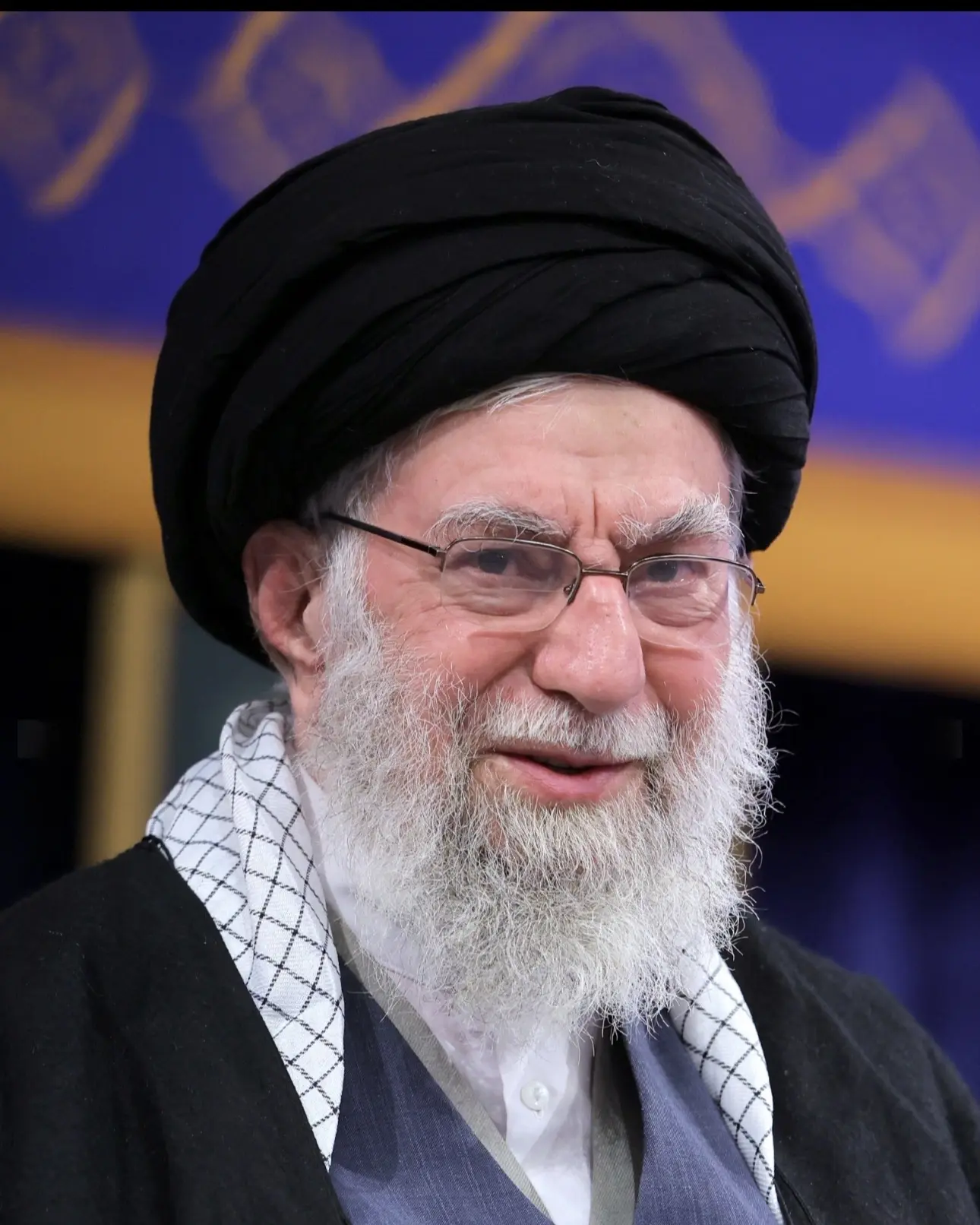
Iran has confirmed the deaths of Supreme Leader Ayatollah Ali Khamenei, the country’s defense minister, and the commander of the Islamic Revolutionary Guard Corps, an extraordinary admission that signals the gravest leadership crisis the Islamic Republic has faced since its founding in 1979.
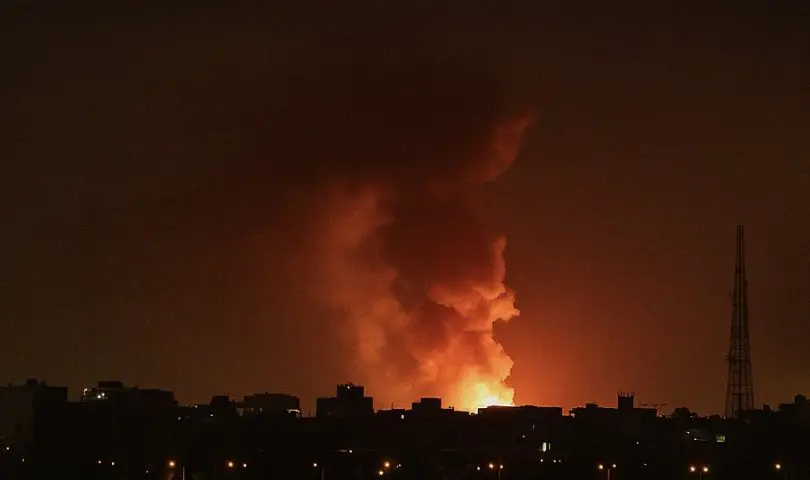
The announcement, delivered by regime secretary Ali Shamkhani, ends a tense period of speculation after a series of devastating strikes shattered key military and political installations in Tehran.
According to Iranian state channels, Khamenei was killed during the initial wave of precision attacks that targeted fortified compounds, intelligence hubs, and IRGC command centers.
His death, long rumored but never officially acknowledged until now, removes the central figure who shaped Iran’s ideological direction, foreign policy posture, and internal power structure for more than three decades. The simultaneous loss of the defense minister and the IRGC’s top commander deepens the shock, effectively decapitating the core of Iran’s military leadership.
The confirmation has sent tremors across the Middle East. Iran has already launched retaliatory missile and drone operations, while Israeli and U.S. forces continue to strike strategic sites inside the country. Tehran’s streets remain heavily militarized, with residents urged to stay indoors as uncertainty grips the capital. Diplomats across the region describe the moment as “unprecedented,” noting that Iran’s political system, built around the authority of a single supreme leader, has no tested mechanism for replacing its top figure under wartime conditions.
Khamenei’s death marks the end of a 36‑year rule defined by strict ideological control, regional proxy warfare, and an unyielding security apparatus. His absence leaves a vacuum at the heart of a system that has long relied on his personal authority to balance rival factions, manage crises, and project power abroad. With the IRGC’s top brass also gone, Iran faces a leadership void at the very moment it confronts escalating external conflict and internal instability.
Regional analysts warn that the coming days will determine whether Iran can maintain cohesion or whether competing power centers, clerical, military, and political, will struggle for dominance.
For now, the regime’s acknowledgment of these deaths marks a turning point, one that could reshape alliances, intensify ongoing conflicts, and redefine the balance of power across the Middle East.