


By Staff Writer, Sankofaonline
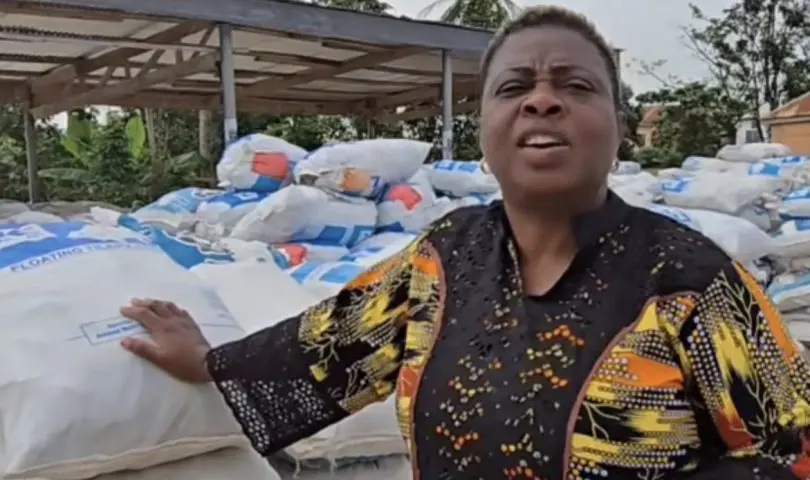
Voice of Freda Yayra Amable, social media influencer.
Ghana is standing on the edge of another preventable economic tragedy , one that looks painfully familiar. In Anfoega, in the Volta Region, lies one of the country’s richest and most untouched deposits of Kaolin, white clay, a resource with enormous industrial value. It is the same clay used globally for ceramics, tiles, porcelain, skincare products, pharmaceuticals , and high‑value industrial compounds.
Yet, instead of building factories, creating jobs, and turning this natural gift into national wealth, Ghana is watching the clay quietly disappear , shipped raw to China, where it is transformed into finished products and sold back to us at a premium. The pattern is unmistakable: the same extractive cycle that is devastating Ghanaian farmlands in the illegal gold rush is now creeping into Anfoega.
This time, the warning is coming early. And it is coming from a daughter of the land, Ms. Freda Yayra Amable.
She is speaking with urgency and conviction, and has issued a plea that Ghana cannot afford to ignore: “Stop eating the white clay. Preserve it. Invest in it. Build with it.” Her message is not an attack on culture , it is a call to convert a common habit into a national economic opportunity.
Anfoega is not just another town. It is, in her words, “the home of white clay” — known locally as Pandoko, Agatawe, Kalaba, or Ailo. The deposits are vast, untouched, and capable of supporting a full industrial ecosystem: ceramics, tiles, bricks, skincare, pharmaceuticals, and export‑grade processed clay.
But instead of factories, what we see today is a disturbing sight: bags of raw clay waiting to be shipped to China, repeating the same colonial‑era pattern of exporting raw materials and importing finished goods. The question Freda asks is the same question every Ghanaian should be asking:
Why should Ghana export wealth and import poverty?
Her appeal is not just emotional — it is strategic. She is calling on investors, entrepreneurs, development partners, and local authorities to step forward and seize an opportunity that is sitting in plain sight. She is inviting business leaders to visit Anfoega, inspect the deposits, and identify factory sites. She is urging the creation of a business case that outlines costs, job creation, product lines, and returns on investment. She is pushing for diversification : ceramics, skincare, pharmaceuticals, and more.
This is not charity. This is business. And it is profitable business.
Malaysia did it. China did it. Rwanda is doing it. Ghana can do it too if we act now.
The alternative is grim. If foreign buyers are allowed to continue extracting raw clay unchecked, Anfoega will face the same fate as communities ravaged by illegal mining: destroyed land, lost livelihoods, and a resource gone forever. Ghana cannot afford another environmental and economic wound inflicted by short‑term thinking and foreign exploitation.
This editorial stands firmly with Freda Yayra Amable’s call. Her voice is not just a local plea , it is a national alarm bell. Investors must listen. Government must listen. The Ghanaian diaspora must listen.
The clay of Anfoega is not a snack. It is not a novelty. It is not a raw export.
It is an industry waiting to be born.
To every investor reading this:
Go to Anfoega. See the deposits. Build the factories. Create the jobs. Capture the value before someone else does.
To policymakers:
Stop the export of raw white clay immediately. Protect the land before it is stripped bare.
To community members:
Preserve the clay. Its value is far greater in a factory than in a mouth.
And to all Ghanaians:
Let us not repeat the mistakes of the past. Let us turn this resource into prosperity, not regret.
The resurrection message Freda invoked on Easter Sunday was simple:
Let something new rise in Anfoega. Let industry rise. Let opportunity rise. Let Ghana rise.

It’s in the right direction ⬆️
Let’s think about it and build our nation Ghana