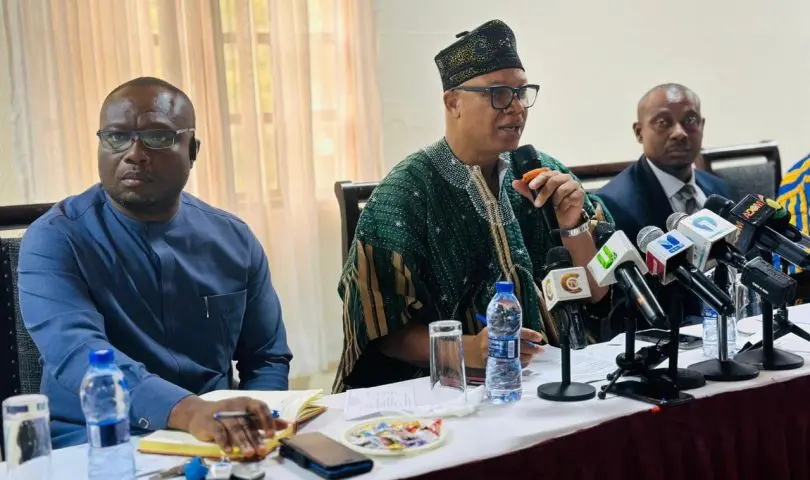

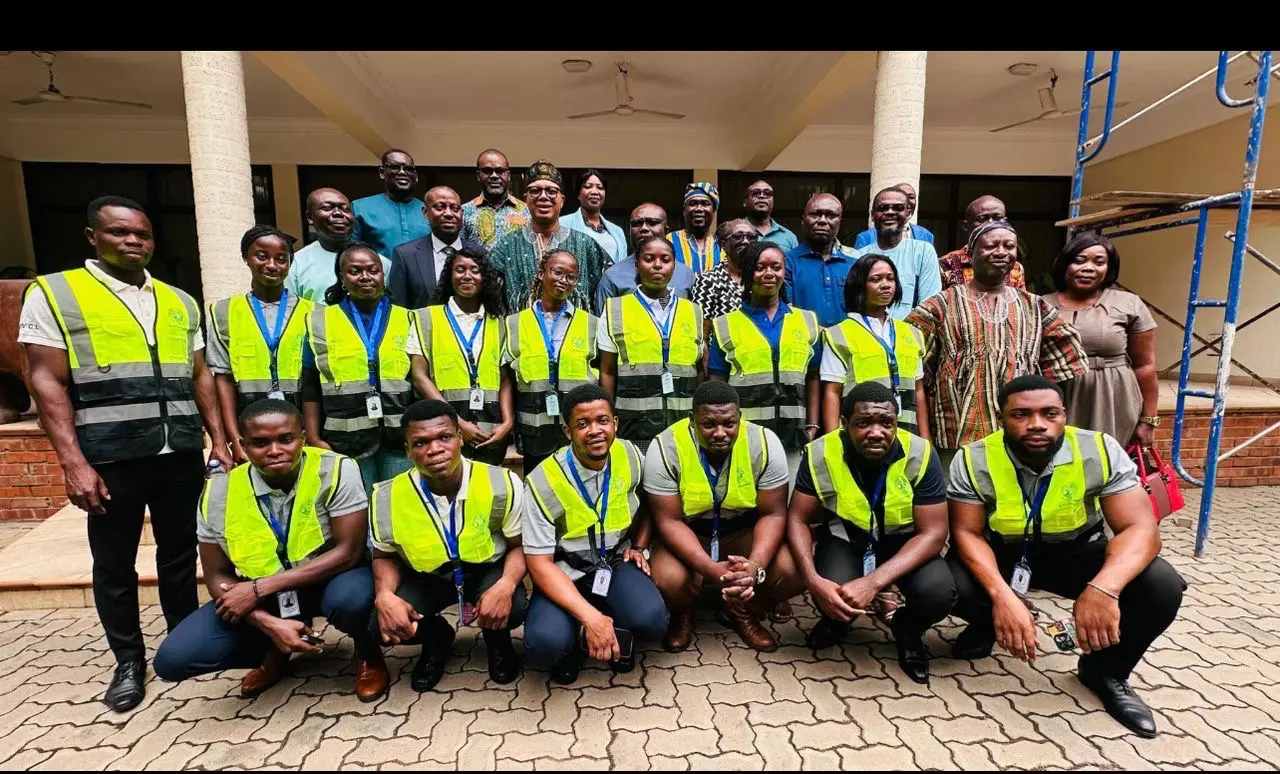
ACCRA, GHANA — In a decisive move to modernize operations and secure its financial future, Ghana Water Limited (GWL) has officially deployed 200 newly trained National Service Personnel to serve as Field Agents.
This specialized cohort is tasked with spearheading a comprehensive revenue recovery and digital transformation drive, focusing initially on the high-density Accra-Tema Metropolitan Area.
The deployment marks a shift in GWL’s operational strategy, moving toward a more proactive, face-to-face approach in community management. These agents are equipped to handle a multi-pronged mission: recovering long-standing arrears, strengthening direct customer engagement, and identifying illegal connections that have historically drained the utility’s resources.
This initiative is a core component of a broader reform agenda designed to scale the company’s infrastructure to meet the surging water demand caused by rapid urbanization and population growth.
Managing Director of GWL, Adam Mutawakilu, described the deployment as a significant milestone in the company’s pursuit of operational excellence and financial sustainability. He noted that while revenue collection is a primary goal, the agents also serve as ambassadors for the company’s technological shift.
“The Field Agents will play a critical role in educating the public on our electronic payment platforms,” Mutawakilu stated. “By transitioning customers to the GWL mobile app and the *1010# short code, we are making the billing and payment process more transparent and convenient for everyone.”
Beyond technical duties, the agents are expected to bridge the gap between the utility provider and the community. By conducting door-to-door outreach, they aim to resolve customer grievances on the spot and build public trust.
Mr. Mutawakilu emphasized that the success of this program hinges on community support, urging residents to cooperate with the agents to ensure the long-term delivery of reliable, sustainable water services across the region.
As GWL continues to integrate digital tools into its workflow, this 200-person task force represents a pilot for what could become a nationwide model for utility management and loss reduction in Ghana.
Ruth Abla ADJORLOLO