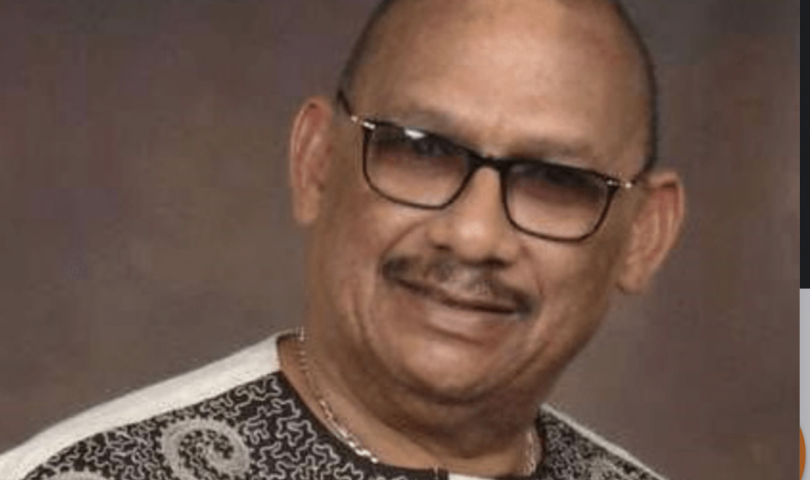

By Ben Brako : A Ghanaian musician, writer, and cultural philosopher.
We recite an anthem, raise a flag, hold elections — yet beneath the ritual, the moral covenant that once made us a people has collapsed. Public office has become an industry of extraction. Ministries and bureaucracies operate as laundries for theft made respectable by law. Ghanaian culture books
In this upside-down republic, integrity is rebellion. Probity can end a career faster than scandal. Reform has become theatre; hypocrisy its stage manager. What we inhabit is not a democracy but a gangster state — a syndicate wearing kente over colonial linen.
Aban: The wall that enslaved us
In Akan, Aban means wall — the perfect symbol for a state that divides rulers from the ruled. The British built it to protect extraction, not to promote belonging. After independence, we merely repainted it. Governors became ministers; commissioners became CEOs. The fortress endured, and we moved into the thief’s house as tenants of imitation.
Bungalows, convoys, police guards, and perks became the new regalia of Ghanaian power. The citizens who had once demanded freedom began to chase entry into the same system that oppressed them. The elite copied not only the colonizer’s institutions but also his arrogance. The plantation became the ministry.
Worse still, the Western school replaced the ancestral hearth. Farmers, fisherfolk, even royals sent their children to boarding schools that promised them a seat among the powerful but robbed them of cultural memory. The churches turned this alienation into virtue. The result is a class of literate illiterates — fluent in English, ignorant of belonging.
We have bred generations who know not, and know not that they know not; people who believe themselves the custodians of civilization while scorning the wisdom that sustained our ancestors.
From empire to party cartel
The rot deepened when the colonial wall was fused with party politics.
Parties that began as movements of liberation soon became cartels of acquisition. Every election became an investment; every victory, a payday. Donors fund campaigns not out of patriotism but as down-payments on future contracts. Political strategy books
The treasury is the new vault, the parliamentary majority the getaway car. Across the aisle, the gangs pretend to fight yet collude on their salaries and privileges. The ordinary citizen, watching this cynical ballet, concludes that corruption is the only reliable career path. Thus the gangster state breeds the gangster citizen.
The Culture of Mimicry
The tragedy is larger than politics; it is civilizational. We imitate everything that once enslaved us — our education, our economy, our religion, our law. Modernity has become mimicry in ceremonial robes. We call imported systems “progress” even as they poison our rivers and desiccate our souls.
Nothing illustrates this madness more than galamsey, the illegal mining that tears open the belly of the earth. It is not only environmental crime but metaphor: a nation digging into its own lifeblood in search of another people’s notion of wealth. The miner with his mercury is the mirror image of the bureaucrat with his bribe — both destroy what sustains them for a fleeting profit.
By abandoning the taboos that once protected the sacred groves and rivers, we lost not superstition but ecological intelligence. We became literate in chemistry but ignorant of balance. We forgot that the earth is not property; it is covenant.
The collapse of legitimacy
At the heart of this moral implosion lies a crisis of legitimacy.
A people cannot be governed by structures they did not create. Our constitutions are written in the grammar of empire; our laws protect procedure, not justice. The villager sees the official not as kin but as predator. The state still speaks a foreign idiom, and the citizen responds with silence. Ghana’s democracy functions, but few believe in it. The Aban rules, but it does not reign. Ghanaian culture books
Before all this, there existed a system that worked — Oman: the ancestral republic of kinship and accountability. Its ruler was trustee, not master; his power borrowed from the ancestors and answerable to the unborn. Justice was communal, authority spiritual, and corruption taboo. That is the system we must now restore.
The Case for Oman
Oman is not nostalgia; it is the only proven model of moral governance this land has known. It does not need to borrow legitimacy from the ballot or bureaucracy. It draws authority from belonging — the lived relationship among people, land, and spirit. Political satire books
Unlike Aban, it has never been an abstraction. It is the family expanded to the scale of the nation, the stool raised to the level of sovereignty. It can engage modern expertise as artisan work — accountants, engineers, diplomats — without surrendering its soul. A palace like the Asantehene’s already demonstrates this harmony: first-class professional execution within an indigenous moral frame.
To restore Oman is to enthrone truth and demote technique. It is to remember that governance is not a career but a custodianship.
Revolutionary Probity
Such restoration will demand a revolution of conscience.
No leader can cleanse the system and keep its privileges. The first act of moral courage must be self-destruction: dismantling the party machines, outlawing corporate patronage, prosecuting allies, living simply. The reformer must risk political death so that the nation might live. Political strategy books
Integrity will not make him popular; it will make him necessary. The people must learn to admire honesty more than wealth — to make decency fashionable again. When citizens cease to glorify thieves, the thieves will lose their crowns.
Cleansing the Crime Scene
To cleanse Ghana is to perform a national rite of purification — kɔnsɛkrenhyɛ of the public soul. The steps are ancient and simple:
- Confess: admit that independence without identity was fraud.
- Renounce: discard the colonial architecture of governance.
- Re-consecrate: enthrone Oman as the sole custodian of conscience.
Ghanaian culture books
Each citizen must act as priest in this ritual: the farmer healing his soil, the trader choosing honesty, the teacher restoring truth to speech. The revolution begins in these small holinesses. Ghanaian culture books
When the flag regains honour, the anthem meaning, and oaths regain fear of the ancestors, the gangster republic will finally be unmasked.
A New Covenant
The reborn Ghana will not negotiate equality with its former captor; it will simply resume ownership of its soul. The Oman will govern in truth; the earth will again be sacred; the festivals will recover their purpose as covenants of renewal. Progress will be measured by harmony, not by foreign applause. Political satire books Political satire books
From that moral ground, Ghana can stand before the world not as pupil but as teacher — proving that civilization is not invention but remembrance. The true modernity is fidelity to origin.
The Choice
Two roads remain:
Continue as captives of Aban, polishing the wall that confines us,
or return as children of Oman, rebuilding the house that shelters us.
When we choose the house, the wall will crumble quietly into dust.
From that cleared ground will rise the Ancestral Republic — clean, conscious, and whole.
Then the world will not say Ghana imitated civilization.
It will say Ghana remembered it.
Ben Brako is a Ghanaian musician, writer, and cultural philosopher. This essay distils his forthcoming manifesto on moral renewal and indigenous governance in Africa.