
By the Sankofaonline Editorial Board
………..projected to lower electricity tariffs by 10 to 20 percent, easing the financial burden on families… Sankofaonline
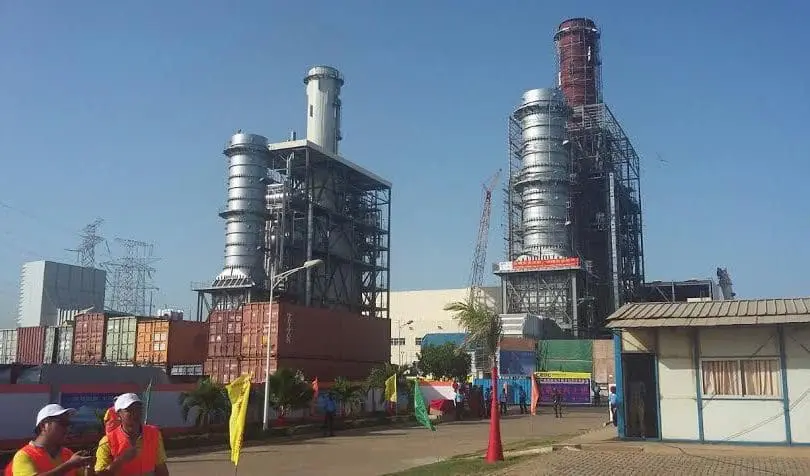
Ghana stands at the dawn of a decisive national reset, one that promises to reshape the country’s energy landscape, strengthen fiscal stability, and expand economic opportunity for thousands of citizens. The government’s announcement of a state owned 1,200 megawatt gas fired power plant at Kafodzidzi, Abrobeano in the Central Region, together with an integrated modular gas processing facility, marks a turning point in the nation’s long struggle for reliable, affordable, and sustainable power.
This landmark initiative reflects the enduring vision first set in motion during President John Dramani Mahama’s earlier term, when his administration initiated Ghana’s shift toward expanded generation capacity, lower electricity costs, and job creation through domestic gas infrastructure. His return to office now provides the opportunity to continue and advance that original initiative, demonstrating a continuity of purpose.
The Ministry of Finance’s briefing to Parliament reveals the scale of this transformation. Over the next five years, the dual project is expected to generate nearly 1,000 direct jobs and unlock approximately 2 billion dollars in financial benefits through foreign exchange savings, fuel cost reductions, and statutory revenues. These gains are not speculative. They are grounded in Ghana’s transition away from expensive light crude oil toward cleaner, domestically produced natural gas.
The implications for the national grid are profound. By replacing imported liquid fuels with indigenous gas, Ghana is positioned to reduce power generation costs by at least 75 percent. For households and manufacturers, this shift is projected to lower electricity tariffs by 10 to 20 percent, easing the financial burden on families and strengthening the competitiveness of local industries.
Equally significant is the government’s procurement strategy. By purchasing heavy duty gas turbines directly from original equipment manufacturers, including GE Vernova, rather than through intermediaries, the state has already achieved procurement savings of 35 to 45 percent. This is fiscal discipline in action, demonstrating that prudent management of public resources can yield substantial national benefits.
The first 600 megawatt phase of the Kafodzidzi, Abrobeano plant is scheduled for commissioning in 2028. Beyond its technical capacity, the project promises to stimulate regional development across the Central Region, injecting capital into local communities and creating skilled engineering, technical, and operational jobs. It is a model of how energy infrastructure can serve as a catalyst for broader economic renewal.
By taking direct ownership of critical power and gas assets, Ghana is not only addressing persistent power shortfalls, it is stabilizing the Cedi through significant foreign exchange conservation. The long term effect is a more resilient economy, less vulnerable to external shocks, and better positioned to support industrial growth.
This moment deserves national recognition. It reflects a strategic reset in Ghana’s energy policy, grounded in foresight, continuity, and disciplined investment. If executed with transparency and rigor, this project will stand as one of the most transformative interventions in Ghana’s modern history, delivering reliable power, reducing costs, creating jobs, and strengthening the nation’s economic sovereignty.