
By Stephen Apolima
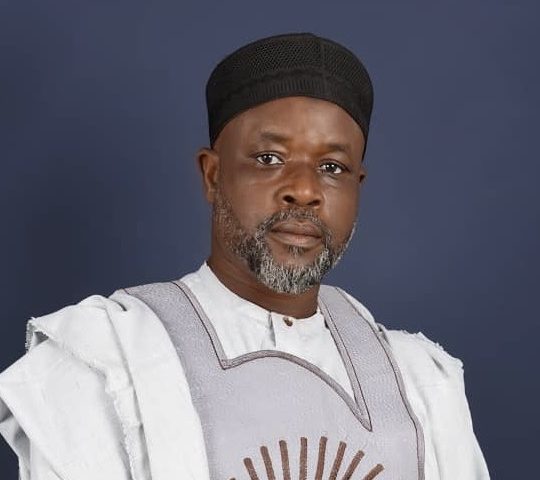
ACCRA, GHANA — Ghana’s transition toward sustainable transportation is taking a significant step forward under the leadership of Alhaji Alhassan Ushawu, the Deputy Director in charge of Operations for the International Drivers Road Transport Union (IDRTU) of the Trades Union Congress (TUC). Working alongside international partners from Japan, Korea, and China, the IDRTU is spearheading the rollout of Electric Vehicle (EV) Bus Services across the country—an initiative expected to reshape public transport and create new economic opportunities.

The nationwide EV bus project is designed not only to modernize Ghana’s transport network but also to support the country’s broader environmental commitments. As global pressure mounts for cleaner energy and reduced emissions, the shift toward electric mobility aligns with Ghana’s efforts to contribute to global net-zero goals. By replacing traditional diesel-powered buses with electric alternatives, the initiative promises cleaner air, reduced fuel dependency, and long-term cost savings for the transport sector.
One of the most striking aspects of the project is its potential to generate thousands of jobs for Ghanaians. From technical roles in vehicle maintenance and charging infrastructure to administrative and operational positions, the EV bus rollout is expected to open employment opportunities across multiple regions. According to officials within the IDRTU, these jobs will span various skill levels, offering both young people and experienced workers a chance to participate in Ghana’s evolving transport economy.
Under Alhaji Ushawu’s supervision, the project is advancing through structured phases, including technology transfer from international partners, specialized training programs for Ghanaian workers, and the establishment of EV-friendly routes and charging stations. Stakeholders say collaboration with Asian partners brings valuable expertise that will support Ghana’s long-term sustainability agenda.
As the EV Bus Services project progresses, it stands as one of the most ambitious transport initiatives undertaken by a labor union in the country. It reflects a growing recognition of the role unions can play in national development — beyond advocacy and worker welfare — by directly contributing to innovation, employment, and environmental resilience.
Ghana’s move toward electric mobility marks a new chapter in its public transport history. With continued collaboration and effective implementation, the initiative led by IDRTU under the direction of Alhaji Alhassan Ushawu has the potential to become a model for sustainable transportation across West Africa.