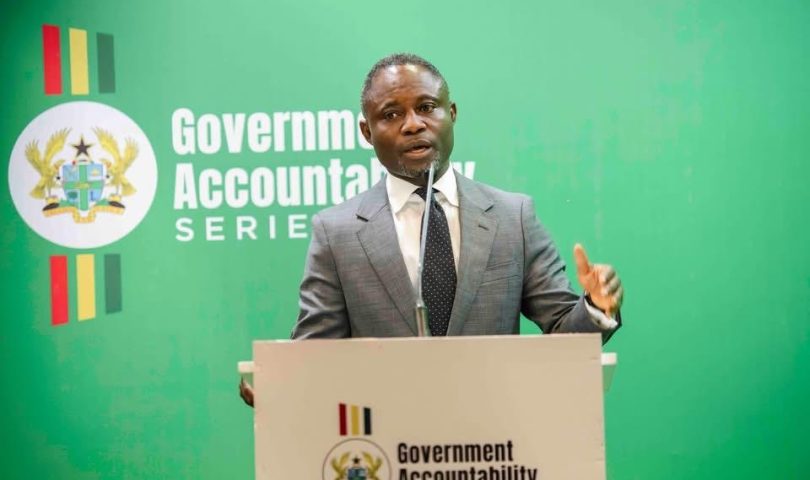

Accra, Ghana – Health Minister Kwabena Mintah Akandoh has announced a record allocation of GHS34.22 billion to the health sector in the 2026 Budget, representing 11.3% of total government expenditure and a 9.4% increase over 2023, signaling a sustained government priority on health. The Minister highlighted the uncapping of the National Health Insurance Levy (NHIL) as having revitalized the sector’s financing, leading to notable improvements in the National Health Insurance Scheme (NHIS).
NHIS membership has expanded from 18 million to 20 million within a year, now covering 60% of the population, and claims payment timelines have dramatically reduced to under three months, down from previous 9-12 month delays, following an average 120% tariff increase for providers.
Crucially, the Minister launched MahamaCares, described as the largest social intervention in health since the NHIS’s establishment, to directly tackle catastrophic health expenditure driven by Non-Communicable Diseases (NCDs) like hypertension, diabetes, and cancer, which currently account for 43% of national deaths. In 2026, MahamaCares will receive GHS2.259 billion, which is 20% of the total NHIF allocation of GHS11.416 billion, to cover high-cost treatments such as dialysis, cancer care, and renal care, with funds now being actively disbursed to accredited centres.
In addition to the new social health fund, the 2026 budget includes the largest capital investment in health infrastructure in recent years, with total capital expenditure (CAPEX) reaching GHS2.04 billion, including GHS1.1 billion from the Government of Ghana. This funding will facilitate the construction of new regional hospitals in Savannah, Oti, and Western North regions (GHS600 million allocated), and the completion of longstanding projects including the La General Hospital (GHS60 million), Komfo Anokye Maternity Block, Sewua Regional Hospital, and ten Agenda 111 sites following a recent audit.
The Minister also announced a comprehensive retooling programme, allocating GHS1.5 billion for the implementation of Free Primary Healthcare, focusing on primary care equipment for CHPS compounds and expanding district hospitals.
However, the Minister also raised significant value-for-money concerns over the 2018 contract with drone delivery service Zipline, revealing that the government pays $88,000 monthly per centre across six centres, amounting to about $520,000 per month. An audit indicates that only 12% of the areas served qualify as “hard-to-reach,” and only 4% of deliveries meet the “emergency” classification, prompting a review of the service’s cost-effectiveness.
The Minister affirmed that despite this, the government is proceeding with critical investments including the procurement of three cardiac catheterisation labs and the acquisition of forensic DNA technology.
Ruth Abla ADJORLOLO