


By Joyce Atsitsogbui | Published in partnership with Sankofaonline.com
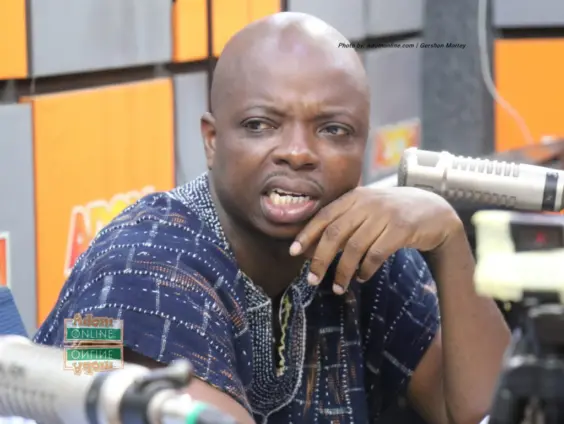
In Ghana’s democratic landscape, speech is a right but it is not an acceptable political weapon. It is a privilege earned through responsibility, not a license to provoke disorder. The recent arrest and remand of Kwame Baffoe, widely known as Abronye DC and serving as the Brong Ahafo Regional Chairman of the New Patriotic Party (NPP), is more than a legal development. It is a civic reckoning.
Baffoe stands accused of offensive conduct deemed likely to provoke public disorder. His case follows closely on the heels of another: Mohammed Ibrahim, a farmer who was sentenced to four years in prison for publishing false news designed to incite fear and destabilize public trust. Ibrahim’s claims, that the Ghana Police Service was recruiting fake officers to kill citizens during the December 2024 elections, were not just reckless. They were dangerous. They threatened the very fabric of public confidence in our institutions.
These incidents are not isolated. They are symptoms of a growing crisis in political discourse, where provocation masquerades as patriotism and misinformation is dressed up as activism. But the law is not blind to intent. It sees through the theatrics and holds accountable those who cross the line.
Freedom of speech is a cornerstone of democracy. It allows us to challenge, to question, to dissent. But it does not grant immunity for falsehoods. It does not protect those who deliberately mislead the public, incite panic, or undermine peace.
The Constitution guarantees expression, but it also demands responsibility. It draws a line between critique and chaos, between advocacy and anarchy.
Political activists and commentators must understand that their words carry weight. They shape public sentiment. They influence national mood. And when misused, they can ignite unrest. The microphone is not a shield. It is a mirror. It reflects the values of the speaker and the consequences of their speech.
Let the cases of Abronye DC and Mohammed Ibrahim serve as a warning. Let them remind us that in the pursuit of influence, truth must remain sacred. Let them teach us that leadership is not measured by volume, but by vision. And let them reaffirm that in Ghana, freedom of speech is not freedom to destroy, it is freedom to build, to elevate, and to protect the soul of our democracy.
Published in collaboration with Sankofaonline.com—where legacy meets accountability.
The incorruptible truth. Powerful piece.