


Sankofaonline Editorial Desk| September 8 , 2026
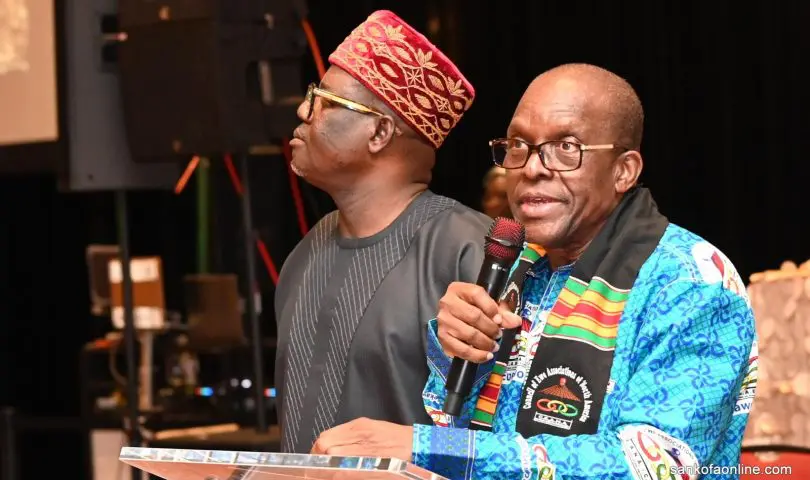
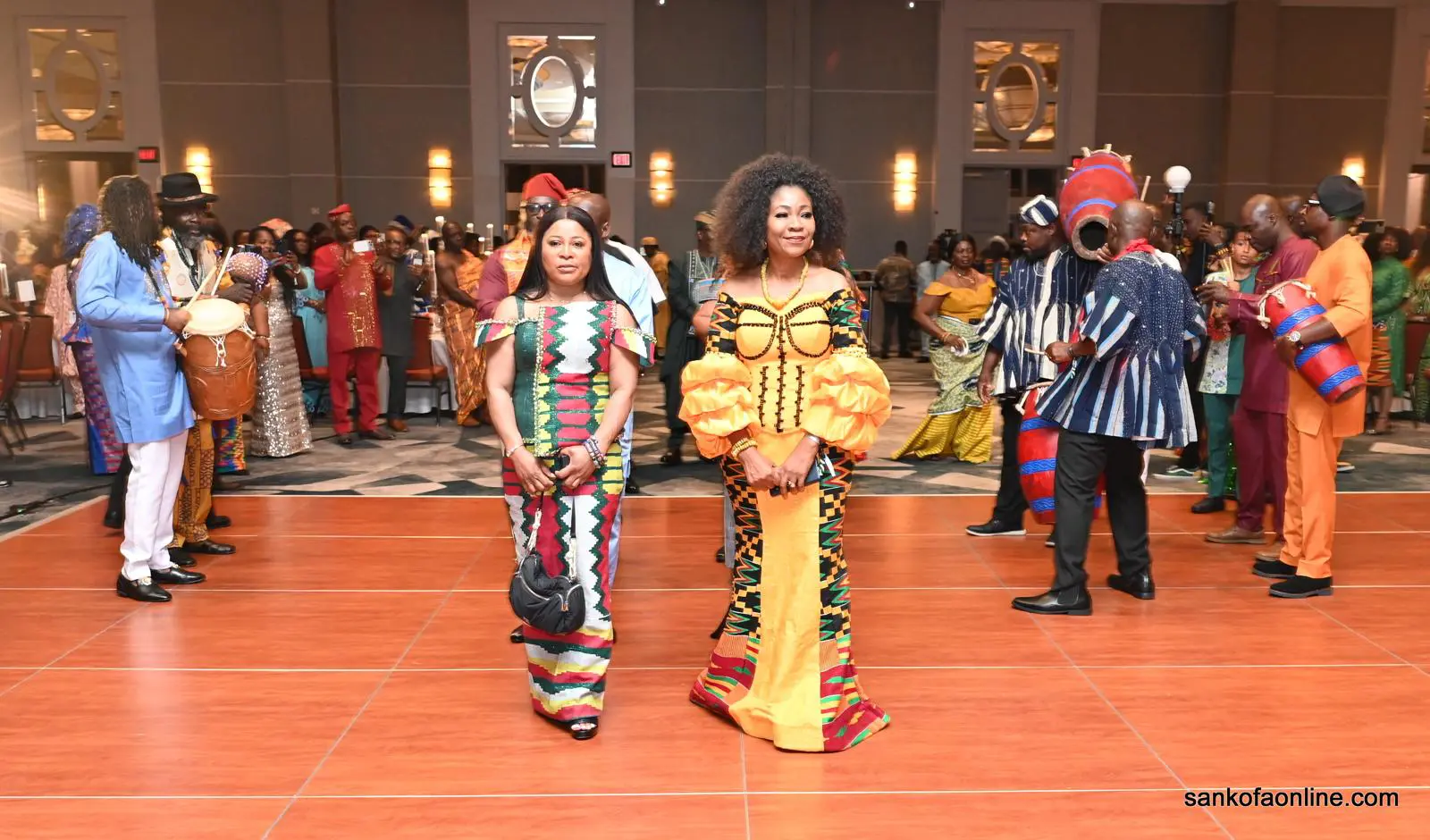
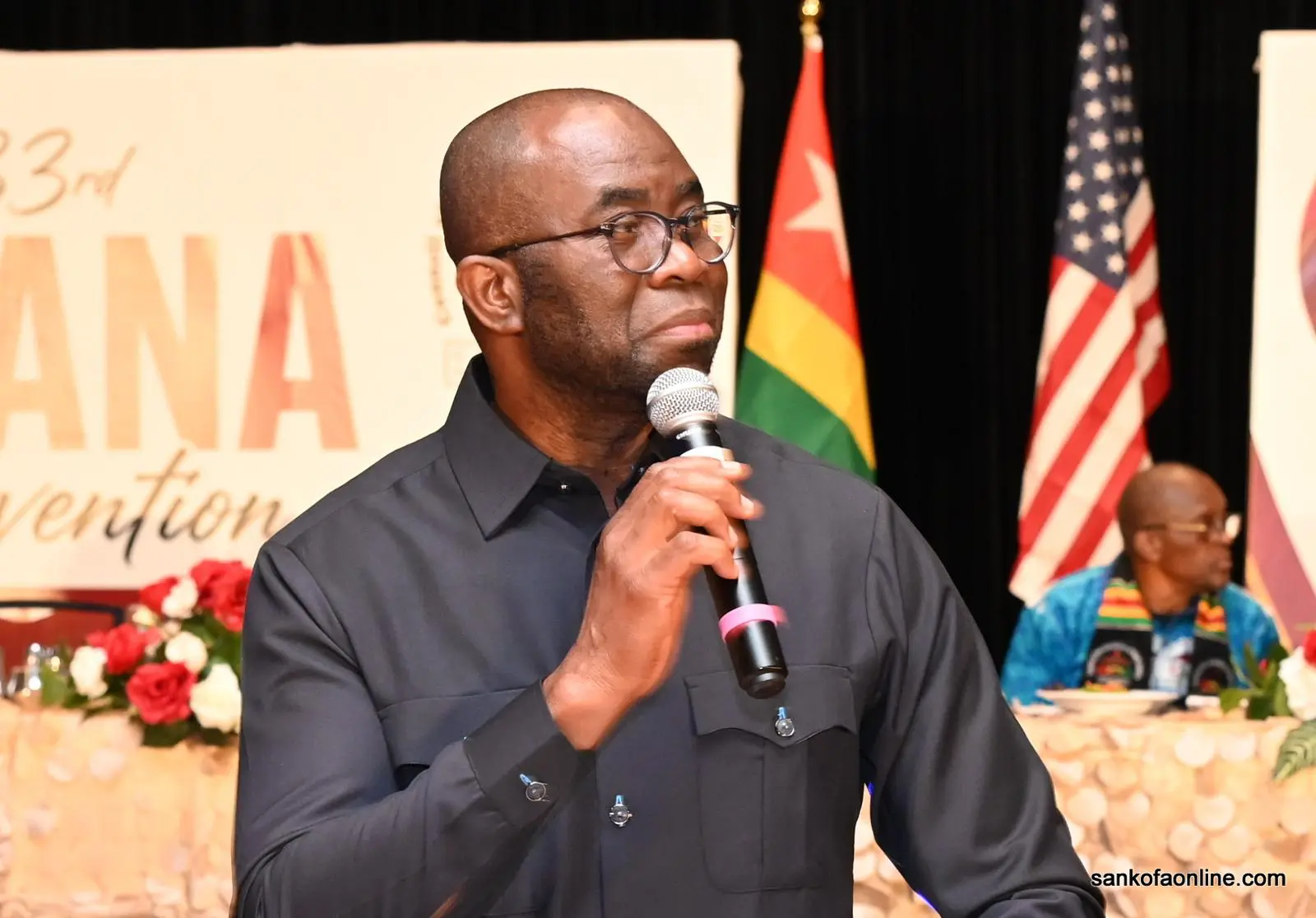
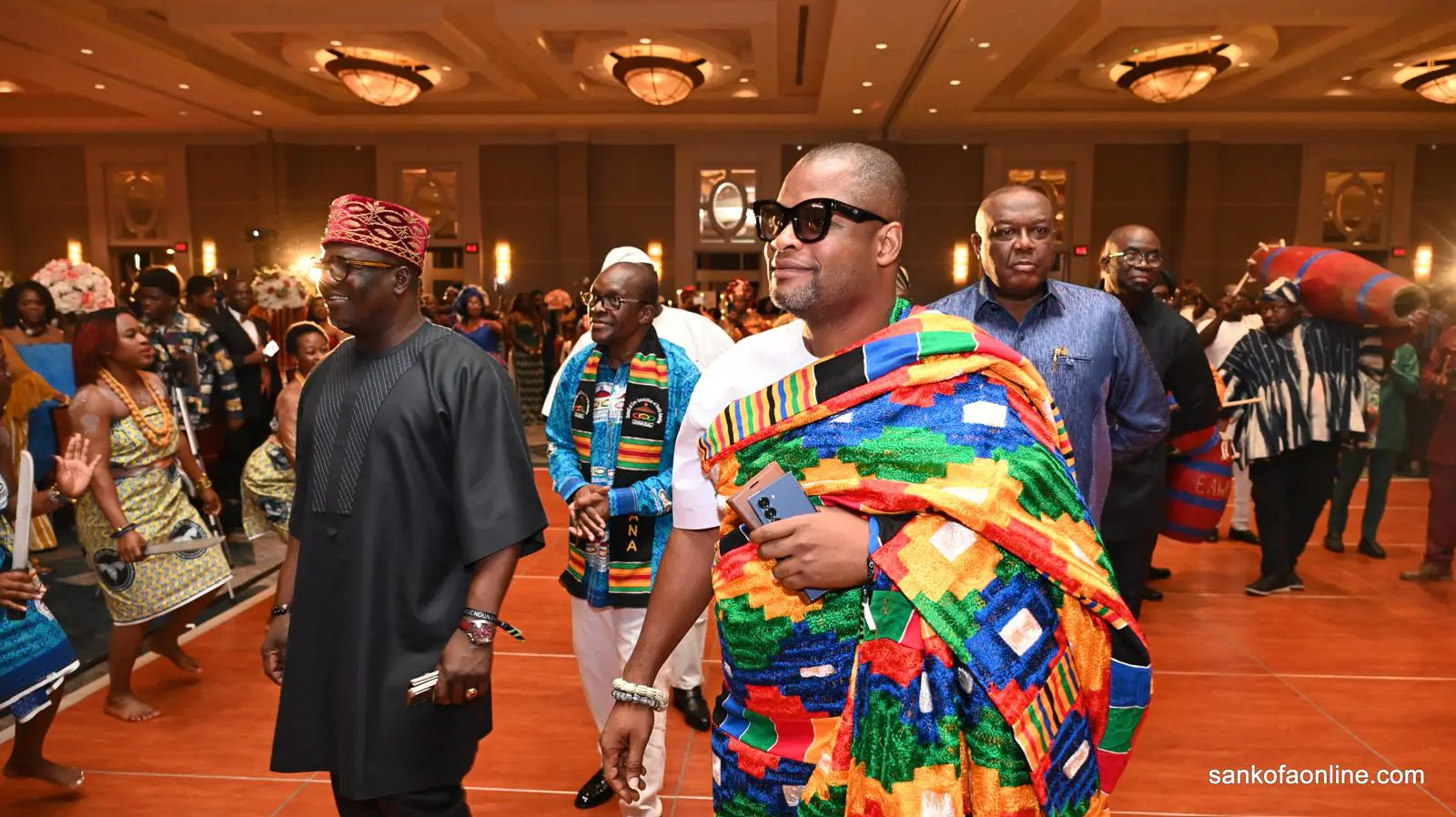
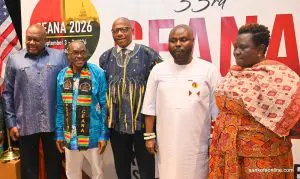
The 33rd Annual CEANA Convention in Bethesda did not merely host a guest of honor ,it hosted a political thunderstorm. Rt. Hon. Alban S. K. Bagbin, Speaker of Ghana’s Parliament, walked into the ballroom not as a distant dignitary, but as a cultural son returning home with fire in his bones and a mandate in his voice. What unfolded was not a speech. It was a reckoning. A rally. A rebirth. A diaspora awakening delivered with the force of a man who has seen nations rise, communities fall, and knows exactly what the diaspora must do next.
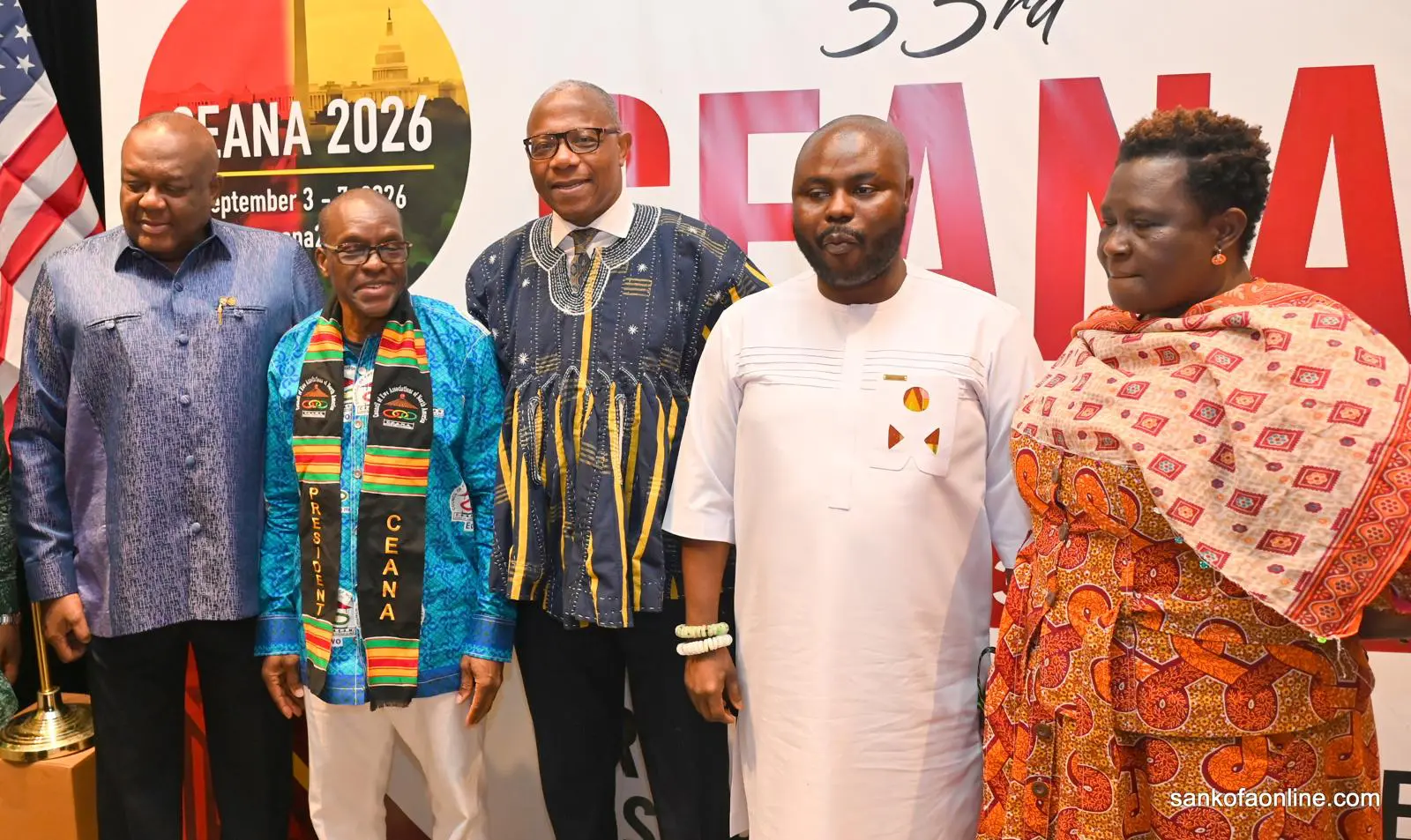
Bagbin began by making one thing unmistakably clear: CEANA is not just another diaspora association. It is the one he has personally sponsored Members of Parliament to attend. It is the one he has attended twice himself. Leaders talk; Bagbin shows up. And on this night, he showed up with purpose. “Actions speak louder than words,” he declared, and the room responded like a congregation hearing prophecy.
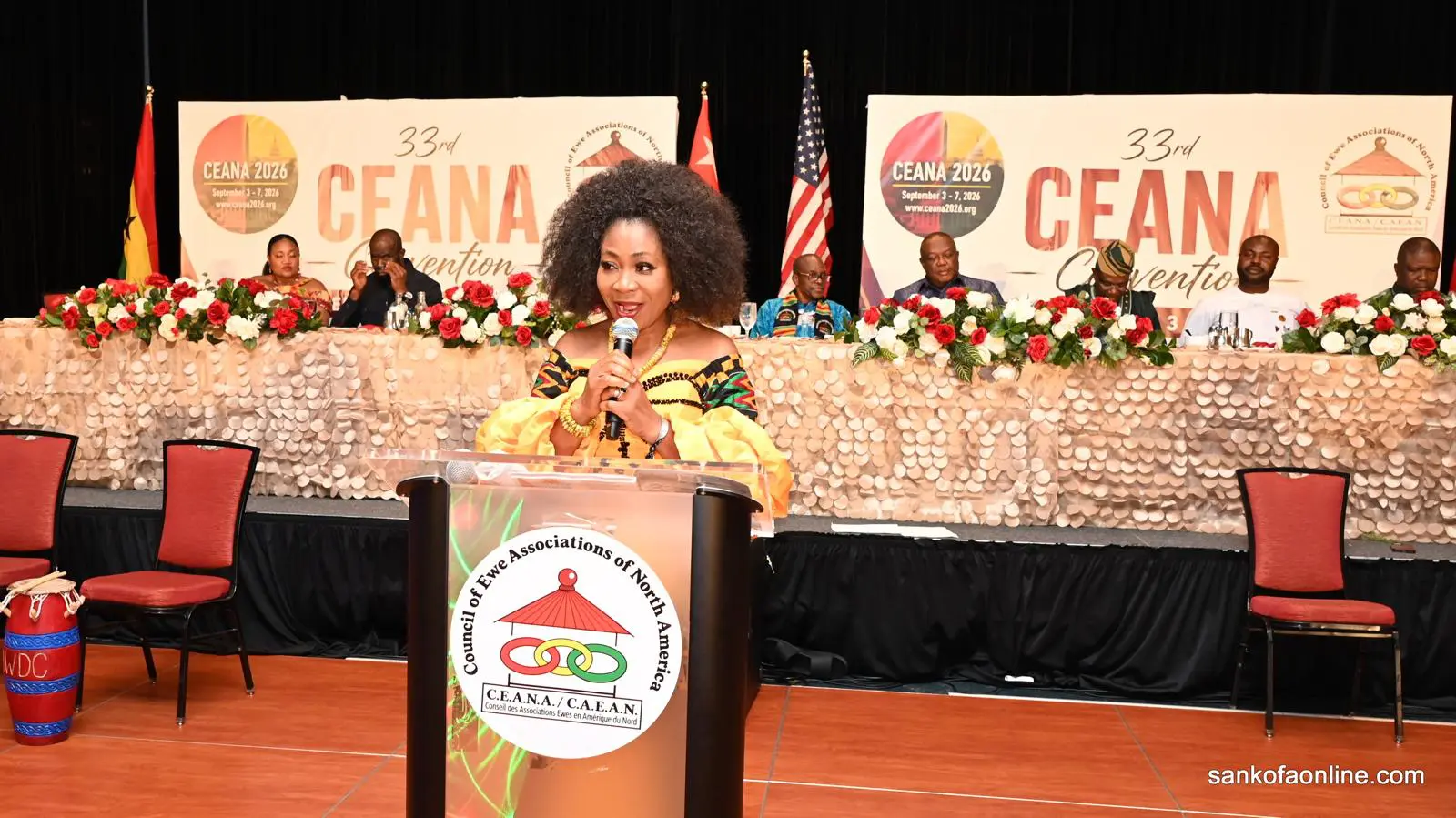
CEANA, he reminded them, was born from a handful of Ewes in Washington in 1993 who dared to ask what they could do for one another and for home. From that humble question grew an organization that builds schools, supports healthcare, funds scholarships, and responds to crises. CEANA has proven that culture is not only for dancing ,it is for development. It is for nation building. It is for legacy.
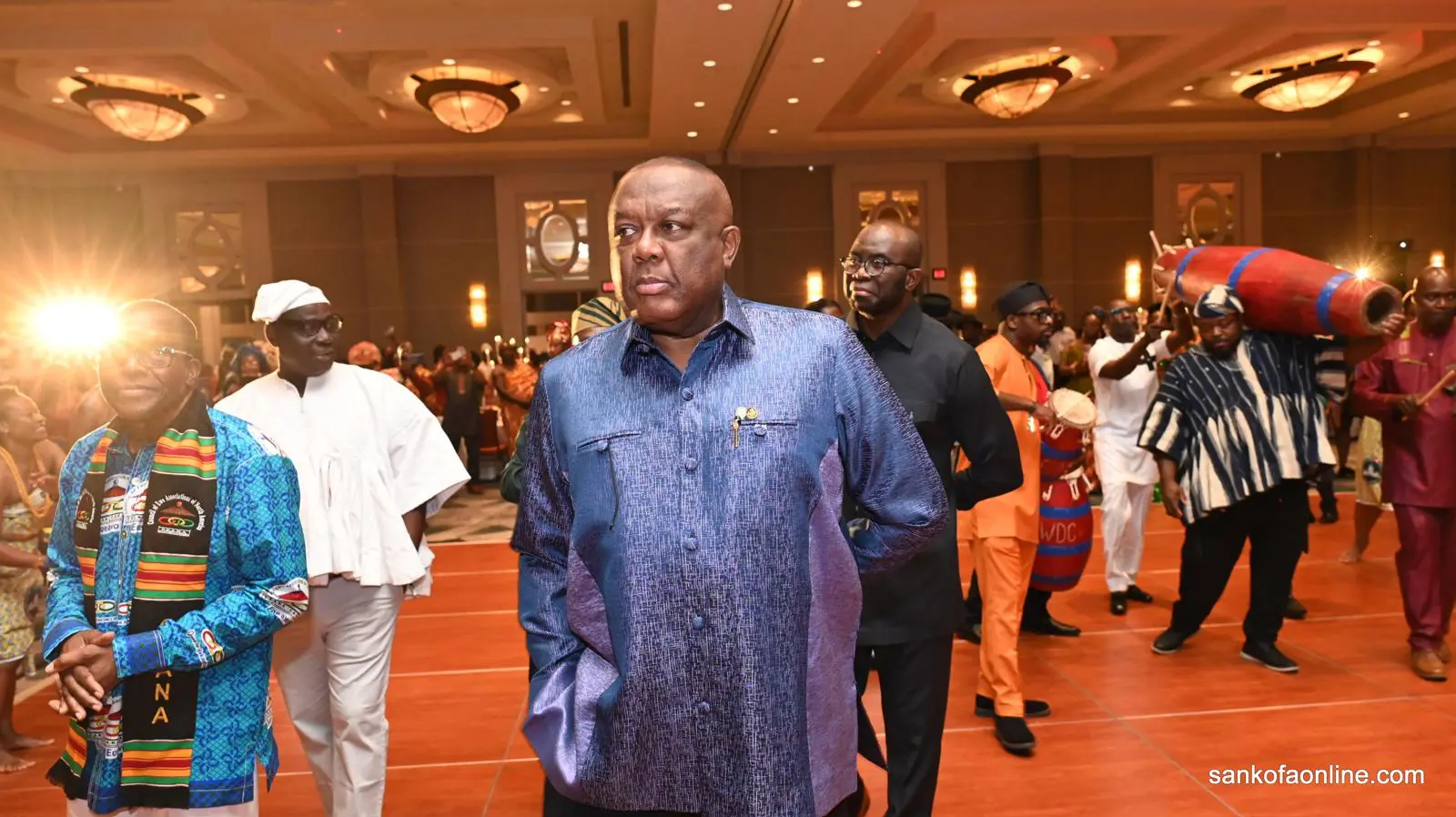
Then Bagbin dropped the question that froze the room: What will the people back home remember this 33rd convention for? Not the drumming. Not the reunions. Not the photographs. Legacy. That was the word he hammered into the hearts of every diasporan present. Legacy that can be seen. Legacy that can be touched. Legacy that will outlive them.
He urged members of CEANA to dream beyond incremental projects and pursue a mega, generational initiative , a project that would permanently etch CEANA’s name into the story of Eweland. He pointed to CEANA’s proposed partnership with the University of Health and Allied Sciences to establish a cancer research and treatment centre in Ho. A centre that could save lives. A centre that could end the cruel medical exile families face. A centre that could make CEANA immortal. It was not a suggestion. It was a dare.
But Bagbin did not stop there. He confronted the diaspora’s long-standing pattern of remittance-based support , school fees, hospital bills, funerals, emergencies. Important, yes. But insufficient. “We must move our people away from the dependency syndrome,” he said, his voice rising. “The best help is not sending money every month. The best help is creating opportunity.” He challenged CEANA to evolve into an economic, professional, and investment bridge , connecting lawyers to reforms, doctors to health systems, engineers to infrastructure, entrepreneurs to markets, and investors to credible projects. He demanded a shift from remittances to wealth creation. From sympathy to strategy. From nostalgia to nation building.
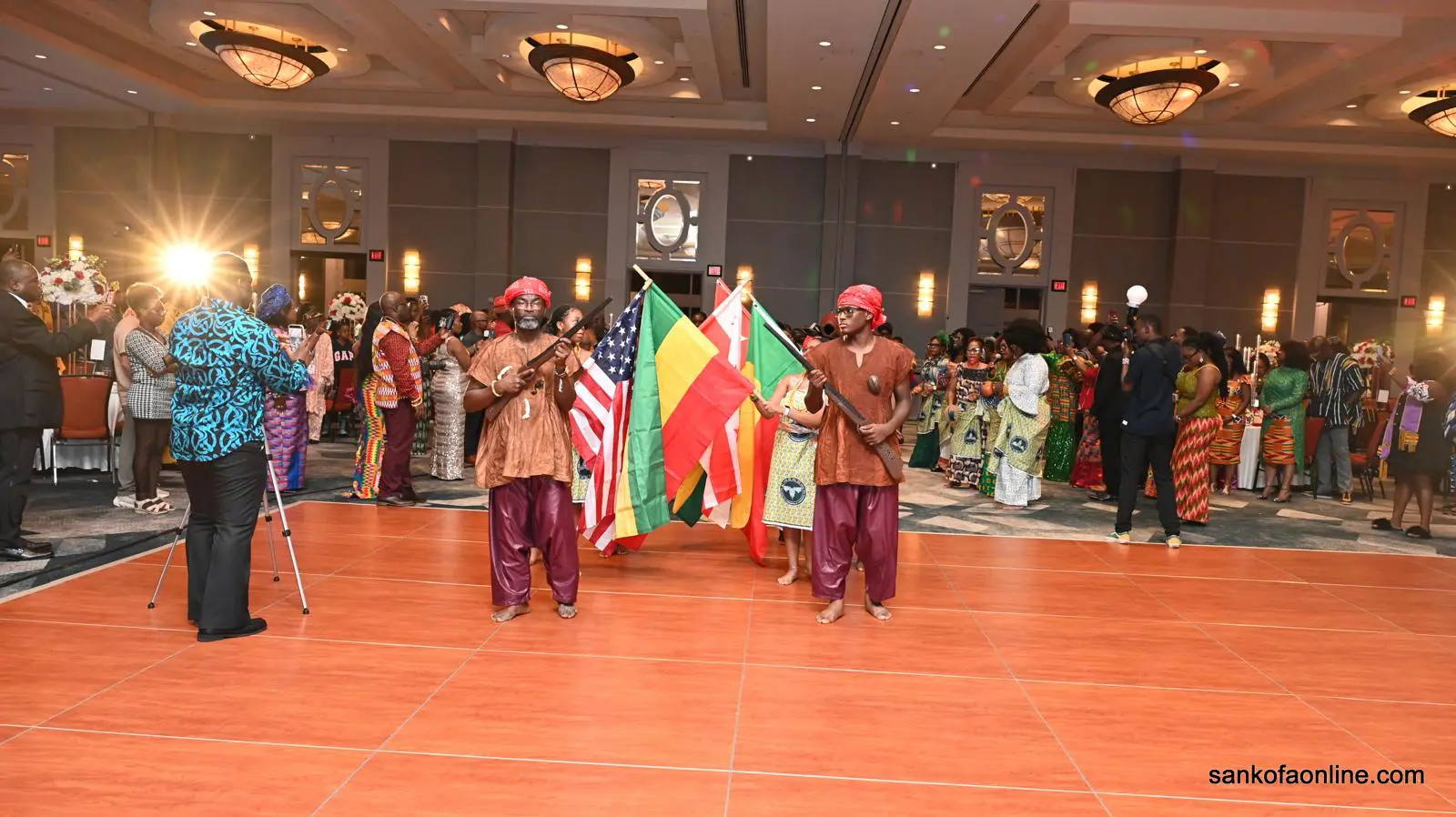
Then came the geopolitical fire. Bagbin reminded the audience that Ewe identity predates colonial borders. Ewes live in Ghana, Togo, Benin, Nigeria, Liberia, and Côte d’Ivoire. “Our language crosses borders. Our families cross borders. Our culture crosses borders. So why should our economic cooperation stop at the border?” It was a call for a transnational Ewe economic network , a regional force capable of shaping industries, markets, and opportunities across West Africa. It was a challenge to turn cultural unity into economic power.
He turned to the youth next , the children of Eweland born in America, Canada, Ghana, Togo, Benin. Some fluent in Ewe, others still learning. Bagbin warned CEANA never to treat them as outsiders. “Do not make them feel less Ewe,” he said. “Teach them. Give them responsibility. Give them purpose.” He urged CEANA to show young professionals that Africa is not only where their parents came from, it is where their next business, innovation, or impact can begin. He invoked the names of giants like Armattoe, Amor, Jacob Sey and others to remind the youth that greatness is not foreign to them. It is their inheritance.
Every moment he invoked the giants of our past or recount history , Parliamentarians present erupt in a unified cry ,“Father ooo, Father!”, saluting him like the living archive of the nation’s soul.
Bagbin praised CEANA as a national model, proof that ethnic identity can strengthen national development rather than divide it. “You can preserve your culture and still serve Ghana,” he said. “You can celebrate your identity and still contribute to national development.” He pledged his personal continued support to CEANA’s cause. CEANA has shown it can do more. Now, he insisted, it must.
And then came the line that will echo long after the convention: “When we leave Bethesda, let us leave with more than photographs. Let us leave with a commitment.” A commitment to lasting legacies. A commitment to investment partnerships. A commitment to bridging traditional leadership with global networks. A commitment to preparing the next generation. A commitment to never forgetting home. Because wherever life takes us, he said, “there must always be a road that leads home.”
By the time Bagbin finished, CEANA’s 33rd Convention was no longer a cultural event. It was a turning point. A diaspora uprising. A declaration that the time for legacy has come, the diaspora must build, and CEANA must lead. It was the kind of speech that does not fade. It burns. It lingers. It demands. And it will be remembered as the night the Speaker of Parliament stood before his people in North America and set the hall , and the diaspora , on fire.
In reading this piece, I felt I was in the hall listening to a sage. The descriptions are so vivid and the message unmistakably lucid. Great journalism!