

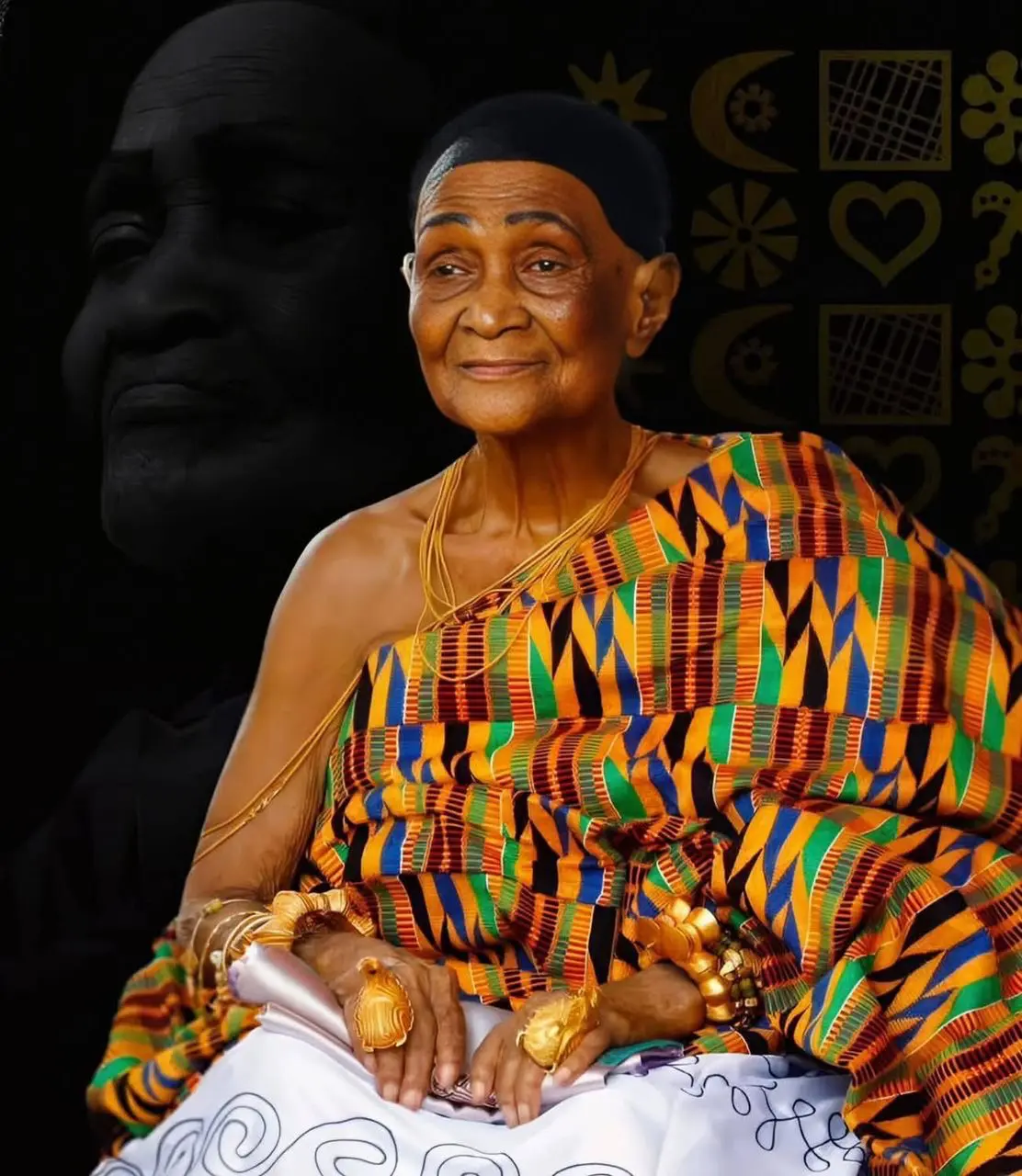
Kumasi, Ghana – The remains of the late Asantehemaa, Nana Konadu Yiadom III, is set to be interred tonight at the sacred “Baanmu” royal mausoleum in Kumasi-Breman. This ancient monument serves as the final resting place for the great kings and queens of the Asante Kingdom.

In a somber tradition, a strict curfew has been imposed, and a ban on public presence has been announced for the procession to the burial site. The public has been warned that no man born of a woman should be seen outside or attempt to follow the procession to the Breman Baanmu. This restriction is in place to ensure a dignified and private final passage for the revered queen mother.
The burial marks the conclusion of a four-day funeral rite for Nana Konadu Yiadom III, who passed away on August 7, 2025. Her passing is considered a great loss to the Asante Kingdom, and the funeral ceremonies have served as a poignant display of the kingdom’s rich cultural heritage.
The “Baanmu” royal mausoleum, located in Kumasi-Breman, is a highly significant and sacred site for the Asante Kingdom. It serves as the final resting place for the kingdom’s great kings and queen mothers. Its history is deeply intertwined with the traditions and spiritual beliefs of the Ashanti people.
While specific, detailed historical records of the Baanmu’s origin are not widely available in public documents, its role is well-established through Asante tradition. It is part of a complex system of royal burial rites and rituals that have been practiced for centuries.
The mausoleum’s significance stems from the belief that the deceased royals transcend their earthly lives to become revered ancestors, and the Baanmu is the physical point of connection between the living and the ancestral spirits.
The secrecy and restrictions surrounding the final procession to the Baanmu, such as the directive that “no man born of a woman should be seen outside,” are a key part of this tradition. These measures are in place to ensure a private and undisturbed journey for the royal’s remains, reflecting the profound spiritual and cultural gravity of the event. This tradition is not unique to the current queen mother’s burial, as similar practices were observed during the interment of her predecessor, Nana Afia Kobi Serwaa Ampem II.
The solemnity of the event and the specific rules surrounding it underscore the enduring importance of traditional customs and the deep respect accorded to the Asantehemaa and the Asantehene, the two most important figures in the Asante Kingdom. The Baanmu stands as a testament to the continuity of the Asante people’s history, culture, and their veneration of their royal lineage.
Ruth Abla ADJORLOLO