
An Editorial Feature for Sankofaonline
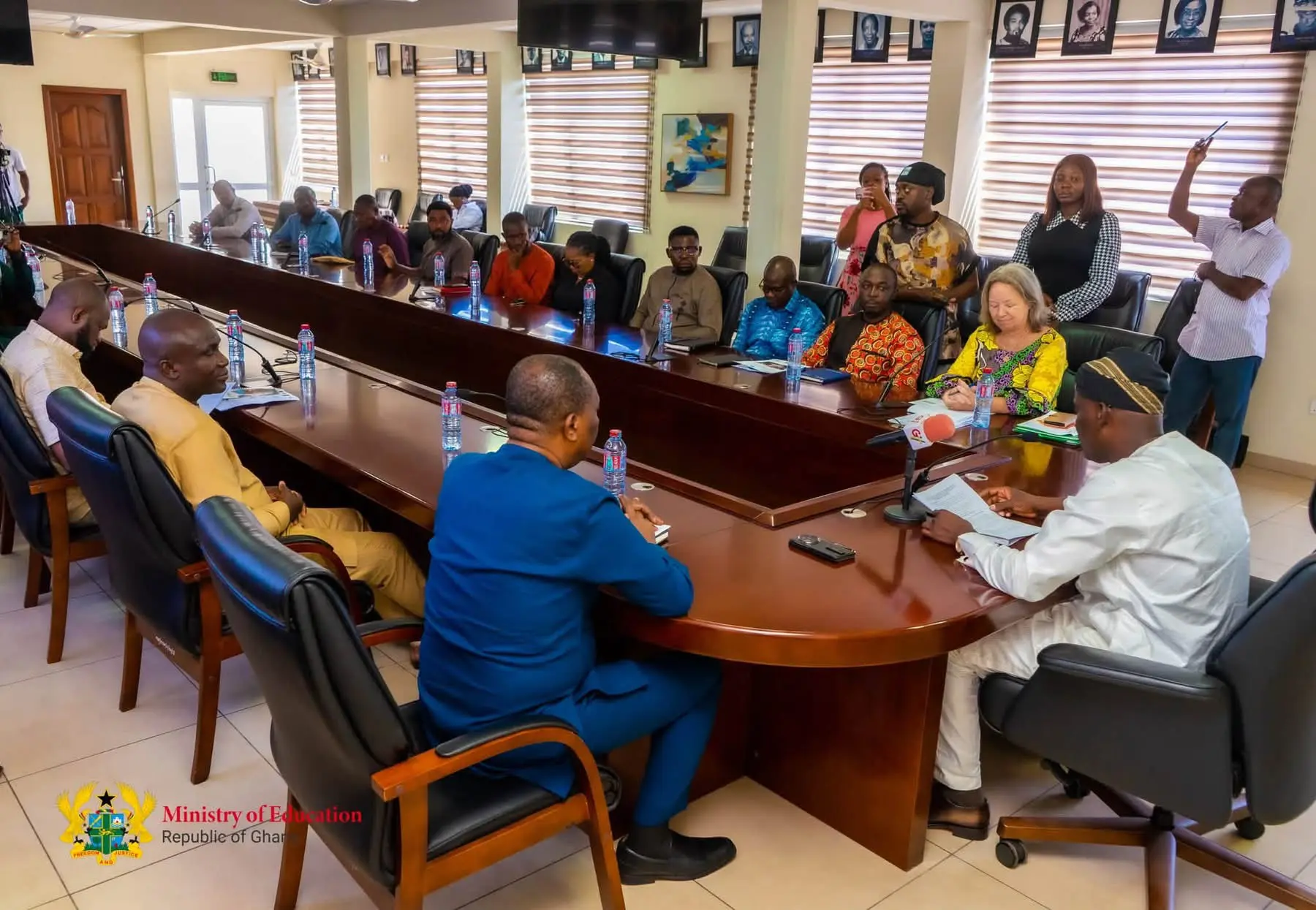
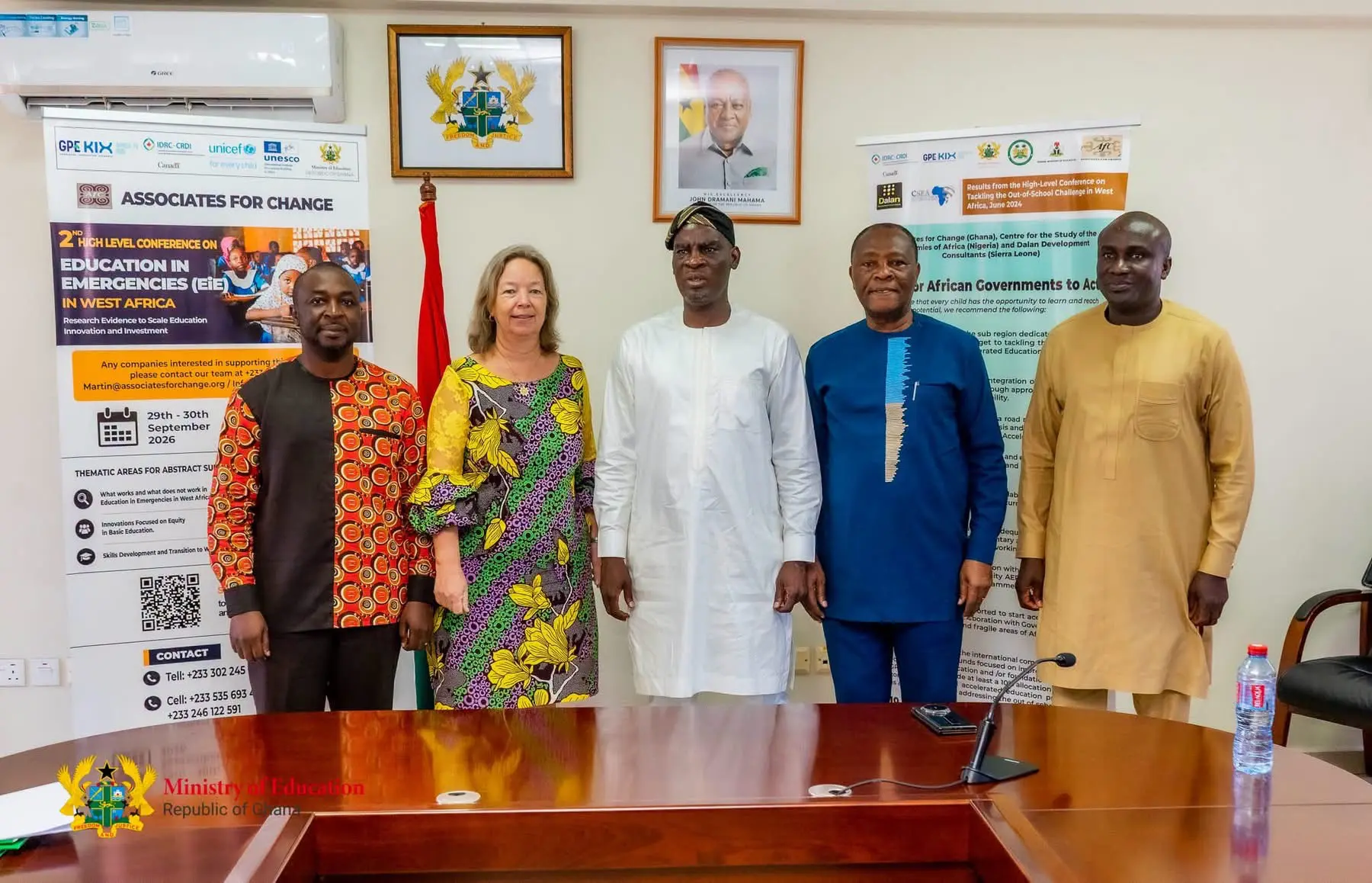
Starting today, Accra becomes the center of a critical regional conversation that many governments prefer to postpone until disaster strikes. What happens to a child’s education when conflict erupts, when flooding sweeps through communities, when a pandemic shuts down a school overnight. Ghana will join ministers, researchers, innovators, financiers and development partners from across West Africa as the city hosts the second High Level Conference on Scaling Education Initiatives in Emergencies from 29 to 30 September 2026.
This is not a routine policy gathering. It is a confrontation with a painful truth. In moments of crisis, the first casualty is often the classroom. When the classroom collapses, the future collapses with it.
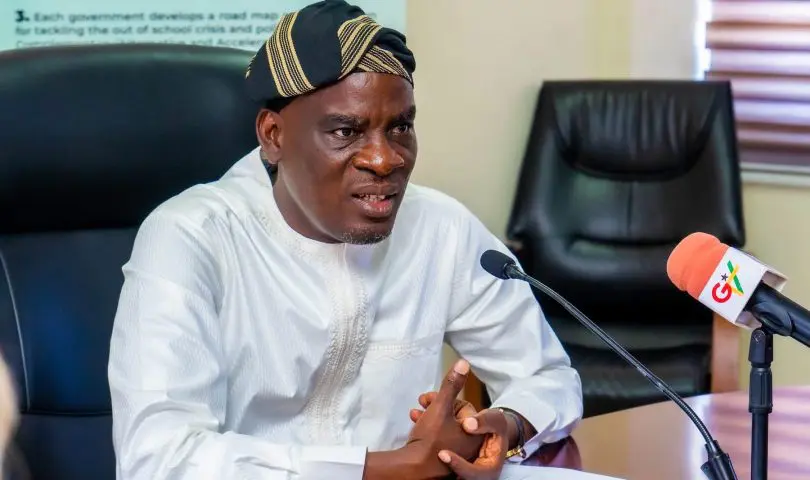
Speaking ahead of the conference, Minister for Education, Hon Haruna Iddrisu, drew a direct line between Ghana’s recent emergencies and the urgent need for new strategies. He recalled the COVID nineteen pandemic that forced millions of children out of school. He pointed to the Akosombo Dam spillage that displaced families and shuttered classrooms. He referenced conflicts such as those affecting Bawku, where insecurity has disrupted teaching, scattered learners and damaged educational infrastructure.
These are not abstract examples. They are lived realities for Ghanaian children.
The Minister stressed that Ghana can no longer rely on small pilot projects that fade after the headlines disappear. He called for interventions that can be scaled across districts and regions, for stronger financing mechanisms that ensure continuity of learning during crises, and for deeper regional cooperation so that countries do not face emergencies alone.
The conference will examine practical solutions that move beyond theory. How do we keep children learning when schools are inaccessible. How do we protect teachers and students in conflict zones. How do we deploy technology quickly and equitably when classrooms shut down. How do we rebuild learning spaces after floods or fires. Also, how do we ensure that the poorest and most vulnerable children are not left behind.
Accra’s hosting of this conference is more than symbolic. It is a recognition that Ghana has faced the full spectrum of educational disruption and must now help lead the regional response. The stakes are high. Every emergency that interrupts schooling widens inequality, deepens poverty and erodes national development.
For two days, West Africa will gather in Accra to confront these challenges with honesty and urgency. The question is no longer whether emergencies will disrupt education. The question is whether governments, institutions and partners will act boldly enough to protect the future of every child when they do.