
By Kay Cudjoe
When the National Democratic Congress (NDC) returned to power in January 2025, they did so on the back of a powerful promise: ORAL, or “Operation Recover All Loots.” This was the covenant they made with the Ghanaian people—a pledge to cleanse the system and hold those responsible for past corruption accountable.
Now, eight months into their term, a sense of restlessness is growing among citizens who believe the government has instead adopted an “Operation Recover Selectively” approach.
Critics argue that instead of decisive action, the government has offered a litany of excuses, legal complexities, and delays. Whispers of backroom deals and compromised prosecutions are circulating, raising concerns that the promise of a thorough and impartial cleanup is being abandoned.
The list of high-profile cases awaiting resolution is extensive and tangible. These aren’t mere rumors but documented scandals, including:
- ECG Containers Scandal: Over 2,600 containers were traced at Tema Port, with 54 still missing, leading to liabilities of about GH¢1.5 billion.
- National Service Scheme (NSS) Case: The Attorney General alleges that 9,934 “ghost names” were used to obtain a GH¢30.7 million loan.
- PDS Collapse: A botched 20-year concession that cost Ghana US$190 million in MCC funds.
- Kelni GVG Contract: A telecoms monitoring contract worth US$178 million, now recommended for non-renewal.
- National Cathedral: Over GH¢339 million in public funds and US$97 million in commitments disbursed, with the project remaining a mere pit in the ground.
- SML and GRA Contracts: GH¢1.4 billion was paid between 2018 and 2023, with auditors calling for its termination.
- COVID Procurement: Vaccines were purchased at double the global rate, and private firms reportedly earned US$80 million from airport testing while the state received minimal revenue.
- BOST Contaminated Fuel Scandal: About 5 million litres of contaminated fuel were sold off, resulting in millions of cedis in losses.
- Pwalugu Dam: A US900–993 million project that saw US12 million disbursed before its termination.
- Galamsey: The pervasive issue of illegal mining continues to cause environmental devastation, with accusations of political protection.
- Other significant cases include the PPA “Contracts for Sale” case, issues with La Bianca and Customs, the Agyapa deal, SSNIT’s US$72 million software and aborted hotel sales, and the GH¢21 billion banking sector cleanup.
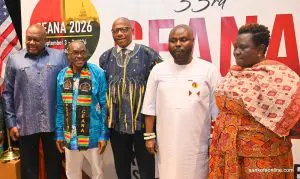
In a candid address at the 5th Annual NDC Lawyers Conference, the party’s General Secretary, Fiifi Kwetey, voiced these internal concerns. He urged his colleagues to avoid selective justice and cautioned against those within the party who might be “trying to cut deals with people who are supposed to be prosecuted.” His remarks served as a clear warning that the party’s own integrity is on the line.
The public expectation is clear: prosecute without fear or favor. The government is being urged to empower institutions like the Office of the Special Prosecutor (OSP), the Economic and Organised Crime Office (EOCO), and the Auditor General to act independently. The message is that justice delayed is justice denied, and selective justice is no justice at all.
The government’s legacy, according to this perspective, hinges on its ability to deliver on the ORAL covenant. If they fail to hold all accountable, they risk betraying the very people who gave them their mandate.