


By Fuvi Kloku .
……Leave Zanetor Alone: Her Father’s Sins Are Not Hers to Bear
In the realm of political leadership, the burden of responsibility is a heavy one. The premise that a president is accountable for every occurrence under their watch has been a point of debate throughout history. This principle suggests that events occurring during a president’s tenure are directly linked to their leadership, regardless of the complexities involved. Applying this notion to Ghana’s political landscape, we face a nuanced conversation.
During the tenure of Jerry John Rawlings, Ghana experienced significant turmoil. While some assert that the fatalities and upheavals are a direct consequence of his leadership, it’s imperative to recognize the myriad of factors at play. Blaming one individual for the collective actions and circumstances of an entire nation oversimplifies the intricate web of governance.
Similarly, under President John Kufuor’s administration, the northern region of Ghana saw its share of violence and loss of life. About 42 citizens died, including a paramount chief. The assertion that these incidents were a direct reflection of Kufuor’s policies and actions must be critically examined. Leadership involves a multitude of variables, and attributing sole responsibility to one figure often overlooks the broader societal dynamics and underlying causes.
Nana Addo Dankwa Akufo-Addo’s presidency has not been without its challenges. The incidents at Ayawaso West Wagon and the killings of 8 citizens at Techiman South are stark reminders of the volatility that can erupt in any administration. Yet, to ascribe full blame to the president disregards the complexities of governance and the multifaceted nature of political unrest.
For Ghana to progress, it is crucial to adopt a balanced perspective. Pointing accusatory fingers at individual leaders while exonerating others we admire undermines the very essence of justice and accountability. The Holy Bible’s words, “for all have sinned,” serve as a potent reminder that no leader is infallible. We must strive for a collective understanding that transcends partisan biases and recognizes the shared responsibility in building a nation.
As citizens and stewards of democracy, our focus should be on fostering a culture of accountability that is fair and just. This means acknowledging the imperfections in all leaders and working collaboratively to address the root causes of societal issues. By doing so, we can pave the way for a more united and forward-thinking Ghana, where responsibility is shared, and progress is a collective achievement.
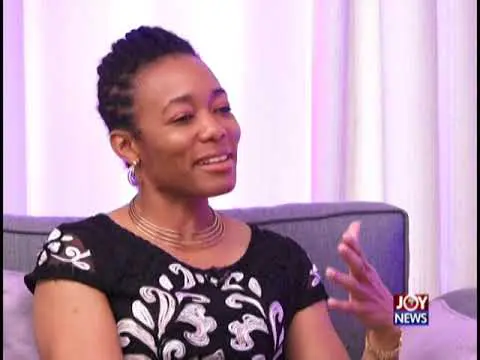
Asking Honorable Zanetor Agyeman-Rawlings to sit down and remain silent in Parliament because of her late father’s actions is gross disrespect, an insult, and a disregard for the rules of Parliament. Does she bear her father’s cross? Should all the children of our previous leaders bear their fathers’ actions? Zanetor Agyeman-Rawlings has earned her right to be in Parliament, representing her constituent with dedication and integrity. It is imperative to recognize her individual merits and contributions, separate from the shadows of her late father’s past.
Source : Fuvi Kloku

Powerful and emotional. I will copy this and do a thorough explanation for my own people who sees Rawlings as evil and murderer to understand it very well.
This is because most of them cannot read, let alone understand this.
I have already thought of hosting a show on that issue. This article will make my work very easy. Thanks for the great exposition of the situation.
When was Jerry convicted of killing anyone ?