

Sankofaonline Newsdesk | Research Feature|
U.S. Visa Policy Updates Channel
…….Federal law requires legal residents to update their address with immigration authorities within ten days of moving.
Immigration in the United States has always been a delicate balance between opportunity and regulation. For permanent residents, visa holders, and other legal immigrants, that balance has become increasingly precarious. In recent years, enforcement has tightened, and actions once considered minor now carry the risk of immediate deportation. Thousands of families have already felt the impact, underscoring the urgent need for awareness, compliance, and proactive legal protection.
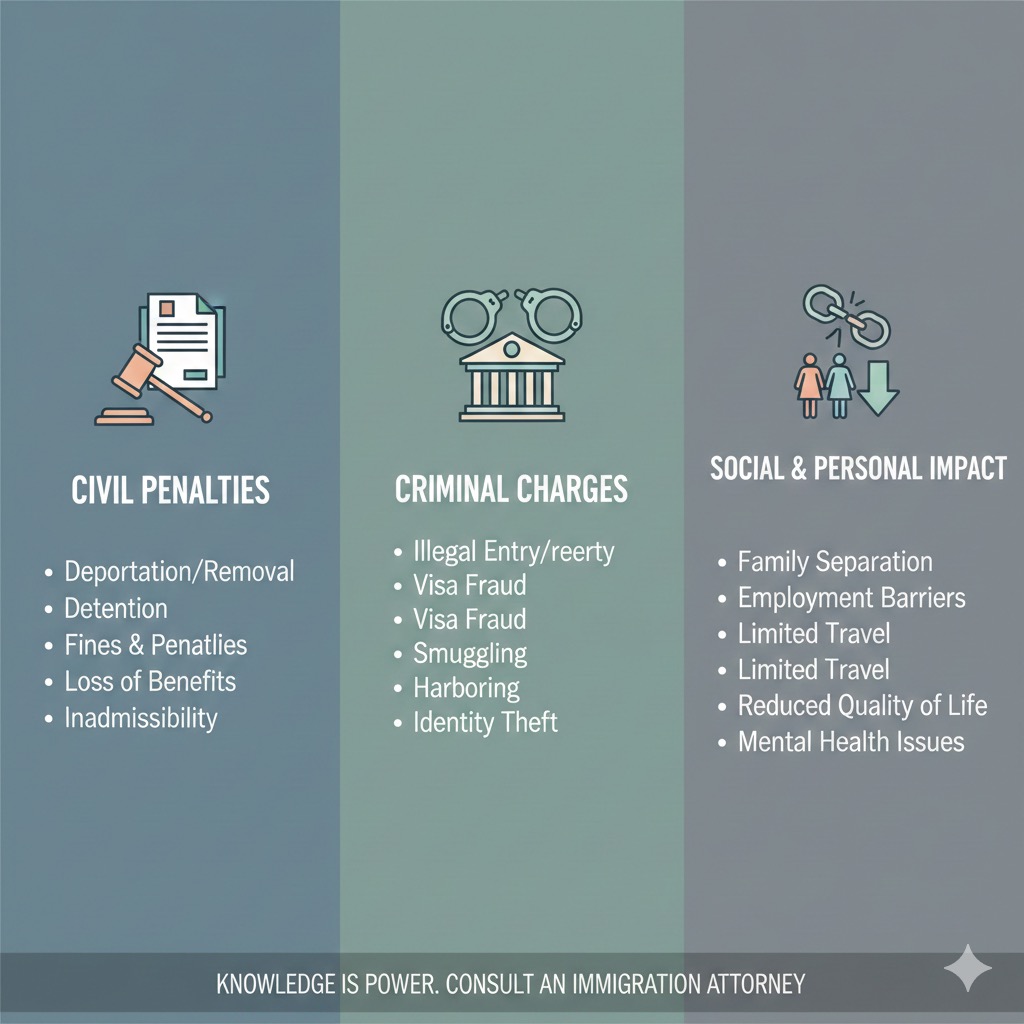
Understanding the behaviors and circumstances most likely to jeopardize legal status is no longer optional, it is essential. Whether one holds a green card, a work visa, or another form of lawful presence, knowledge of these risks and the steps to mitigate them can mean the difference between stability and removal.
Threat 1: Aggravated Felonies and Criminal Convictions
Immigration law defines “aggravated felony” far more broadly than most state criminal codes. A charge that appears minor in state court, such as petty theft or simple assault, may be classified as an aggravated felony under federal immigration law. The consequences are severe: mandatory detention, limited judicial discretion, and near‑automatic deportation.
Examples include theft of any value, fraud involving even small sums, intimidation, or violent conduct. Jail time is irrelevant; the nature of the offense alone determines classification. Long‑term residence, U.S.‑born children, or property ownership offer no shield.
For immigrants facing criminal charges, coordination between a criminal defense attorney and an immigration attorney is critical. A plea deal that seems favorable in state court may carry devastating immigration consequences.
Threat 2: Drug Charges and Zero Tolerance
Drug offenses remain one of the most unforgiving areas of immigration law. Convictions for possession of controlled substances, whether cocaine, heroin, methamphetamine, ecstasy, or even unprescribed medication,almost always trigger deportation.
The only narrow exception applies to a first offense involving less than 30 grams of marijuana. Even then, jurisdictional differences and prior history can nullify protection. Importantly, immigration authorities may act on admissions of drug use or possession, even without a formal conviction.
Family ties, years of residence, or community contributions carry little weight in drug cases. The law is rigid, and specialized immigration counsel is indispensable for anyone facing such charges.
Threat 3: Domestic Violence and Family Disputes
Domestic violence charges, even when prosecuted as misdemeanors, can destroy immigration status. Federal law treats any conviction involving violence, threats, or violations of protective orders against household members as grounds for deportation.
The definition of “household member” is broad, encompassing spouses, children, parents, in‑laws, and cohabiting partners. Conduct such as unlawful touching, verbal threats, or restraining order violations may suffice.
Immigration judges have little discretion in these cases, and mitigating circumstances are rarely considered. A single misdemeanor conviction can resurface years later during green card renewal or naturalization, jeopardizing family unity. Legal advice before accepting any plea deal is essential.
Threat 4: Immigration Fraud and Misrepresentation
Fraud in immigration matters carries lifelong consequences. Misstatements on applications, forged documents, sham marriages, or exaggerated qualifications can all lead to revocation of status, even decades later.
There is no statute of limitations. Every form, petition, or statement submitted to immigration authorities remains subject to scrutiny. Common scenarios include short‑lived marriage‑based petitions, fabricated job offers, embellished asylum claims, or misrepresented family ties.
Even minor inaccuracies can trigger deportation. Anyone aware of past mistakes should consult an immigration attorney before they surface during audits or proceedings.
Threat 5: Administrative Violations—The Address Requirement
Federal law requires legal residents to update their address with immigration authorities within ten days of moving. Though often overlooked, failure to comply can be used against individuals in removal proceedings.
Patterns of noncompliance may undermine credibility and claims of good moral character. Fortunately, updates can be completed online in minutes. Yet thousands neglect this requirement each year, exposing themselves to unnecessary risk.
A Changing Enforcement Landscape
Immigration courts now operate under intense pressure to reduce backlogs. Hearings are shorter, decisions faster, and the margin for error smaller than ever. Minor infractions can lead to immediate detention and removal, leaving little time to prepare a defense.
Once proceedings begin, options for relief are limited. Prevention and preparation before court involvement are therefore paramount.
Protective Measures: Safeguarding Your Status
Seek immigration counsel before accepting any plea deal or legal resolution.
Recognize that prosecutors rarely consider immigration consequences in criminal cases.
Submit only truthful, complete information to immigration authorities.
Update addresses promptly and retain proof of compliance.
Maintain thorough documentation of employment, taxes, leases, education, and community involvement.
Stay informed about changes in immigration law and enforcement practices.
Address past errors or potential fraud with legal guidance before they resurface.
Treat legal status as an ongoing responsibility, not a permanent guarantee.
Comparison Table: State vs. Federal Consequences
| Offense | State Classification | Federal Immigration Consequence |
|---|---|---|
| Petty Theft | Misdemeanor | Aggravated Felony → Deportation |
| Simple Assault | Misdemeanor | Aggravated Felony → Deportation |
| Marijuana Possession (<30g, first offense) | Misdemeanor | Possible Exception (case‑specific) |
| Domestic Violence | Misdemeanor | Deportable Offense |
| Immigration Fraud | Civil/Criminal | Deportation, Status Revocation |
Conclusion: Vigilance, Compliance, and Proactive Action
Holding a green card or work visa does not guarantee permanence in the United States. Minor criminal convictions, drug charges, domestic disputes, or administrative oversights can all trigger deportation. Immigration fraud, even from years past,remains a constant risk.
The system moves quickly, often with irreversible consequences. Long‑term residence or family ties do not provide immunity. The only true safeguard lies in vigilance, compliance, and proactive legal action.
For immigrants striving to build lives in the U.S., the message is clear: treat your legal status as a responsibility requiring constant care. In today’s enforcement environment, even small mistakes can carry life‑altering consequences.