

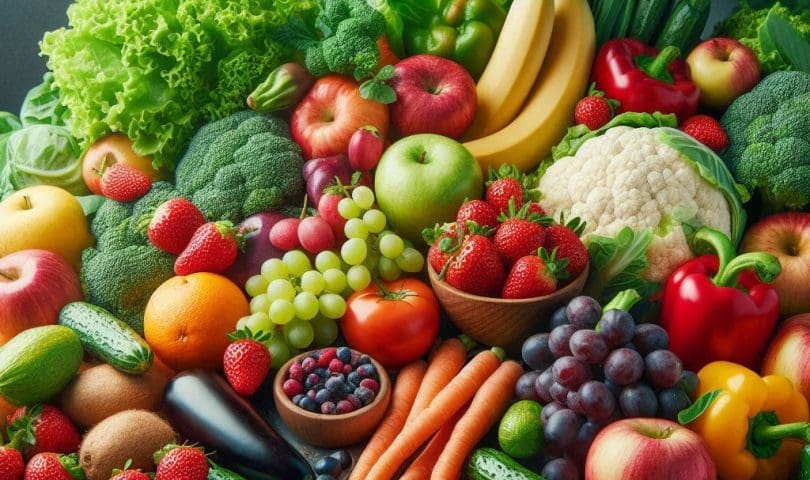

Disclaimer: This is for informational purposes only. For medical advice or diagnosis, consult a professional.
High-density lipoprotein (HDL) cholesterol is considered the “good” cholesterol because it helps remove low-density lipoprotein (LDL) cholesterol, commonly known as the “bad” cholesterol, from your bloodstream. Higher levels of HDL cholesterol are associated with a lower risk of heart disease and stroke.
Understanding HDL and LDL Cholesterol
HDL Cholesterol:
- Function: Carries LDL cholesterol from your arteries to your liver for processing and elimination.
- Benefit: Helps protect against heart attack and stroke.
LDL Cholesterol:
- Function: Known as the “bad” cholesterol, it can accumulate in your arteries as plaque.
- Risk: Plaque buildup can lead to heart disease and stroke.
Desirable Cholesterol Levels
Maintaining optimal cholesterol levels is crucial for heart health. Here are the recommended levels:
- Total Cholesterol: Less than 200 mg/dL
- LDL Cholesterol: Less than 100 mg/dL
- HDL Cholesterol: Over 60 mg/dL
Factors Influencing Cholesterol Levels
Various factors can affect your cholesterol levels, including:
- Age
- Gender
- Health History
- Genetic Factors
- Diabetes
- Smoking
- Being Overweight
- Being Sedentary
Lifestyle Changes to Improve Cholesterol Levels
Adopting healthy lifestyle choices can help you manage your cholesterol levels effectively:
- Eat Foods Fortified with Plant Sterols or Stanols: These natural substances help reduce cholesterol absorption.
- Foods high in plant sterols (also known as phytosterols) can help manage cholesterol levels. Here are some examples:
- Nuts and Seeds
- Almonds
- Walnuts
- Pecans
- Sunflower Seeds
- Pumpkin Seeds
- Sesame Seeds
- Fruits and Vegetables
- Avocados
- Broccoli
- Cauliflower
- Brussels Sprouts
- Apples
- Blueberries
- Whole Grains
- Oat Bran
- Wheat Germ
- Brown Rice
- Whole Wheat
- Rice Bran
- Legumes
- Black Beans
- Chickpeas
- Lentils
- Dried Peas
- Oils
- Extra Virgin Olive Oil
- Wheat Germ Oil
- Fortified Foods
- Orange Juice
- Margarine
- Cereals
- Choose Lean Proteins: Opt for chicken, seafood, legumes, nuts, and seeds.
- Limit Red Meat: Reducing red meat intake can help lower LDL cholesterol levels.
- Here are some common examples:
- Beef: Includes cuts like steaks, roasts, and ground beef.
- Lamb: Includes lamb chops, leg of lamb, and ground lamb.
- Pork: Although it can look lighter when cooked, pork is still considered red meat. Includes cuts like pork chops, ham, and bacon.
- Goat: Includes cuts like goat chops and goat stew meat.
- Veal: Young beef, typically lighter in color than mature beef.
- Venison: Meat from deer, including cuts like venison steaks and roasts.
- Bison/Buffalo: Includes cuts like bison burgers and steaks.
- These meats are rich in protein and nutrients but should be consumed in moderation, especially if you are mindful of your cholesterol levels or heart health. If you’re looking to reduce red meat consumption, lean proteins like chicken, fish, and plant-based options can be excellent alternatives!
- Eat Oily Fish: Incorporate salmon, sardines, and mackerel into your diet for their heart-healthy omega-3 fatty acids.
- Incorporate Healthy Fats: Include nuts, seeds, avocados, olives, and oils like olive and flaxseed oil in your diet.
Understanding and managing your cholesterol levels can significantly impact your heart health and reduce the risk of cardiovascular diseases. Remember, small lifestyle changes can lead to big health benefits!
Source: Mabel Atsitsogbi, Merryland, USA.

Water is the best drink to lower blood sugar. Staying hydrated helps your kidneys flush out excess sugar through urine.
Other drinks that may help
Unsweetened teas: Contain antioxidants that reduce inflammation and lower blood sugar. Green tea in particular may reduce insulin resistance.
Black coffee: In moderation, black coffee may improve the body’s ability to metabolize sugar. However, too much caffeine can cause dehydration, which can increase blood sugar levels.
Cow’s milk and fermented milk (kefir): May help manage blood sugar responses.
Tomato juice: A small glass of tomato juice may help.
Kombucha: A fermented drink that contains gut-healthy probiotics.