

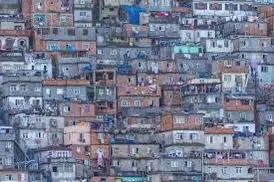

A new report by the World Health Organization (WHO) has highlighted the significant impact of social determinants on health equity. The report shows that factors such as lack of quality housing, education, and job opportunities can reduce healthy life expectancy by decades in both high- and low-income countries.
The report notes that people in countries with the lowest life expectancy can live up to 33 years shorter than those in countries with the highest life expectancy. WHO Director-General Dr. Tedros Adhanom Ghebreyesus emphasized that where we are born, grow, live, work, and age significantly influences our health and well-being.
The report underscores that health inequities are closely linked to social disadvantage and discrimination. Indigenous Peoples, for example, have lower life expectancy than non-Indigenous Peoples in both high- and low-income countries. The report also highlights the significant disparities in maternal mortality rates, with women from disadvantaged groups more likely to die from pregnancy-related causes.
WHO emphasizes that addressing income inequality, structural discrimination, conflict, and climate disruptions are key to overcoming health inequities. The organization calls for collective action from governments, leaders, and civil society to address economic inequality, invest in social infrastructure, and promote health equity.
The report notes that closing the gap in health inequities within countries could save millions of lives. For example, 1.8 million children’s lives could be saved annually if the gap between the poorest and wealthiest sectors of the population is closed in low- and middle-income countries.
Sankofaonline
