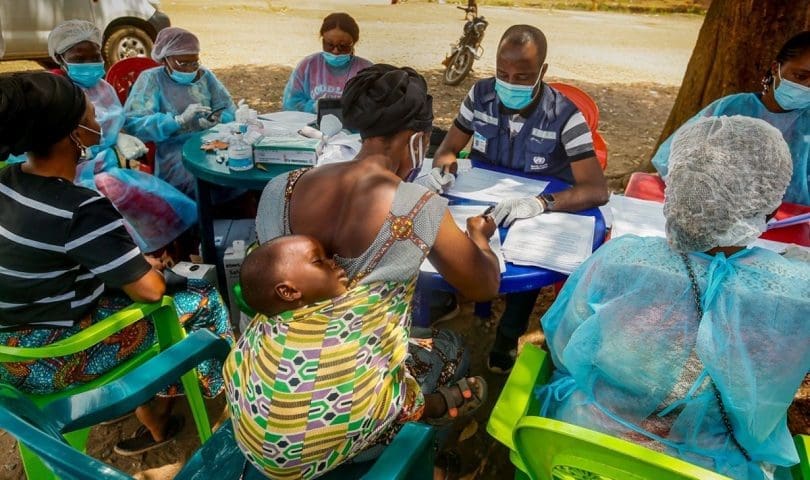

The World Health Organization (WHO) has launched new guidance to enhance clinical trials worldwide, promoting stronger research and development ecosystems. This move aims to make safe and effective health interventions more accessible and affordable globally.
The guidance addresses challenges such as poor trial design, limited participant diversity, and bureaucratic inefficiencies. It provides recommendations for national health authorities, regulatory bodies, and funders to facilitate clinical trials.
A significant gap exists between high-income countries (HICs) and low- and middle-income countries (LMICs), with HICs hosting 27,133 trials in 2022 compared to 24,791 in LMICs. This disparity often results in LMICs being targeted for clinical trials without subsequent access to the approved interventions.
WHO’s Chief Scientist, Dr. Jeremy Farrar, emphasized the need for country-led research and diverse trial participants to ensure equitable access to health interventions. “Strengthening country-led research and development and embedding clinical trials in routine clinical and public health services will ensure faster and more equitable access to safe and effective interventions,” he stated.
Currently, less than 5% of clinical trials include pregnant women, and only 13% include children. This lack of representation leads to reduced quality of evidence, affecting care and access to interventions. The new guidance stresses the importance of involving at-risk populations from the outset and prioritizing safety assessments.
Patient-centered trial organization is also a key focus, with the guidance recommending that patient, participant, and community engagement be at the heart of organizing clinical trials. This approach ensures research planning, delivery, and dissemination meet public needs and maintain trust.
The guidance was developed through an extensive process involving nearly 3000 stakeholders from various sectors across 48 countries. It covers trials for various health interventions, including pharmaceutical medicines, vaccines, diagnostics, nutritional measures, and traditional or herbal measures.
By implementing this guidance, WHO aims to strengthen national research and development ecosystems through sustainable financing, supporting better decision-making, accelerating access to health innovation, and building more robust and effective national and global health research environments.
WHO/Ruth Abla ADJORLOLO