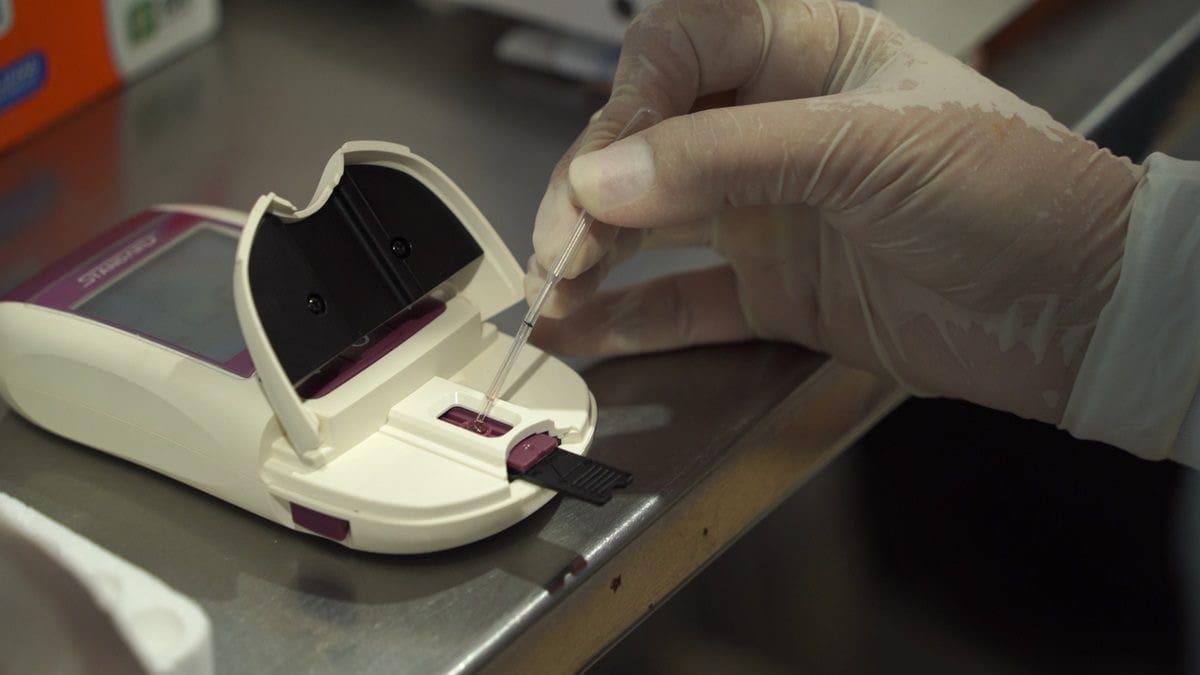
In a significant milestone for global health, the World Health Organization (WHO) has prequalified the first diagnostic test for glucose-6-phosphate dehydrogenase (G6PD) deficiency. This test is crucial in safely administering WHO-recommended treatments to prevent relapse of Plasmodium vivax (P. vivax) malaria infection.
Every year, malaria claims the lives of approximately 500,000 people, mostly children. The prequalification of this diagnostic test marks a major step forward in facilitating safe and effective P. vivax malaria treatment. This achievement reaffirms WHO’s commitment to ensuring equitable access to life-saving health solutions globally.
The diagnostic test is particularly important for people with G6PD deficiency, a genetic condition affecting over 500 million people worldwide. Certain drugs used to prevent malaria relapse can cause acute hemolysis (destruction of red blood cells) in individuals with G6PD deficiency. The new test enables healthcare providers to accurately identify patients with G6PD deficiency, ensuring they receive safe and effective treatment.
The prequalification of this diagnostic test is part of a broader effort by WHO to streamline the development and approval of essential health products. This initiative aims to reduce the time it takes to bring vital health products to low- and lower-middle-income countries, ultimately improving global health equity.
With the prequalification of this diagnostic test, WHO has taken a significant step towards strengthening the global malaria response. As Dr. Daniel Ngamije Madandi, Director of WHO’s Global Malaria Programme, noted, “Wider availability of the test can help reduce the number of P. vivax infections due to relapse and onward transmission”
WHO/Ruth Abla ADJORLOLO