

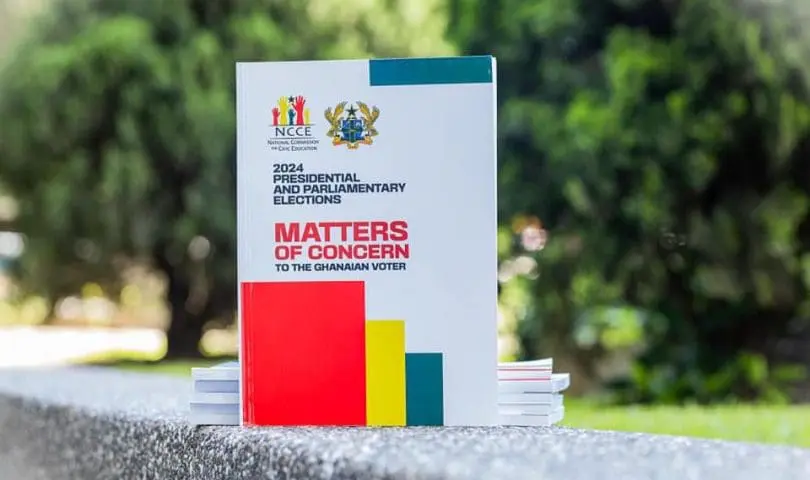

With Ghana’s 2024 general elections looming, politicians’ tactics to sway voters are under scrutiny. A National Commission for Civic Education (NCCE) report exposes vote-buying as a significant factor influencing election outcomes. Vote-buying, part of clientelism, involves exchanging goods and services for political support during campaigns or on Election Day.
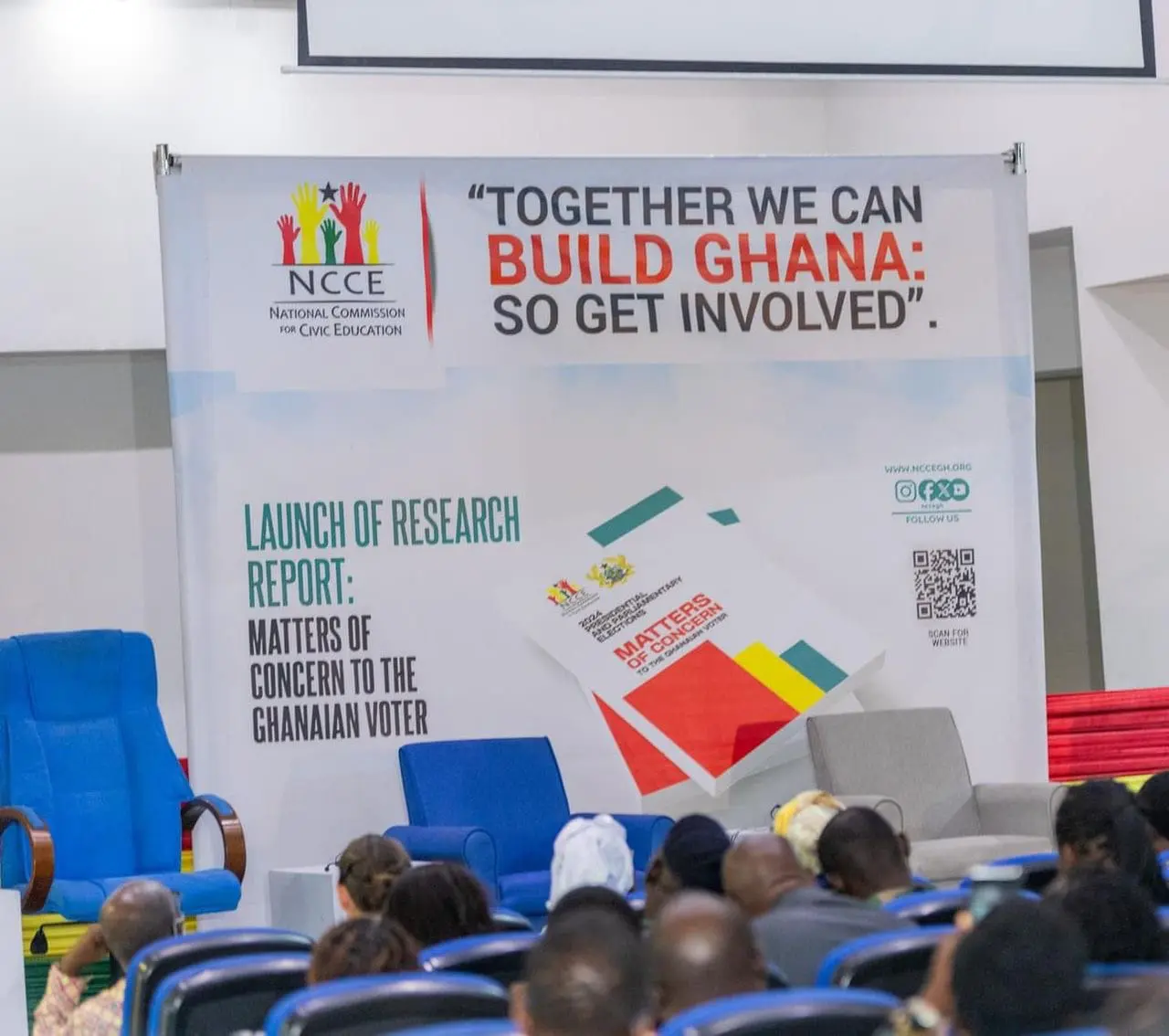
Despite existing laws, vote-buying persists, threatening Ghana’s democratic stability. Regional awareness varies: North East tops at 21.7%, while Savannah, Upper East and Western regions show over 10% voter confusion.
Poverty and economic vulnerability drive vote-buying. Nearly 40% of respondents consider it prevalent, with 38.5% seeing it as a common Ghanaian election issue. Western North records the highest vote-buying attempts at 27.9%.
Resisting vote-buying, 46.3% of respondents refuse incentives. However, 17.8% consider accepting offers, with females (18.7%) slightly more willing than males (16.8%). The NCCE research reveals 35.1% know someone approached with incentives and 19.3% confirm personal targeting.
Vote-buying’s impact is significant: 64.3% believe it compromises election integrity. Consequences include undermined free elections, corruption, distorted representation and accountability erosion. Public trust and social stability are also at risk.
Over half (56.7%) feel the government isn’t combating vote-buying effectively, fueling doubts about the 2024 election’s fairness. The NCCE report underscores urgent action to protect Ghana’s democracy.
Ruth Abla ADJORLOLO
