


By Sankofaonline Editorial Desk
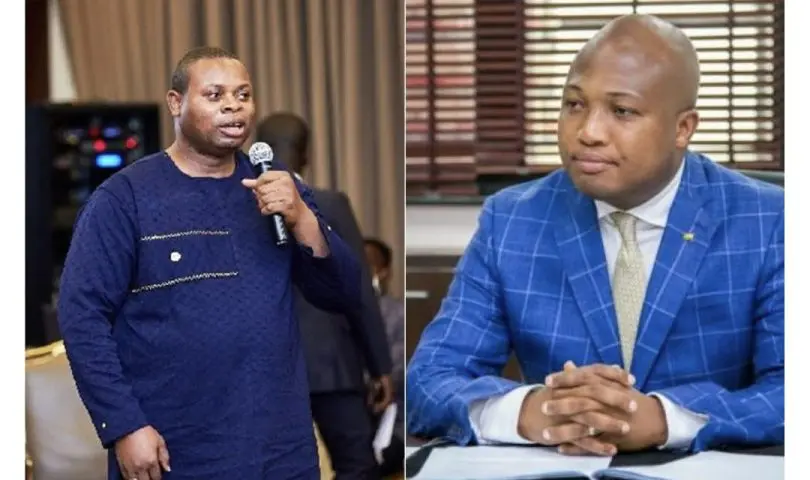
The recent announcement by Ghana’s Minister of Foreign Affairs, Hon. Samuel Okudzeto Ablakwa, celebrating the reversal of U.S. visa restrictions imposed on Ghana, has drawn sharp criticism from Franklin Cudjoe, Founding President of IMANI Africa. In a pointed social media post, Cudjoe questioned whether the diplomatic gesture was truly worth celebrating, suggesting that Ghana may have settled for far less than it deserved.
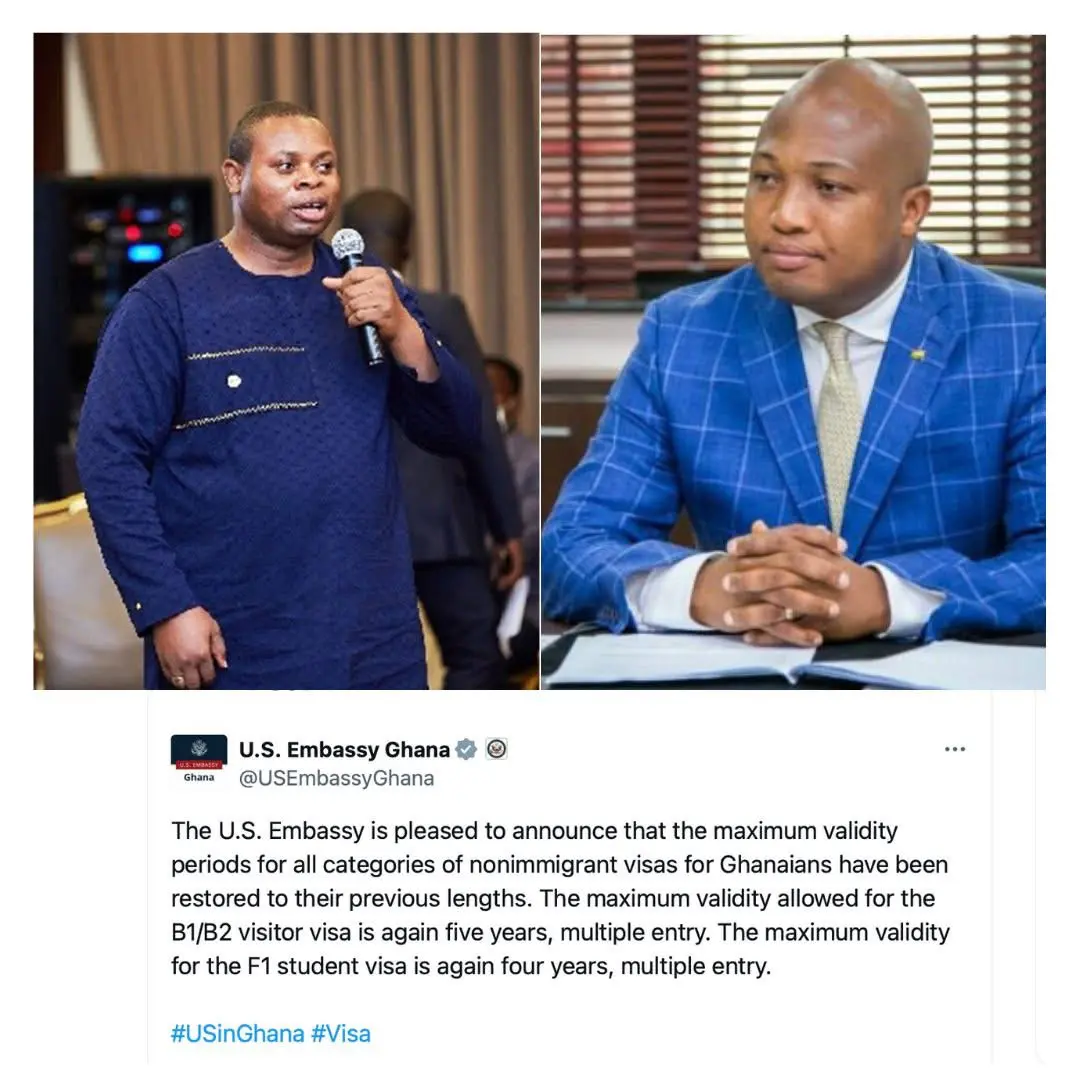
“Is this all we got from taking in our deportee West African neighbours?” Cudjoe asked, referencing Ghana’s controversial agreement to accept deported migrants from the United States, many of whom were not Ghanaian nationals. The arrangement, signed under previous administrations, had triggered visa sanctions from the U.S. government, limiting Ghanaian travelers to short-term, single-entry visas.
With the restrictions now lifted and five-year multiple-entry visas reinstated, Ablakwa hailed the development as a diplomatic breakthrough. But Cudjoe was unimpressed. He argued that Ghana should have leveraged the negotiations to secure more substantial benefits, such as a reduction in the 15% tariff currently imposed on Ghanaian exports to the U.S.
“Frankly, my brother ,Honourable Okudzeto, I wish this had not been posted and celebrated,” Cudjoe wrote. “We had this already. Yes, I know the Trump administration threatened visa restrictions, but we could have negotiated for more, perhaps a good reduction of the 15% tariff imposed on Ghana.”
Cudjoe’s critique has sparked a wave of public debate, with some defending Ablakwa’s diplomatic efforts and others echoing IMANI’s call for deeper strategic engagement. The reversal of the visa restrictions, while welcomed by many Ghanaian students, business travelers, and diaspora families, now faces scrutiny as a potentially missed opportunity for broader economic relief.
The controversy also raises questions about Ghana’s long-term foreign policy posture. Should diplomatic victories be measured by symbolic gestures, or by tangible gains in trade, investment, and national interest? As Ghana continues to navigate complex global relationships, the answer may determine not just how the country is perceived abroad, but how it prospers at home.
