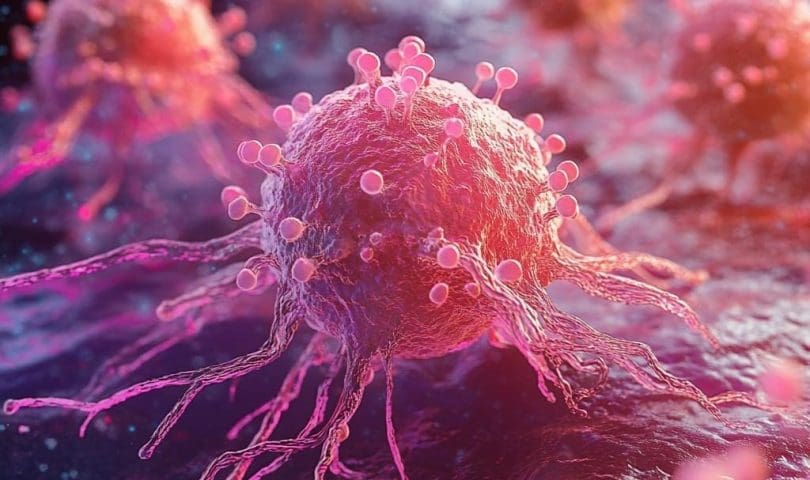

In the ever-evolving battle against cancer, researchers are constantly seeking innovative strategies to target and eliminate tumor cells. One promising avenue of exploration is the utilization of neoantigens, which are tumor-specific antigens that arise due to mutations in a cancer cell’s DNA.
What Are Neoantigens?
Neoantigens are unique proteins that form on the surface of cancer cells. These proteins are a direct result of genetic mutations within the tumor DNA. Unlike normal cells, which display standard antigens, cancer cells with neoantigens present a novel target that is distinctively different from the body’s normal cells. This unique characteristic makes neoantigens an ideal target for cancer immunotherapy.
The Role of Neoantigens in Immunotherapy
The immune system is designed to detect and destroy foreign invaders, but cancer cells can sometimes evade detection by masquerading as normal cells. Neoantigens, however, provide a recognizable target for the immune system. When immune cells, particularly T-cells, recognize these neoantigens, they can mount an attack specifically aimed at the cancer cells, sparing normal tissues.
Personalized Cancer Vaccines
One of the most exciting applications of neoantigens is in the development of personalized cancer vaccines. By sequencing the DNA of a patient’s tumor, researchers can identify specific neoantigens unique to that individual’s cancer. Customized vaccines can then be created to stimulate the patient’s immune system to recognize and attack cells displaying these neoantigens. This personalized approach holds great promise for enhancing the precision and effectiveness of cancer treatment.
Benefits and Challenges
The use of neoantigens in cancer treatment offers several significant advantages:
- Specificity: Neoantigens are unique to cancer cells, minimizing the risk of harming normal cells.
- Personalization: Treatments can be tailored to the unique genetic profile of an individual’s cancer.
- Immune Activation: Neoantigens can effectively stimulate a robust immune response.
However, there are also challenges to overcome:
- Identification: Detecting and validating neoantigens requires advanced sequencing technology and computational tools.
- Delivery: Developing effective methods to present neoantigens to the immune system is critical.
- Variability: The genetic diversity of cancer cells within a single tumor can complicate the identification of effective neoantigens.
The Future of Cancer Treatment
The exploration of neoantigens represents a significant leap forward in the field of oncology. By harnessing the body’s immune system to target these unique markers, researchers aim to develop more effective and personalized cancer therapies. As technology advances and our understanding of neoantigens deepens, the potential to transform cancer treatment becomes increasingly tangible.
In conclusion, neoantigens offer a beacon of hope in the fight against cancer. Their ability to serve as precise targets for immunotherapy opens the door to innovative treatments that could one day revolutionize how we approach this formidable disease.
Source: cancer.gov