
By Fuvi Kloku
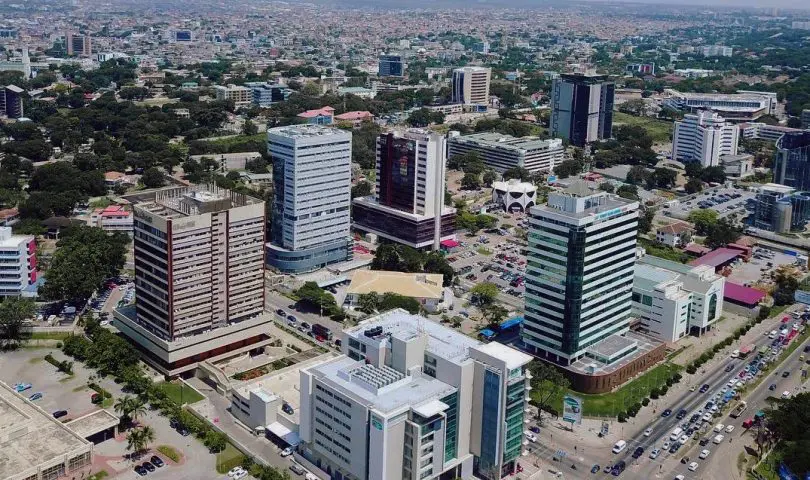
President Mahama’s announcement wasn’t just urban planning—it was political theatre with substance. The birth of Akwaaba City signals a recalibration of Ghana’s power map, challenging decades of infrastructural centralism and bureaucratic inertia.
A Spatial Act of Decentralization
For too long, Accra has stood as both nerve center and chokehold. Akwaaba City offers a symbolic and practical rupture—redistributing influence eastward. This isn’t merely about traffic relief; it’s about dismantling the unspoken monopoly of the capital and embracing a multi-nodal governance model. The relocation of ministries isn’t administrative—it’s ideological. A declaration that access, opportunity, and influence need not be gated by geography.
Electoral Calculus and Political Risk
There’s a daring subtext to this move. Shifting seats of power inevitably shifts allegiances, redraws constituencies, and invites scrutiny. The opposition will paint it as disruption; proponents will hail it as visionary. Either way, it places infrastructure at the heart of electoral discourse—a move rarely made in a landscape dominated by short-cycle populism.
The Governance Test
Akwaaba City will test Ghana’s ability to govern proactively rather than reactively. Will inter-ministerial coordination rise to meet the complexity? Will civil society be looped in, not just consulted after the fact? The city’s smart design must be matched by smart politics—transparent procurement, accountable planning, and inclusive debate.
Civic Reclamation and Equity
At stake here is not just efficiency but equity. Who will own Akwaaba City? Will the poor be priced out of progress? Will cultural heritage be integrated or overwritten? Mahama’s blueprint must answer these questions if it’s to avoid the fate of other glittering projects that became enclaves of elite escape.
National Identity and Psychological Geography
Akwaaba City may redefine not only where Ghana governs but how it imagines itself. A dual-capital future reshapes psychological geography—suddenly, the idea of belonging expands. For a country wrestling with regional disparities, this could be the beginning of a new civic compact.